JeepParts
My Garage
My Account
Cart
OEM Dodge Stratus Backing Plate
Brake Dust Shield- Select Vehicle by Model
- Select Vehicle by VIN
Select Vehicle by Model
orMake
Model
Year
Select Vehicle by VIN
For the most accurate results, select vehicle by your VIN (Vehicle Identification Number).
13 Backing Plates found
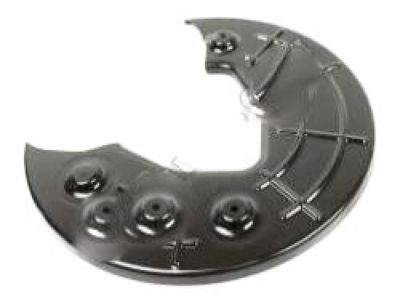
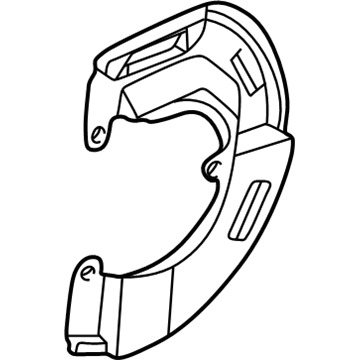
Dodge Stratus Backing Plate, Front Driver Side Part Number: MN102927
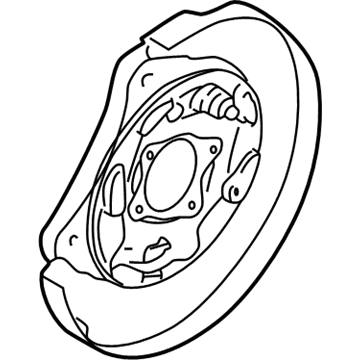
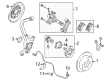
Dodge Stratus Backing Plate, Rear Passenger Side Part Number: MR128623
Dodge Stratus Backing Plate, Rear Driver Side Part Number: MR128622
Dodge Stratus Backing Plate, Rear Passenger Side Part Number: MB950208
Dodge Stratus Backing Plate, Rear Driver Side Part Number: MB950207
Dodge Stratus Backing Plate, Rear Driver Side Part Number: 5096203AA

Dodge Stratus Backing Plate, Rear Driver Side Part Number: 5066179AA
Dodge Stratus Backing Plate Part Number: 5066178AA

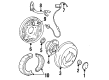
Dodge Stratus Backing Plate, Rear Part Number: 4796423
Dodge Stratus Backing Plate, Rear Driver Side Part Number: 4773273
Dodge Stratus Backing Plate Part Number: 4773272
Dodge Stratus Backing Plate
Choose OEM Backing Plate that meet Dodge factory standards. Dodge designs and tests every component for precision and durability. Each Backing Plate follows strict manufacturing steps to lock in quality and fit. If your Dodge Stratus matters to you, OEM parts make the smart choice. You'll get the exact look, feel, and performance you expect. Shop genuine Stratus parts at the highly competitive prices online. Enjoy a manufacturer's warranty, a hassle-free return policy, and rapid delivery. No more guesswork with off brands. Get genuine parts with exact fit and true factory performance. Shop with confidence today at JeepPartsDeal.com.
Dodge Stratus Backing Plate Parts and Q&A
- Q:How can a Backing Plate be serviced and repaired on Dodge Stratus?A:Before raising the vehicle, ensure that the parking brake is released to service and repair the backing plate. Push the brake pedal down beyond the first inch of travel and hold it with a brake pedal depressor to isolate the master cylinder from the brake hydraulic system. This will keep brake fluid from the reservoir from draining when the brake flex hose is disconnected. Lift the vehicle, take off the tire and wheel assembly, unthread the nut on the flex hose tube at the wheel cylinder and remove the hose, capping off the end. Take off the screw that holds the flex hose routing bracket and move the hose aside to remove brake drum. Following that, detach the hub and bearing dust cap, the hub and bearing whole, and the brake shoes. Using a 13 mm box wrench, disengage the parking brake cable from the support plate by compressing the retainer fingers and pulling the cable out. To remove the wheel cylinder, disconnect its mounting bolts, and disconnect wheel cylinder and seal from the support plate. Detach the four bolts securing the support plate to the knuckle and remove the support plate. To install, placing the support plate over the knuckle spindle and installing the four mounting bolts, tighten them to 61 Nm (45 ft. lbs.). Mount the sealing ring to the wheel cylinder mounting face, then attach the wheel cylinder to the support plate and tighten the mounting bolts to 13 Nm (115 inch lbs.). Place the parking brake cable into the support plate, so the cable housing pushes in place until the retainer fingers lock. Apply Mopers Brake Lubricant or equivalent to the six shoe contact areas on the support plate and anchor. Install the brake shoes, the hub and bearing, and the dust cap for the hub and bearing. The brake shoes are adjusted to the diameter of the drum using a brake shoe gauge, then the brake drum is fitted. Connect the flex hose routing bracket to the support plate and tighten the routing bracket screw to 13 Nm (115 inch lbs.). Screw the flex hose tube nut into the port of the wheel cylinder and torque to 17 Nm (145 in lb). Put on the tire and wheel assembly and tighten the wheel mounting nuts to 135 Nm (100 ft. lbs.). Gradually rotate the wheel to check that the brake drum slightly drags on the shoes, lower the vehicle, and disconnect the pedal depressor. As necessary, bleed the affected wheel cylinder or circuit. Road test the vehicle ensuring that it stops both forward and in reverse and that the automatic-adjuster continues to adjust the brakes as necessary during the road test.
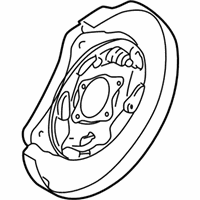
Related Dodge Stratus Parts
 Dodge Stratus ABS Pump And Motor Assembly
 Dodge Stratus ABS Sensor
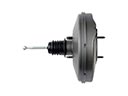 Dodge Stratus Brake Booster
 Dodge Stratus Brake Caliper
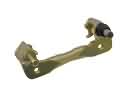 Dodge Stratus Brake Caliper Bracket
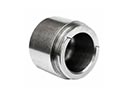 Dodge Stratus Brake Caliper Piston
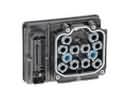 Dodge Stratus Brake Controller
 Dodge Stratus Brake Dust Shields
 Dodge Stratus Brake Line
 Dodge Stratus Brake Proportioning Valve
 Dodge Stratus Brake Rotor
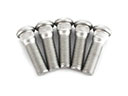 Dodge Stratus Wheel Stud