JeepParts
My Garage
My Account
Cart
OEM Jeep Cherokee Axle Shaft
Car Axle Shaft- Select Vehicle by Model
- Select Vehicle by VIN
Select Vehicle by Model
orMake
Model
Year
Select Vehicle by VIN
For the most accurate results, select vehicle by your VIN (Vehicle Identification Number).
48 Axle Shafts found
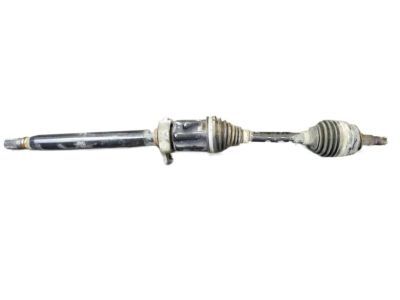
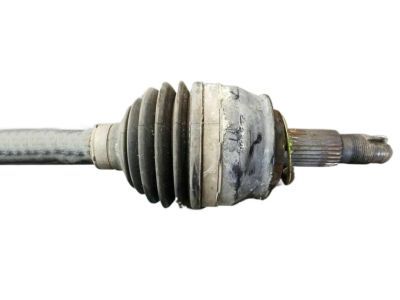
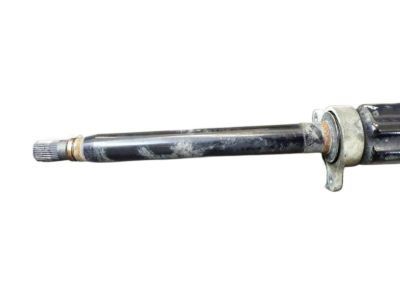
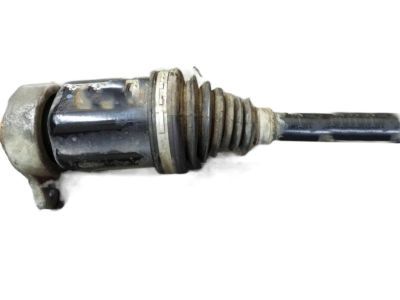
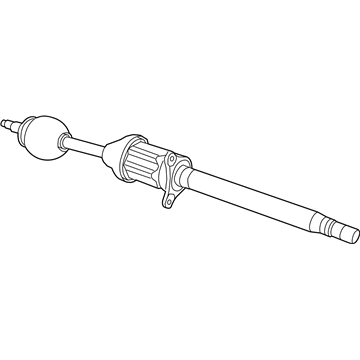
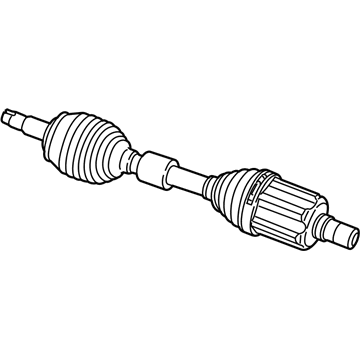
Jeep Cherokee Axle Assembly, Front Passenger Side Part Number: 68292304AA
$514.88 MSRP: $775.00You Save: $260.12 (34%)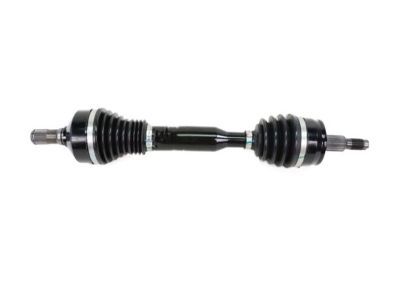
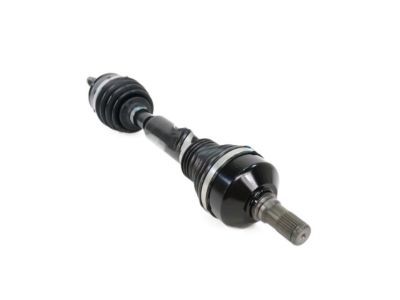
Jeep Cherokee Axle Assembly, Front Part Number: 52123739AF
$850.80 MSRP: $1310.00You Save: $459.20 (36%)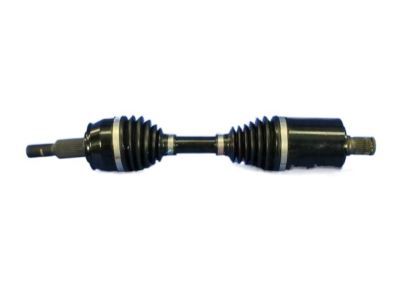
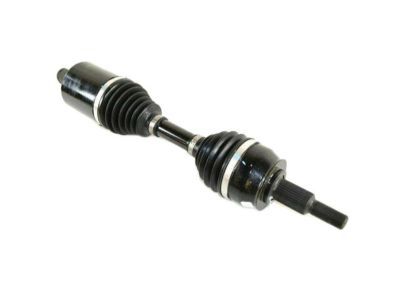
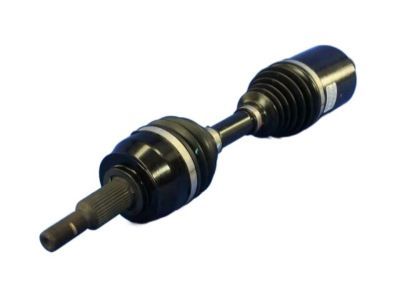
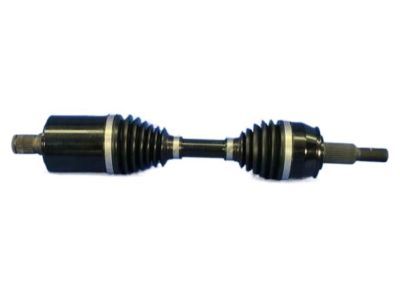
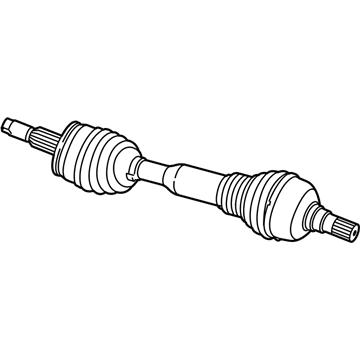
Jeep Cherokee Axle Assembly Part Number: 52123661AE
$668.47 MSRP: $1010.00You Save: $341.53 (34%)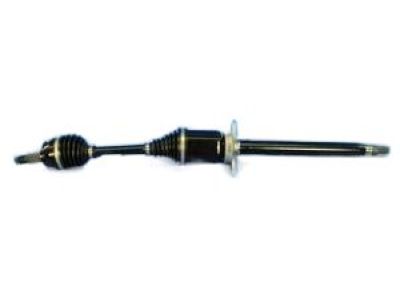
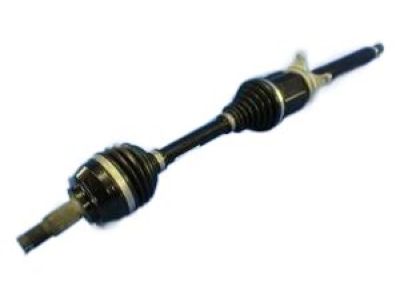
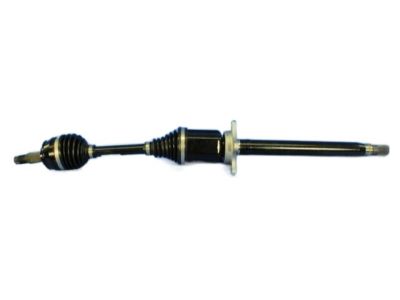
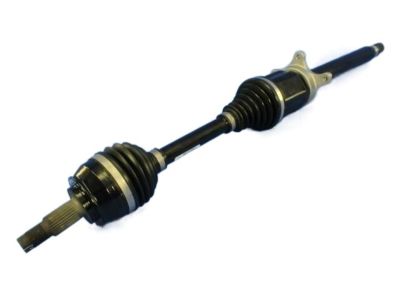
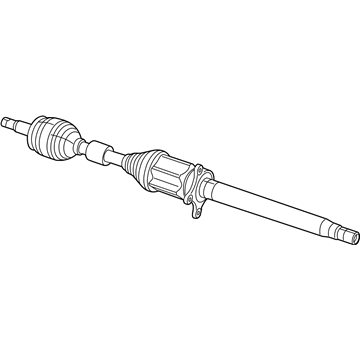

Jeep Cherokee Axle Assembly, Front Passenger Side Part Number: 52123761AH
$815.15 MSRP: $1185.00You Save: $369.85 (32%)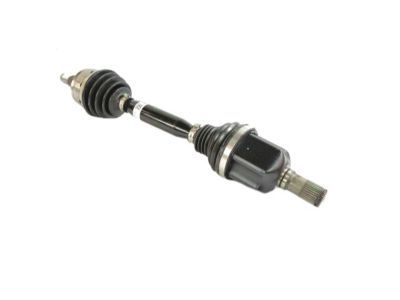
Jeep Cherokee Axle Assembly, Rear Passenger Side Part Number: 68342138AA
$668.47 MSRP: $1010.00You Save: $341.53 (34%)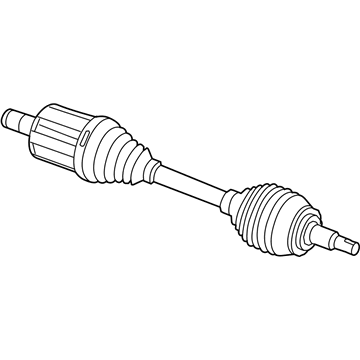
Jeep Cherokee Axle Assembly, Front Driver Side Part Number: 68292303AA
$311.61 MSRP: $470.00You Save: $158.39 (34%)Ships in 1-2 Business DaysJeep Cherokee Axle Assembly Part Number: 68342110AA
$309.35 MSRP: $470.00You Save: $160.65 (35%)Ships in 1-2 Business DaysJeep Cherokee Axle Assembly, Front Driver Side Part Number: 68292307AA
$315.98 MSRP: $481.00You Save: $165.02 (35%)Ships in 1-2 Business DaysJeep Cherokee Axle Assembly Part Number: 52123660AE
$336.97 MSRP: $513.00You Save: $176.03 (35%)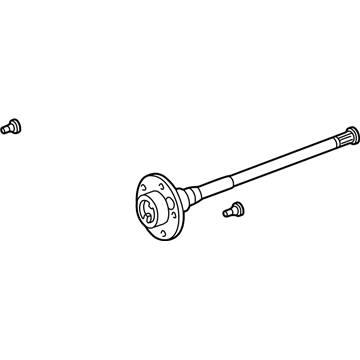
Jeep Cherokee Axle Shaft, Rear Passenger Side Part Number: 4713192
$436.25 MSRP: $638.00You Save: $201.75 (32%)Ships in 1-2 Business Days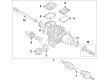
Jeep Cherokee Axle Assembly, Rear Passenger Side Part Number: 68257065AE
$446.37 MSRP: $679.00You Save: $232.63 (35%)Ships in 1-2 Business DaysJeep Cherokee Axle Assembly, Front Passenger Side Part Number: 68291654AD
$546.92 MSRP: $831.00You Save: $284.08 (35%)Ships in 1-2 Business DaysJeep Cherokee Axle Assembly, Front Passenger Side Part Number: 68265870AF
$596.65 MSRP: $904.00You Save: $307.35 (34%)Ships in 1-2 Business DaysJeep Cherokee Axle Assembly, Front Passenger Side Part Number: 52123815AF
$314.87 MSRP: $474.00You Save: $159.13 (34%)Jeep Cherokee Axle Assembly, Rear Driver Side Part Number: 68566997AA
$296.09 MSRP: $445.00You Save: $148.91 (34%)Ships in 1-2 Business Days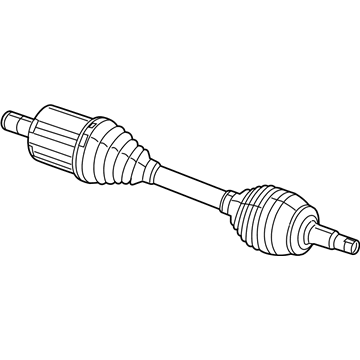
Jeep Cherokee Axle Assembly, Front Driver Side Part Number: 68238842AE
$377.86 MSRP: $567.00You Save: $189.14 (34%)Jeep Cherokee Axle Assembly, Rear Driver Side Part Number: 68342109AA
$205.31 MSRP: $445.36You Save: $240.05 (54%)Ships in 1-2 Business DaysJeep Cherokee Axle Assembly, Rear Driver Side Part Number: 68257064AE
$205.31 MSRP: $445.36You Save: $240.05 (54%)Ships in 1-2 Business Days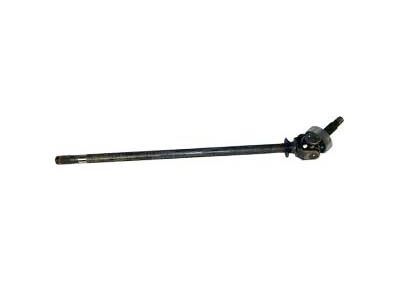
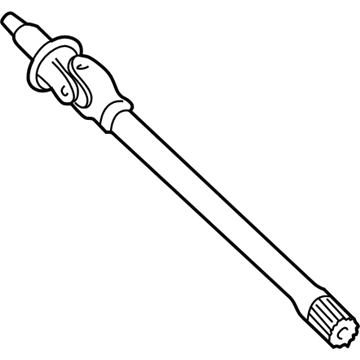
Jeep Cherokee Axle Shafts Part Number: 4874306
Jeep Cherokee Axle Assembly, Rear Passenger Side Part Number: 68566996AA
$289.97 MSRP: $425.00You Save: $135.03 (32%)
| Page 1 of 3 |Next >
1-20 of 48 Results
Jeep Cherokee Axle Shaft
Choose OEM Axle Shaft that meet Jeep factory standards. Jeep designs and tests every component for precision and durability. Each Axle Shaft follows strict manufacturing steps to lock in quality and fit. If your Jeep Cherokee matters to you, OEM parts make the smart choice. You'll get the exact look, feel, and performance you expect. Shop genuine Cherokee parts at the highly competitive prices online. Enjoy a manufacturer's warranty, a hassle-free return policy, and rapid delivery. No more guesswork with off brands. Get genuine parts with exact fit and true factory performance. Shop with confidence today at JeepPartsDeal.com.
Axle Shaft in Jeep Cherokee vehicles helps in transmitting power from the differential to the drive wheels to allow it to rotate in an independent manner in order to generate more grip in case of cornering. Most Jeep Cherokee models use solid axles as well as halfshafts depending with the design and the sort of suspension that is being used in the vehicle. Solid axles are mostly used in older models whereby the differential and axle shafts are enclosed in the live axle suspension while the halfshafts are in the vehicles with independent suspension between the transaxle as well as wheels. A suspension system that Jeep Cherokee has been using for the years is axles and it has used both live and split axles with an aim of improving its performance and handling the weight of the car. These included chrome-molybdenum or carbon steel, decisions which reaffirmed issues to do with durability and functionality. Awareness of the varied dissected types of axles helps in managing the performance and dependability of the Jeep Cherokee in various terrains.
Jeep Cherokee Axle Shaft Parts and Q&A
- Q:How to Maintain and Fix an Axle Shaft on Jeep Cherokee?A:Before working on or repairing the axle shafts, raise the car and put it in Neutral. After the wheel and tire assembly are gone, take out the Brake Drum. Carefully clean any foreign objects on the housing cover, then take off the housing cover and remove the lubricant. Turn the differential case over to expose the pinion mate shaft lock screw, remove the lock screw and the pinion mate shaft from the differential case. Slide the axle shaft back inside to take out the C-lock of axle shaft B and gently remove the axle as not to damage the shaft bearings or the seal. Check the axle shaft seal for breaks or holes and look for brinelling, galling and pitting on the axle shaft bearing contact surface. Apply gear lubricant to the bearing bore and the seal lip before inserting the axle shaft through the seal. As you do this, mesh the ends of the shaft with the gear splines and make sure the shaft's splines will not damage the seal lip. Attach the C-lock onto the end of the axle shaft and push it completely into the side gear. After that, line up the hole in the shaft with the hole in the differential case and insert the pinion shaft through the differential case and the thrust washers. Apply Loctite to the threads and only tighten the lock screw to 11 Nm (8 ft. lbs.) Next, install the cover and add the necessary lubricant, put the brake drum back in, reassemble the wheel and tire, lower the vehicle without the support and now your car is done.
- Q:How to Service and Repair an Axle Shaft on a 194 RBI Axle on Jeep Cherokee?A:The process involves lifting the vehicle, ensuring it is in neutral before you start on the axle. First, detach the wheel and tire assembly and afterwards, remove the Brake Drum the right way. Clean off anything extra on the housing cover, relax the bolts on its bottom, drain the oil from the housing and shaft tubes and take out the cover afterward. Turn the differential over to reach the pinion mate gear shaft lock screw, take out the screw and remove the pinion mate gear shaft from inside the differential case. Insert the round end of a pry tool into the inner side of the axle shaft, turn the shaft inward to remove the axle shaft C-clip lock and slowly remove the axle shaft, so you do not damage the parts or sensors staying inside the axle shaft tube or attached to the shaft. If the axle shaft seal shows damage or is leaking and signs of brinelling, galling or pitting can be seen on the bearings, you should replace the axle shaft, bearing and seal. For installation, give the bearing bore and seal lip a coat of gear oil, insert the axle inside, hook the side gear onto the axle and be careful not to dent the seal's lip or the wheel speed sensor when fitting everything together. Attach the C-clip lock at the end of the axle shaft and work it so that it seats itself in the side gear. Following that, thread the pinion mate shaft into the differential case through the thrust washers and pinion gears, make sure the hole in the shaft is with the one on the case and tighten the lock screw on the threads using Loctite to 19 Nm (14 ft. lbs.) of torque. Afterwards, put the cover on, add fluid, replace the brake drum, the wheel and tire and then lower the vehicle.
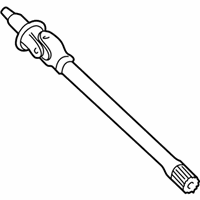
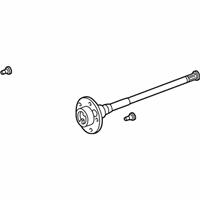
Related Jeep Cherokee Parts
 Jeep Cherokee Drive Shaft
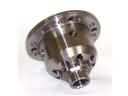 Jeep Cherokee Differential
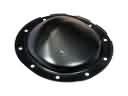 Jeep Cherokee Differential Cover
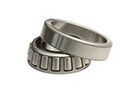 Jeep Cherokee Pinion Bearing
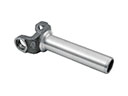 Jeep Cherokee Slip Yoke
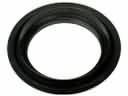 Jeep Cherokee Automatic Transmission Seal
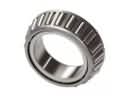 Jeep Cherokee Differential Bearing
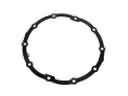 Jeep Cherokee Differential Cover Gasket
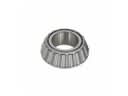 Jeep Cherokee Differential Pinion Bearing
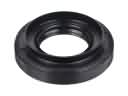 Jeep Cherokee Differential Seal
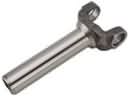 Jeep Cherokee Driveshaft Yokes
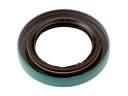 Jeep Cherokee Transfer Case Seal
Browse Jeep Cherokee Axle Shaft by Years
2023
2022
2021
2020
2019
2018
2017
2016
2015
2014
2001
2000
1999
1998
1997
1996
1995
1994
1993
1992
1991
1990
1989
1988
1987
1986
1985
1984