JeepParts
My Garage
My Account
Cart
OEM Jeep Commander Radiator
Cooling Radiator- Select Vehicle by Model
- Select Vehicle by VIN
Select Vehicle by Model
orMake
Model
Year
Select Vehicle by VIN
For the most accurate results, select vehicle by your VIN (Vehicle Identification Number).
2 Radiators found
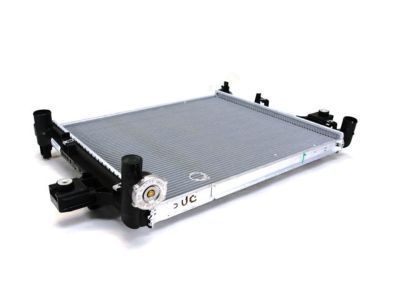
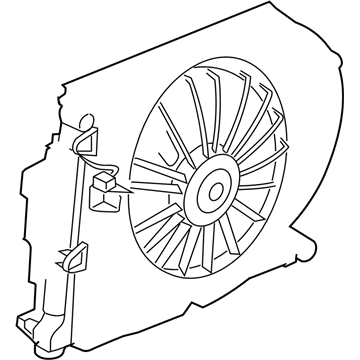
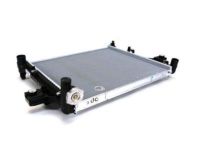
Jeep Commander Radiator Part Number: 55116849AC
$492.83 MSRP: $744.00You Save: $251.17 (34%)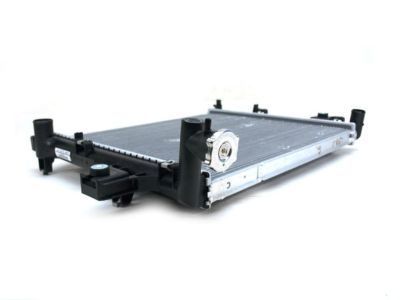
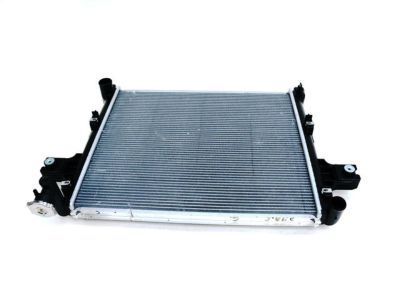
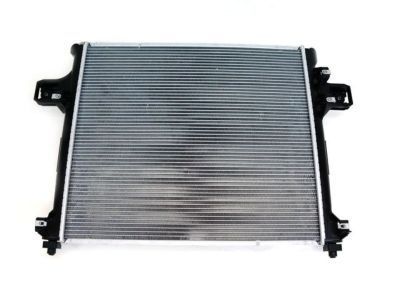
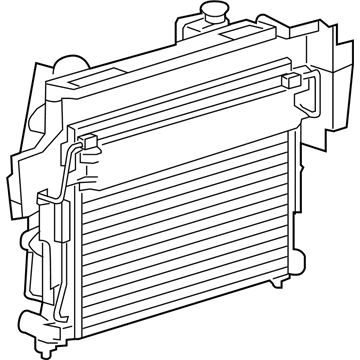
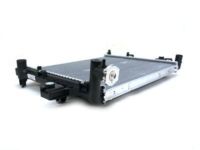
Jeep Commander Radiator Part Number: 55116842AB
$297.98 MSRP: $438.00You Save: $140.02 (32%)
Jeep Commander Radiator
Choose OEM Radiator that meet Jeep factory standards. Jeep designs and tests every component for precision and durability. Each Radiator follows strict manufacturing steps to lock in quality and fit. If your Jeep Commander matters to you, OEM parts make the smart choice. You'll get the exact look, feel, and performance you expect. Shop genuine Commander parts at the highly competitive prices online. Enjoy a manufacturer's warranty, a hassle-free return policy, and rapid delivery. No more guesswork with off brands. Get genuine parts with exact fit and true factory performance. Shop with confidence today at JeepPartsDeal.com.
Radiator is one of the many quality parts of Jeep Commander cars designed for efficient cooling systems. As an automobile part radiator is designed in such a way that it cools engine coolant while preserving proper temperature level by using a heat exchanger. Often Commanders come with the aluminum radiators with either plastic or aluminum tanks, although it is possible to find the ones made of copper/brass. The performance radiators are light aluminium constructions and elaborate designs boosting the coolant flow and the heat exchange; thus, they are suitable for normal traffic and rough terrain. Saleability is another strength since the Radiator can be used in different models such as the XK as well as the 2022 Meridian where all Jeep Commander owners can be able to experience the cooler Radiators. This radiator not only improves the performance of the vehicle but also has a great duty of contributing to safety by avoiding a condition of over-heating the engine. Other qualities that set Radiator apart in the automotive market are large cores as well as included electric fans, thus increasing the level of cooling. Hence, with its excellent performance, Radiator only reflects the Jeep capability of providing quality products and innovation as essential sources to the Jeep Commander automobiles. Whether you are driving your Jeep Commander in the city or off-road, Radiator will allow your Jeep to perform at its optimal, thus supporting the reputation of Jeep SUVs as robust and reliable vehicles.
Jeep Commander Radiator Parts and Q&A
- Q:How to Remove and Replace a Radiator on Gas Engines on Jeep Commander?A:Before changing the radiator on a gas engine, always disconnect the negative Battery Cable first. Drain off the coolant into a clean container so you can use it again. Note the place of each rubber air seal around the radiator and must be replaced where they were. Doing this will help the vehicle not to overheat. Remove the front Grille and the two bolts that hold the radiator to the front, then break the connections at each end of both transmission cooler lines coming from the radiator. Then, take the electrical connector out of the fan control solenoid, unbolt the power steering cooler line from the cooler and filter, together with the upper, lower radiator hoses and overflow hose. Take out the duct leading into the engine through the front grille. The radiator tank at the bottom includes two dowel pins and these fit into rubber grommets pressed into the radiator lower crossmember underneath. Keep in mind that the air conditioning system is always pressurized, even when the engine is off and deal with air conditioning parts carefully. You can remove the radiator and the radiator cooling fan as a set without first taking out the cooling fan. After that, detach the two fluid lines from the hydraulic fan drive at both high-pressure and low-pressure ends, gently lift the radiator from its place in the car without touching the radiator fins against anything or the air conditioning condenser if installed and set it aside safely.
- Q:How to Properly Install a Radiator to Prevent Overheating on Jeep Commander?A:Connect the radiator-to-body and radiator-to-A/C Condenser rubber air seals properly to where they should be before installing anything, since they prevent the engine, radiator and condenser from overheating. For cars with air conditioning, carefully put the radiator and fan shroud into the vehicle below the radiator and thread the two alignment dowels from each rubber air seal hole through the A/C support brackets and into the rubber grommets in the lower radiator crossmember. The holes in the L-shaped brackets on the condenser bottom must be placed between the rubber air seals on the bottom and the rubber grommets on the top. Install the radiator's upper and lower hoses and tighten them with the hose clamps, so the clips are straight down. On the radiator site, add the coolant reserve/overflow tank hose, connect the transmission cooler lines and add the two radiator bolts. Put the air inlet duct on the Grille and attach the electric cable from the hydraulic fan control solenoid. Place the grille, attach the high-pressure lines to the hydraulic fan drive and then tighten the 1/2 in. pressure line fitting to 37.2 lb. ft. (49 Nm) and the 3/8 in. pressure line fitting to 20.6 lb. ft. (29 Nm). Setup the low-pressure hose by joining it to the hydraulic fan drive, fitting in the spring clamp and join the power steering filter hoses to the filter, installing replacement clamps. Move the fan blades by hand to discover whether the shroud is hindering the movement. Fill your cooling system, pour more power steering fluid in when necessary and remove any trapped air in the lines. After that, link the negative Battery Cable to the car battery, turn on the engine, heat it up and look for leaks.
Related Jeep Commander Parts
 Jeep Commander Water Pump
 Jeep Commander Radiator Cap
 Jeep Commander Radiator Hose
 Jeep Commander Serpentine Belt
 Jeep Commander Thermostat
 Jeep Commander Drive Belt
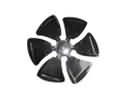 Jeep Commander Fan Blade
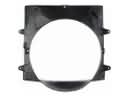 Jeep Commander Fan Shroud
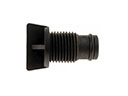 Jeep Commander Radiator Drain Plug
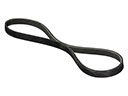 Jeep Commander V-Belt
 Jeep Commander Water Hose
 Jeep Commander Water Pump Gasket