JeepParts
My Garage
My Account
Cart
OEM Jeep Exhaust Manifold Gasket
Manifold Gasket- Select Vehicle by Model
- Select Vehicle by VIN
Select Vehicle by Model
orMake
Model
Year
Select Vehicle by VIN
For the most accurate results, select vehicle by your VIN (Vehicle Identification Number).
35 Exhaust Manifold Gaskets found
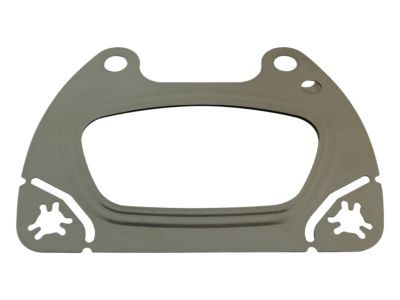
Jeep Manifold Gasket, Front Part Number: 68093232AA
$17.03 MSRP: $25.00You Save: $7.97 (32%)Ships in 1-2 Business DaysProduct Specifications- Other Name: Gasket - Exhaust Flange To Cylinder; CatalyticConv: FF, RF, Front; Xover, Manifold, Flange, SealRing; Flange Gasket; Converter & Pipe Gasket; Exhaust Flange to Cylinder Head Gasket.
- Position: Front
- Replaces: 5184214AE, 5184214AD
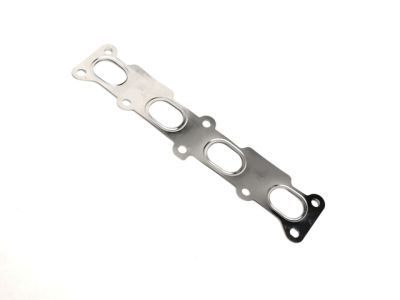
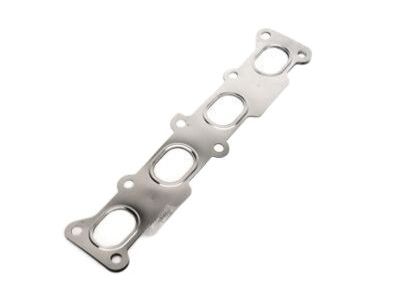
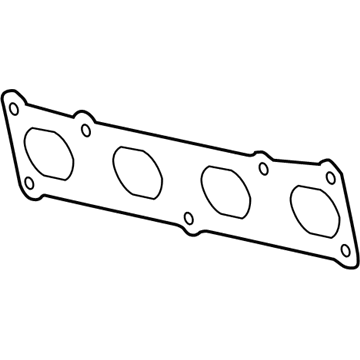
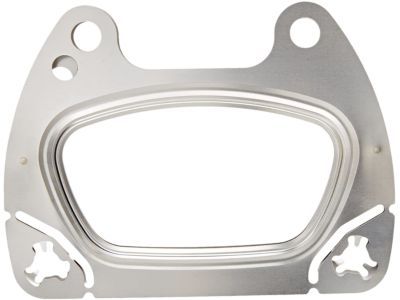
Jeep Exhaust Manifold Gasket Part Number: 5047499AA
$4.06 MSRP: $5.85You Save: $1.79 (31%)Ships in 1-2 Business DaysProduct Specifications- Other Name: Gasket - Exhaust Manifold; Manifold Gasket; Manifold W/Converter Gasket; Gasket Exhaust Manifold
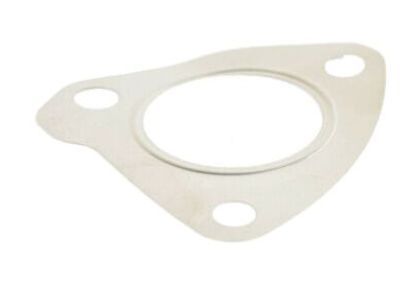
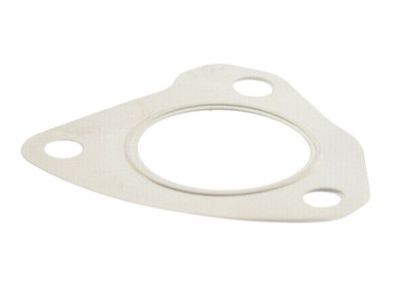
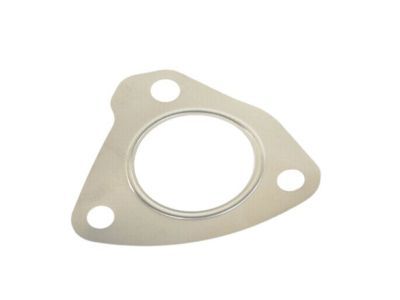

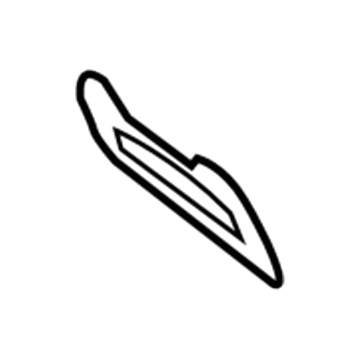
Jeep Manifold Seal Part Number: 68148176AA
$5.74 MSRP: $8.45You Save: $2.71 (33%)Ships in 1-3 Business DaysProduct Specifications- Other Name: Gasket - Exhaust Manifold To Turbo; Exhaust Pipe Seal; Exhaust Manifold Seal; Gasket; Gasket Exhaust Manifold To Turbo
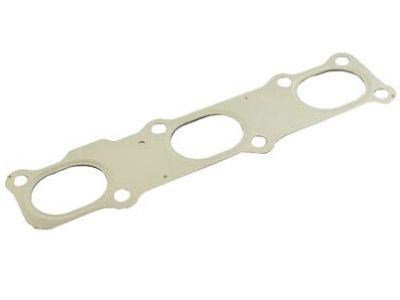
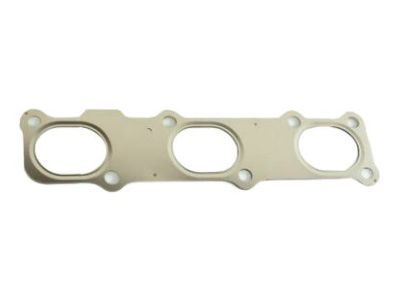
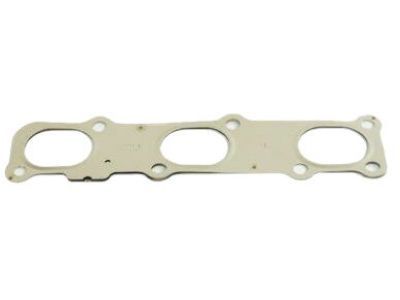

Jeep Exhaust Manifold Gasket Part Number: 68148177AA
$14.47 MSRP: $21.40You Save: $6.93 (33%)Ships in 1-3 Business DaysProduct Specifications- Other Name: Gasket - Exhaust Manifold; Manifold Gasket; Gasket Exhaust Manifold Right And Left Side; Gasket Exhaust Manifold
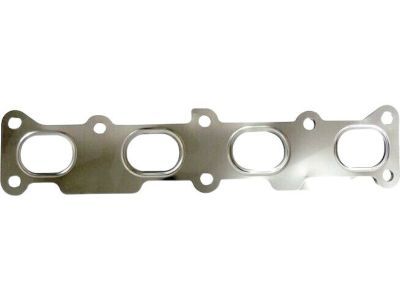
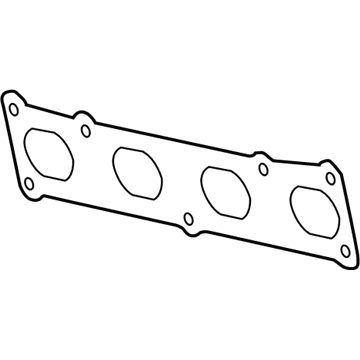
Jeep Exhaust Manifold Gasket Part Number: 68246551AA
$17.31 MSRP: $25.50You Save: $8.19 (33%)Ships in 1-2 Business DaysProduct Specifications- Other Name: Gasket - Exhaust Manifold; Manifold Gasket; Gasket Exhaust Manifold
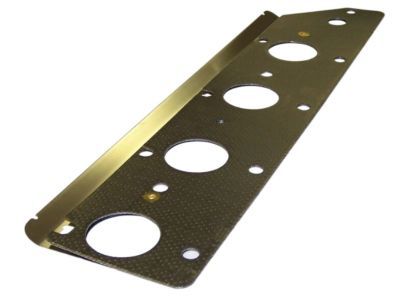
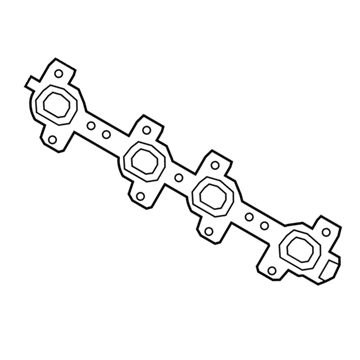
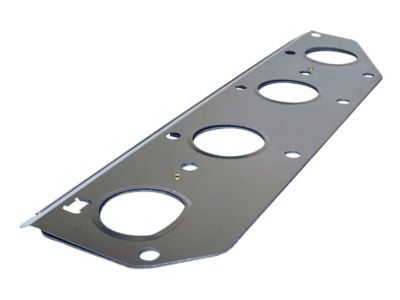
Jeep Exhaust Manifold Gasket, Passenger Side Part Number: 53032833AH
$27.69 MSRP: $40.90You Save: $13.21 (33%)Ships in 1-2 Business DaysProduct Specifications- Other Name: Gasket - Exhaust Manifold; Exhaust Manifold Gasket, Left, Right; Manifold Gasket; Gasket; Gasket Exhaust Manifold
- Position: Passenger Side
- Replaces: 53032833AG
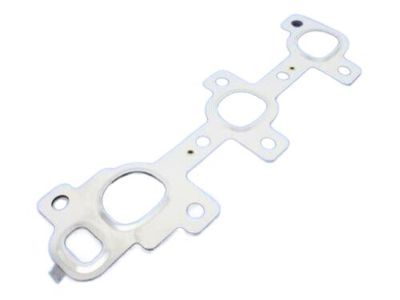
Jeep Exhaust Manifold Gasket, Driver Side Part Number: 53032832AH
$27.69 MSRP: $40.90You Save: $13.21 (33%)Ships in 1-2 Business DaysProduct Specifications- Other Name: Gasket - Exhaust Manifold; Exhaust Manifold Gasket, Left, Right; Manifold Gasket; Gasket; Gasket Exhaust Manifold
- Position: Driver Side
- Replaces: 53032832AG
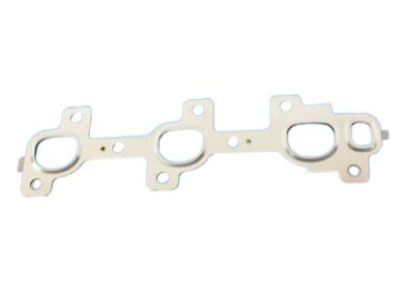
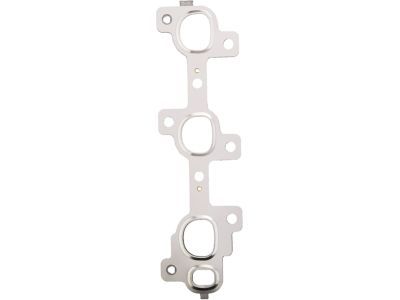
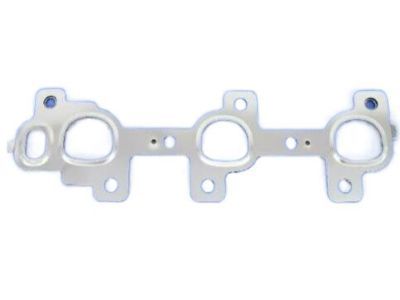
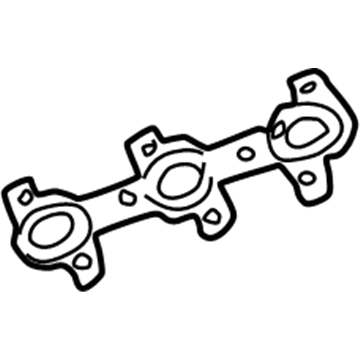
Jeep Exhaust Manifold Gasket, Passenger Side Part Number: 53013933AB
$27.69 MSRP: $40.90You Save: $13.21 (33%)Ships in 1-3 Business DaysProduct Specifications- Other Name: Gasket - Exhaust Manifold; Exhaust Manifold Gasket, Left, Right; Manifold Gasket; Gasket; Gasket Exhaust Manifold
- Position: Passenger Side
- Replaces: 53013933AA, 53031091
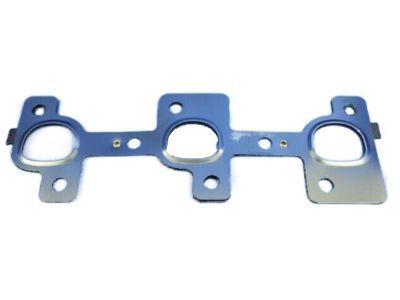
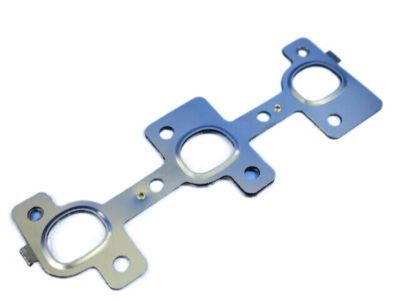
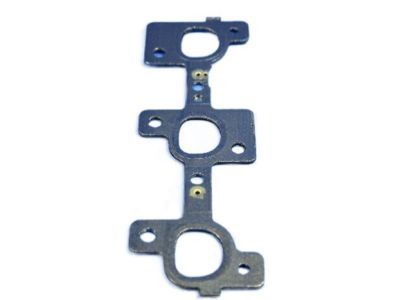
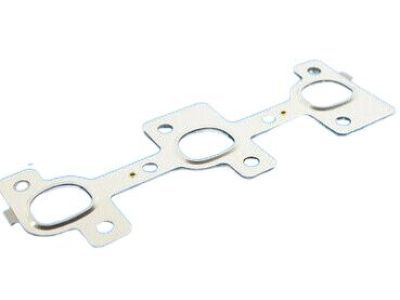
Jeep Exhaust Manifold Gasket, Driver Side Part Number: 53013932AB
$27.69 MSRP: $40.90You Save: $13.21 (33%)Ships in 1-2 Business DaysProduct Specifications- Other Name: Gasket - Exhaust Manifold; Exhaust Manifold Gasket, Left, Right; Manifold Gasket; Gasket; Gasket Exhaust Manifold
- Position: Driver Side
- Replaces: 53013932AA, 53031090
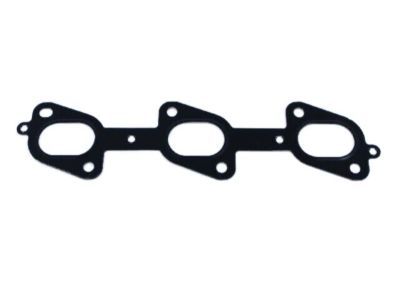
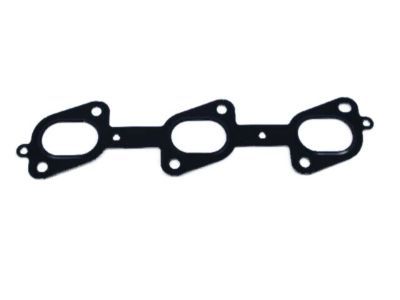
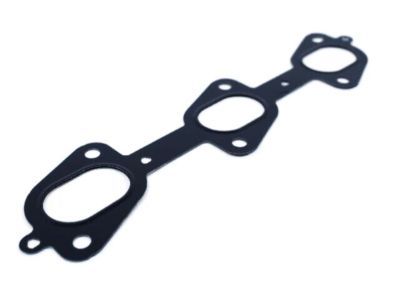
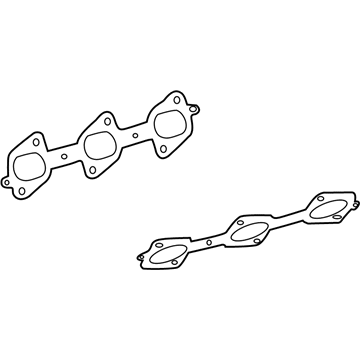
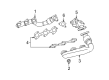
Jeep Exhaust Manifold Gasket Part Number: 5175748AA
$27.13 MSRP: $40.05You Save: $12.92 (33%)Ships in 1-2 Business DaysProduct Specifications- Other Name: Gasket - Exhaust Manifold; Manifold Gasket; Exhaust Manifold Lower Seal; Gasket Exhaust Manifold
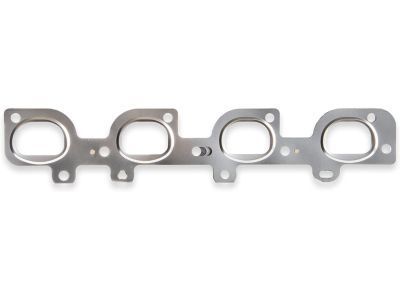
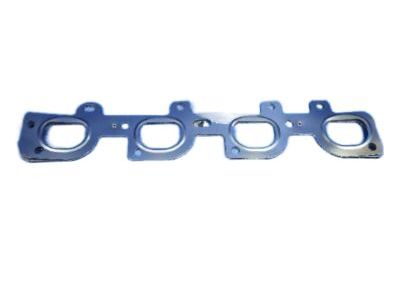
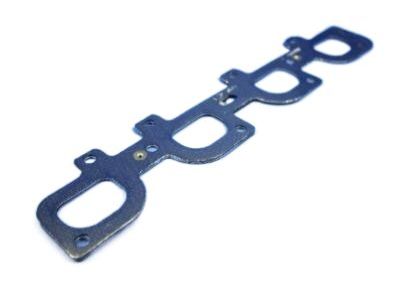
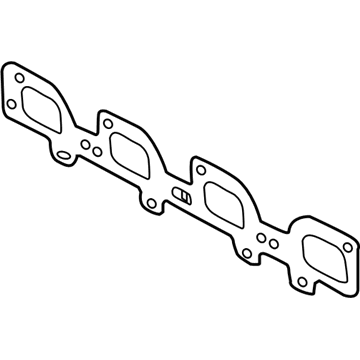
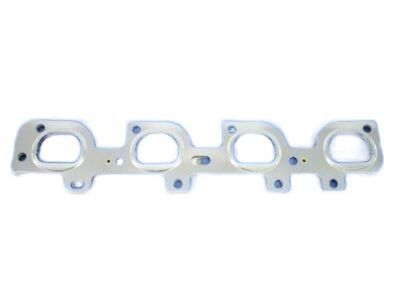
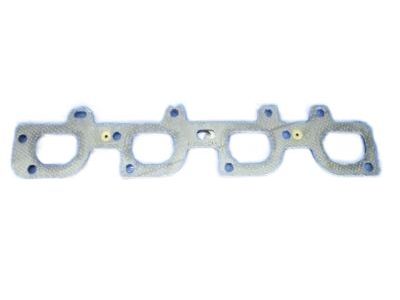
Jeep Exhaust Manifold Gasket, Driver Side Part Number: 5038099AA
$28.26 MSRP: $41.70You Save: $13.44 (33%)Ships in 1-2 Business DaysProduct Specifications- Other Name: Gasket - Exhaust Manifold; Exhaust Manifold Gasket, Left; Manifold Gasket; Gasket Exhaust Manifold
- Position: Driver Side
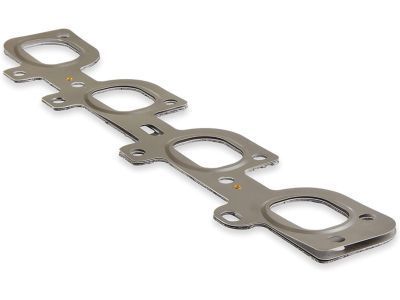
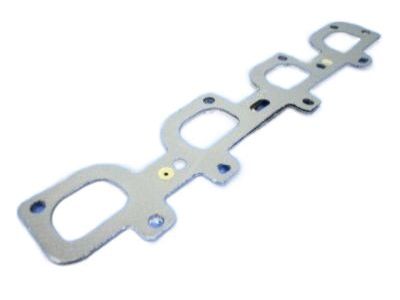
Jeep Exhaust Manifold Gasket, Passenger Side Part Number: 5038098AA
$28.26 MSRP: $41.70You Save: $13.44 (33%)Ships in 1-2 Business DaysProduct Specifications- Other Name: Gasket - Exhaust Manifold; Exhaust Manifold Gasket, Right; Manifold Gasket; Gasket Exhaust Manifold
- Position: Passenger Side
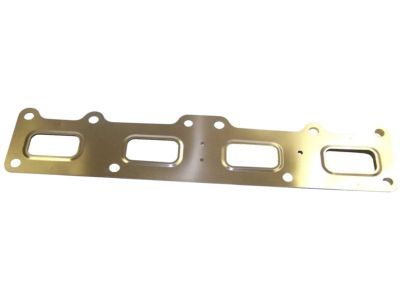
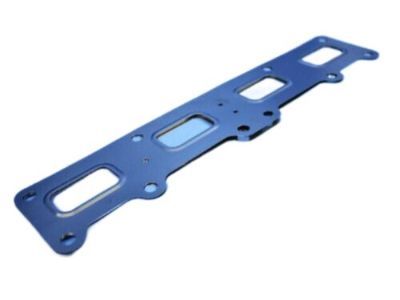
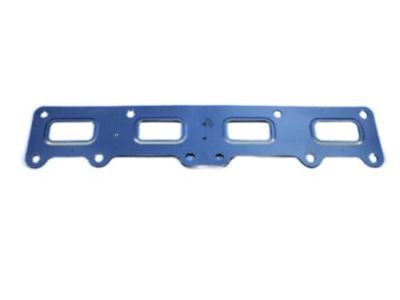
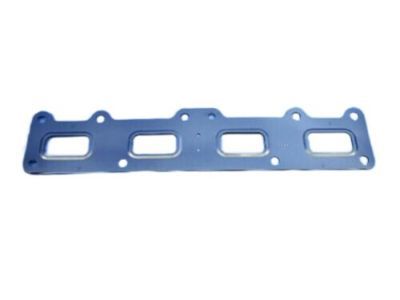
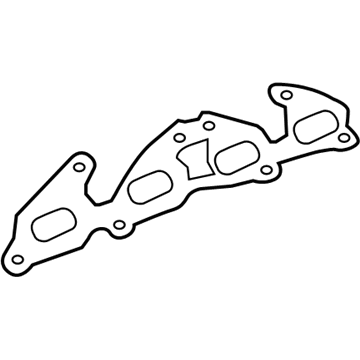
Jeep Exhaust Manifold Gasket Part Number: 4781255AA
$19.10 MSRP: $28.08You Save: $8.98 (32%)Ships in 1-2 Business DaysProduct Specifications- Other Name: Gasket - Exhaust Manifold; Manifold Gasket; Gasket Exhaust Manifold
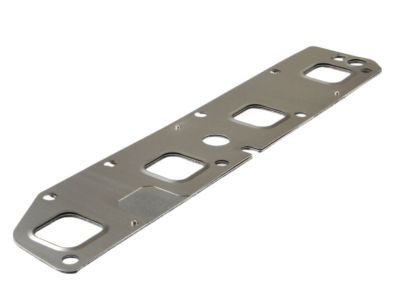
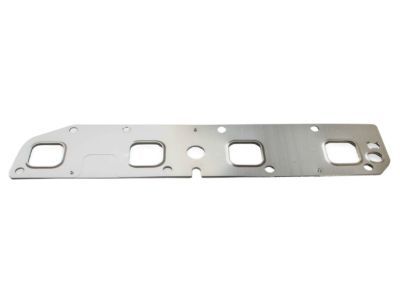
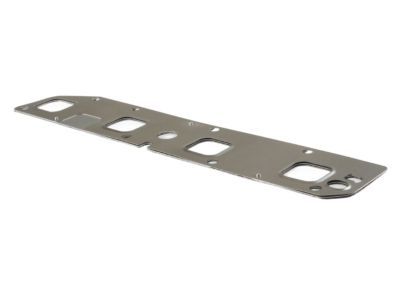
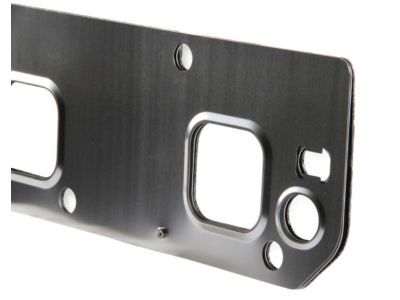
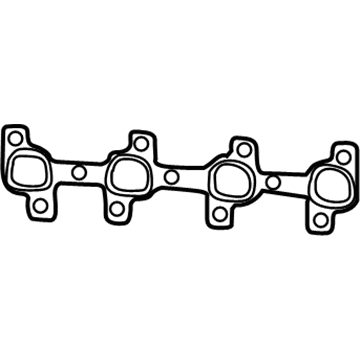
Jeep Exhaust Manifold Gasket, Driver Side Part Number: 53013943AA
$30.30 MSRP: $43.35You Save: $13.05 (31%)Ships in 1-2 Business DaysProduct Specifications- Other Name: Gasket - Exhaust Manifold; Exhaust Manifold Gasket, Left; Intake Manifold Gasket; Manifold Gasket; Gasket; Gasket Exhaust Manifold
- Position: Driver Side
- Replaces: 53032097AD
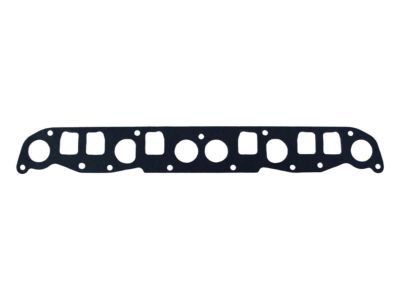
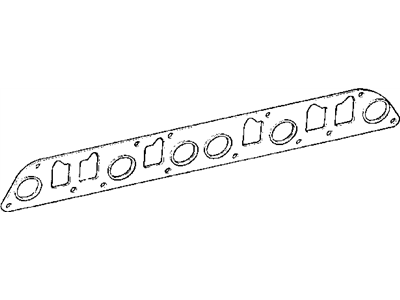
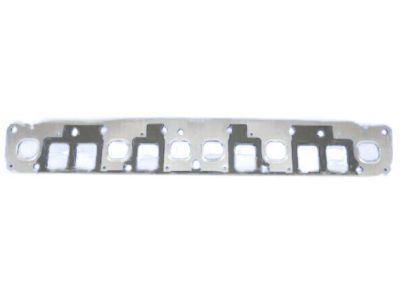
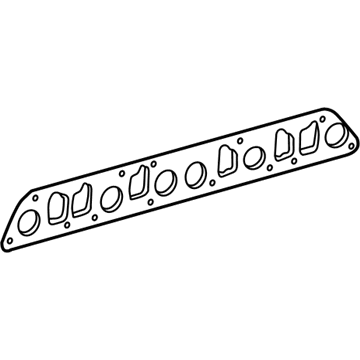
Jeep Manifold Gasket Part Number: 53010238
$35.74 MSRP: $52.58You Save: $16.84 (33%)Ships in 1-2 Business DaysProduct Specifications- Other Name: Gasket - Intake/Exhaust Manifold; Exhaust Manifold Gasket; Intake Manifold Gasket; Gasket; Gasket Intake/Exhaust Manifold; Gasket, Intake And Exhaust
- Replaces: 53010251
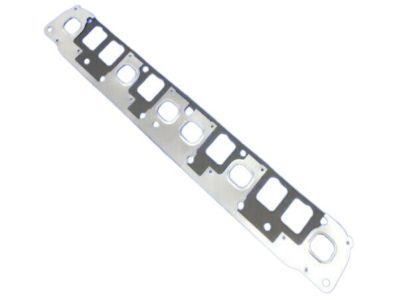
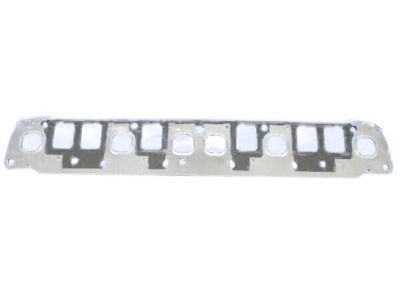
Jeep Manifold Gasket Part Number: 4854038
$34.88 MSRP: $51.35You Save: $16.47 (33%)Ships in 1-2 Business DaysProduct Specifications- Other Name: Gasket - Intake/Exhaust Manifold; Combination Gasket for both manifolds.; Gasket; Gasket Intake/Exhaust Manifold
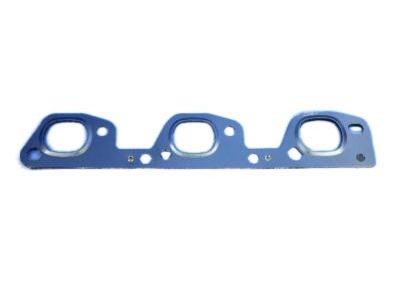
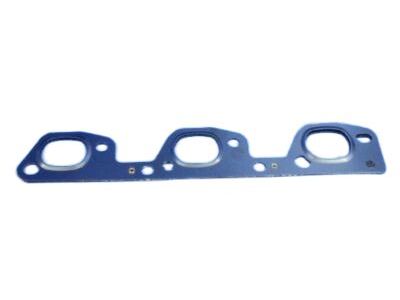
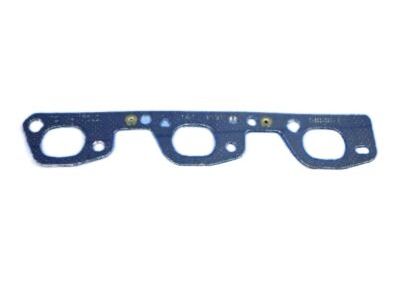
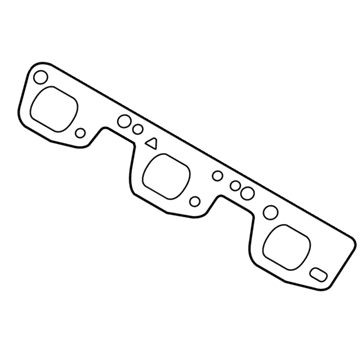
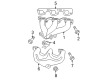
Jeep Exhaust Manifold Gasket Part Number: 4892409AA
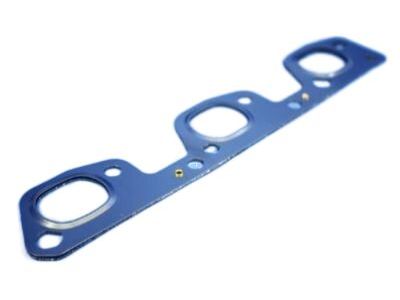
$12.76 MSRP: $18.35You Save: $5.59 (31%)Ships in 1-3 Business DaysProduct Specifications- Other Name: Gasket - Exhaust Manifold; Manifold Gasket; Gasket Exhaust Manifold
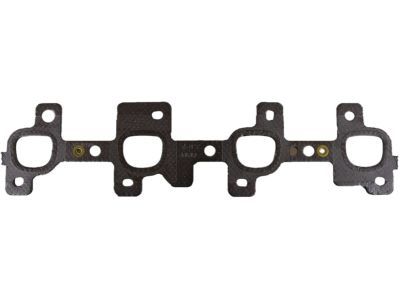
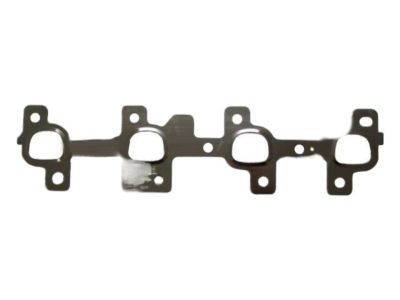

Jeep Exhaust Manifold Gasket, Passenger Side Part Number: 53034030AC
$24.97 MSRP: $36.70You Save: $11.73 (32%)Ships in 1-2 Business DaysProduct Specifications- Other Name: Gasket - Exhaust Manifold; Exhaust Manifold Gasket, Right; Manifold Gasket; Gasket; Gasket Exhaust Manifold
- Position: Passenger Side
- Replaces: 53030812
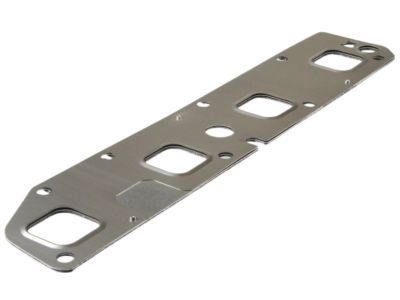
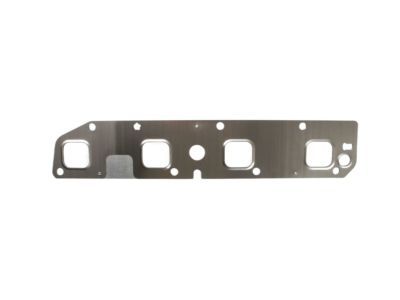
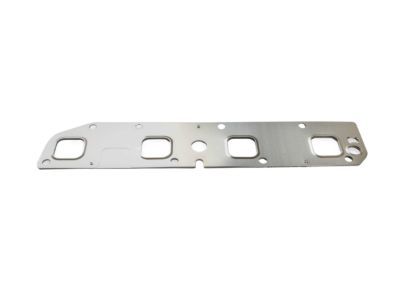
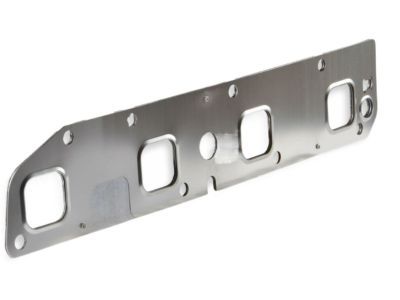
Jeep Exhaust Manifold Gasket, Passenger Side Part Number: 53013944AA
$24.97 MSRP: $36.70You Save: $11.73 (32%)Ships in 1-2 Business DaysProduct Specifications- Other Name: Gasket - Exhaust Manifold; Exhaust Manifold Gasket, Right; Intake Manifold Gasket; Manifold Gasket; Gasket; Gasket Exhaust Manifold
- Position: Passenger Side
- Replaces: 53032098AD
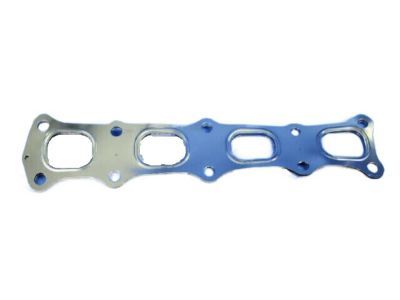
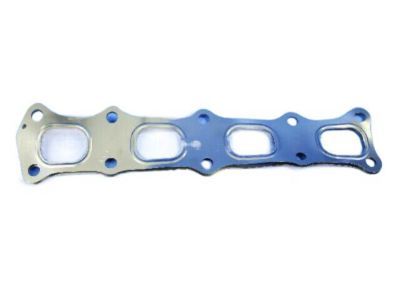
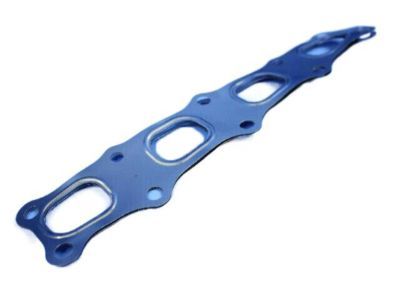
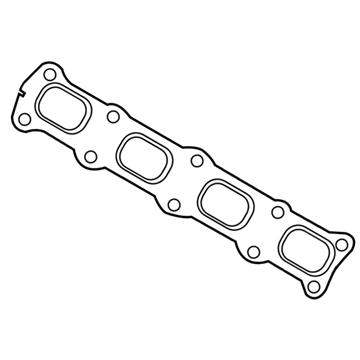
Jeep Exhaust Manifold Gasket Part Number: 1555A185
$18.84 MSRP: $27.70You Save: $8.86 (32%)Ships in 1-3 Business DaysProduct Specifications- Other Name: Gasket - Exhaust Manifold; Manifold Gasket; Gasket Exhaust Manifold
| Page 1 of 2 |Next >
1-20 of 35 Results
Jeep Exhaust Manifold Gasket
OEM parts sourced directly from Jeep deliver superior quality, long lasting strength, and a precise fit you can trust. Each item goes through strict quality checks to ensure safety, toughness, and performance that matches your factory equipment. At JeepPartsDeal online shop, you'll get top-quality, budget-friendly OEM Jeep Exhaust Manifold Gasket for your vehicle. We focus on giving you a high standard without pushing up the price. Our full selection of genuine factory products comes backed by the original manufacturer's warranty. You'll love our fast delivery, seamless shopping experience, and convenient return policy, saving you all the hassle.
Jeep Exhaust Manifold Gasket ensures that the exhaust gases are not emissions out of the engine but remain sealed in the engine, protecting engine power and eliminating leaks. Jeep cars glisten with trail capabilities, elevated ground clearance, and the intelligent Selec-Terrain system which allows drivers to select snow, sand or mud. Every Jeep adventure is both adventurous and easy with open-air freedom, a small community, and technologies such as voice control and over-the-air updates. It could be a rock-crawling trip or cruising through the city, a Jeep has a steady traction and a strong frame that can be explored. Exhaust Manifold Gasket is a small and heat resistant shield that fits between the cylinder head and the manifold which prevents fumes, maintains backpressure, dampens noise, and protects surrounding components against severe heat. The first thing is to unhook the battery and allow the engine to cool when it is time to replace a Jeep Exhaust Manifold Gasket. Fit heat shields next, loosen so that the manifold bolts loosened in a cross pattern so that the stress is evenly distributed. Lift the manifold, scrape off old stuff, and wipe both sides till it is shiny with clean metal. Install the new Exhaust Manifold Gasket on the studs, drop the manifold, and start all the bolts manually to prevent cross-threading. Install connections and shields, then turn them in the same crisscross sequence in the required amount of torque slowly. Lastly, switch the engine on and give the engine a listen to check whether it is hissing or not, which would be an indicator of a leak.
Related Jeep Parts
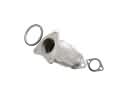 Jeep Catalytic Converter
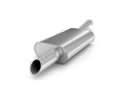 Jeep Muffler
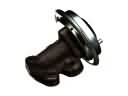 Jeep EGR Valve
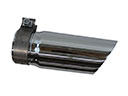 Jeep Exhaust Tip
 Jeep EGR Tube Gaskets
 Jeep EGR Vacuum Solenoid
 Jeep EGR Valve Gasket
 Jeep Exhaust Clamp
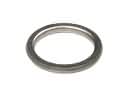 Jeep Exhaust Flange Gasket
 Jeep Exhaust Resonator
 Jeep Muffler Strap
 Jeep PCV Valve Hose