JeepParts
My Garage
My Account
Cart
OEM Jeep Grand Cherokee Radiator
Cooling Radiator- Select Vehicle by Model
- Select Vehicle by VIN
Select Vehicle by Model
orMake
Model
Year
Select Vehicle by VIN
For the most accurate results, select vehicle by your VIN (Vehicle Identification Number).
24 Radiators found
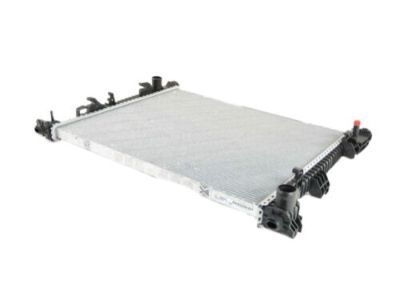
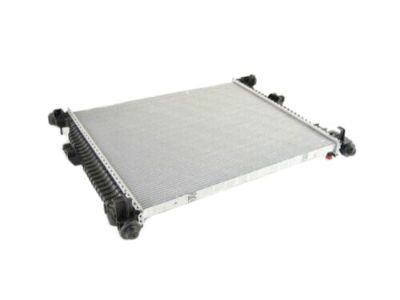
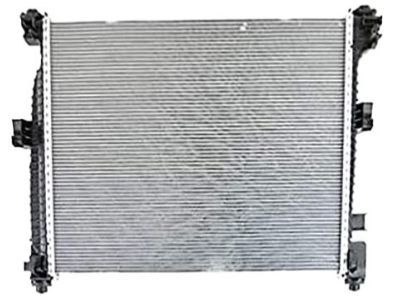
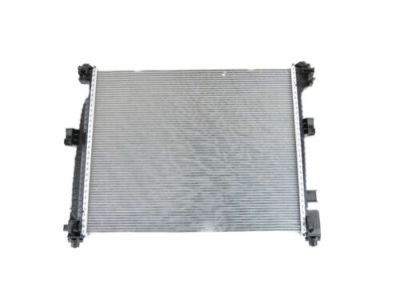
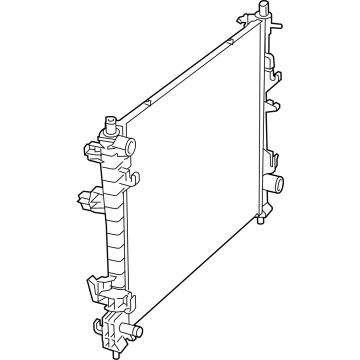
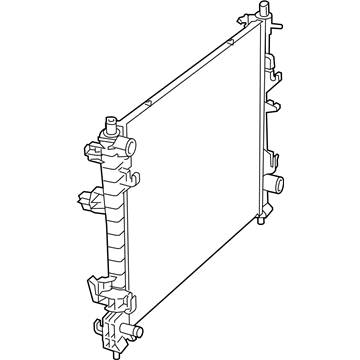
Jeep Grand Cherokee Radiator Part Number: 68273308AA
$541.45 MSRP: $819.00You Save: $277.55 (34%)Ships in 1-2 Business Days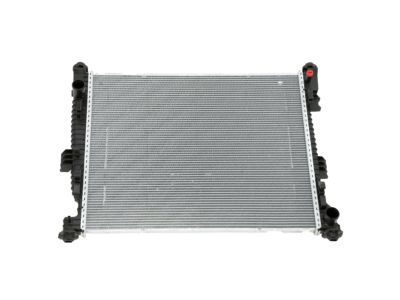
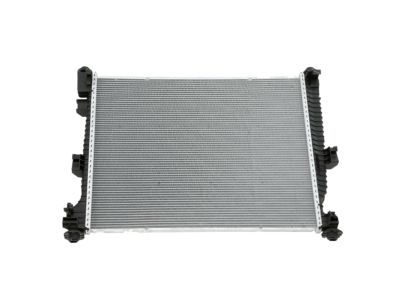
Jeep Grand Cherokee Radiator Part Number: 68244867AA
$331.50 MSRP: $502.00You Save: $170.50 (34%)Ships in 1-2 Business Days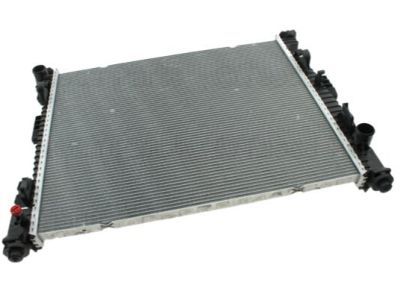
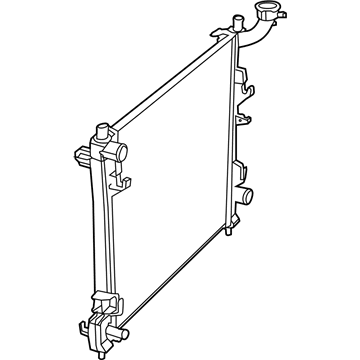
Jeep Grand Cherokee Radiator Part Number: 55038002AI
$332.61 MSRP: $502.00You Save: $169.39 (34%)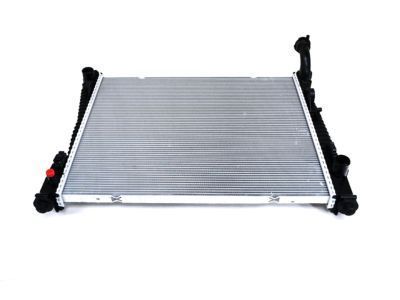
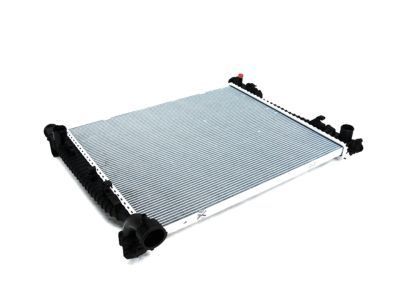
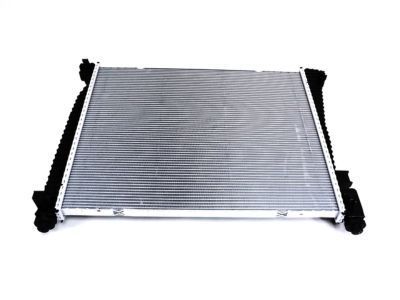
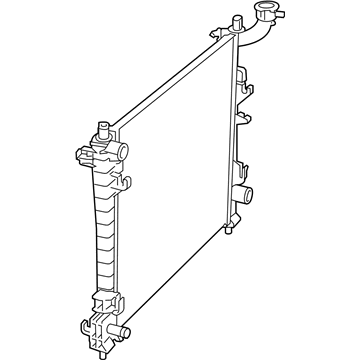
Jeep Grand Cherokee Radiator Part Number: 55038001AH
$558.03 MSRP: $845.00You Save: $286.97 (34%)Ships in 1-2 Business Days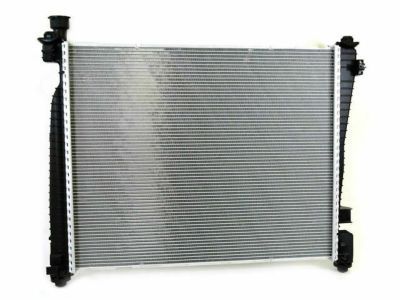
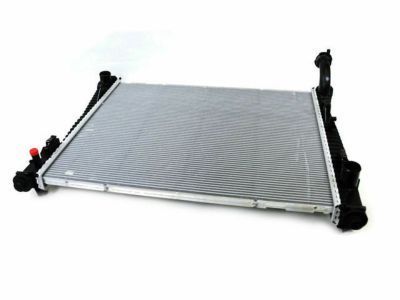
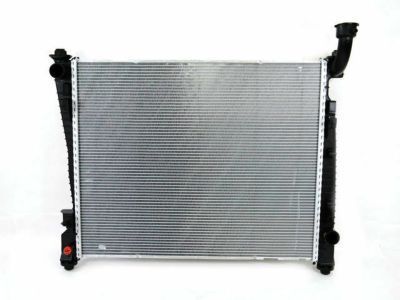
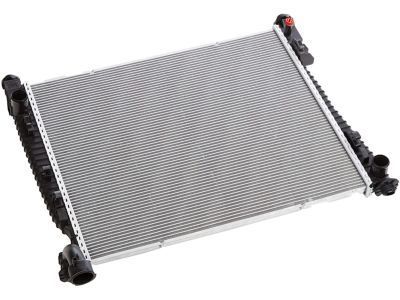
Jeep Grand Cherokee Radiator Part Number: 52014529AB
$423.22 MSRP: $641.00You Save: $217.78 (34%)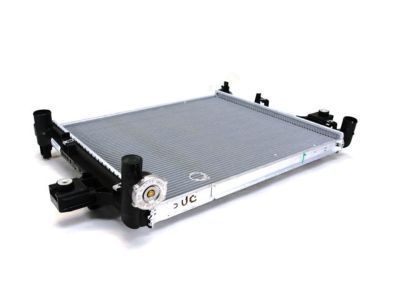
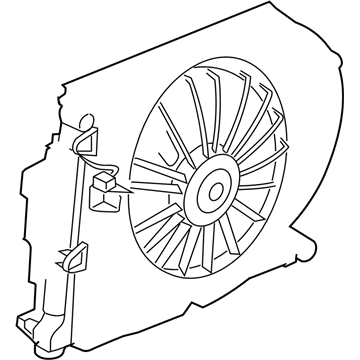
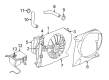
Jeep Grand Cherokee Radiator Part Number: 55116849AC
$492.83 MSRP: $744.00You Save: $251.17 (34%)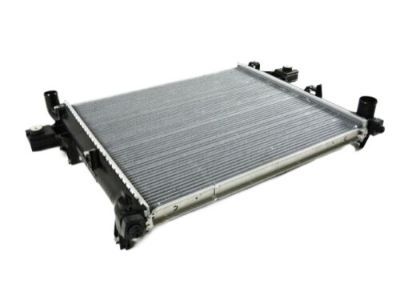
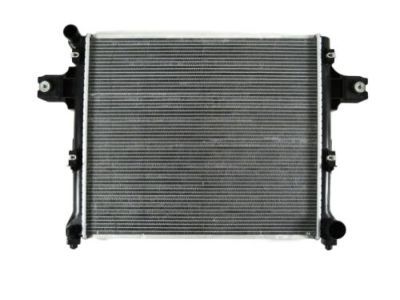
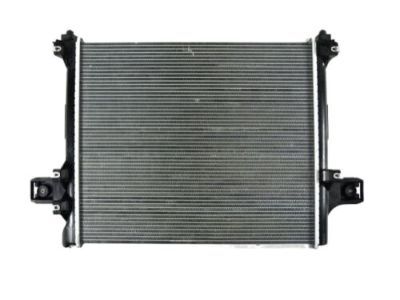
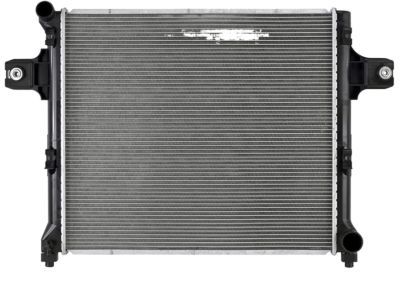
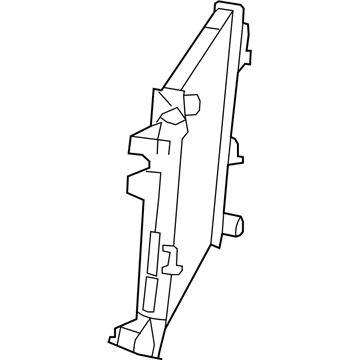
Jeep Grand Cherokee Radiator Part Number: 55116858AA
$545.90 MSRP: $635.00You Save: $89.10 (15%)Ships in 1-2 Business Days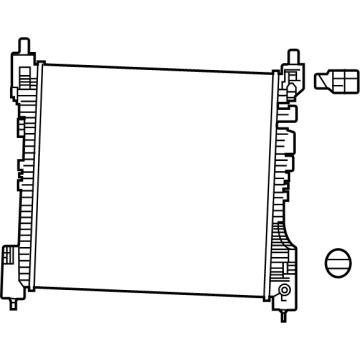
Jeep Grand Cherokee Radiator Part Number: 68411210AA
$232.05 MSRP: $350.00You Save: $117.95 (34%)Ships in 1-2 Business Days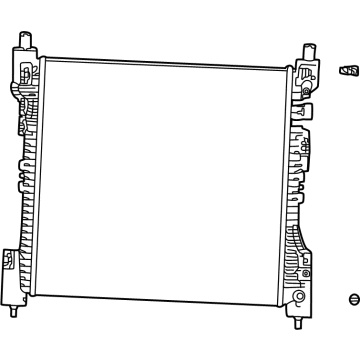
Jeep Grand Cherokee Radiator Part Number: 68377849AA
$247.52 MSRP: $374.00You Save: $126.48 (34%)Ships in 1-2 Business Days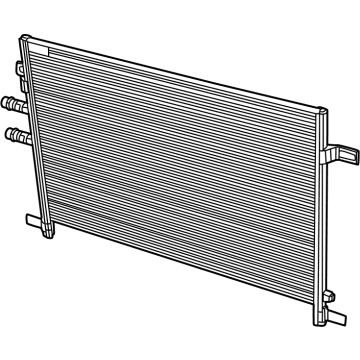
Jeep Grand Cherokee Auxiliary Cooler Part Number: 68365280AB
$288.41 MSRP: $436.00You Save: $147.59 (34%)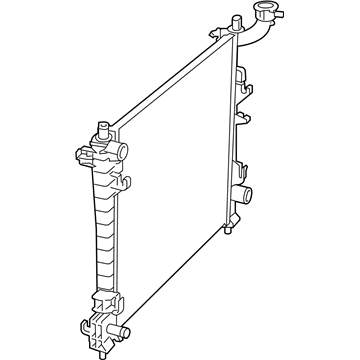
Jeep Grand Cherokee Radiator Part Number: 68365278AA
$666.32 MSRP: $1005.00You Save: $338.68 (34%)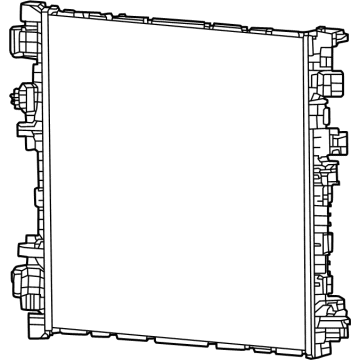
Jeep Grand Cherokee Auxiliary Radiator Part Number: 68377851AA
$174.07 MSRP: $259.00You Save: $84.93 (33%)
Jeep Grand Cherokee Radiator Part Number: 5191934AA
$197.37 MSRP: $283.00You Save: $85.63 (31%)Ships in 1-2 Business Days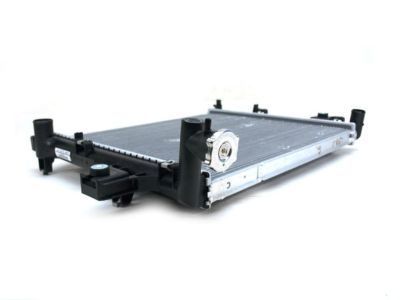
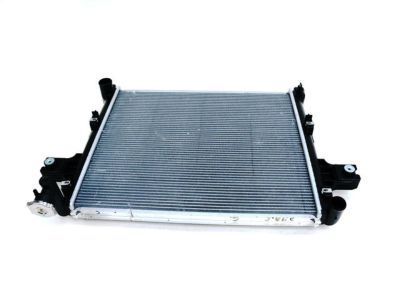
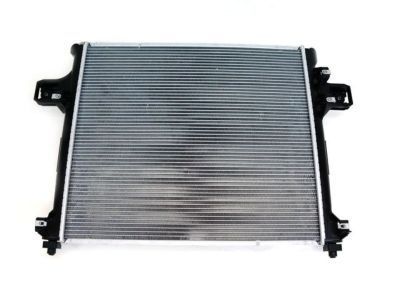
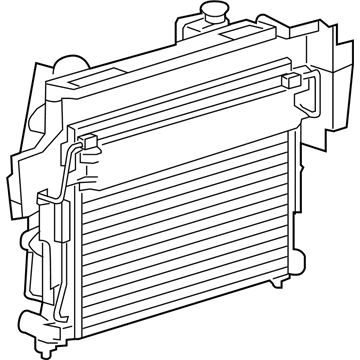
Jeep Grand Cherokee Radiator Part Number: 55116842AB
$297.98 MSRP: $438.00You Save: $140.02 (32%)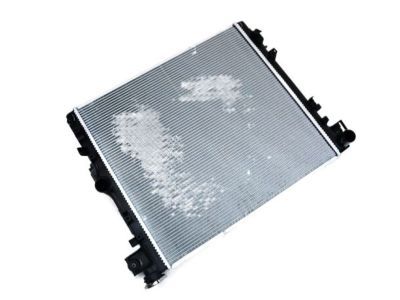
Jeep Grand Cherokee Radiator Part Number: 5191935AA
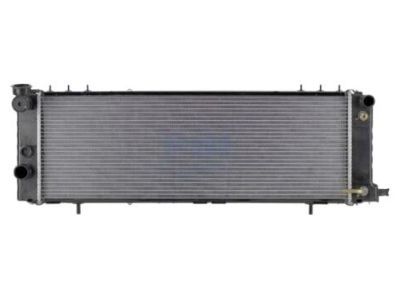
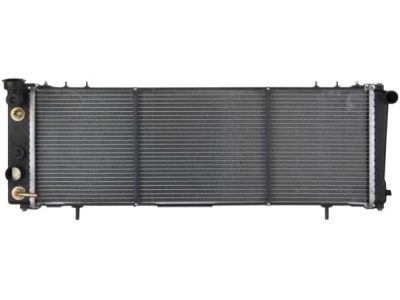
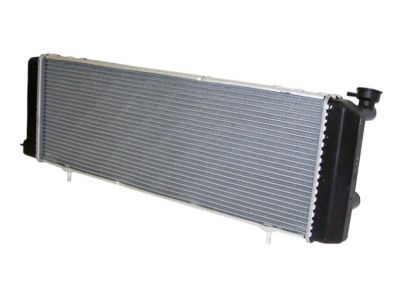
Jeep Grand Cherokee Radiator Part Number: 5191930AA
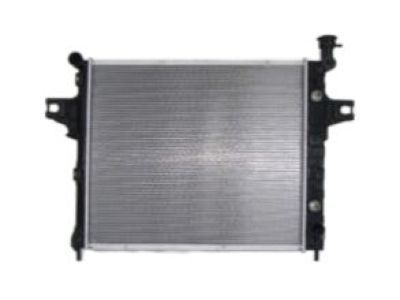
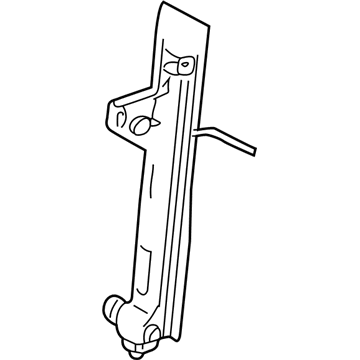
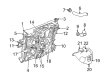
Jeep Grand Cherokee Radiator Part Number: 52079883AD
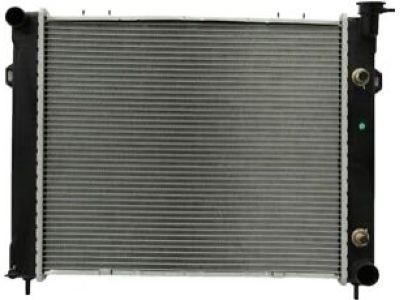
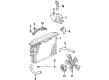
Jeep Grand Cherokee Radiator Part Number: 5191937AA
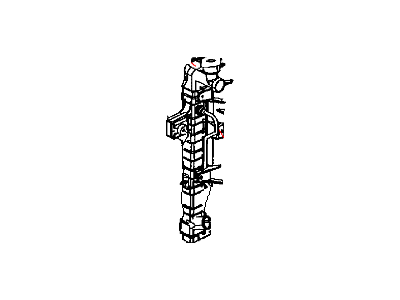
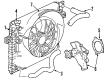
Jeep Grand Cherokee Radiator Part Number: 55037722AA
Jeep Grand Cherokee Radiator Part Number: 5191936AA
| Page 1 of 2 |Next >
1-20 of 24 Results
Jeep Grand Cherokee Radiator
Choose OEM Radiator that meet Jeep factory standards. Jeep designs and tests every component for precision and durability. Each Radiator follows strict manufacturing steps to lock in quality and fit. If your Jeep Grand Cherokee matters to you, OEM parts make the smart choice. You'll get the exact look, feel, and performance you expect. Shop genuine Grand Cherokee parts at the highly competitive prices online. Enjoy a manufacturer's warranty, a hassle-free return policy, and rapid delivery. No more guesswork with off brands. Get genuine parts with exact fit and true factory performance. Shop with confidence today at JeepPartsDeal.com.
The automobile used in Jeep Grand Cherokee features a radiator that provides crucial support for the cooling system so as to bring about the ideal working temperature of the car's engine. And it acts as a cooler as it takes heat from the engine coolant through the fins and tubes constructed on it. Usually, Jeep Grand Cherokee radiators are made from aluminum with either plastic or aluminum tanks but there are copper/brass ones as well. The development of the years has brought the performance radiators which are made of lightweight aluminium and have better designs for better flow and heat exchange. They may also have bigger diameter of tubes and bigger number of fins compared to the standard type, effects in increase in heat transfer efficiency. An owner of Jeep Grand Cherokee should always check for signs of failure of the radiator that may include the coolant leaks, the formation of sludge and the cold spots in an effort to avoid occasions where the engine will over heat and cause some damages.
Jeep Grand Cherokee Radiator Parts and Q&A
- Q:How to Remove and Replace a Radiator on Gas Engines on Jeep Grand Cherokee?A:To change and replace the radiator on a gas engine, ensure the temperature is low and nothing is pushing the hot coolant out to keep you safe. If the old coolant looks clean, put it into a clean container so you can use it again. Use only specialized tools when repairing constant tension hose clamps and be sure to put on safety glasses. If a clamp needs to be replaced, use just the equal factory replacement with matching numbers or letters on the tongue. As you remove the radiator or A/C Condenser, always see where the rubber air seals where placed, as this helps avoid the engine overheating when you reinstall the parts. Start by removing the negative Battery Cable and drain the coolant out of the radiator. Take out the front Grille and the two bolts that hold the radiator in place. You should separate the two tube lines from the transmission cooler, the power steering cooler line and the electrical wire of the fan solenoid. After that, take off the upper and lower radiator hoses, the overflow hose and the air inlet duct at the front of the radiator. Take out the connector that transmits power to the radiator fan. In the lower part, two alignment dowel pins are found that match rubber grommets in the radiator lower crossmember. Remember, the air conditioning system is always working under pressure, even when the engine isn't running. Disconnecting the radiator and cooling fan can be done in a single step, so no fan removal is required beforehand. After that, carefully lift and take out the radiator without touching the fins to the car or air conditioner condenser if present.
- Q:How to Safely and Effectively Handle Radiator Removal and Reinstallation on Jeep Grand Cherokee?A:Before you do anything, verify that the coolant is under no pressure and hasn't heated up, to avoid burns. Put the used coolant into a clean container to reuse it, only if it is still clean. When servicing constant tension hose clamps, use the special clamp tool (number 6094) or Snap-On clamp tool (number HPC-20) for larger clamps and remember to use safety glasses at all times. Be sure to look at the stamped letter or number on the constant tension clamps to help you replace them with original equipment clamps. During radiator or A/C Condenser removal, make sure you spot all rubber air seals and reattach them correctly or overheating can occur. Unplug the negative terminal on your battery, empty the coolant and don't touch the fan/viscous fan drive assembly for now. Disconnect the front grill, two radiator mounting bolts, both transmission cooler lines, the electric fan connector and harness from the shroud, the upper and lower radiator hoses, the overflow hose and the air inlet duct at the grill. Watch out for the alignment dowel pins below the radiator and the rubber grommets they should be in. Should you have an additional automatic transmission oil cooler, make sure not to squeeze the rubber air seal while removing the radiator. Pull up on the radiator and slide it out, so it does not touch the A/C condenser or any other components. Camouflage bottles can be used to fill the fins with cold water and then blown dry with pressurized air. Look closely at the cooling fins, check if they're still straight and inspect the plastic end tanks and radiator neck for any visible cracks. Do not start installation until you confirm that the rubber air seals are installed correctly. Line up the rubber air seals in the vehicle with the radiator and push the alignment dowels into the rubber grommets as the radiator is lowered. Insert both hoses into each other and make sure their tangs sit straight, put on the coolant reservoir hose, fasten the two transmission cooler hoses and secure the radiator with bolts. Turn the air inlet duct back in place, firmly attach the electric fan harness to the bolts and link the harness to the shroud. Set up the grill and arrange the fan/viscous fan drive with Water Pump, then work out if the fan tips touch the fan shroud by turning the Fan Blades by hand and ensuring there is at least 25 mm (1.0 inch) clearance between the fan and the shroud. Connect the radiator hoses, replace the Battery Cable, run the engine and see if there are any leaks.
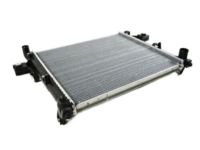
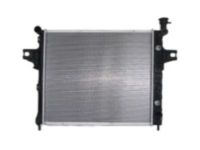
Related Jeep Grand Cherokee Parts
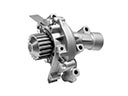 Jeep Grand Cherokee Water Pump
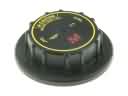 Jeep Grand Cherokee Radiator Cap
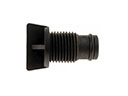 Jeep Grand Cherokee Radiator Drain Plug
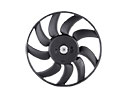 Jeep Grand Cherokee Radiator fan
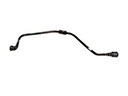 Jeep Grand Cherokee Coolant Reservoir Hose
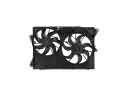 Jeep Grand Cherokee Cooling Fan Assembly
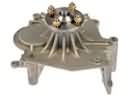 Jeep Grand Cherokee Cooling Fan Bracket
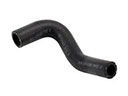 Jeep Grand Cherokee Cooling Hose
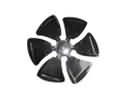 Jeep Grand Cherokee Fan Blade
 Jeep Grand Cherokee Thermostat Gasket
 Jeep Grand Cherokee Transmission Oil Cooler Hose
 Jeep Grand Cherokee V-Belt