JeepParts
My Garage
My Account
Cart
OEM Jeep HVAC Relay
HVAC Blower Relay- Select Vehicle by Model
- Select Vehicle by VIN
Select Vehicle by Model
orMake
Model
Year
Select Vehicle by VIN
For the most accurate results, select vehicle by your VIN (Vehicle Identification Number).
3 HVAC Relays found
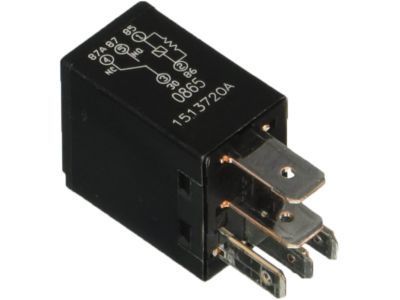
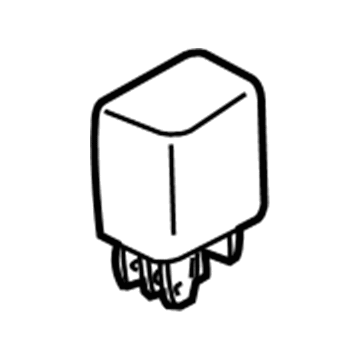
Jeep Fuel Pump Relay Part Number: 4671168
$24.59 MSRP: $35.50You Save: $10.91 (31%)Ships in 1-2 Business DaysProduct Specifications- Other Name: Relay - Mini, HVAC Blower, Accessory Power, A/C Clutch, Fog Light, Headlight, Starter, Horn, Multi Purpose; Fan Relay; Auto Shutdown Relay; Solenoid Relay; Starter Relay; Horn Relay; Mini Relay.
- Replaces: 4606409AA, 4608650AB, 4606418AA, 56006846

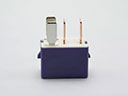
Jeep Relay Part Number: 68371777AA
$13.17 MSRP: $19.00You Save: $5.83 (31%)Ships in 1-2 Business Days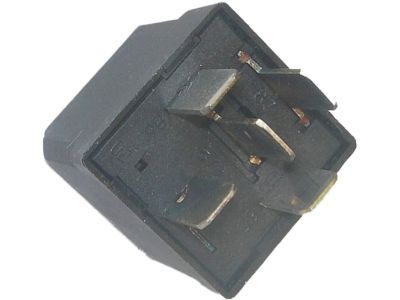
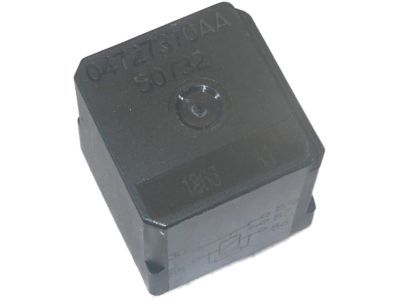
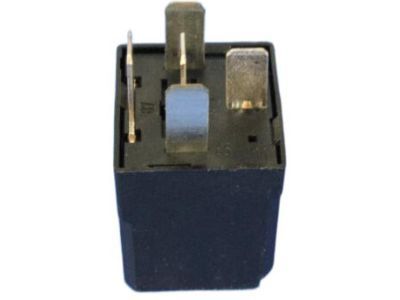
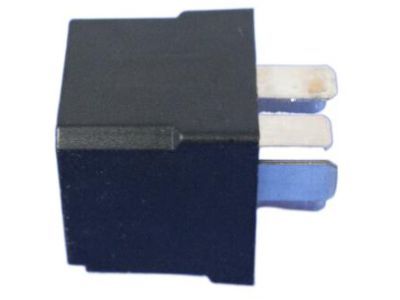
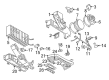
Jeep Fuel Pump Relay, Rear Part Number: 4727370AA
$37.12 MSRP: $53.35You Save: $16.23 (31%)Product Specifications- Other Name: Relay - Mini; PCM Relay; Fan Relay; Accessory Relay(F/R); A/C Clutch; Starter; Fog Light; Fan Relay; Blower Motor Relay; Oxygen Sensor Relay; Mini 5 Terminal Square Relay.
- Position: Rear
- Replaces: 56006707, 56006709, 4848879AB, 4638094, 68369406AA, 68223712AA
Jeep HVAC Relay
OEM parts sourced directly from Jeep deliver superior quality, long lasting strength, and a precise fit you can trust. Each item goes through strict quality checks to ensure safety, toughness, and performance that matches your factory equipment. At JeepPartsDeal online shop, you'll get top-quality, budget-friendly OEM Jeep HVAC Relay for your vehicle. We focus on giving you a high standard without pushing up the price. Our full selection of genuine factory products comes backed by the original manufacturer's warranty. You'll love our fast delivery, seamless shopping experience, and convenient return policy, saving you all the hassle.
A Jeep HVAC Relay is a plug-in switch that lets a low-amp dashboard signal operate the high-amp blower motor or compressor to stabilize cabin climate. While holding onto its wartime grit of the 1945 original, every modern Jeep model has brought on civilized touches that make daily driving easy. The boxed frame dodges rocks, while generous approach angles easily deal with ruts. When you engage the Selec-Terrain knob, the drivetrain quickly adjusts the throttle, shift points, and traction control to mud, sand, or snow so you can spend more time exploring and less time digging. Doors and roof panels that can be removed transform any trail into an open-air parade while an extensive catalog enables owners to add their personal touch without voiding the warranty. A crisp touchscreen, voice commands, and regular over-the-air updates keep the cockpit feeling up to date long after purchase. In the end, even a dependable HVAC Relay can fail. But it will only take ten minutes to swap it on a Jeep with basic tools, and having a flathead screwdriver on hand helps to pry it safely. To begin, turn off the Jeep, stop it, and unhook the negative battery cable. Open the fuse box cover, compare it with the diagram, and pull the worn HVAC Relay straight up. Check the socket for burnt metal or green fuzz, then press the new HVAC Relay down until you hear a click. Once you've attached the cover, reconnect the battery, fire the engine, and run the blower through all the speeds to confirm the repair.
Related Jeep Parts
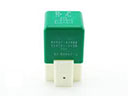 Jeep Cooling Fan Relay
 Jeep Starter Relay
 Jeep Blower Motor
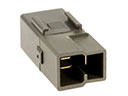 Jeep Horn Relay
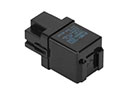 Jeep Flasher Relay
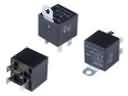 Jeep Fuel Pump Relay
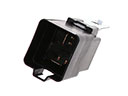 Jeep Radiator Fan Relay
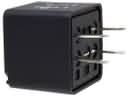 Jeep Relay
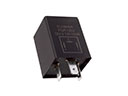 Jeep Turn Signal Relay
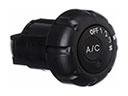 Jeep A/C Switch
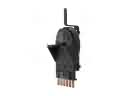 Jeep Blower Control Switches
 Jeep Ignition Relay