JeepParts
My Garage
My Account
Cart
OEM Jeep Patriot Brake Shoe Set
Brake Shoe- Select Vehicle by Model
- Select Vehicle by VIN
Select Vehicle by Model
orMake
Model
Year
Select Vehicle by VIN
For the most accurate results, select vehicle by your VIN (Vehicle Identification Number).
2 Brake Shoe Sets found
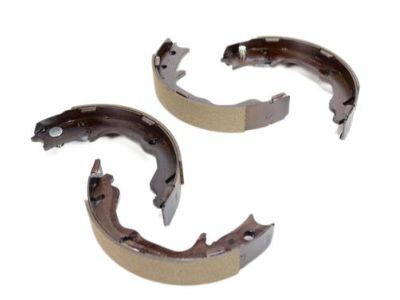
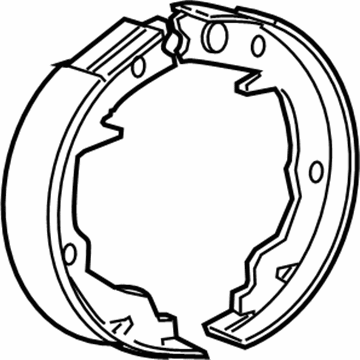
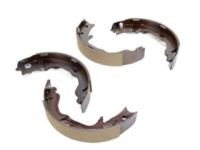
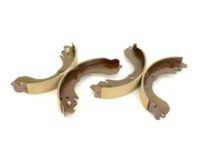
Jeep Patriot Parking Brake Shoes, Rear Part Number: 5191215AB
$87.42 MSRP: $130.90You Save: $43.48 (34%)Ships in 1-2 Business Days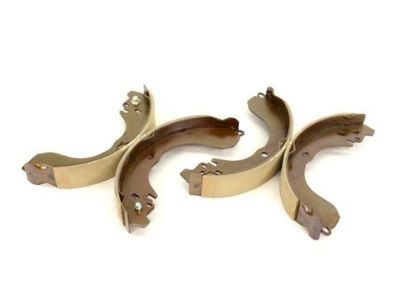
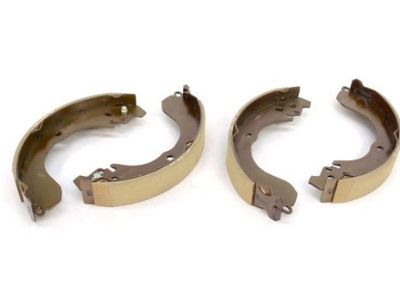
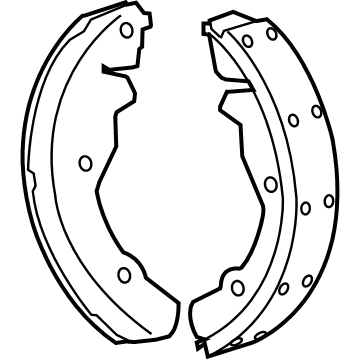
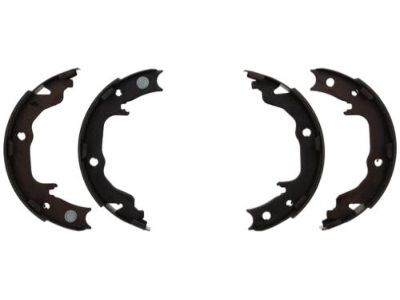
Jeep Patriot Brake Shoes, Rear Part Number: 5191306AA
$52.09 MSRP: $77.20You Save: $25.11 (33%)Ships in 1-2 Business Days
Jeep Patriot Brake Shoe Set
Choose OEM Brake Shoe Set that meet Jeep factory standards. Jeep designs and tests every component for precision and durability. Each Brake Shoe Set follows strict manufacturing steps to lock in quality and fit. If your Jeep Patriot matters to you, OEM parts make the smart choice. You'll get the exact look, feel, and performance you expect. Shop genuine Patriot parts at the highly competitive prices online. Enjoy a manufacturer's warranty, a hassle-free return policy, and rapid delivery. No more guesswork with off brands. Get genuine parts with exact fit and true factory performance. Shop with confidence today at JeepPartsDeal.com.
Jeep Patriot Brake Shoe Set Parts and Q&A
- Q:How to remove and replace the Brake Shoe Set on Jeep Patriot?A:Put the parking brake a released position and raise It up on a hoist to remove and replace the brake shoes. First remove the nuts securing the wheel, and remove the rear tire and wheel assembly and brake drum. Now, remove the lower shoe spring, and then compress and remove the hold-down spring that secures the rear shoe to the support plate. To access the connection of the parking brake cable at the lever, pull the rear shoe away from the anchor. Then, compress the cable return spring and detach the parking brake cable from the lever. After that compress and remove the hold down spring that retains the front shoe to the support plate and remove both brake shoes from the wheel cylinder. Remove both shoes and other parts as an assembly from the opening between the wheel cylinder and the support plate hub and bearing and place the shoe assembly outboard-side up on a flat surface. Take out the adjuster spring from the leading shoe, and the lever pawl from the pivot on the rear shoe. Detach the return spring for the upper shoe and the adjuster from the shoes and parking brake lever for further assembly (inboard side of the shoe).
- Q:How to install a Brake Shoe Set on Jeep Patriot?A:Applying Mopar(R) Brake Lubricant or equivalent at the shoe contact areas on the support plate and anchor, and on adjuster screw threads. With the grease in place, turn the adjuster wheel in until it is completely bottomed out. On the flat surface, place 1 shoe (front, 6) and 1 shoe (rear, 3) inboard-side-up with the parking brake lever attached on the rear shoe. Detach the adjuster from the brake shoes after installing it. Install the adjuster such that the adjuster wheel is at the rear between two brake shoes. In addition, ensure the wide notch of the rear fork is aligned with the parking brake lever. Next, fit the upper return spring then, flip the shoe assembly to expose the outboard side and fit the lever pawl to the pivot on the rear shoe. The adjuster spring is fitted between the front shoe and the lever pawl. The pre-assembled brake shoe assembly is then inserted through the opening between the wheel cylinder and support plate hub and bearing. Place the upper ends of the brake shoes into the slots of the odometer pistons. Locate the bottom of the leading shoe against the anchor pin and fit a shoe hold-down pin from the rear through the support plate and leading shoe. To retain the front shoe to the support plate, compress and install the hold-down spring. Next, compress the parking brake cable return spring and carefully install the cable on the parking brake lever, ensuring that it is beneath the lever's retaining tab. The installation of the rear shoe begins by setting the bottom edge of the rear shoe against the anchor pin. Following this, insert a shoe hold-down pin from the rear side through the support plate and rear shoe. Subsequently, compress and position the hold-down spring at the designated location (4, Figure 6). When the rear shoe is sufficiently strengthened, the pin and spring will secure the rear shoe to the support plate. First, fit the lower shoe spring. Next, use the brake shoe gauge to adjust the brake shoes until they fit the drum diameters. Finally, install brake drum. Ultimately, the tire and wheel assembly must be installed and the wheel mounting nuts tightened to 135 Nm (100 ft. lbs.); slowly rotate both rear wheels verifying the brake drums lightly drag on the shoes and adjust as necessary. Bring the vehicle down to road level for the road test. The vehicle should stop in both forward and reverse so the automatic-adjuster can self-adjust the brakes as necessary.
Related Jeep Patriot Parts
 Jeep Patriot ABS Control Module
 Jeep Patriot Brake Caliper Bolt
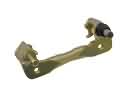 Jeep Patriot Brake Caliper Bracket
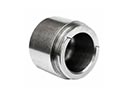 Jeep Patriot Brake Caliper Piston
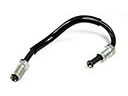 Jeep Patriot Brake Line
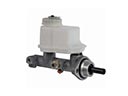 Jeep Patriot Brake Master Cylinder
 Jeep Patriot Hydraulic Hose
 Jeep Patriot Parking Brake Cable
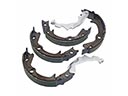 Jeep Patriot Parking Brake Shoes
 Jeep Patriot Wheel Cylinder
 Jeep Patriot Wheel Hub Bolt
 Jeep Patriot Wheel Stud