JeepParts
My Garage
My Account
Cart
OEM 2002 Dodge Durango Brake Caliper
Caliper- Select Vehicle by Model
- Select Vehicle by VIN
Select Vehicle by Model
orMake
Model
Year
Select Vehicle by VIN
For the most accurate results, select vehicle by your VIN (Vehicle Identification Number).
1 Brake Caliper found
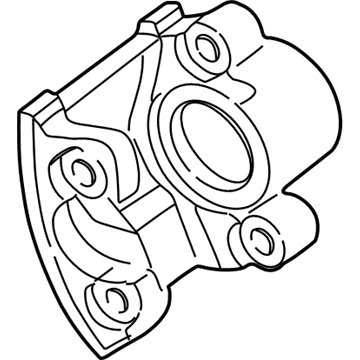
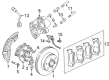
2002 Dodge Durango Caliper, Front Driver Side Part Number: 5016169AA
Product Specifications- Other Name: Caliper - Disc Brake; Disc Brake Caliper, Front Left; Caliper Disc Brake; Brake Caliper
- Position: Front Driver Side
- Condition: New
- Fitment Type: Direct Replacement
- SKU: 5016169AA
- Warranty: This genuine part is guaranteed by Mopar's factory warranty.
2002 Dodge Durango Brake Caliper Parts and Q&A
- Q: How to Service and Repair a Brake Caliper on 2002 Dodge Durango?A: To work on the brake caliper, initially clean the master cylinder reservoir and filler caps, remove the filler cap and empty about 1/4 of the fluid by connecting a clean suction gun to the reservoir. Get the car up, then undo the front wheels and tires as a group. Clamp the pistons to the bottom of their bores by attaching a C-clamp at the rear of the caliper, place the clamp frame here and tighten the clamp screw onto the outboard brake shoe. At the caliper, detach the brake hose and throw away any badly worn hose washers. Piece a screwdriver between the edge of the caliper and the spring to loosen and take out the caliper and brake shoes. Utilize a drain pan as you empty old brake fluid from the caliper and remove the piston dust boot using your screwdriver. Place shop towels inside the outboard shoe of the caliper to cover the piston, then use short blasts of compressed air through the fluid inlet to take out the piston. You don't want metal tools to go near the piston bore, so use a wood pencil or plastic tool to remove the caliper piston seal, then take out the caliper slide pin and bushings, as well as the cap and bleed screw. Be sure to rinse or wipe off the calipers and all connected parts with clean brake fluid or cleaner, not solvents such as gasoline, since they may leave dangerous marks. Check the piston for damage; should it be cracked or scored, change it, as you should not try to fix a scored surface. Always use a caliper piston of the same material, as both phenolic resin and steel are not interchanged. Use a brake hone to lightly fix outer layer problems of the bore, but change the caliper if polishing worsens it or increases the diameter by over 0.025 mm. Apply GE or Dow silicone grease to the slide pin boots and bushings for assembly and place them around the caliper pistons. Dip the caliper piston bore, piston and new piston seal in clean brake fluid, place the seal in its groove with your finger and then lubricate it well. Put on a little GE 661, Dow 111 or similar silicone grease to the piston and dust seal edge and groove, then slide the boot seal over the piston until it is seated in the dust seal groove. Slide the retainer in the boot forward until the folds snap, turn the caliper piston and slide it into the bore, then press it down. Use Installer 8248 and the Handle C-4171 to seat the piston dust boot and replace the caliper bleed screw and cap if they were removed. After removing the rotor, place the brake shoes onto the inside of the caliper, then insert the caliper and shoes onto the steering knuckle with the brake shoe tips pensively pressed in the ledges. Turn the caliper slide pins until they feel as if they will not turn easier with your hand. Then fasten them to 30 Nm (22 ft. lbs.) using a wrench. Insert the caliper spring into a caliper cylinder and place the other end over the adapter, then use a screwdriver to seat the spring in the other hole after pulling the spring down. Assemble the hose to the brake caliper with fresh seal washers, then tighten the clamp bolt to 24 Nm and avoid twisting the hose. Clamp the base brake system so it does not leak, secure the wheel and tire sets to the car, crush the support and lower down the finished product. Before driving, push the brake pedal to press the brake shoes, top off the brake fluid reservoir and ensure the brake pedal is firm.
Related 2002 Dodge Durango Parts
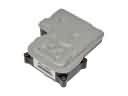 2002 Dodge Durango ABS Control Module
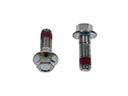 2002 Dodge Durango Brake Caliper Bolt
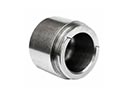 2002 Dodge Durango Brake Caliper Piston
 2002 Dodge Durango Brake Disc
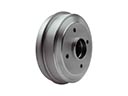 2002 Dodge Durango Brake Drum
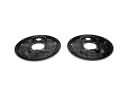 2002 Dodge Durango Brake Dust Shield
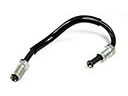 2002 Dodge Durango Brake Line
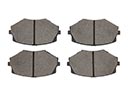 2002 Dodge Durango Brake Pad
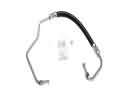 2002 Dodge Durango Hydraulic Hose
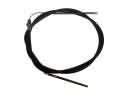 2002 Dodge Durango Parking Brake Cable
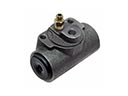 2002 Dodge Durango Wheel Cylinder
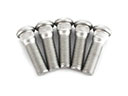 2002 Dodge Durango Wheel Stud