JeepParts
My Garage
My Account
Cart
OEM 2003 Chrysler PT Cruiser Brake Caliper
Caliper- Select Vehicle by Model
- Select Vehicle by VIN
Select Vehicle by Model
orMake
Model
Year
Select Vehicle by VIN
For the most accurate results, select vehicle by your VIN (Vehicle Identification Number).
6 Brake Calipers found
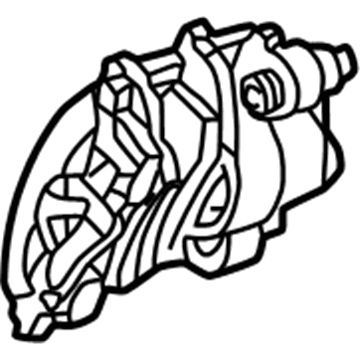
2003 Chrysler PT Cruiser Caliper, Rear Driver Side Part Number: 5083159AA
$125.17 MSRP: $227.00You Save: $101.83 (45%)Ships in 1-2 Business DaysProduct Specifications- Other Name: Caliper - Disc Brake; Disc Brake Caliper, Rear Left; Caliper Disc Brake; Brake Caliper
- Position: Rear Driver Side
- Item Weight: 4.00 Pounds
- Item Dimensions: 8.4 x 6.7 x 3.5 inches
- Condition: New
- Fitment Type: Direct Replacement
- SKU: 5083159AA
- Warranty: This genuine part is guaranteed by Mopar's factory warranty.
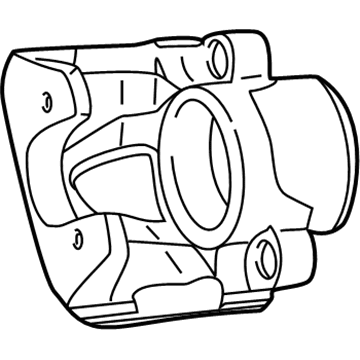
2003 Chrysler PT Cruiser Caliper, Front Driver Side Part Number: 5017833AA
$153.76 MSRP: $211.00You Save: $57.24 (28%)Ships in 1-2 Business DaysProduct Specifications- Other Name: Caliper - Disc Brake; Disc Brake Caliper, Front Left; Caliper Disc Brake; Brake Caliper
- Position: Front Driver Side
- Item Weight: 7.90 Pounds
- Item Dimensions: 8.0 x 7.8 x 6.9 inches
- Condition: New
- Fitment Type: Direct Replacement
- SKU: 5017833AA
- Warranty: This genuine part is guaranteed by Mopar's factory warranty.
2003 Chrysler PT Cruiser Caliper, Front Driver Side Part Number: 5086361AA
$87.39 MSRP: $165.00You Save: $77.61 (48%)Ships in 1-2 Business DaysProduct Specifications- Other Name: Caliper - Disc Brake; Disc Brake Caliper, Front Left; Caliper Disc Brake; Brake Caliper
- Position: Front Driver Side
- Replaces: 5161521AA
- Item Weight: 3.90 Pounds
- Item Dimensions: 7.2 x 7.3 x 7.3 inches
- Condition: New
- Fitment Type: Direct Replacement
- SKU: 5086361AA
- Warranty: This genuine part is guaranteed by Mopar's factory warranty.
2003 Chrysler PT Cruiser Caliper, Front Passenger Side Part Number: 5017832AA
$154.82 MSRP: $229.00You Save: $74.18 (33%)Ships in 1-2 Business DaysProduct Specifications- Other Name: Caliper - Disc Brake; Disc Brake Caliper, Front Right; Caliper Disc Brake; Brake Caliper
- Position: Front Passenger Side
- Item Weight: 7.90 Pounds
- Item Dimensions: 8.8 x 8.3 x 5.7 inches
- Condition: New
- Fitment Type: Direct Replacement
- SKU: 5017832AA
- Warranty: This genuine part is guaranteed by Mopar's factory warranty.
2003 Chrysler PT Cruiser Caliper, Front Passenger Side Part Number: 5086360AA
$58.33 MSRP: $79.70You Save: $21.37 (27%)Ships in 1-2 Business DaysProduct Specifications- Other Name: Caliper - Disc Brake; Disc Brake Caliper, Front Right; Caliper Disc Brake; Brake Caliper
- Position: Front Passenger Side
- Replaces: 5161520AA
- Item Weight: 7.80 Pounds
- Item Dimensions: 9.9 x 7.7 x 5.6 inches
- Condition: New
- Fitment Type: Direct Replacement
- SKU: 5086360AA
- Warranty: This genuine part is guaranteed by Mopar's factory warranty.
- Product Specifications
- Other Name: Caliper - Disc Brake; Disc Brake Caliper, Rear Right; Caliper Disc Brake; Brake Caliper
- Position: Rear Passenger Side
- Item Weight: 4.10 Pounds
- Item Dimensions: 8.5 x 6.6 x 3.6 inches
- Condition: New
- Fitment Type: Direct Replacement
- SKU: 5083158AA
- Warranty: This genuine part is guaranteed by Mopar's factory warranty.
2003 Chrysler PT Cruiser Brake Caliper Parts and Q&A
- Q: How to Maintain a Rear Brake Caliper on 2003 Chrysler PT Cruiser?A: Mechanics should use a brake pedal holding tool to disconnect the master cylinder from the system after the first inch of brake pedal travel. Raise up the vehicle, take off the rear tire and unmount the wheel. Unscrew the banjo bolt to separate the brake hose from the caliper and remove and discard the washers that come loose. If you need more room, draw back the caliper piston so that you can remove the wheel. Loosen the two bolts and then turn the top of the caliper away from the rotor to lift it from the brake adapter. Make sure to wash and examine the caliper before you start the disassembly. Press the guide pin bushing sleeve towards the caliper's rear and pull it back, then compress one of the rubber guide pin bushings to remove it. To remove the piston, start by hanging the caliper away, add a bit of wood between the piston and caliper fingers and gently press down on the brake pedal to eject the piston. Take out the brake fluid flex hose from the caliper. With the protective jaws of a vise fitting over the caliper, remove the dust boot, then carefully take the seal out of the bore with a soft tool. Make sure the piston bore is clean, then check for any damage; if found, use Caliper Hone, Special Tool C-4095, keeping the diameter no more than 0.0254 mm (0.001 inch) greater. Check if the caliper piston has damage and change it if it is questionable. Clean the caliper either with brake fluid or Mopar Non-Chlorinated Brake Parts Cleaner, making sure you never use liquids that could hurt rubber elements. During assembly, put the guide pin bushing into the caliper mounting boss, lubricate it and add the guide pin sleeve. Pour some clean brake fluid onto the new seal, place it in the groove on the piston and put the dust boot over the top. Screw the piston into the caliper bore so that equal pressure is used, so binding does not occur. Attach the caliper in place, press the piston fully down if brake shoes were replaced, coat all adapter caliper slide places with a little grease and guide the caliper into its correct position. Screw the caliper guide pin bolts to 22 Nm (192 in. lbs.) and then join the brake hose with fresh washers, tugging the banjo bolt to 26 Nm (230 in. lbs. or 19 ft. lbs.). Assemble the tire and wheel unit back onto the axle and secure it with 135 Nm (100 ft. lbs.) of torque, lower the vehicle, remove the holding tool for the brake pedal, make sure the brakes are bled, take the car for a road test to ensure everything works well, then leave the parking brake free.
Related 2003 Chrysler PT Cruiser Parts
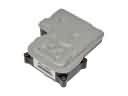 2003 Chrysler PT Cruiser ABS Control Module
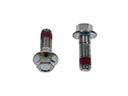 2003 Chrysler PT Cruiser Brake Caliper Bolt
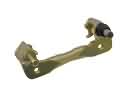 2003 Chrysler PT Cruiser Brake Caliper Bracket
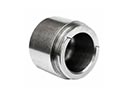 2003 Chrysler PT Cruiser Brake Caliper Piston
 2003 Chrysler PT Cruiser Brake Disc
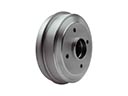 2003 Chrysler PT Cruiser Brake Drum
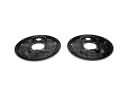 2003 Chrysler PT Cruiser Brake Dust Shield
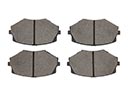 2003 Chrysler PT Cruiser Brake Pad
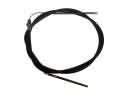 2003 Chrysler PT Cruiser Parking Brake Cable
 2003 Chrysler PT Cruiser Speed Sensor
 2003 Chrysler PT Cruiser Wheel Bearing Dust Cap
 2003 Chrysler PT Cruiser Wheel Stud