JeepParts
My Garage
My Account
Cart
OEM 2005 Dodge Dakota Water Pump
H2O Pump- Select Vehicle by Model
- Select Vehicle by VIN
Select Vehicle by Model
orMake
Model
Year
Select Vehicle by VIN
For the most accurate results, select vehicle by your VIN (Vehicle Identification Number).
1 Water Pump found
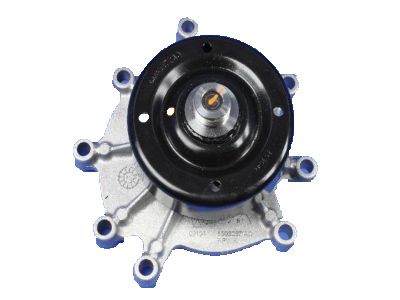
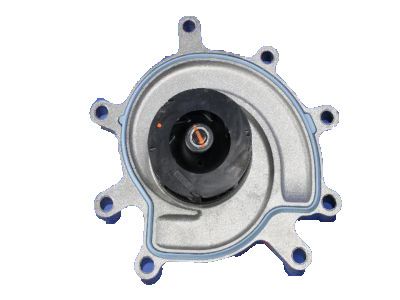
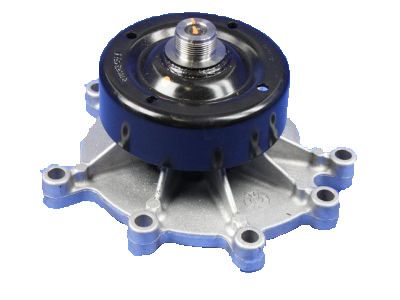
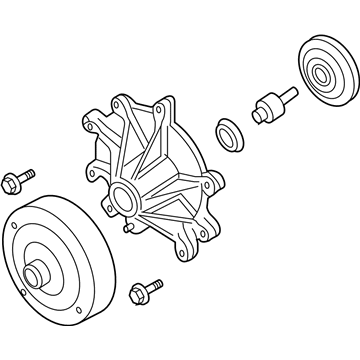
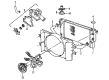
2005 Dodge Dakota Water Pump Part Number: 53022189AH
$176.17 MSRP: $267.00You Save: $90.83 (35%)Ships in 1-2 Business DaysProduct Specifications- Other Name: Pump - Water; Engine Water Pump; Water Pump Assembly
- Replaces: 53022189AC, 53022189AD, 53022189AF, 5179734AA, 53021187AA, 53022058AA, 53022189AB, 53022189AA, 53022189AG
- Item Weight: 5.60 Pounds
- Item Dimensions: 7.7 x 8.3 x 8.3 inches
- Condition: New
- Fitment Type: Direct Replacement
- SKU: 53022189AH
- Warranty: This genuine part is guaranteed by Mopar's factory warranty.
2005 Dodge Dakota Water Pump Parts and Q&A
- Q: How to Replace a Water Pump on 3.7L/4.7L Engines on 2005 Dodge Dakota?A: 3.7L/4.7L engines have their water pump fastened directly to the engine's timing chain case cover. Before doing anything else, take out the negative battery cable and drain the fluid from the cooling system. Take out the fan/viscous fan drive from the water pump without unhitching it from your car. During water pump replacement, do not remove the fan blade assembly from the thermal viscous fan drive. Then, disconnect the fan shroud assembly by removing its two screws and lift out the fan blade and viscous fan drive from the radiator. Hang the thermal viscous fan drive vertically so silicone fluid does not get into the lubricant. To start, set aside the accessory drive belt, then remove its clamp on the water pump to take off the upper radiator hose. Removal of the bolts from the water pump seems easy, but make sure not to use force at the timing chain cover/case; this could dent or disfigure the machined pieces. Take away the water pump and throw out the gasket. Carefully wipe the area that the gaskets meet and watch for any damage, leaks or broken parts on the water pump assembly. At installation, be sure to clean the two parts that align, place the new gasket and pump between them and tighten all the bolts to 58 Nm (43 ft. lbs.). First, spin the water pump to make sure the impeller doesn't come into contact with the timing chain case/cover. Screw the fan shroud to the radiator using the two included screws, make sure the assembly is 25 mm (1.0 inches) from the fan blade tips to the fan shroud and then attach the fan blade/viscous fan drive assembly. Fix the fan blade/viscous fan drive to the water pump shaft, fill the system, hook up the negative battery cable and start the engine to look for leaks while the engine is warm.
Related 2005 Dodge Dakota Parts
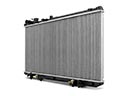 2005 Dodge Dakota Radiator
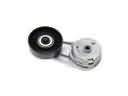 2005 Dodge Dakota Belt Tensioner
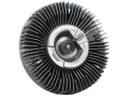 2005 Dodge Dakota Fan Clutch
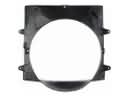 2005 Dodge Dakota Fan Shroud
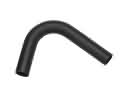 2005 Dodge Dakota Radiator Hose
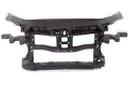 2005 Dodge Dakota Radiator Support
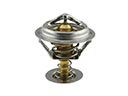 2005 Dodge Dakota Thermostat
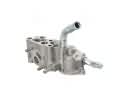 2005 Dodge Dakota Thermostat Housing
 2005 Dodge Dakota Drain Plug
 2005 Dodge Dakota Drive Belt
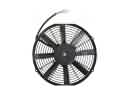 2005 Dodge Dakota Engine Cooling Fan
 2005 Dodge Dakota Water Pump Gasket