JeepParts
My Garage
My Account
Cart
OEM 2005 Jeep Grand Cherokee Catalytic Converter
Cat. Converter- Select Vehicle by Model
- Select Vehicle by VIN
Select Vehicle by Model
orMake
Model
Year
Select Vehicle by VIN
For the most accurate results, select vehicle by your VIN (Vehicle Identification Number).
3 Catalytic Converters found
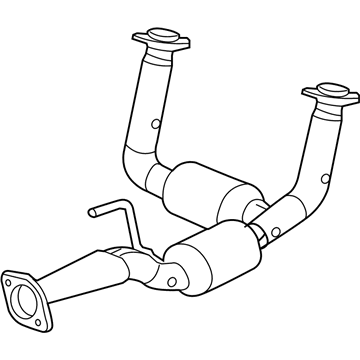
2005 Jeep Grand Cherokee Catalytic Converter Part Number: 52090044AF
Product Specifications- Other Name: Converter - Exhaust; Exhaust Pipe; Converter & Pipe
- Replaces: 52090044AD
- Item Weight: 29.20 Pounds
- Item Dimensions: 39.5 x 26.3 x 15.7 inches
- Condition: New
- Fitment Type: Direct Replacement
- SKU: 52090044AF
- Warranty: This genuine part is guaranteed by Mopar's factory warranty.
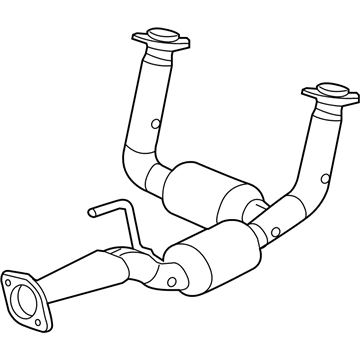
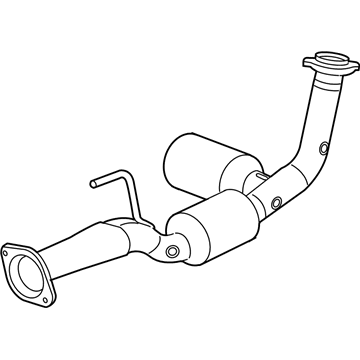
2005 Jeep Grand Cherokee Catalytic Converter Part Number: 52090043AF
Product Specifications- Other Name: Converter - Exhaust; Exhaust Pipe; Converter & Pipe; Pipe And Converter Exhaust To Manifold
- Replaces: 52090043AE, 52090043AD
- Item Weight: 29.70 Pounds
- Item Dimensions: 39.9 x 27.3 x 16.0 inches
- Condition: New
- Fitment Type: Direct Replacement
- SKU: 52090043AF
- Warranty: This genuine part is guaranteed by Mopar's factory warranty.
2005 Jeep Grand Cherokee Catalytic Converter Part Number: 52124165AA
Product Specifications- Other Name: Converter - Exhaust; Exhaust Pipe; Converter & Pipe; Pipe And Converter Exhaust To Manifold
- Replaces: 52090045AE
- Item Weight: 10.30 Pounds
- Item Dimensions: 45.9 x 18.2 x 29.1 inches
- Condition: New
- Fitment Type: Direct Replacement
- SKU: 52124165AA
- Warranty: This genuine part is guaranteed by Mopar's factory warranty.
2005 Jeep Grand Cherokee Catalytic Converter Parts and Q&A
- Q: How to Remove and Install a Catalytic Converter on a 3.7L Engine on 2005 Jeep Grand Cherokee?A: To take out your catalytic converter, begin by jacking up and supporting the vehicle, cover the hardware with heat valve lubricant and let it soak for five minutes. Then, take away the transmission crossmember, separate and mark the electric cords of the oxygen sensor and remove the bolt holding the steady rest bracket to the transmission. Get rid of the nuts from the front exhaust pipe/catalytic converter assembly all the way to the muffler flange and afterward, take out the bolts and flanged nuts at the exhaust manifold. Also, take the front exhaust pipe/catalytic converter off the vehicle and remove its steady rest bracket. When inspecting, check the converter's stainless steel shell for signs of distortion from high temperatures and knock the bottom of the catalyst with a rubber mallet to inspect the inside. To install, attach the steady rest bracket to the front exhaust pipe or catalytic converter and put the assembly in the car. Put in the bolts and nuts at the front exhaust pipe/catalytic converter assembly to the exhaust manifold flange and the nuts at the front exhaust pipe/catalytic converter assembly to the muffler flange, making sure you do not tighten them. Insure that the distance between the exhaust pipe and the frame or underbody is at least 25.4 mm (1.0 inch). Bring the torque on the front exhaust assembly bolts to 25.7 Nm (19 inch lbs.) and the nuts to the muffler flange to 47 Nm (35 ft. lbs.). Secure the steady rest bracket bolts with 47 Nm (35 ft. lbs.) of torque, plug in the transmission's oxygen sensor wires, lift the transmission crossmember back in, lower the vehicle and test by starting the engine to look for exhaust leaks, repairing if found.
Related 2005 Jeep Grand Cherokee Parts
 2005 Jeep Grand Cherokee Exhaust Pipe
 2005 Jeep Grand Cherokee Muffler
 2005 Jeep Grand Cherokee Canister Purge Valve
 2005 Jeep Grand Cherokee Exhaust Manifold
 2005 Jeep Grand Cherokee PCV Valve
 2005 Jeep Grand Cherokee Vapor Canister
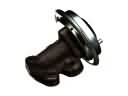 2005 Jeep Grand Cherokee EGR Valve
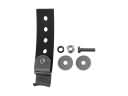 2005 Jeep Grand Cherokee Exhaust Hanger
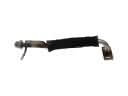 2005 Jeep Grand Cherokee EGR Tube
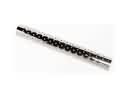 2005 Jeep Grand Cherokee Exhaust Heat Shield
 2005 Jeep Grand Cherokee Exhaust Manifold Gasket
 2005 Jeep Grand Cherokee Tail Pipe