JeepParts
My Garage
My Account
Cart
OEM 2007 Dodge Durango Timing Chain
Engine Timing Chain- Select Vehicle by Model
- Select Vehicle by VIN
Select Vehicle by Model
orMake
Model
Year
Select Vehicle by VIN
For the most accurate results, select vehicle by your VIN (Vehicle Identification Number).
1 Timing Chain found
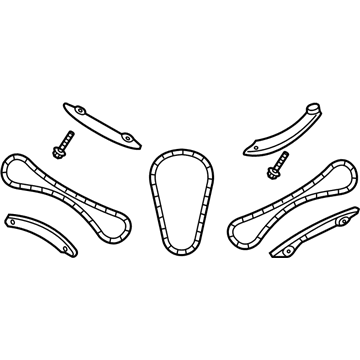
2007 Dodge Durango Timing Chain Part Number: 5019423AD
Product Specifications- Other Name: Chain - Engine Timing; Engine Timing Chain Kit; Drive Assembly; Timing Drive Package; Chain & Gear Kit Engine Timing; Timing Drive Package Engine
- Replaces: 5019423AC
- Item Weight: 5.80 Pounds
- Item Dimensions: 10.1 x 8.8 x 3.6 inches
- Condition: New
- Fitment Type: Direct Replacement
- SKU: 5019423AD
- Warranty: This genuine part is guaranteed by Mopar's factory warranty.
2007 Dodge Durango Timing Chain Parts and Q&A
- Q: How to Remove and Replace a Timing Chain on 2007 Dodge Durango?A: To perform this, first take out the negatively charged cable from the battery and also drain the cooling system. After working on the cylinders, pull off the right and left covers on the cylinder heads and then take out the radiator fan. Rotate the engine till the mark labeled TDC appears on the timing chain cover and at the same time, make the crankshaft timing mark align with the damper. First, remove the power steering pump and plugs from both cylinders to acces the chain catch band fasteners. Take out the oil fill housing to gain access to the fastener on the right side tensioner arm. When that is loose, you will be able to remove the crankshaft damper and timing chain cover. Press the chain tensioners onto the primary chain to avoid engine movement. Meanwhile, put something between the left secondary chain tensioner and the oil pan opening, just in case the bottom of the vent plate comes loose. Remove the secondary chain tensioners and the camshaft position sensor, without damaging the camshaft target wheel or exposing it to magnets around it, since this may leave you stranded. Neutralize any movement that comes from the camshafts or crankshafts when you are working and remember to still have the negative battery cable disconnected. Remove the bolts from the camshaft sprockets on the left and right sides, then grab the left camshaft steel tube with Special Tool 8428 Camshaft Wrench while you remove the left camshaft sprocket, rotating the camshaft a little over 5 degrees clockwise. Raise the torque again with the proper camshaft sprocket on the chain. After that, unfasten the bolt on the idler sprocket assembly and slide the innermost sprocket and crank sprocket close together to take the chain off. After that, remove both the chain guides and the pivoting tensioner arms, then the primary tensioner.
Related 2007 Dodge Durango Parts
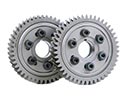 2007 Dodge Durango Cam Gear
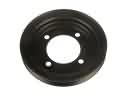 2007 Dodge Durango Crankshaft Pulley
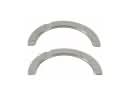 2007 Dodge Durango Crankshaft Thrust Washer Set
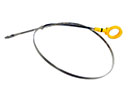 2007 Dodge Durango Dipstick
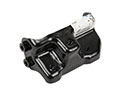 2007 Dodge Durango Engine Mount Bracket
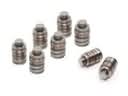 2007 Dodge Durango Lash Adjuster
 2007 Dodge Durango Oil Pan Gasket
 2007 Dodge Durango Piston Ring Set
 2007 Dodge Durango Pushrod
 2007 Dodge Durango Rod Bearing
 2007 Dodge Durango Timing Cover
 2007 Dodge Durango Transmission Mount