JeepParts
My Garage
My Account
Cart
OEM 2008 Chrysler Sebring Brake Master Cylinder
- Select Vehicle by Model
- Select Vehicle by VIN
Select Vehicle by Model
orMake
Model
Year
Select Vehicle by VIN
For the most accurate results, select vehicle by your VIN (Vehicle Identification Number).
2 Brake Master Cylinders found
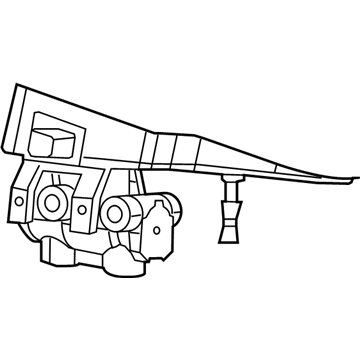
2008 Chrysler Sebring Master Cylinder Part Number: 68004718AE
$156.10 MSRP: $234.00You Save: $77.90 (34%)Product Specifications- Other Name: Cylinder - Brake; Brake Master Cylinder; Master Cylinder Brake
- Replaces: 68004718AA, 68004718AB, 68004718AC, 68004718AD
- Item Weight: 2.50 Pounds
- Item Dimensions: 6.2 x 7.9 x 13.6 inches
- Condition: New
- Fitment Type: Direct Replacement
- SKU: 68004718AE
- Warranty: This genuine part is guaranteed by Mopar's factory warranty.
2008 Chrysler Sebring Master Cylinder Part Number: 68004708AD
Product Specifications- Other Name: Cylinder - Brake; Brake Master Cylinder
- Replaces: 68004708AB, 68004708AA, 68004708AC
- Item Weight: 2.20 Pounds
- Item Dimensions: 13.8 x 7.7 x 7.4 inches
- Condition: New
- Fitment Type: Direct Replacement
- SKU: 68004708AD
- Warranty: This genuine part is guaranteed by Mopar's factory warranty.
2008 Chrysler Sebring Brake Master Cylinder Parts and Q&A
- Q: How to Remove and Replace a Brake Master Cylinder with ABS on 2008 Chrysler Sebring?A: The ABS brake master cylinder can be replaced by bench bleeding the brake master cylinder first. Clean only the outside of the power brake booster at the point where the brake master cylinder's vacuum seal touches, to avoid any debris getting inside. It is necessary to replace the brake master cylinder mounting flange (1)'s O-ring seal (2); if the old one is not new, remove it and set in the new seal to ensure it fits correctly. Should there be resistance when you insert the push rod, reposition both the brake master cylinder and booster push rods and then make the insertion again. Set the brake master cylinder mounting holes over the studs on the booster, making sure the piston push rod is correctly aligned and then carefully slide the brake master cylinder over the face of the booster. Put two new brake master cylinder mounting nuts (3) in place and tighten them to 25 Nm (18 ft. lbs.). For manual vehicles with the new reservoir, open the hydraulic clutch port (1) by severing the plug at the center of the "V" groove (2) and discard the plug (3). Slide the clutch actuator hose (2) onto the reservoir port (1) and fix it tightly with a hose clamp. Attach the brake tubes (1 and 3) to the brake master cylinder (2) outlets and tighten the tube nuts to 17 Nm (150 in. lbs.). Link connector (1) from the wiring harness to the brake fluid level switch (2) and then secure the negative cable back onto the battery. Don't start driving until the pedal is firm and level in the brake master cylinder reservoir and if you notice any problems, bleed the brake hydraulic system and check for leaks. Take your car on a test drive to test the brake operation.
Related 2008 Chrysler Sebring Parts
 2008 Chrysler Sebring ABS Control Module
 2008 Chrysler Sebring Brake Booster
 2008 Chrysler Sebring Brake Caliper
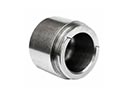 2008 Chrysler Sebring Brake Caliper Piston
 2008 Chrysler Sebring Brake Disc
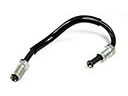 2008 Chrysler Sebring Brake Line
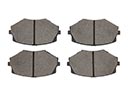 2008 Chrysler Sebring Brake Pad
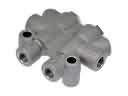 2008 Chrysler Sebring Brake Proportioning Valve
 2008 Chrysler Sebring Hydraulic Hose
 2008 Chrysler Sebring Speed Sensor
 2008 Chrysler Sebring Wheel Stud
 2008 Chrysler Sebring Yaw Sensor