JeepParts
My Garage
My Account
Cart
OEM 2008 Dodge Charger Steering Knuckle
Front Steering Knuckle- Select Vehicle by Model
- Select Vehicle by VIN
Select Vehicle by Model
orMake
Model
Year
Select Vehicle by VIN
For the most accurate results, select vehicle by your VIN (Vehicle Identification Number).
12 Steering Knuckles found
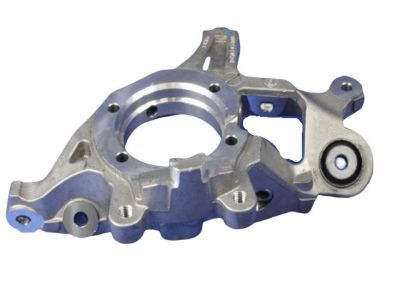
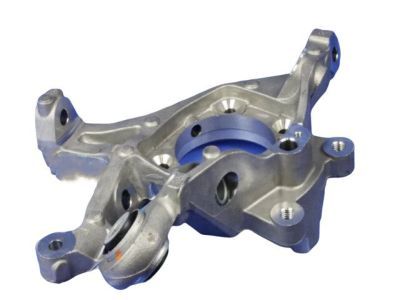
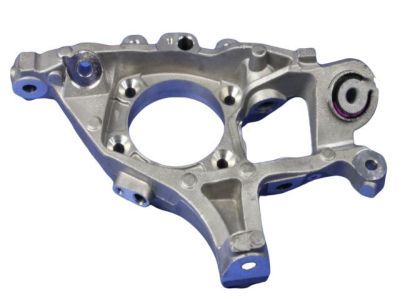
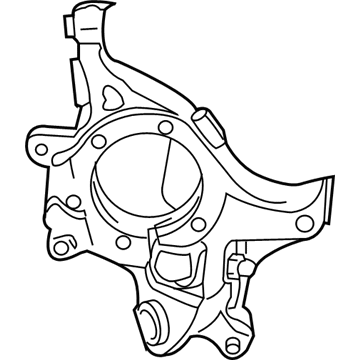
2008 Dodge Charger Knuckle, Rear Driver Side Part Number: 4782587AF
$700.94 MSRP: $943.00You Save: $242.06 (26%)Ships in 1-2 Business DaysProduct Specifications- Other Name: Knuckle - Rear; Suspension Knuckle, Rear Left
- Position: Rear Driver Side
- Replaces: 4782587AD, 4782587AC
- Item Weight: 5.90 Pounds
- Item Dimensions: 13.4 x 9.6 x 4.3 inches
- Condition: New
- Fitment Type: Direct Replacement
- SKU: 4782587AF
- Warranty: This genuine part is guaranteed by Mopar's factory warranty.
2008 Dodge Charger Knuckle, Rear Passenger Side Part Number: 4782586AF
$609.96 MSRP: $924.00You Save: $314.04 (34%)Ships in 1-2 Business DaysProduct Specifications- Other Name: Knuckle - Rear; Suspension Knuckle, Rear Right
- Position: Rear Passenger Side
- Replaces: 4782586AD, 4782586AC
- Item Weight: 5.00 Pounds
- Item Dimensions: 13.4 x 9.8 x 4.4 inches
- Condition: New
- Fitment Type: Direct Replacement
- SKU: 4782586AF
- Warranty: This genuine part is guaranteed by Mopar's factory warranty.
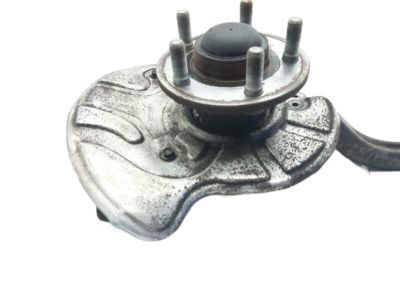
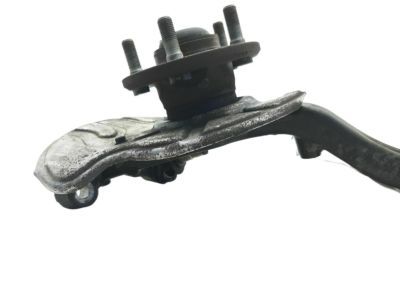
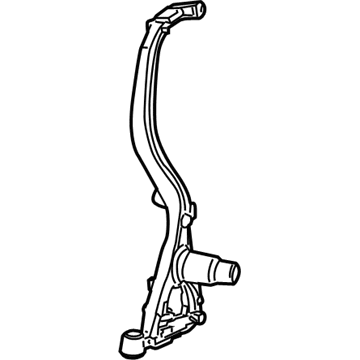
2008 Dodge Charger Knuckle, Front Driver Side Part Number: 4782741AD
Product Specifications- Other Name: Knuckle - Front; Steering Knuckle, Front Left
- Position: Front Driver Side
- Replaces: 4782741AC, 4782741AB
- Item Weight: 16.70 Pounds
- Item Dimensions: 8.0 x 9.2 x 21.9 inches
- Condition: New
- Fitment Type: Direct Replacement
- SKU: 4782741AD
- Warranty: This genuine part is guaranteed by Mopar's factory warranty.
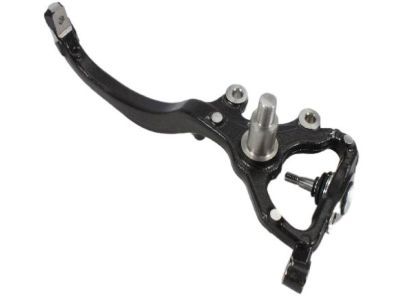
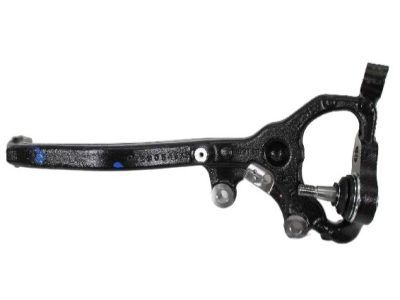
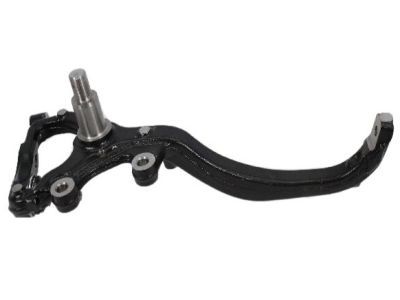
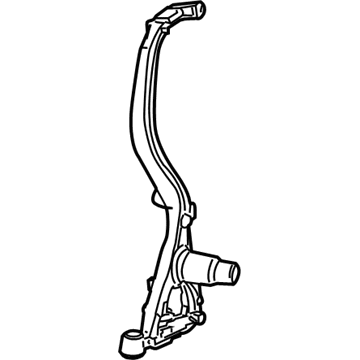
2008 Dodge Charger Knuckle, Front Driver Side Part Number: 5290547AB
Product Specifications- Other Name: Knuckle - Front; Steering Knuckle, Front Left; Knuckle Front
- Position: Front Driver Side
- Item Weight: 24.30 Pounds
- Condition: New
- Fitment Type: Direct Replacement
- SKU: 5290547AB
- Warranty: This genuine part is guaranteed by Mopar's factory warranty.
- Product Specifications
- Other Name: Knuckle - Front; Steering Knuckle, Front Right
- Position: Front Passenger Side
- Replaces: 4782740AB, 4782740AC, 4782740AA
- Item Weight: 18.10 Pounds
- Item Dimensions: 20.9 x 8.9 x 8.0 inches
- Condition: New
- Fitment Type: Direct Replacement
- SKU: 4782740AD
- Warranty: This genuine part is guaranteed by Mopar's factory warranty.
2008 Dodge Charger Knuckle, Rear Driver Side Part Number: 68248387AA
Product Specifications- Other Name: Knuckle - Rear; Suspension Knuckle, Rear Left
- Position: Rear Driver Side
- Replaces: 4854459AD, 4854459AC, 4854459AB, 4854459AA
- Item Weight: 5.60 Pounds
- Item Dimensions: 12.8 x 12.5 x 5.2 inches
- Condition: New
- Fitment Type: Direct Replacement
- SKU: 68248387AA
- Warranty: This genuine part is guaranteed by Mopar's factory warranty.
- Product Specifications
- Other Name: Knuckle - Rear; Suspension Knuckle, Rear Right
- Position: Rear Passenger Side
- Replaces: 4854458AB, 4854458AA, 4854458AC, 4854458AD
- Item Weight: 13.80 Pounds
- Item Dimensions: 13.2 x 12.5 x 5.4 inches
- Condition: New
- Fitment Type: Direct Replacement
- SKU: 68248386AA
- Warranty: This genuine part is guaranteed by Mopar's factory warranty.
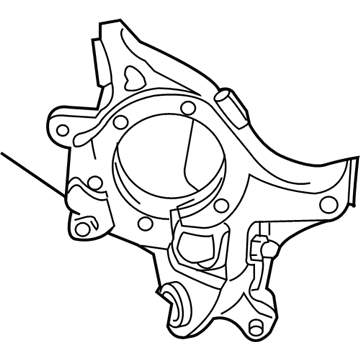
2008 Dodge Charger Knuckle, Rear Driver Side Part Number: 4782929AF
Product Specifications- Other Name: Knuckle - Rear; Suspension Knuckle, Rear Left
- Position: Rear Driver Side
- Replaces: 4782929AD, 4782929AC
- Item Weight: 6.40 Pounds
- Item Dimensions: 14.5 x 10.8 x 7.5 inches
- Condition: New
- Fitment Type: Direct Replacement
- SKU: 4782929AF
- Warranty: This genuine part is guaranteed by Mopar's factory warranty.
2008 Dodge Charger Knuckle, Rear Passenger Side Part Number: 4782928AF
Product Specifications- Other Name: Knuckle - Rear; Suspension Knuckle, Rear Right
- Position: Rear Passenger Side
- Replaces: 4782928AC, 4782928AD, 68258460AA
- Item Weight: 6.10 Pounds
- Item Dimensions: 14.1 x 10.9 x 7.5 inches
- Condition: New
- Fitment Type: Direct Replacement
- SKU: 4782928AF
- Warranty: This genuine part is guaranteed by Mopar's factory warranty.
2008 Dodge Charger Knuckle, Front Passenger Side Part Number: 5290539AB
$796.92 MSRP: $1160.00You Save: $363.08 (32%)Product Specifications- Other Name: Knuckle - Front; Steering Knuckle, Front Right; Knuckle Front
- Position: Front Passenger Side
- Item Weight: 21.80 Pounds
- Item Dimensions: 22.3 x 8.4 x 7.8 inches
- Condition: New
- Fitment Type: Direct Replacement
- SKU: 5290539AB
- Warranty: This genuine part is guaranteed by Mopar's factory warranty.
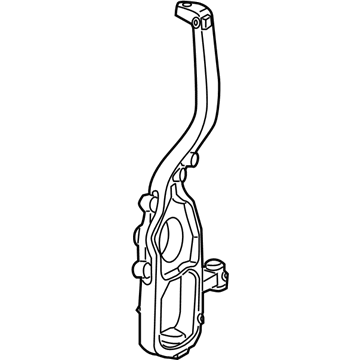
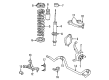
2008 Dodge Charger Knuckle, Front Driver Side Part Number: 4895711AB
Product Specifications- Other Name: Knuckle - Front; Steering Knuckle, Front Left; Knuckle Front
- Position: Front Driver Side
- Replaces: 4895711AA
- Item Weight: 20.70 Pounds
- Item Dimensions: 24.7 x 9.7 x 4.1 inches
- Condition: New
- Fitment Type: Direct Replacement
- SKU: 4895711AB
- Warranty: This genuine part is guaranteed by Mopar's factory warranty.
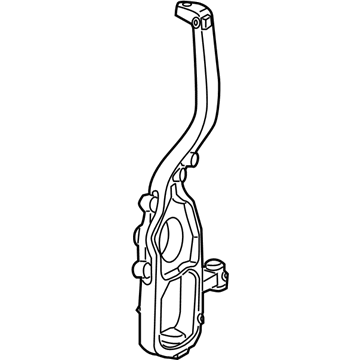 Product Specifications
- Other Name: Knuckle - Front; Steering Knuckle, Front Right; Knuckle Front
- Position: Front Passenger Side
- Replaces: 4895710AA
- Item Weight: 20.70 Pounds
- Item Dimensions: 24.9 x 9.7 x 3.9 inches
- Condition: New
- Fitment Type: Direct Replacement
- SKU: 4895710AB
- Warranty: This genuine part is guaranteed by Mopar's factory warranty.
2008 Dodge Charger Steering Knuckle Parts and Q&A
- Q: How Is the Hub, Bearing, and Dust Shield Installed on a Steering Knuckle on 2008 Dodge Charger?A: Slide the dust shield on the underside of the hub and bearing before inserting the entire unit together into the steering knuckle and adjusting it so the holes align. Clamp the hub and bearing to the frame with four bolts, turning them to 68 Nm (50 ft. lbs.). Remember to check that the isolation washer is available and not damaged, since it can go on the axle half shaft from either side. Then, with the knuckle over the lower ball joint stud, guide the hub and bearing towards the axle half shaft. Put a new nut on the lower ball joint stud, but don't tighten it for now. Put the upper ball joint stud into the knuckle, add the nut and use the appropriate tools to tighten to 47 Nm plus make a 90° turn (equals 35 ft. lbs. plus a 90° turn). Following that, tighten the nut for the lower ball joint using this process to 68 Nm plus 90°. Hold the outer tie rod stud in the knuckle and attach it with a nut, tightened to 85 Nm (63 ft. lbs.). Mount the brake rotor, place the disc brake caliper and put in the adapter assembly. First, place the hub nut at the end of the axle half shaft and have someone apply the brakes as you tighten it down to 213 Nm (157 ft. lbs.). Insert the end of the wheel speed sensor that connects to the cable into the knuckle and screw it in to 11 Nm. After that, install the wheel speed sensor cable routing clip at the knuckle. Place the wheel and tire onto the vehicle, tighten the wheel mounting bolts to 150 Nm (110 ft. lbs.) for civilian cars or to 190 Nm (140 ft. lbs.) for police models. Lower the car, press the brake pedal to make sure it responds well and then move the car. Check the brake fluid level in the reservoir and make any necessary adjustments and then have the car's wheel alignment checked.
Related 2008 Dodge Charger Parts
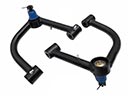 2008 Dodge Charger Control Arm
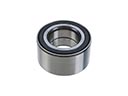 2008 Dodge Charger Wheel Bearing
 2008 Dodge Charger Wheel Hub
 2008 Dodge Charger Wheel Cover
 2008 Dodge Charger Axle Beam Mount
 2008 Dodge Charger Axle Pivot Bushing
 2008 Dodge Charger Axle Support Bushings
 2008 Dodge Charger Lateral Link
 2008 Dodge Charger Shock Absorber
 2008 Dodge Charger Spare Wheel
 2008 Dodge Charger Sway Bar Bracket
 2008 Dodge Charger Sway Bar Bushing