JeepParts
My Garage
My Account
Cart
OEM 2009 Dodge Caliber Trailing Arm
Trailing Control Arm- Select Vehicle by Model
- Select Vehicle by VIN
Select Vehicle by Model
orMake
Model
Year
Select Vehicle by VIN
For the most accurate results, select vehicle by your VIN (Vehicle Identification Number).
2 Trailing Arms found
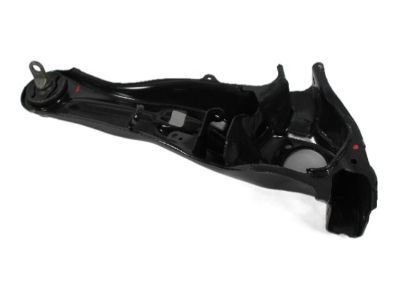
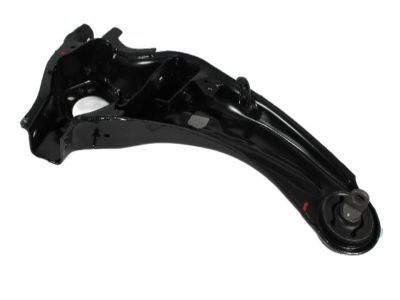
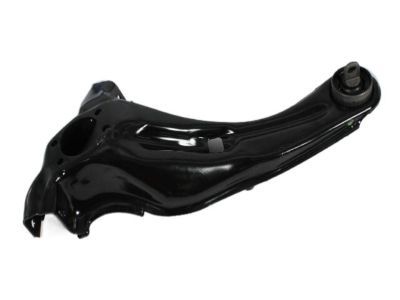
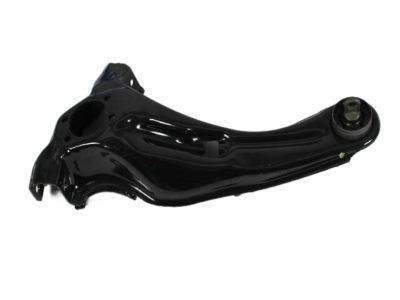
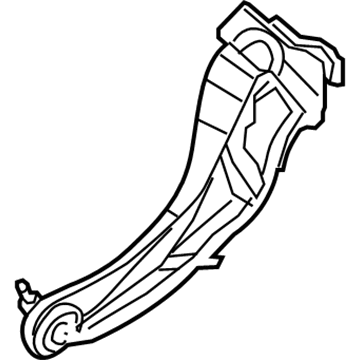
2009 Dodge Caliber Trailing Arm, Rear Passenger Side Part Number: 5105930AB
$159.45 MSRP: $239.00You Save: $79.55 (34%)Product Specifications- Other Name: Link - Trailing Arm; Suspension Trailing Arm, Rear Right; Link Trailing Rear Suspension; Link Trailing Arm; Link
- Position: Rear Passenger Side
- Replaces: 5105930AA, 5272714AD, 5272714AB, 5272714AC, 5272714AA
- Item Weight: 13.70 Pounds
- Item Dimensions: 6.7 x 11.2 x 26.3 inches
- Condition: New
- Fitment Type: Direct Replacement
- SKU: 5105930AB
- Warranty: This genuine part is guaranteed by Mopar's factory warranty.
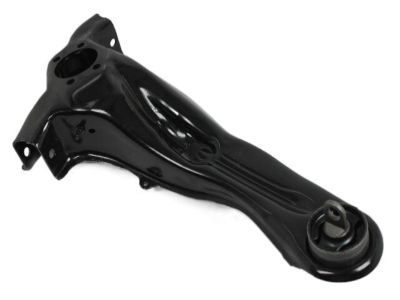
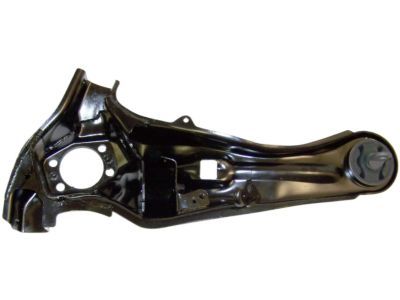
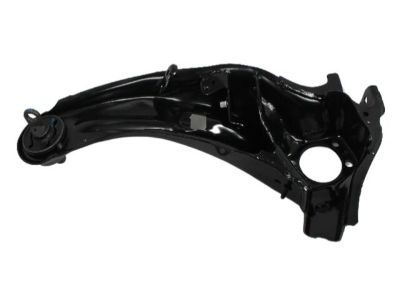
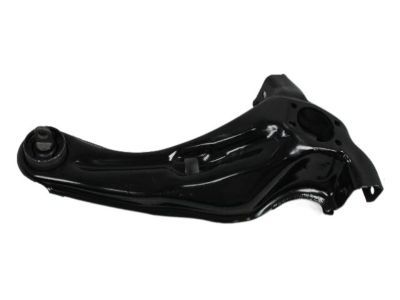
2009 Dodge Caliber Trailing Arm, Rear Driver Side Part Number: 5272715AD
$247.52 MSRP: $374.00You Save: $126.48 (34%)Ships in 1-2 Business DaysProduct Specifications- Other Name: Link - Trailing Arm; Suspension Trailing Arm, Rear Left; Link Trailing Rear Suspension; Link Trailing Arm; Link
- Position: Rear Driver Side
- Replaces: 5272715AA, 5272715AB, 5272715AC
- Item Weight: 13.20 Pounds
- Item Dimensions: 5.5 x 11.4 x 24.9 inches
- Condition: New
- Fitment Type: Direct Replacement
- SKU: 5272715AD
- Warranty: This genuine part is guaranteed by Mopar's factory warranty.
2009 Dodge Caliber Trailing Arm Parts and Q&A
- Q: How to Install a Trailing Arm in the Rear Suspension on 2009 Dodge Caliber?A: Start by placing the trailing link over those two positions on the body and secure it with two bolts, tightening them to a torque of 110 Nm (81 ft. lbs.). After bringing up the upper control arm, fasten it to the trailing link with a bolt and nut, tightening to 95 Nm (70 ft. lbs.) and use another bolt and nut to connect the lower control arm, again tightening to 95 Nm (70 ft. lbs.). Place the bolt through the toe link and the trailing link and insert a prying tool into the body mount bushing while you flex it; finally, tighten the bolt to 95 Nm (70 ft. lbs.). Pass the leading end of the parking brake cable into the bracket from the inside, into the parking brake support plate and use a hair pin to secure it. Join the parking brake cable with the lever on your parking brake shoe. Should the transfer case be equipped, fit the wheel speed sensor to the trailing link, using a 15 Nm (11 ft. lbs.) screw to secure it, then route the sensor using its clip. First install the hub and bearing and then put the brake rotor over the wheel studs. Push the brake caliper and adapter over the brake rotor and plate, connecting them with two bolts tightened to 71 Nm (52 ft. lbs.). Set the brake tube on the trailing link, insert the other end of the tube into its placement in the routing clip and the routing bracket and tighten the nut on the welded stud to 15 Nm (11 ft. lbs.). Place the brake flex hose near the back of the trailing link bracket and hold it in place using a screw torqued to 23 Nm (17 ft. lbs.). Then, install the wheel and tire on your vehicle, tighten the wheel's mounting nuts to the proper value (135 Nm, 100 ft. lbs.), lower the vehicle and align the wheels if needed.
Related 2009 Dodge Caliber Parts
 2009 Dodge Caliber Wheel Bearing
 2009 Dodge Caliber Control Arm
 2009 Dodge Caliber Shock Absorber
 2009 Dodge Caliber Sway Bar Link
 2009 Dodge Caliber Axle Beam Mount
 2009 Dodge Caliber Axle Pivot Bushing
 2009 Dodge Caliber Axle Support Bushings
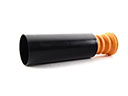 2009 Dodge Caliber Bump Stop
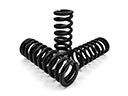 2009 Dodge Caliber Coil Springs
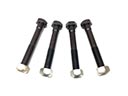 2009 Dodge Caliber Control Arm Bolt
 2009 Dodge Caliber Lateral Link
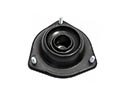 2009 Dodge Caliber Shock And Strut Mount