JeepParts
My Garage
My Account
Cart
OEM Dodge Caliber Trailing Arm
Trailing Control Arm- Select Vehicle by Model
- Select Vehicle by VIN
Select Vehicle by Model
orMake
Model
Year
Select Vehicle by VIN
For the most accurate results, select vehicle by your VIN (Vehicle Identification Number).
2 Trailing Arms found
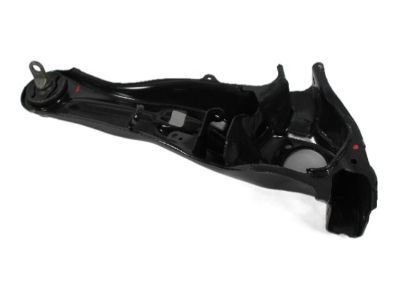
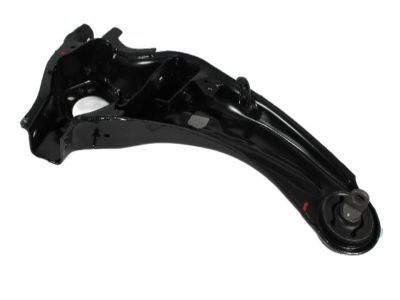
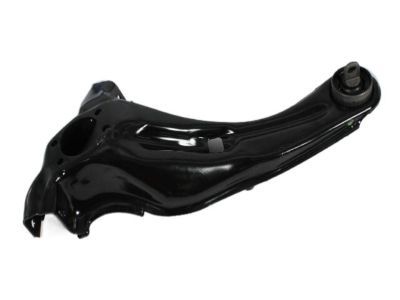
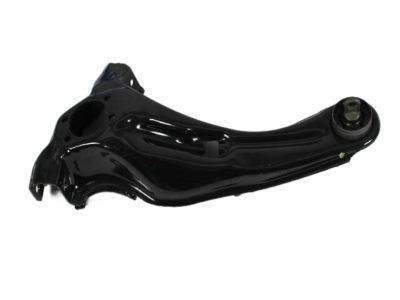
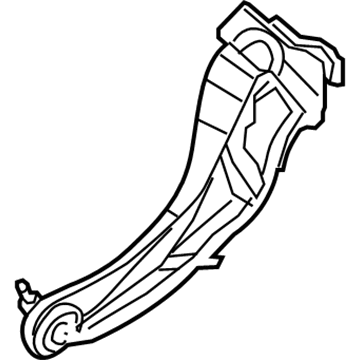
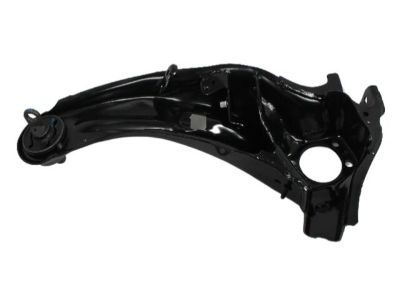
Dodge Caliber Trailing Arm, Rear Passenger Side Part Number: 5105930AB
$135.88 MSRP: $202.00You Save: $66.12 (33%)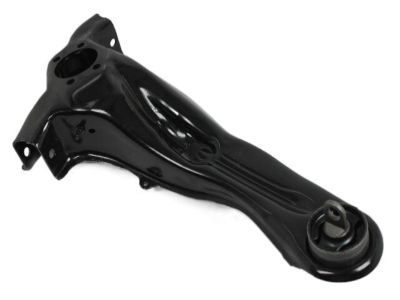
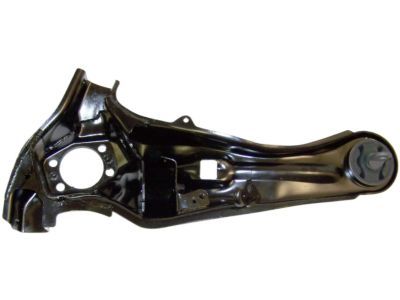
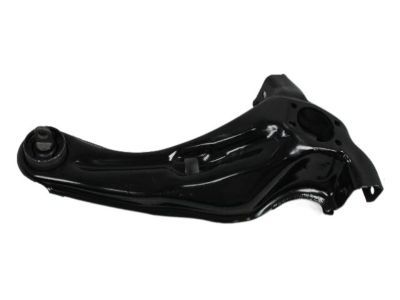
Dodge Caliber Trailing Arm, Rear Driver Side Part Number: 5272715AD
$247.52 MSRP: $374.00You Save: $126.48 (34%)Ships in 1-2 Business Days
Dodge Caliber Trailing Arm
Choose OEM Trailing Arm that meet Dodge factory standards. Dodge designs and tests every component for precision and durability. Each Trailing Arm follows strict manufacturing steps to lock in quality and fit. If your Dodge Caliber matters to you, OEM parts make the smart choice. You'll get the exact look, feel, and performance you expect. Shop genuine Caliber parts at the highly competitive prices online. Enjoy a manufacturer's warranty, a hassle-free return policy, and rapid delivery. No more guesswork with off brands. Get genuine parts with exact fit and true factory performance. Shop with confidence today at JeepPartsDeal.com.
The Dodge Caliber Trailing Arm is critical in the suspension system and it helps improve the vehicle's reliability and performance depending on the maker. This Trailing Arm works by linking the axle to the chassis, and in the process it restricts the motion of the axle thus enhancing the stability and handling system of the car. The Dodge Caliber vehicles being manufactured between 2007 and 2012 have a Trailing-Arm Suspension or a Semi-Trailing Arm Suspension which enhances driving experience. It is most appropriate for the live axle settings and, in general, the Trailing Arm delivers improved stability and better ride quality, whereas the Semi-Trailing Arm has unrestricted possibility of rear suspension, which is independent. The compatibility of this new suspension system with different versions of the Dodge Caliber such as the SE and SXT make is possible to extend the advantages of this innovative suspension system across the entire range. The Dodge Caliber Trailing Arm not only enhances the efficiency and security of the car but also has a positive impact on the car's performance which makes it even special in the automobile marketplace. The high tensile strength Trailing Arm, with its stylish design and engineering, improves the storage area and the comfort of the car, Caliber from Dodge is one of the most sought after compact hatchbacks. Moreover, side and optional curtain airbags of Dodge Caliber mean that the Trailing Arm essentially contributes to the car's safety. In conclusion it can be said that the Dodge Caliber Trailing Arm is a creation of high quality and performance, firmly establishing the brand on the automobile market.
Dodge Caliber Trailing Arm Parts and Q&A
- Q:How to Remove a Trailing Arm on Dodge Caliber?A:Raise and support the vehicle, then loosen the wheel mounting nuts and remove both the wheel and tire assembly to remove the trailing arm. Remove the screw holding the brake flex hose to the trailing link, then take off the nut linking the brake tube routing bracket to the same link. From the leading link, remove the brake tube from its routing clip, then remove the two bolts anchoring the disc Brake Caliper adapter to the brake support plate. Remove both the caliper and the adapter as a set, making sure you hang them out of the way so the hose and tubing aren't stretched. If your vehicle has them, remove the screw joining the wheel speed sensor to the trailing link and the routing clip holding it in place. Take out the Brake Rotor, hub and bearing and separate the Parking Brake Cable from its lever on the parking brake shoe next. Take out the hair pin, release the parking brake cable from the brake support plate, move the assembly off the cable end and pull the cable from the trailing link. Then, take out the bolt from the toe link to the trailing link, then remove the nut and bolt holding the lower Control Arm to the trailing link and finally take out the nut and bolt securing the upper control arm to the trailing link. Turn the leading end of the trailing link backwards and remove the two bolts joining it to the body.
- Q:How to Install a Trailing Arm and Its Components on Dodge Caliber?A:Place the trailing link and fix it to the body with two bolts, then tighten the bolts to 60 Nm (44 ft. lbs.). After that, connect the upper Control Arm to the trailing link with a bolt and nut, tightened to 95 Nm (70 ft. lbs.) and join the lower control arm to the trailing link the same way, likewise tightened to 95 Nm (70 ft. lbs.). Place the securing bolt through the toe link and install it with the trailing link. You may need to bend the bushing a little using a prying tool, followed by tightening to 95 Nm (70 ft. lbs.). Insert the cable through the trailing link at the inner end, then pull it into the brake support plate that holds the Parking Brake Shoes and hold it in place with a hair pin. Fasten the Parking Brake Cable to the lever on the parking brake shoe. If you have a wheel speed sensor, fit it, secure the sensor to the trailing link with a screw and tighten the screw to 18 Nm (13 ft. lbs.) and put a routing clip on top of the sensor. Install the hub and bearing, then put the Brake Rotor onto the wheel studs. Hold the caliper and adapter over the rotor and support plate, slide them together and fix the assembly with two bolts secured to 71 Nm (52 ft. lbs.). On the trailing link, fit the brake tube into the routing clip and bracket and finally tighten the nut on the stud to 15 Nm (11 ft. lbs.). Bring the brake flex hose to the trailing link bracket and put in the mounting screw, tightening it to 23 Nm (17 ft. lbs.). After that, mount the tire and wheel assembly, insert the keys of the nuts to 135 Nm (100 ft. lbs.), lower the vehicle when done and get the wheels aligned if needed.
Related Dodge Caliber Parts
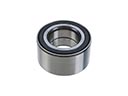 Dodge Caliber Wheel Bearing
 Dodge Caliber Shock Absorber
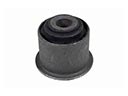 Dodge Caliber Axle Pivot Bushing
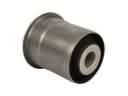 Dodge Caliber Axle Support Bushings
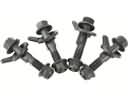 Dodge Caliber Camber and Alignment Kit
 Dodge Caliber Coil Spring Insulator
 Dodge Caliber Control Arm Bolt
 Dodge Caliber Radius Arm
 Dodge Caliber Steering Knuckle
 Dodge Caliber Strut Mounts
 Dodge Caliber Sway Bar Bushing
 Dodge Caliber Sway Bar Link Bushing