JeepParts
My Garage
My Account
Cart
OEM Chrysler 300 Fuel Injector
Gas Injector- Select Vehicle by Model
- Select Vehicle by VIN
Select Vehicle by Model
orMake
Model
Year
Select Vehicle by VIN
For the most accurate results, select vehicle by your VIN (Vehicle Identification Number).
7 Fuel Injectors found
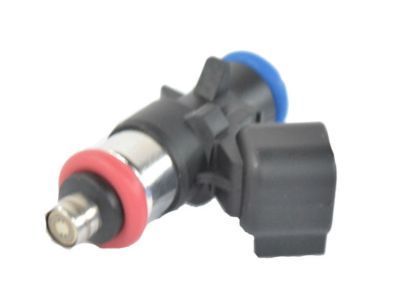
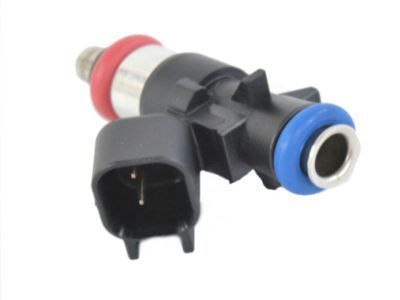
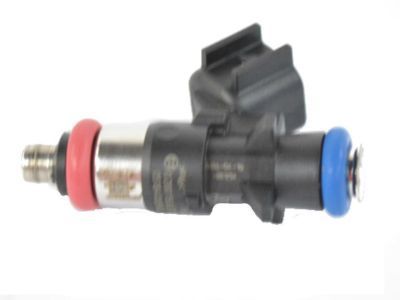
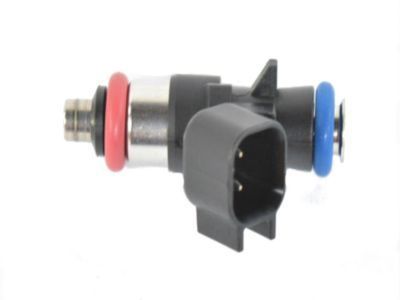
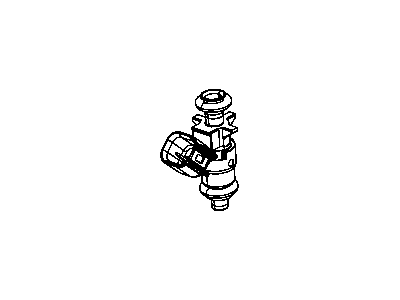
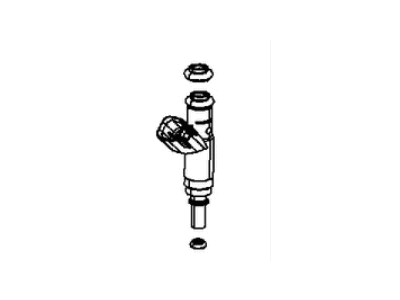
Chrysler 300 Injector Part Number: 5184085AD
$152.96 MSRP: $225.00You Save: $72.04 (33%)Ships in 1-3 Business Days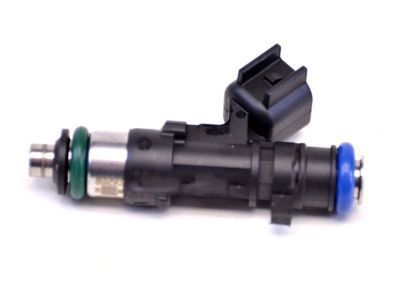
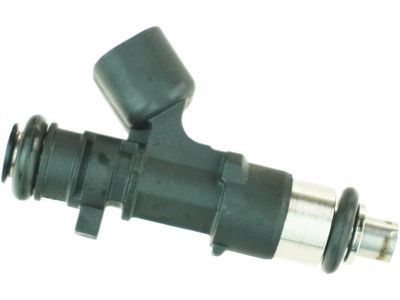
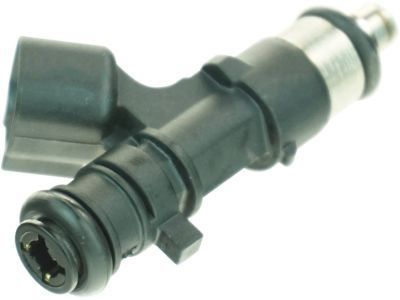
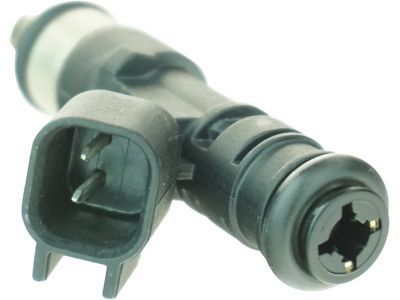
Chrysler 300 Injector Part Number: 4591986AA
$113.42 MSRP: $169.00You Save: $55.58 (33%)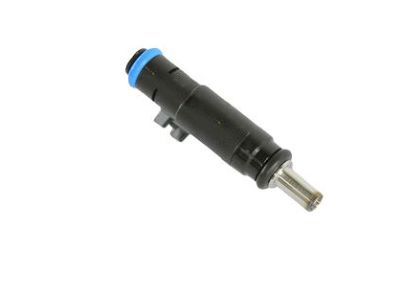
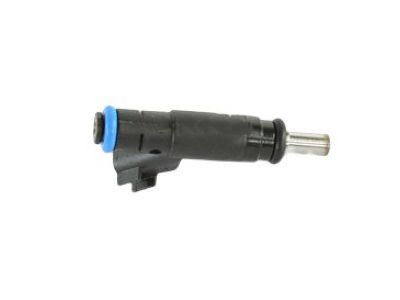
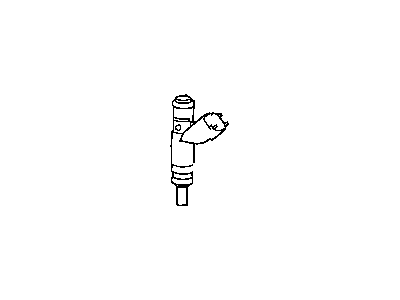
Chrysler 300 Injector Part Number: 4591851AB
Chrysler 300 Injector - Fuel Part Number: 5038337AC
$98.00 MSRP: $145.00You Save: $47.00 (33%)
Chrysler 300 Injector Part Number: 5281568AA
$95.74 MSRP: $140.83You Save: $45.09 (33%)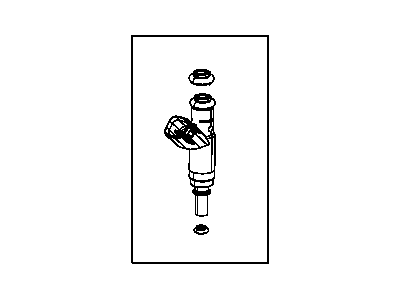
Chrysler 300 Injector - Fuel Part Number: 5037479AE
$114.43 MSRP: $169.00You Save: $54.57 (33%)Chrysler 300 Injector Part Number: 5281900AA
Chrysler 300 Fuel Injector
Choose OEM Fuel Injector that meet Chrysler factory standards. Chrysler designs and tests every component for precision and durability. Each Fuel Injector follows strict manufacturing steps to lock in quality and fit. If your Chrysler 300 matters to you, OEM parts make the smart choice. You'll get the exact look, feel, and performance you expect. Shop genuine 300 parts at the highly competitive prices online. Enjoy a manufacturer's warranty, a hassle-free return policy, and rapid delivery. No more guesswork with off brands. Get genuine parts with exact fit and true factory performance. Shop with confidence today at JeepPartsDeal.com.
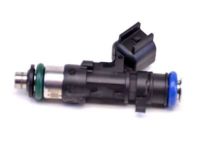
Chrysler 300 automobiles specifically have the Fuel Injector whose role is to inject fuel into the cylinders of the engine so as to create the optimal balance between air and fuel in preparation for combustion. This system is electronically operated through the Engine Control Module (ECM) - depending on the engine load, the timing and the amount of fuel to be injected. Throughout Chrysler 300's production, the company has incorporated different types of Fuel Injectors most of which involved direct and indirect injections. In direct injection the fuel is injected directly into the combustion chamber while in indirect injection for fuel is mixing with air then enters the chamber. These improvements in Fuel Injector improve on the Internal Combustion engine characteristics, thus replacing the carburetor. This is because Chrysler 300 vehicles stall when using faulty Fuel Injectors, and thus calling for timely servicing.
Chrysler 300 Fuel Injector Parts and Q&A
- Q:How to Effectively Service and Repair Fuel Injectors on Chrysler 300?A:You should relieve the fuel system's pressure, because it still remains pressurized even after the engine stops. Take off the negative battery terminal and then remove and lift the Intake Manifold plenum, covering the intake manifold to keep foreign things out. At the rear of the intake manifold, release the quick connect fittings on the fuel supply tube and only if the injector connectors lack their number, add tags to identify them by the cylinders they feed. Take the electrical connectors from the fuel injectors apart and then remove the bolts holding the rail on the engine head to raise the rail straight off. Unfold the retaining clips and extract all of the fuel injectors. Look at the injector O-rings to see if they are damaged; if any are not good, they come out with the faulty injector clips. Put a bit of clean engine oil on the fuel injector O-rings, attach the retaining clips and press the injectors in the rail until the clips are in place. Set the Fuel Rail above the cylinder head and firmly push it while tightening the mounting bolts to 11 N.m (100 in. lbs.) torque. Plug the two connectors from the fuel supply tube at the rear of the intake manifold together, link the electrical connectors again to the fuel injectors and put the intake manifold back in place. Finally, put the negative cable back on the battery, force the fuel system pressure with the scan tool and check for signs of leaks.
- Q:How to Maintain and Fix a Fuel Injector for a 2.7L Engine on Chrysler 300?A:Lubricate the injector O-rings of the 2.7L engine with a few drops of clean engine oil before working on them. Then, fit the retaining clips onto the fuel injectors and drive the injectors against the fuel injector rail until the clips are in their proper places. Place the Fuel Rail over the head of the cylinder and push it in, securing it with 11 Nm (100 in. lbs.) of torque. Join the quick connectings for the fuel supply tube at the Intake Manifold's rear and secure the fuel injector connectors. Once you are done, set the intake manifold plenum in place and connect the negative battery cable. In the very end, use the scan tool to push fuel into the system and check for any leaks.
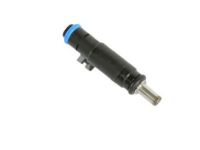
Related Chrysler 300 Parts
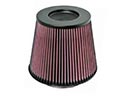 Chrysler 300 Air Filter
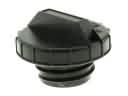 Chrysler 300 Gas Cap
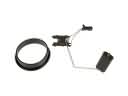 Chrysler 300 Fuel Level Sensor
 Chrysler 300 Fuel Tank
 Chrysler 300 Air Duct
 Chrysler 300 Air Intake Coupling
 Chrysler 300 Air Temperature Sensor
 Chrysler 300 Fuel Filler Hose
 Chrysler 300 Fuel Injector O-Rings
 Chrysler 300 Fuel Line Clamps
 Chrysler 300 Fuel Rail
 Chrysler 300 Fuel Sending Unit