JeepParts
My Garage
My Account
Cart
OEM Chrysler PT Cruiser Parking Brake Cable
Emergency Parking Brake Release Cable- Select Vehicle by Model
- Select Vehicle by VIN
Select Vehicle by Model
orMake
Model
Year
Select Vehicle by VIN
For the most accurate results, select vehicle by your VIN (Vehicle Identification Number).
10 Parking Brake Cables found
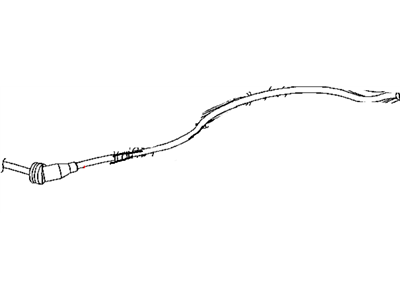
Chrysler PT Cruiser Cable Part Number: 4860078AG
$20.22 MSRP: $68.85You Save: $48.63 (71%)Ships in 1-2 Business Days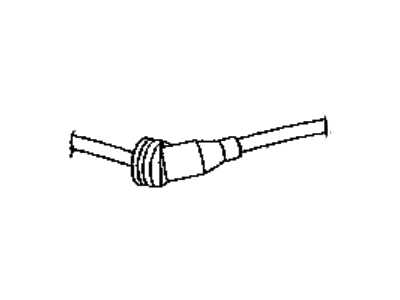
Chrysler PT Cruiser Cable Part Number: 5273960AC
$27.72 MSRP: $53.05You Save: $25.33 (48%)Ships in 1-2 Business Days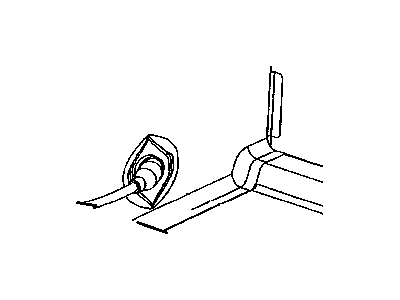
Chrysler PT Cruiser Cable Part Number: 5273965AF
$70.54 MSRP: $99.55You Save: $29.01 (30%)Ships in 1-2 Business Days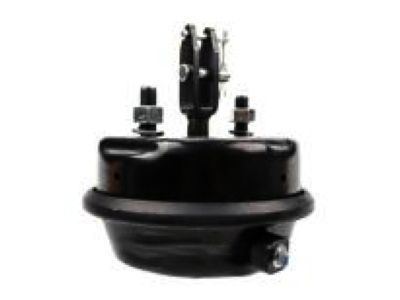
Chrysler PT Cruiser Cable Part Number: 5273961AC
Chrysler PT Cruiser Cable Part Number: 4860076AF
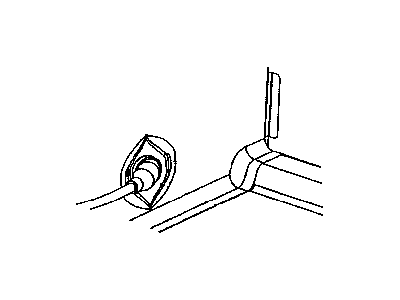
Chrysler PT Cruiser Cable Part Number: 4860077AF
Chrysler PT Cruiser Cable Part Number: 4860079AG
Chrysler PT Cruiser Cable Part Number: 5273220AE
Chrysler PT Cruiser Cable Part Number: 5273964AF
Chrysler PT Cruiser Cable Part Number: 5273221AE
Chrysler PT Cruiser Parking Brake Cable
Choose OEM Parking Brake Cable that meet Chrysler factory standards. Chrysler designs and tests every component for precision and durability. Each Parking Brake Cable follows strict manufacturing steps to lock in quality and fit. If your Chrysler PT Cruiser matters to you, OEM parts make the smart choice. You'll get the exact look, feel, and performance you expect. Shop genuine PT Cruiser parts at the highly competitive prices online. Enjoy a manufacturer's warranty, a hassle-free return policy, and rapid delivery. No more guesswork with off brands. Get genuine parts with exact fit and true factory performance. Shop with confidence today at JeepPartsDeal.com.
The Chrysler PT Cruiser Parking Brake Cable is an important component which proves that the line of Chrysler PT Cruiser cars is worthy of success. This critically important cable links the parking brake system with the brake mechanisms, which would help the car to hold firmly on the position especially on a slope, hence the Chrysler PT Cruiser. Given the fact that several types of Parking Brake Cable exist in relation to the different PT Cruiser models, the styles and materials used affect the systems efficiency and security thereby enhancing the safety of the car. A parking brake cable on a car requires to be checked frequently as mishap may result to inadequate tension or a complete failure of this part which compromises on the safety of the car. The Chrysler PT Cruiser whose design is inspired by the classical styles and brave performance has become not only popular among drivers but rather practical vehicles on the road. Consequently, the Parking Brake Cable is a rather important component when it comes to improvement of the driving experience thanks to properly operating parking brake system, which makes drivers feel more secure. Also, the Chrysler PT Cruiser Parking Brake Cable is(vehicle) versatile because it is designed to fit different models to suit the automobile owners. They are special features that include durability and ability to withstand wear this makes the Parking Brake Cable standout in the market for automobiles especially for the Chrysler PT Cruiser. In conclusion the Chrysler PT Cruiser Parking Brake Cable depicts how much Chrysler values the safety as well as performance of the vehicle making it crucial part of the car.
Chrysler PT Cruiser Parking Brake Cable Parts and Q&A
- Q:How to Service and Repair a Parking Brake Cable on Rear Drum Brake on Chrysler PT Cruiser?A:First, push the parking brake cable through the hole in the floor of the car, making certain the seal is installed properly. Take the cable down through the hole on the trailing arm axle, secure the cable routing brackets to the mounts on the trailing arm and fasten the studs with screws screwed in to 14 Nm (125 in. lbs.). Insert the parking brake cable into the brake support plate and make sure the cable's locking fingers remain opened and tighten on the cable. Attach the end of the parking brake cable to the parking brake wire actuating lever and slide the hub and bearing onto the Spindle. After that, set in place a NEW nut designed to secure the hub and tighten it to 217 Nm (160 ft. lbs.). Put in the hub and the bearing dust cap, attach the Brake Drum next, add the tire and wheel assembly and tighten the wheel mounting nuts to be 135 Nm (100 ft. lbs.). Drop the car to the ground and be sure the seal grommet on the cable is in the floor pan. Take care when using the automatic adjustment setting on the parking brake lever since it includes a Clock Spring under about 19 pounds of force; do not unlock the lockout until the rear cables and equalizer are attached. Pull the parking brake cable through under the carpet and insert it into the retaining bracket on the floor pan until the locking fingers hold it in place. Attach the rear parking brake cables to the equalizer on the parking brake lever cable and check that they are square with the track. Set the parking brake lever up, then immediately remove the pin punch to let the parking brake adjust automatically. Press the parking brake lever one time to adjust the cables and then apply the parking brake completely. Hold up the car by the ground so the rear wheels just clear the floor and then try not moving the wheels with the lever pulled. Pull the parking brake back to where it is released, then confirm that the drums are moving smoothly and correctly, without doing too much work. Press the brake pedal, lower the car, screw in the center and rear switch panels, remove the bricks from the tires and wheels and hook the battery negative cable to the post on the battery.
- Q:How to Maintain and Fix a Parking Brake Cable on Chrysler PT Cruiser?A:Before working on the parking brake cable, make sure you turned off the negative Battery Cable and waited for two minutes for the air bag system capacitor to drain completely. Open the flap covering the air cleaner and move it out of the way and then use blocks to keep the tires from turning. Take out the transmission Shift Knob if you need to, place the parking brake lever all the way over to the OFF position and remove the screws and rear window switch panel to remove the Center Console. Move the parking brake cable or equalizer back 25.4 mm (1 inch) and hold the cable, then pull the parking brake handle up to its upright maximum point. Take out the center console and insert a pin punch through the lever bracket hole, just above the parking brake automatic adjustment mechanism, so that the cables are not held tight. Pull out the rear parking brake cables from the equalizer, lift the rear Seat Cushion and pull the rear carpeting forward so you can reach the cables. With a 1/2 inch wrench, press down on the parking brake cable retainer and remove the cable housing from the bracket. Raise the car, take out the rear tire and wheel set and if your rear brakes rely on drums, remove that drum. When brakes are in the rear, unscrew the guide pin bolts, hang the caliper aside and pull off the rotor. Take the hub and bearing out by removing their dust cap and the retaining nut. In rear drum brake cars, disconnect the parking brake cable from both the actuating lever and the brake support plate using a 1/2 inch box wrench. In rear disc brake cars, detach the lever on the parking brake actuator and detach the cable from the rear disc brake adapter. Pull the fasteners securing the cable out and remove the routing brackets from the axle trailing arm and then take out the cable through the hole in the trailing arm and off the floor pan. First, push the cable through the floor pan with the grommet completely in place; then follow it through the axle trailing arm and secure it with fasteners tightened to 11 Nm (100 inch lbs.). Push the cable into the brake support plate or rear disc brake adapter, opening up the locking fingers as you press it. When using drum brakes, fix the cable onto the parking brake actuating lever and install the acting spring. In disc brake vehicles, fit the parking brake shoes actuator lever and the shoe assemblies. Replace the hub and bearing and attach with a new retaining nut tightened to 217 Nm (160 ft. lbs.), followed by the dust cap, the Brake Drum or rotor and caliper and secure the caliper guide pin bolts to 22 Nm (192 inch lbs.). After installing the rear tire and wheel, tighten every wheel nut to 135 Nm or 100 ft. lbs.), bring the vehicle down and check that the seal grommet isn't loose. Route the cable for the parking brake beneath the carpeting to the holding bracket, put the bracket into place and link the rear parking brake cables to the equalizer. To begin, pull the parking brake handle up all the way, remove the pin punch to let the system work and finally fit in the center console and rear window switch panel. Pull the parking brake lever to place the cables correctly, confirm that the rear wheels spin as they should, activate the parking brake, take away any tire blocks, connect the negative terminal of the battery and replace the air cleaner cover.
Related Chrysler PT Cruiser Parts
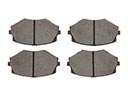 Chrysler PT Cruiser Brake Pads
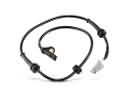 Chrysler PT Cruiser ABS Sensor
 Chrysler PT Cruiser Brake Caliper
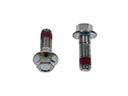 Chrysler PT Cruiser Brake Caliper Bolt
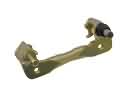 Chrysler PT Cruiser Brake Caliper Bracket
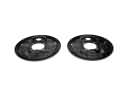 Chrysler PT Cruiser Brake Dust Shields
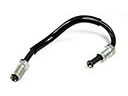 Chrysler PT Cruiser Brake Line
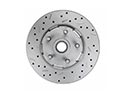 Chrysler PT Cruiser Brake Rotor
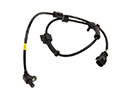 Chrysler PT Cruiser Speed Sensor
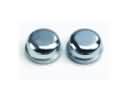 Chrysler PT Cruiser Wheel Bearing Dust Cap
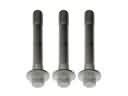 Chrysler PT Cruiser Wheel Hub Bolt
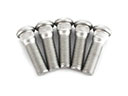 Chrysler PT Cruiser Wheel Stud