JeepParts
My Garage
My Account
Cart
OEM Dodge Avenger Brake Shoe Set
Brake Shoe- Select Vehicle by Model
- Select Vehicle by VIN
Select Vehicle by Model
orMake
Model
Year
Select Vehicle by VIN
For the most accurate results, select vehicle by your VIN (Vehicle Identification Number).
4 Brake Shoe Sets found
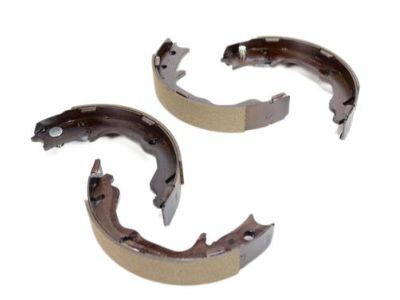
Dodge Avenger Parking Brake Shoes, Rear Part Number: 5191215AB
$87.42 MSRP: $130.90You Save: $43.48 (34%)Ships in 1-2 Business Days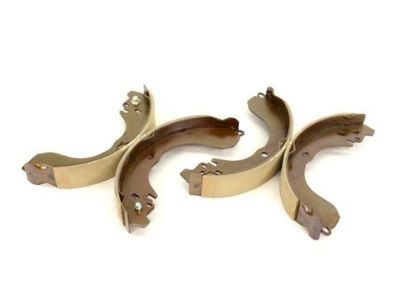
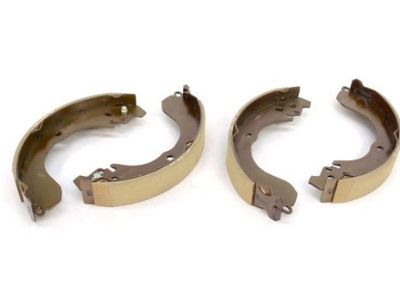
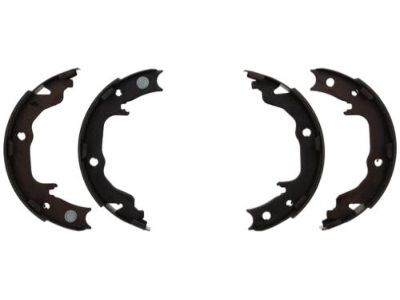
Dodge Avenger Brake Shoes, Rear Part Number: 5191306AA
$52.09 MSRP: $77.20You Save: $25.11 (33%)Ships in 1-2 Business Days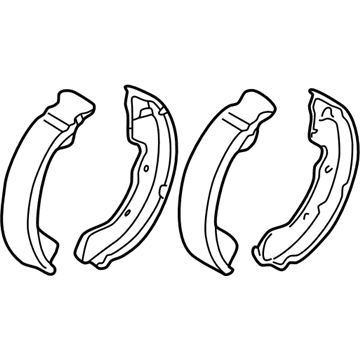
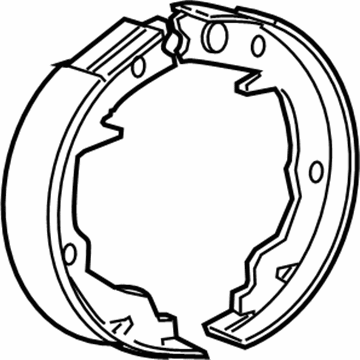
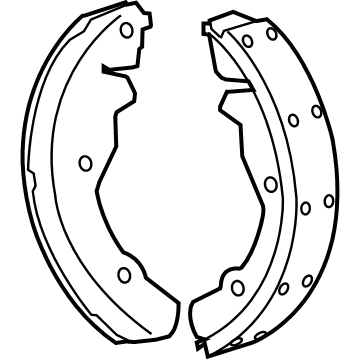
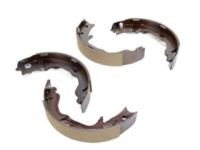
Dodge Avenger Brake Shoes, Rear Part Number: MR128640
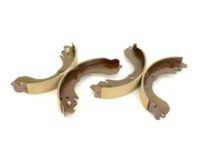
Dodge Avenger Brake Shoes Part Number: MB950211
Dodge Avenger Brake Shoe Set
Choose OEM Brake Shoe Set that meet Dodge factory standards. Dodge designs and tests every component for precision and durability. Each Brake Shoe Set follows strict manufacturing steps to lock in quality and fit. If your Dodge Avenger matters to you, OEM parts make the smart choice. You'll get the exact look, feel, and performance you expect. Shop genuine Avenger parts at the highly competitive prices online. Enjoy a manufacturer's warranty, a hassle-free return policy, and rapid delivery. No more guesswork with off brands. Get genuine parts with exact fit and true factory performance. Shop with confidence today at JeepPartsDeal.com.
Dodge Avenger Brake Shoe Set Parts and Q&A
- Q:How to remove and replace the Brake Shoe Set on Dodge Avenger?A:Put the parking brake a released position and raise It up on a hoist to remove and replace the brake shoes. First remove the nuts securing the wheel, and remove the rear tire and wheel assembly and brake drum. Now, remove the lower shoe spring, and then compress and remove the hold-down spring that secures the rear shoe to the support plate. To access the connection of the parking brake cable at the lever, pull the rear shoe away from the anchor. Then, compress the cable return spring and detach the parking brake cable from the lever. After that compress and remove the hold down spring that retains the front shoe to the support plate and remove both brake shoes from the wheel cylinder. Remove both shoes and other parts as an assembly from the opening between the wheel cylinder and the support plate hub and bearing and place the shoe assembly outboard-side up on a flat surface. Take out the adjuster spring from the leading shoe, and the lever pawl from the pivot on the rear shoe. Detach the return spring for the upper shoe and the adjuster from the shoes and parking brake lever for further assembly (inboard side of the shoe).
- Q:How to install a Brake Shoe Set on Dodge Avenger?A:To install the brake shoes, first apply Mopar(R) Brake Lubricant or equivalent to the contact areas of the shoe. The lubricate contact points of the support plate and anchor with Mopar(R) Brake Lubricant or equivalent. Lubricate the threads of the adjuster screw, which requires turning the adjuster wheel in until it is bottomed out. On a level surface, place one front shoe and one rear shoe inboard-side-up with the rear shoe having the parking brake lever. Fit the adjuster rearward between the two brake shoes, adjusting the adjuster wheel towards rear. Wide notch in rear fork should fit on parking brake lever. The upper return spring should be installed; after, flip the shoe assembly to show outboard side The lever pawl is installed onto the pivot on the rear shoe followed by the adjuster spring between the front shoe and the lever pawl. Introduce the pre-assembled brake shoe assembly into the cavity located between the wheel cylinder and the hub and bearing of the support plate; insert the upper tips of the brake shoes into the grooves of the pistons of the wheel cylinder. Align the lower part of the front shoe with the anchor pin, and alongside this process, introduce a shoe hold-down pin from behind through the support plate and front shoe, before compressing and inserting hold-down spring for fixing the front shoe to the support plate. Contract the parking brake channel return spring and carefully install the cable over the parking brake lever, releasing the compression of the spring beneath the retaining tab of the lever. The rear shoe's bottom should be placed against the anchor pin. Then, installing a shoe hold-down pin from back to front through the support plate and rear shoe, the hold-down spring should be compressed and installed to the rear shoe to the support plate. Install the lower shoe spring while also adjusting the brake shoes to the drum diameter with a brake shoe gauge. Install the brake drum and the tire and wheel assembly, tightening the wheel mounting nuts to 135 Nm (100 ft. lbs.). Both rear wheels should be slowly rotated to check for light dragging of the brake drums on the shoes, making further adjustments as necessary. Finally, lower the vehicle back to the ground and road test it, coming to a stop both forwards and in reverse. This allows for the automatic-adjuster to continue making any adjustments to the brakes.
Related Dodge Avenger Parts
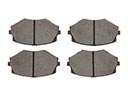 Dodge Avenger Brake Pads
 Dodge Avenger Brake Caliper
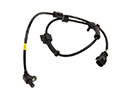 Dodge Avenger Speed Sensor
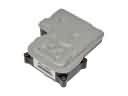 Dodge Avenger ABS Control Module
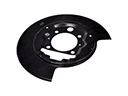 Dodge Avenger Backing Plate
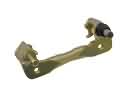 Dodge Avenger Brake Caliper Bracket
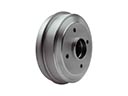 Dodge Avenger Brake Drum
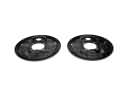 Dodge Avenger Brake Dust Shields
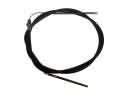 Dodge Avenger Parking Brake Cable
 Dodge Avenger Wheel Cylinder
 Dodge Avenger Wheel Hub Bolt
 Dodge Avenger Wheel Stud