JeepParts
My Garage
My Account
Cart
OEM Dodge Challenger A/C Hose
Air Conditioning Hose- Select Vehicle by Model
- Select Vehicle by VIN
Select Vehicle by Model
orMake
Model
Year
Select Vehicle by VIN
For the most accurate results, select vehicle by your VIN (Vehicle Identification Number).
35 A/C Hoses found
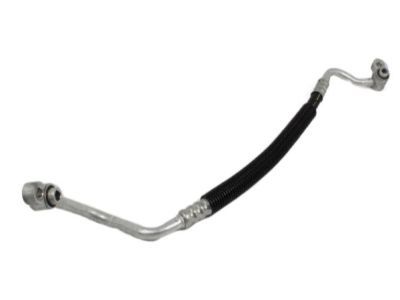

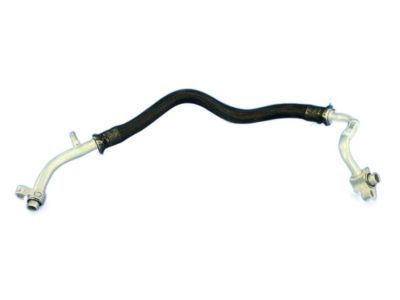
Dodge Challenger Discharge Hose Part Number: 55038153AB
$66.51 MSRP: $102.13You Save: $35.62 (35%)Ships in 1-2 Business Days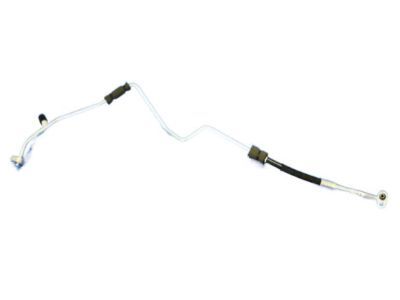
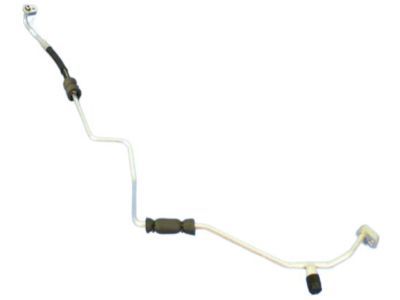
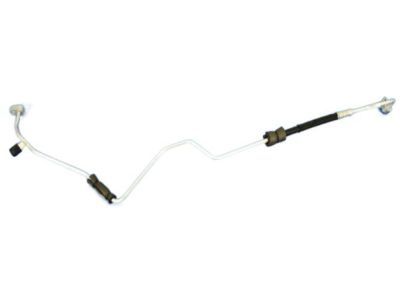
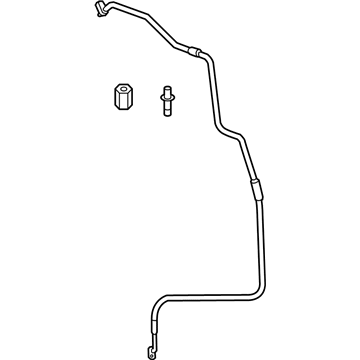
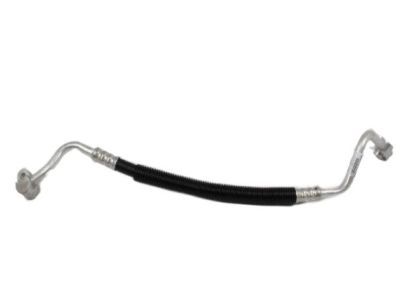
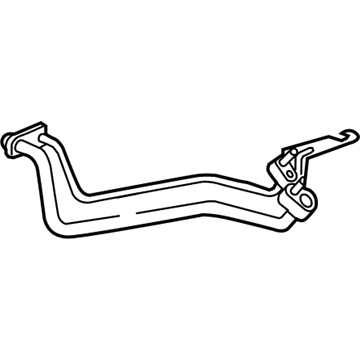
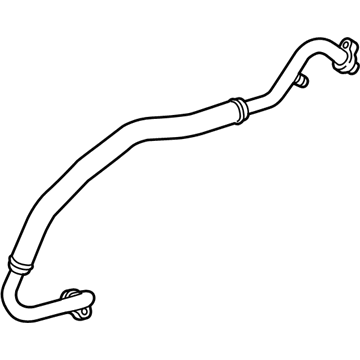
Dodge Challenger Suction Hose Part Number: 55111273AC
$69.52 MSRP: $106.38You Save: $36.86 (35%)Ships in 1-2 Business Days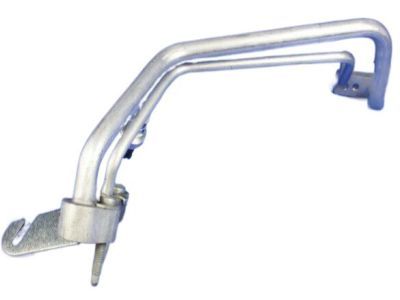
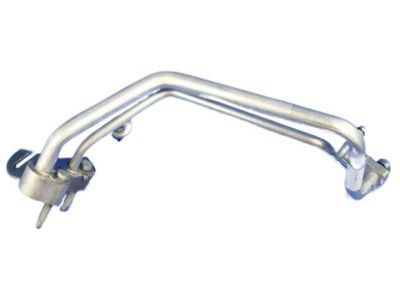
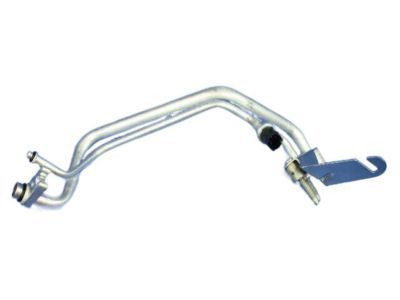
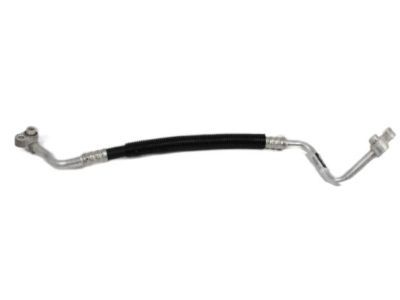
Dodge Challenger A/C Line Part Number: 4596887AA
$235.37 MSRP: $359.00You Save: $123.63 (35%)Ships in 1-2 Business Days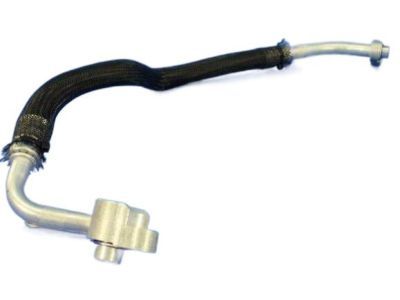
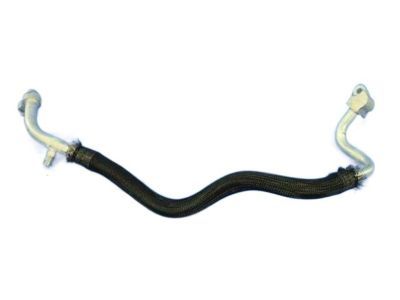
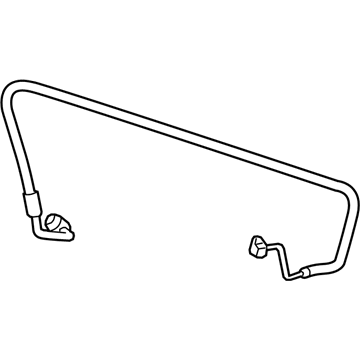
Dodge Challenger Suction Hose Part Number: 68245374AA
$146.07 MSRP: $219.00You Save: $72.93 (34%)Ships in 1-2 Business Days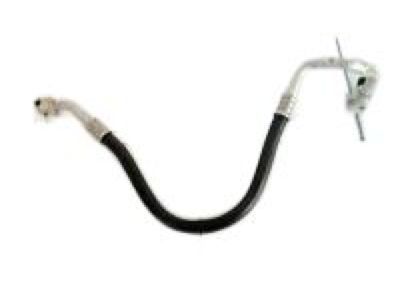
Dodge Challenger Suction Hose Part Number: 68223577AD
$148.30 MSRP: $224.00You Save: $75.70 (34%)Ships in 1-2 Business Days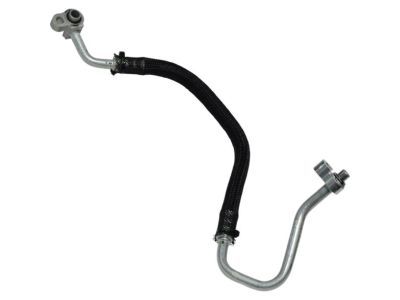
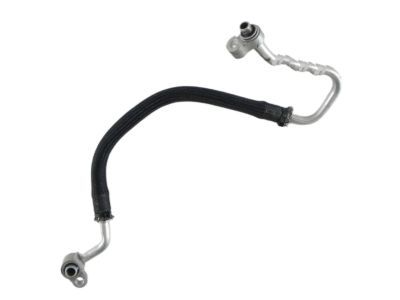
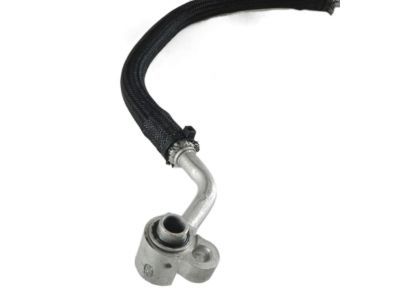
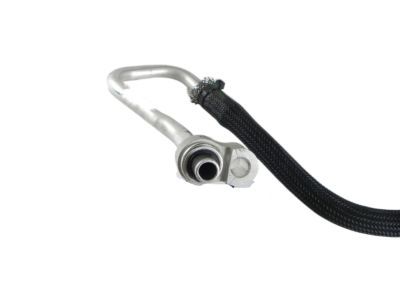
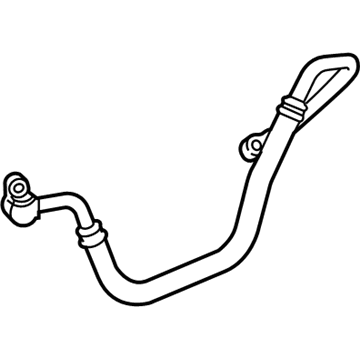
Dodge Challenger Discharge Hose Part Number: 68158879AB
$48.49 MSRP: $72.10You Save: $23.61 (33%)Ships in 1-2 Business Days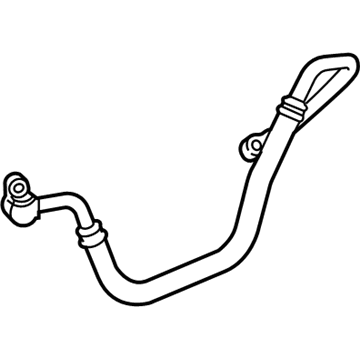
Dodge Challenger Discharge Hose Part Number: 68223576AC
$74.76 MSRP: $115.00You Save: $40.24 (35%)Ships in 1-2 Business Days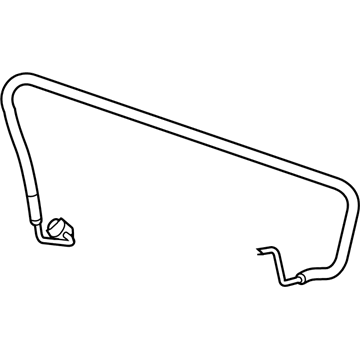
Dodge Challenger Discharge Hose Part Number: 4596893AB
$84.25 MSRP: $113.00You Save: $28.75 (26%)Ships in 1-2 Business DaysDodge Challenger Discharge Hose Part Number: 4596611AD
$57.42 MSRP: $88.63You Save: $31.21 (36%)Ships in 1-3 Business Days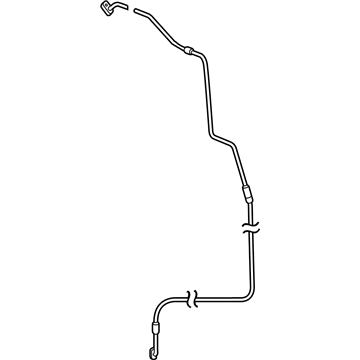
Dodge Challenger Discharge Hose Part Number: 4596889AC
$82.34 MSRP: $126.00You Save: $43.66 (35%)Ships in 1-2 Business Days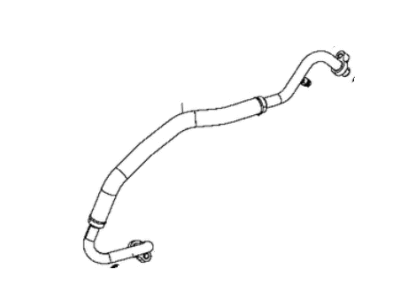
Dodge Challenger Suction Hose Part Number: 68382278AC
$340.34 MSRP: $519.00You Save: $178.66 (35%)Ships in 1-2 Business Days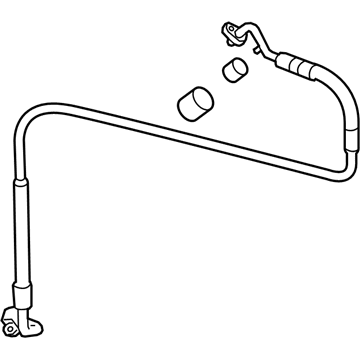
Dodge Challenger Suction Hose Part Number: 4596610AG
$69.58 MSRP: $105.76You Save: $36.18 (35%)Ships in 1-2 Business Days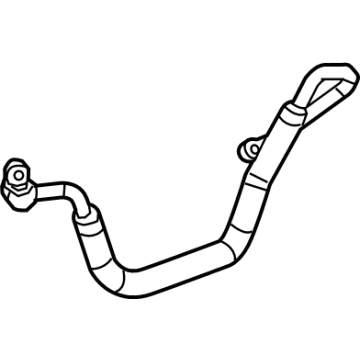
Dodge Challenger Discharge Hose Part Number: 68196551AA
$98.23 MSRP: $147.00You Save: $48.77 (34%)Ships in 1-2 Business Days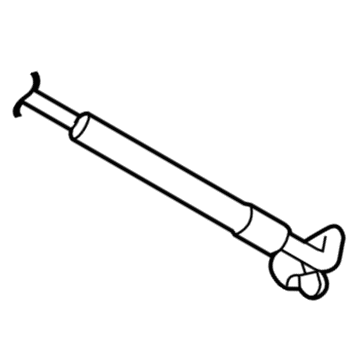
Dodge Challenger Suction Hose Part Number: 4596896AB
$141.53 MSRP: $187.00You Save: $45.47 (25%)Ships in 1-2 Business Days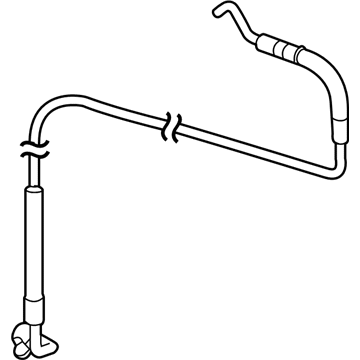
Dodge Challenger Suction Hose Part Number: 4596897AB
$131.39 MSRP: $196.00You Save: $64.61 (33%)Ships in 1-2 Business Days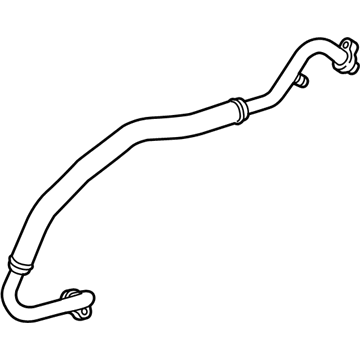
Dodge Challenger Suction Hose Part Number: 68158875AD
$133.80 MSRP: $200.00You Save: $66.20 (34%)Ships in 1-2 Business DaysDodge Challenger Suction Hose Part Number: 68197721AD
$94.44 MSRP: $143.18You Save: $48.74 (35%)Ships in 1-2 Business Days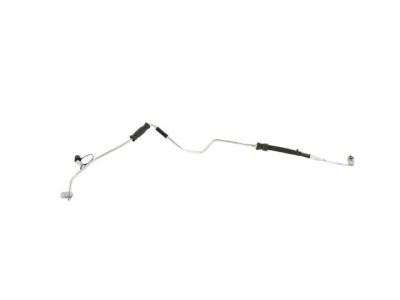
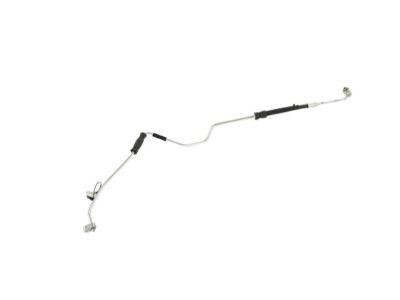
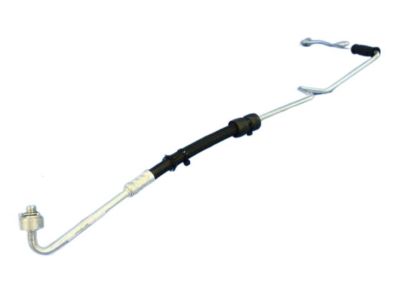
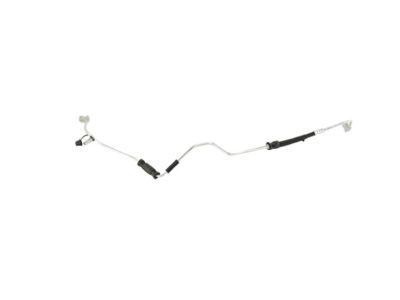
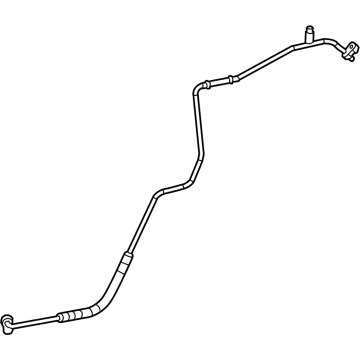
Dodge Challenger Liquid Line Part Number: 68197719AE
$99.36 MSRP: $150.00You Save: $50.64 (34%)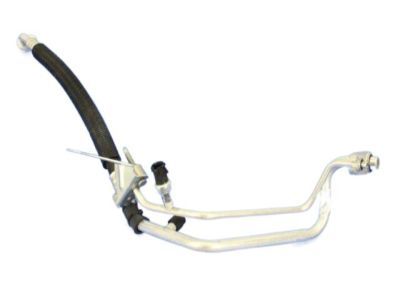
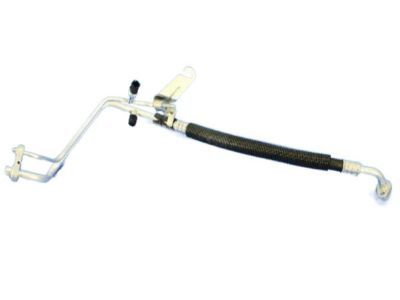
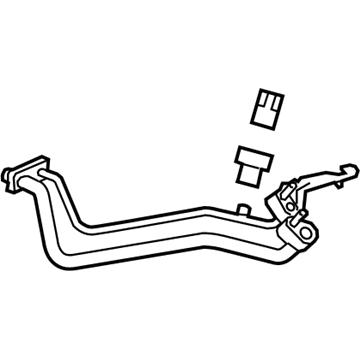
Dodge Challenger A/C Line Part Number: 55038154AD
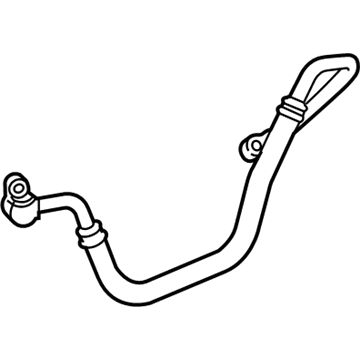
Dodge Challenger Discharge Hose Part Number: 68158881AA
$90.75 MSRP: $134.00You Save: $43.25 (33%)
| Page 1 of 2 |Next >
1-20 of 35 Results
Dodge Challenger A/C Hose
Choose OEM A/C Hose that meet Dodge factory standards. Dodge designs and tests every component for precision and durability. Each A/C Hose follows strict manufacturing steps to lock in quality and fit. If your Dodge Challenger matters to you, OEM parts make the smart choice. You'll get the exact look, feel, and performance you expect. Shop genuine Challenger parts at the highly competitive prices online. Enjoy a manufacturer's warranty, a hassle-free return policy, and rapid delivery. No more guesswork with off brands. Get genuine parts with exact fit and true factory performance. Shop with confidence today at JeepPartsDeal.com.
Buying a Dodge Challenger A/C Hose guarantees that drivers of Dodge Challenger vehicles get to benefit from the car's air conditioning system as it was intended in that model. Intended for conveying of refrigerant from the compressor to the other component of the A/C system, this A/C Hose is for refrigerant in gaseous state and is manufactured to accommodate the pressure created by gases. On each end, aluminum fittings are incorporated in the drain and they are crimped so as to avoid any chance of leakage and also to give the drain a lasting impact. Its compatibility with the different Dodge Challenger models of different generations speaks also about its versatility of the A/C Hose and its importance in ensuring proper climate control of the famous automobiles. The A/C Hose requires periodic checks and replacement because the factors like, vibration, temperature differences and chemical exposure have adverse effects on hoses and may result into leaks or system failures. The Dodge Challenger A/C Hose furthers the operation of the air conditioning and adds to the safety and comfort of driving. Some of the separating factors that pencil it out in the automotive industry include durability and care put in engineering to make it durable enough to serve the owners of the Dodge Challenger a decent ride. In conclusion, the Dodge Challenger A/C Hose is proven to possess the brand's quality and, therefore, is a must-have for the Dodge Challenger's air conditioning system.
Dodge Challenger A/C Hose Parts and Q&A
- Q:How to Install an A/C Hose for the Liquid Line on Dodge Challenger?A:Ensure you set the refrigerant oil to the proper level first to protect the compressor during A/C installation. For multiple replacement parts, use the Refrigerant Oil Capacities chart to find out the right amount of oil to use. Remove and install new O-ring seals and gaskets whenever you disconnect the refrigerant lines. A front section and rear section make up the A/C liquid line and the rear section is combined with the A/C suction line for servicing. For this step, place the front section in the engine compartment, reach in and remove the tape from the fittings, apply some clean refrigerant oil to the seal and attach it to the liquid line fitting. Arch the front section in the rear section and secure it with a nut that is tightened to 22 Nm (16 ft. lbs.). Jack the vehicle, get rid of the tape or plugs covering the front section fitting and the condenser outlet, grease another dual plane seal, attach the liquid line to the condenser and tighten the mounting nut to 22 Nm (16 ft. lbs.). Attach the front belly pan again, lower the car, secure the air cleaner housing, reattach the negative battery cable, not to mention clear the refrigerant system, make sure the oil level is right and add enough refrigerant. For the rear, if you remove it, put the A/C pressure transducer on the A/C liquid line, set the rear and suction line assembly in the engine compartment, remove plugs or tape from the fittings, lubricate the new dual seals and link up the lines to the A/C Expansion Valve. The tapping block needs a nut tightened to 23 Nm (17 ft. lbs.) and the refrigerant line mounting bracket to the left front shock tower, bolt tightened to 11 Nm (97 in. lbs.). Feed the wire harness into the A/C pressure transducer, link the front part of the A/C liquid line to the rear section and tighten the nut to 22 Nm (16 ft. lbs.). Repeat the lubrication and connection on the A/C suction line, tighten the securing nut to 22 Nm (16 ft. lbs.), install the air cleaner housing, reconnect the negative battery cable, evacuate the system, add the required refrigerant oil and finally charge the refrigerant.
Related Dodge Challenger Parts
 Dodge Challenger Blower Motor
 Dodge Challenger Heater Core
 Dodge Challenger A/C Compressor
 Dodge Challenger A/C Compressor Clutch
 Dodge Challenger A/C Compressor Cut-Out Switches
 Dodge Challenger A/C Condenser
 Dodge Challenger A/C Expansion Valve
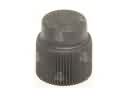 Dodge Challenger A/C Service Cap
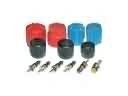 Dodge Challenger A/C System Valve Core
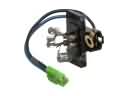 Dodge Challenger Blower Motor Resistor
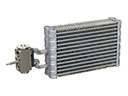 Dodge Challenger Evaporator
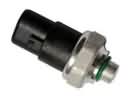 Dodge Challenger HVAC Pressure Switch
Browse Dodge Challenger A/C Hose by Years
2023
2022
2021
2020
2019
2018
2017
2016
2015
2014
2013
2012
2011
2010
2009
2008