JeepParts
My Garage
My Account
Cart
OEM Dodge Dakota Slip Yoke
Transmission Slip Yoke- Select Vehicle by Model
- Select Vehicle by VIN
Select Vehicle by Model
orMake
Model
Year
Select Vehicle by VIN
For the most accurate results, select vehicle by your VIN (Vehicle Identification Number).
18 Slip Yokes found
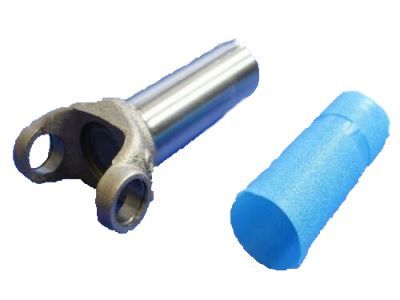
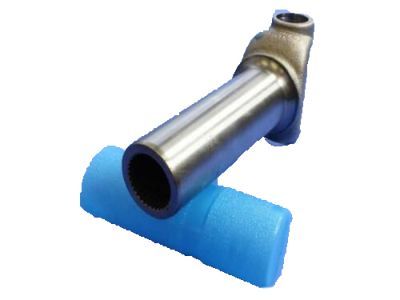
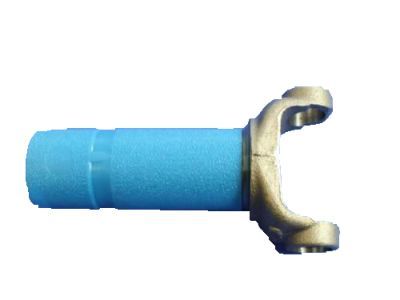
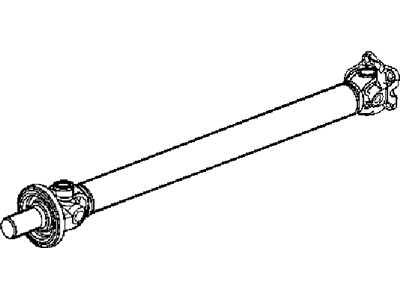
Dodge Dakota Slip Yoke Part Number: 5014043AA
$226.34 MSRP: $512.00You Save: $285.66 (56%)Ships in 1-2 Business Days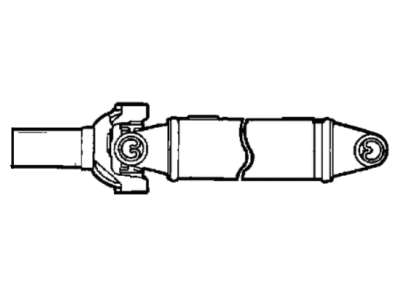
Dodge Dakota Slip Yoke Part Number: 4384329AC
$105.65 MSRP: $156.00You Save: $50.35 (33%)Ships in 1-2 Business Days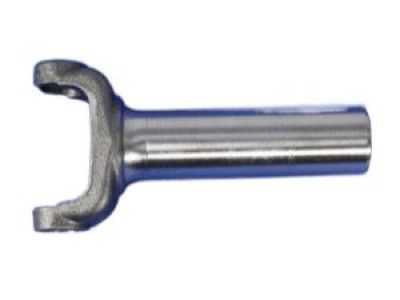
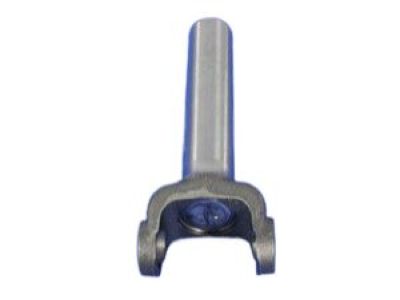
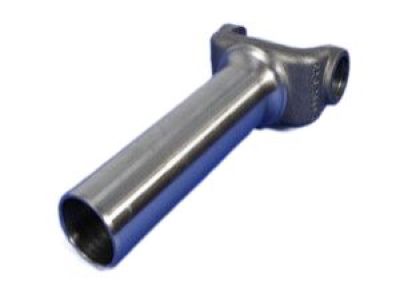
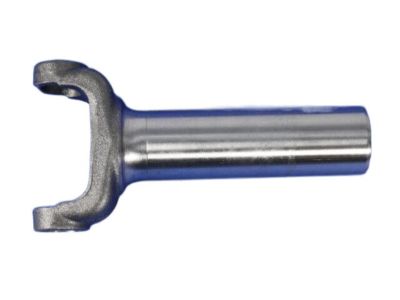
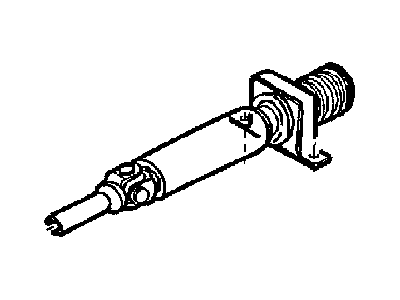
Dodge Dakota Slip Yoke Part Number: 5014044AA
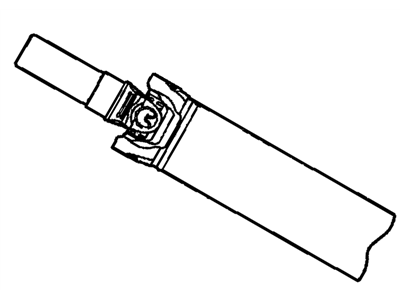
Dodge Dakota Slip Yoke Part Number: 5014040AA
$105.14 MSRP: $155.00You Save: $49.86 (33%)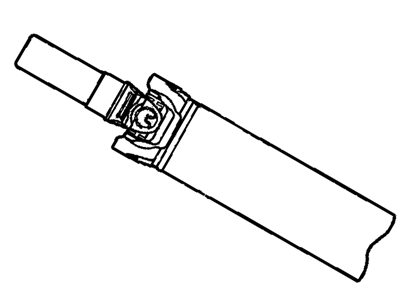
Dodge Dakota Slip Yoke Part Number: 5114568AB
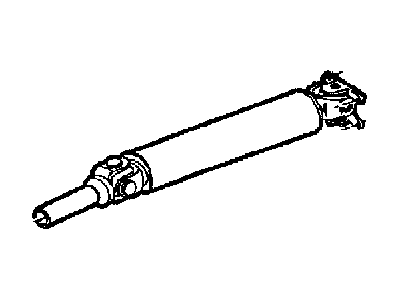
Dodge Dakota Slip Yoke Part Number: 5080663AA

Dodge Dakota Slip Yoke Part Number: 4384653
Dodge Dakota Slip Yoke Part Number: 4384586
Dodge Dakota Slip Yoke Part Number: 3723251
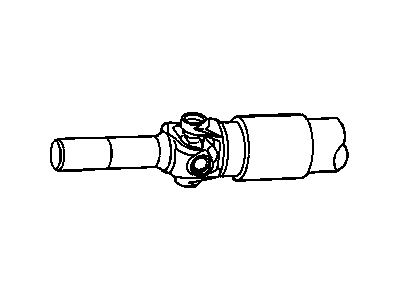
Dodge Dakota Slip Yoke Part Number: 5135581AA
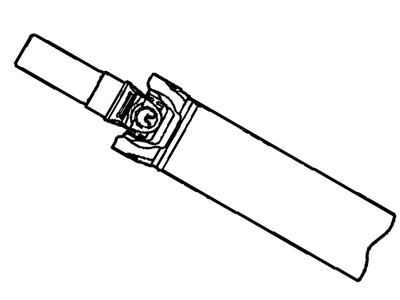
Dodge Dakota Slip Yoke Part Number: 52087618AB
Dodge Dakota Slip Yoke Part Number: 52097682AB
Dodge Dakota Slip Yoke Part Number: 2852323
Dodge Dakota Slip Yoke Part Number: 52097823AB
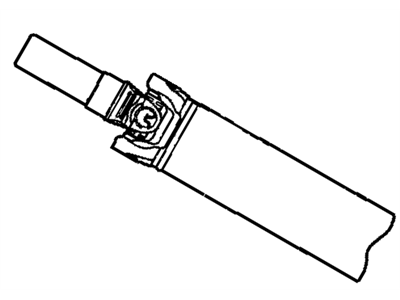
Dodge Dakota Slip Yoke Part Number: 5014058AA
Dodge Dakota Slip Yoke Part Number: 68049336AA
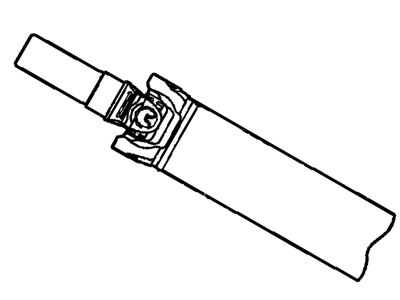
Dodge Dakota Slip Yoke Part Number: 5003633AA
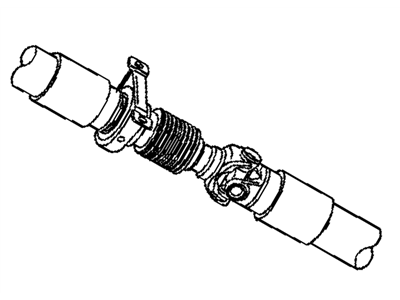
Dodge Dakota Slip Yoke Part Number: 5014056AA
Dodge Dakota Slip Yoke
Choose OEM Slip Yoke that meet Dodge factory standards. Dodge designs and tests every component for precision and durability. Each Slip Yoke follows strict manufacturing steps to lock in quality and fit. If your Dodge Dakota matters to you, OEM parts make the smart choice. You'll get the exact look, feel, and performance you expect. Shop genuine Dakota parts at the highly competitive prices online. Enjoy a manufacturer's warranty, a hassle-free return policy, and rapid delivery. No more guesswork with off brands. Get genuine parts with exact fit and true factory performance. Shop with confidence today at JeepPartsDeal.com.
The Dodge Dakota Slip Yoke permits the driveshaft to slide in and out with each bump and allows torque to flow. The steel barrel of the anchor features precision splines that secure on the transmission output shaft while a polished surface glides on the tail housing bushing, making vibration low and seals tight. The component follows the suspension's motion, which prevents a binding condition that may cause cracking of U-joints and contains the fluid leak. Periodic inspection of the Slip Yoke is necessary while servicing the U-joint. If kept clean and greased, the Slip Yoke lasts the life of a truck and saves drivers costly drivetrain repairs. The midsize Dodge truck frame is agile in city lanes, but the boxed rails can haul heavy payloads on weekend projects just like this vital part. One cannot help but admire the Dodge Dakota. The optional 3.9-liter V6 engine provides ample torque for daily commutes. Moreover, the available 5.2 or 5.9-liter V8 engines provide power for towing boats and trailers. Various owners commend the seamless 45RFE automatic transmission. Furthermore, the later Quad Cab editions provide full-sized seating so friends ride comfortably. When a Dakota has a good value, this shows that it has standard airbags and ABS that give confidence and the tough reputation of Dodge that creates loyal followers to not only make it an acceptable pickup truck but also a hard-working Dakota. Mark the shaft, remove the old Slip Yoke, grease the splines, slide on the new Slip Yoke, tighten the bolts, and refill the fluid.
Related Dodge Dakota Parts
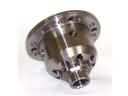 Dodge Dakota Differential
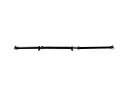 Dodge Dakota Drive Shaft
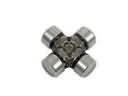 Dodge Dakota Universal Joint
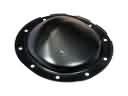 Dodge Dakota Differential Cover
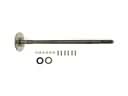 Dodge Dakota Axle Shaft
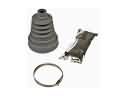 Dodge Dakota CV Boot
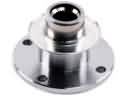 Dodge Dakota CV Joint Companion Flange
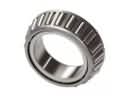 Dodge Dakota Differential Bearing
 Dodge Dakota Differential Seal
 Dodge Dakota Driveshaft Yokes
 Dodge Dakota Pinion Bearing
 Dodge Dakota Pinion Washer