JeepParts
My Garage
My Account
Cart
OEM Dodge Magnum Catalytic Converter
Cat. Converter- Select Vehicle by Model
- Select Vehicle by VIN
Select Vehicle by Model
orMake
Model
Year
Select Vehicle by VIN
For the most accurate results, select vehicle by your VIN (Vehicle Identification Number).
24 Catalytic Converters found
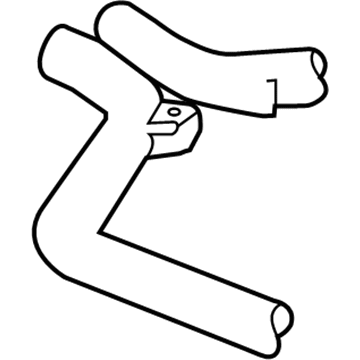
Dodge Magnum Catalytic Converter, Front Passenger Side Part Number: 4581752AD
$1166.38 MSRP: $1715.00You Save: $548.62 (32%)Ships in 1-3 Business Days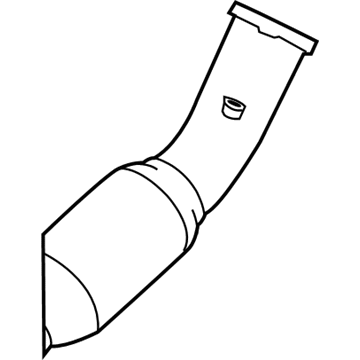
Dodge Magnum Catalytic Converter, Front Passenger Side Part Number: 4581744AD
$751.89 MSRP: $1097.60You Save: $345.71 (32%)Ships in 1-3 Business Days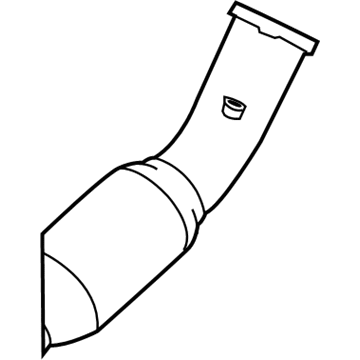
Dodge Magnum Catalytic Converter, Front Driver Side Part Number: 4581745AE
$1378.20 MSRP: $2000.00You Save: $621.80 (32%)Ships in 1-3 Business Days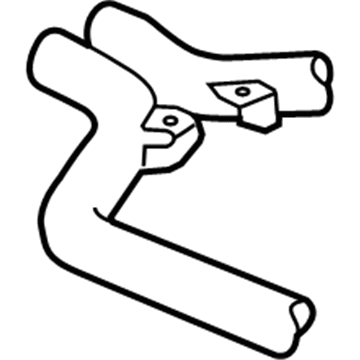
Dodge Magnum Catalytic Converter, Driver Side Part Number: 68039467AA
$786.24 MSRP: $1147.82You Save: $361.58 (32%)Ships in 1-3 Business DaysDodge Magnum Catalytic Converter, Passenger Side Part Number: 68039466AA
$802.27 MSRP: $1171.35You Save: $369.08 (32%)Ships in 1-3 Business Days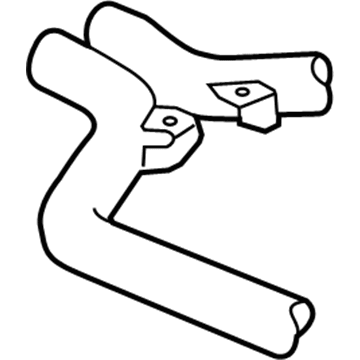
Dodge Magnum Catalytic Converter, Passenger Side Part Number: 4581748AB
$805.70 MSRP: $1176.39You Save: $370.69 (32%)Ships in 1-3 Business Days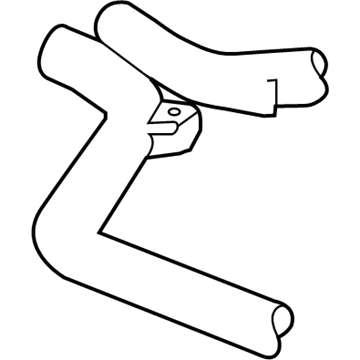
Dodge Magnum Catalytic Converter, Driver Side Part Number: 4578467AB
$1721.70 MSRP: $2505.00You Save: $783.30 (32%)Ships in 1-3 Business Days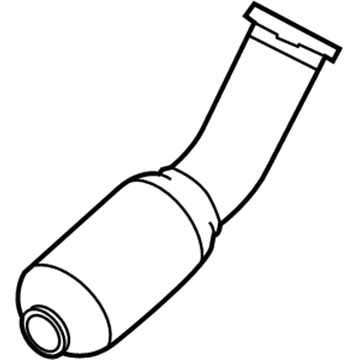
Dodge Magnum Catalytic Converter, Front Passenger Side Part Number: 5290594AC
$1887.73 MSRP: $2760.00You Save: $872.27 (32%)Ships in 1-3 Business DaysDodge Magnum Catalytic Converter, Front Driver Side Part Number: 4578935AC
$1944.98 MSRP: $2845.00You Save: $900.02 (32%)Ships in 1-3 Business Days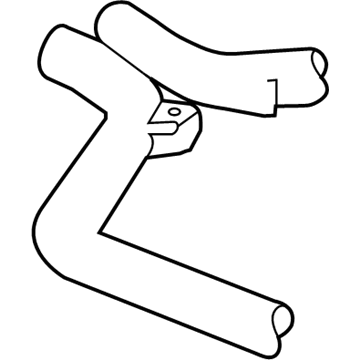
Dodge Magnum Catalytic Converter, Driver Side Part Number: 4578441AB
$2156.80 MSRP: $3165.00You Save: $1008.20 (32%)Ships in 1-3 Business Days
Dodge Magnum Catalytic Converter, Front Driver Side Part Number: 4581753AE
$1985.63 MSRP: $2895.00You Save: $909.37 (32%)Ships in 1-3 Business Days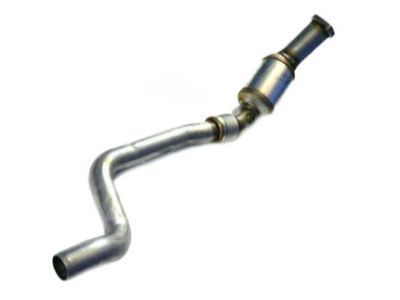
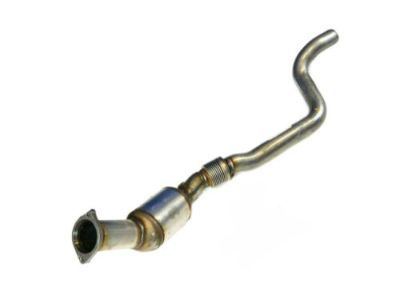
Dodge Magnum Catalytic Converter, Driver Side Part Number: 4581749AB

Dodge Magnum Catalytic Converter Part Number: 4581749AC
Dodge Magnum Catalytic Converter Part Number: 4581748AC
Dodge Magnum Catalytic Converter, Driver Side Part Number: 4578357AA
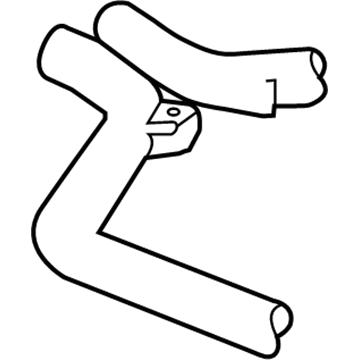
Dodge Magnum Catalytic Converter, Driver Side Part Number: 4578651AC
| Page 1 of 2 |Next >
1-20 of 24 Results
Dodge Magnum Catalytic Converter
Choose OEM Catalytic Converter that meet Dodge factory standards. Dodge designs and tests every component for precision and durability. Each Catalytic Converter follows strict manufacturing steps to lock in quality and fit. If your Dodge Magnum matters to you, OEM parts make the smart choice. You'll get the exact look, feel, and performance you expect. Shop genuine Magnum parts at the highly competitive prices online. Enjoy a manufacturer's warranty, a hassle-free return policy, and rapid delivery. No more guesswork with off brands. Get genuine parts with exact fit and true factory performance. Shop with confidence today at JeepPartsDeal.com.
The Dodge Magnum car has a catalytic converter as one of the parts of the exhaust and emission control systems. This device is mainly used for purifying gases generated during conversion including Carbon Monoxide (CO), Hydrocarbons (HC), and Oxides of Nitrogen (NOx) to harmless products that include water and Carbon Dioxide (CO2). Chemical reactions takes place in the catalytic converter which uses a honeycomb substrate,coated with the catalysts such as platinum, palladium, and rhodium. For the years of production, there have been various styles of the Catalytic converters used on the Dodge Magnum such as the style of the direct fit and the universal style. Direct-fit converters are easily attachable because they are manufactured to fit many vehicles perfectly while universal converters need some alterations to be done so that they can be attached. There are also other types of catalytic converters such as the performance catalytic converters which are designed to have high flow rates in order to assist in improving the performance of an engine while at the same time meeting the standards of efficiency that are required for a catalyst.
Dodge Magnum Catalytic Converter Parts and Q&A
- Q:How to Remove and Replace the Left-Hand Catalytic Converter on Dodge Magnum?A:Install the catalytic converter onto the exhaust manifold ball flange until just finger tightened, before tightening the nuts. Having removed the exhaust gas tank, set up the Muffler and resonator assembly, causing the following installation of bolts and the cross brace and tightening the bolts to a strength of 55 Nm (40 ft. lbs.). Following this, attach the manifold ball flange nut and tighten it too 12 Nm (106 in. lbs.). There should be 14mm (.55 in.) in space between the exhaust module and Fuel Tank for the V8 and 16mm (.62 in.) for the V6 and at least 15-20mm (.59 -.78 in.) for the rear tunnel reinforcement. Before tightening the ball flange nuts to 34 Nm (25 ft. lbs.), change the clearances as needed. Decrease the height of the vehicle, replace the negative Battery Cable and crank the engine to examine for any exhaust leaks, fixing any that you find.
- Q:How to Maintain a Catalytic Converter on Dodge Magnum?A:Before servicing the catalytic converter, ensure the exhaust system is no longer hot because it runs at a high temperature. To start, detach the negative Battery Cable and elevate your vehicle on a hoist. For the catalytic converter on RH engines, disconnect the downstream oxygen sensor connectors, then remove the Muffler and resonator, the nuts and cross-brace for 2.7L/3.5L and the nuts from the catalytic converter ball flange and the catalytic converter itself. When servicing the LH catalytic converter, raise the vehicle, take out the electrical connectors from the downstream oxygen sensor, remove the muffler and resonator assembly and loosen and remove both the nuts and the converter. Make sure to look for flow problems in the catalytic converter, check the element for defects using a camera or flashlight and discover any faults before deciding on a replacement for it. Set the RH catalytic converter on the exhaust manifold's ball flange and tighten the nuts lightly by hand until you begin assembly of the muffler and resonator. Secure the manifold ball nut with 12 Nm (106 inch lbs.), check there is 14 mm between exhaust and Fuel Tank on V8s and 16 mm on V6s and measure the clearance at the rear tunnel at 15-20 mm. After that, tighten the bolts on the ball flange to 34 Nm (25 ft. lbs.), reconnect the oxygen sensor wires, then lower and reconnect the car's negative battery cable, before starting the car to check for leaks. Using the same methods, install the LH catalytic converter next.
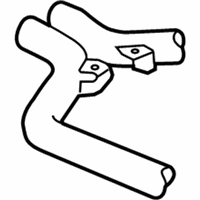
Related Dodge Magnum Parts
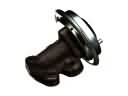 Dodge Magnum EGR Valve
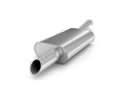 Dodge Magnum Muffler
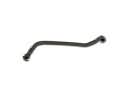 Dodge Magnum Crankcase Breather Hose
 Dodge Magnum EGR Tube Gaskets
 Dodge Magnum Exhaust Clamp
 Dodge Magnum Exhaust Hanger
 Dodge Magnum Exhaust Heat Shield
 Dodge Magnum Exhaust Manifold Gasket
 Dodge Magnum Exhaust Pipe
 Dodge Magnum Muffler Strap
 Dodge Magnum PCV Hose
 Dodge Magnum PCV Valve Hose
Browse Dodge Magnum Catalytic Converter by Years
2008
2007
2006
2005