JeepParts
My Garage
My Account
Cart
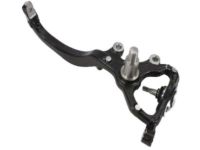
OEM Dodge Magnum Steering Knuckle
Front Steering Knuckle- Select Vehicle by Model
- Select Vehicle by VIN
Select Vehicle by Model
orMake
Model
Year
Select Vehicle by VIN
For the most accurate results, select vehicle by your VIN (Vehicle Identification Number).
12 Steering Knuckles found
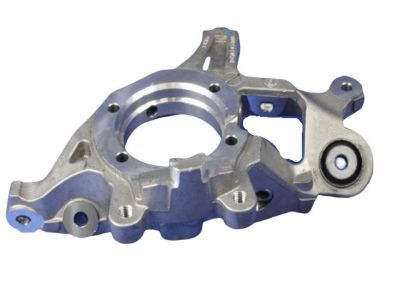
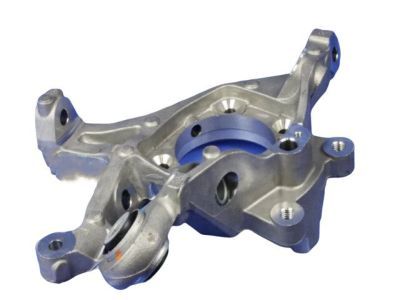
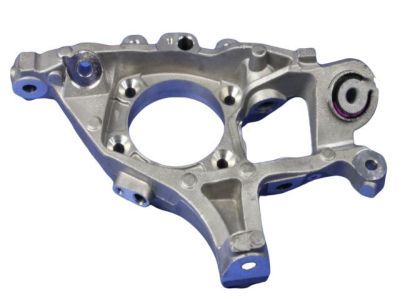
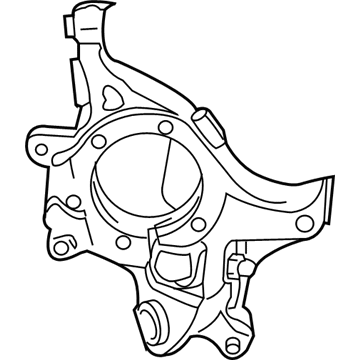
Dodge Magnum Knuckle, Rear Driver Side Part Number: 4782587AF
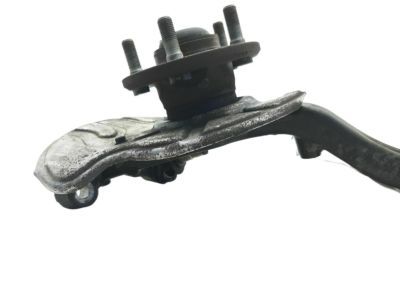
$622.12 MSRP: $943.00You Save: $320.88 (35%)Ships in 1-2 Business DaysDodge Magnum Knuckle, Rear Passenger Side Part Number: 4782586AF
$609.96 MSRP: $924.00You Save: $314.04 (34%)Ships in 1-2 Business Days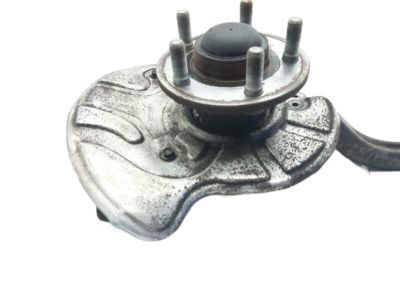
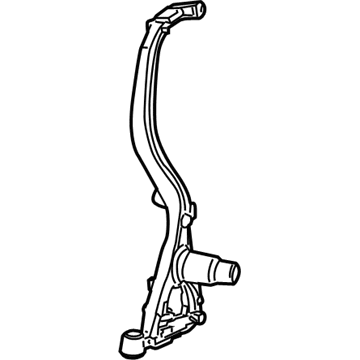
Dodge Magnum Knuckle, Front Driver Side Part Number: 4782741AD
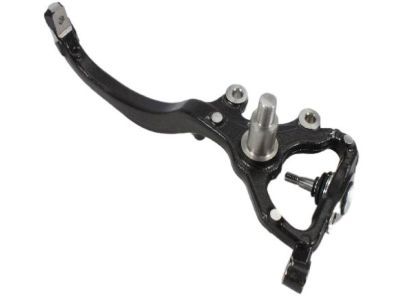
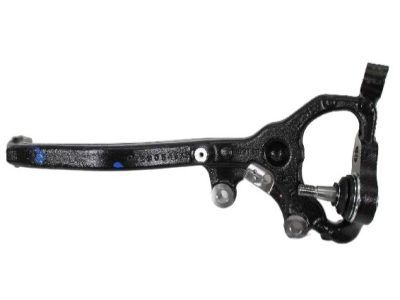
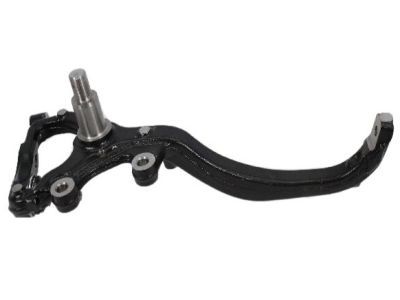
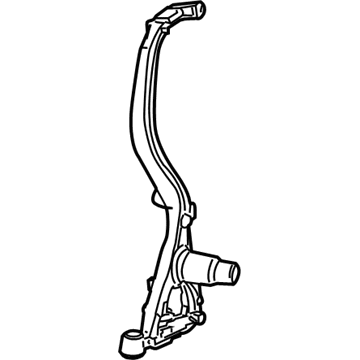
Dodge Magnum Knuckle, Front Driver Side Part Number: 5290547AB
Dodge Magnum Knuckle, Front Passenger Side Part Number: 5290539AB
$796.92 MSRP: $1160.00You Save: $363.08 (32%)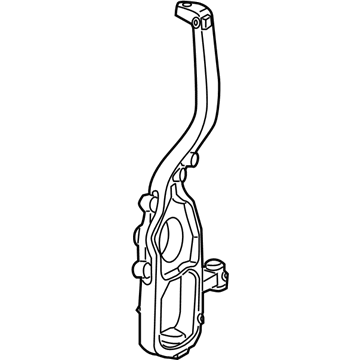
Dodge Magnum Knuckle, Front Driver Side Part Number: 4895711AB
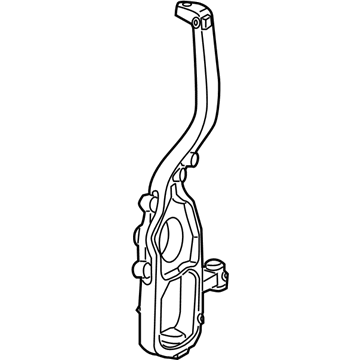
Dodge Magnum Knuckle, Front Passenger Side Part Number: 4895710AB
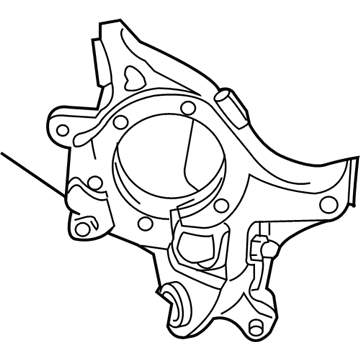
Dodge Magnum Knuckle, Rear Passenger Side Part Number: 4782928AF
Dodge Magnum Knuckle, Rear Driver Side Part Number: 4782929AF
Dodge Magnum Knuckle, Rear Passenger Side Part Number: 68248386AA
Dodge Magnum Knuckle, Rear Driver Side Part Number: 68248387AA
Dodge Magnum Knuckle, Front Passenger Side Part Number: 4782740AD
Dodge Magnum Steering Knuckle
Choose OEM Steering Knuckle that meet Dodge factory standards. Dodge designs and tests every component for precision and durability. Each Steering Knuckle follows strict manufacturing steps to lock in quality and fit. If your Dodge Magnum matters to you, OEM parts make the smart choice. You'll get the exact look, feel, and performance you expect. Shop genuine Magnum parts at the highly competitive prices online. Enjoy a manufacturer's warranty, a hassle-free return policy, and rapid delivery. No more guesswork with off brands. Get genuine parts with exact fit and true factory performance. Shop with confidence today at JeepPartsDeal.com.
Steering Steering Knuckle in Dodge Magnum cars is a noteworthy component that provides links between the suspension and steering mechanisms and the wheels of the car. They give the control arms, tie rod ends and spindle or hub to suspend the wheels and they need to move up and down and sideways relative to the chassis in response to the road and the steering. For rear-wheel vehicles it may integral spindle or include a hub with tapered roller bearings while front wheel/all-wheel/four-wheel vehicles may consist of a drive axle passing through the knuckle that is connected to the hub. Steering knuckles have evolved from kingpins to ball joints, and now the knuckles are usually afforded to last within the vehicle, unless the bushing or bearing of any of the components is worn.
Dodge Magnum Steering Knuckle Parts and Q&A
- Q:How to Remove the Steering Knuckle on Dodge Magnum?A:Raise the vehicle, get it solidly supported, unscrew the nuts where the wheel mounts and remove the tire and wheel set before moving on. After that, take out the screw holding the wheel speed sensor to the knuckle and carefully remove the sensor. After removing the wheel speed sensor cable routing clip from the brake flex hose routing bracket, next remove the screw connecting the routing bracket to the knuckle. Get to the front Brake Rotor, take it out and then undo the nut at the outer tie rod end stud. Put Special Tool 9360, also called a Puller, over the tie rod stud and turn it until it is removed from the knuckle. Turn the nut on the upper ball joint stud in the opposite direction until it is even with the end of the stud, to keep the knuckle from distorting. Place Puller, Special Tool 9360, between the boot seal and lower ball joint to divide the upper ball joint stud from the knuckle and then unscrew the nut at the top of the upper ball joint stud. Wind the thread on the nut attaching the tension strut ball joint stud to the knuckle until it lines up with the end of the stud and use Puller, Special Tool 9360, to separate the stud from the knuckle, protecting the ball joint seal boot as you do this. Take off the nut on the end of the tension strut ball joint stud and loosen the ball joint nut on the lower Control Arm so it is even with the end of the stud. Pull up on the lower control arm's ball joint stud with a Puller, Special Tool 9360 and slide out the nut from the bottom of the stud. Take out the knuckle from underneath your vehicle. Should you need to remove the hub and bearing, take off the dust cap gently and leave the hub alone to avoid harm, then take off the hub nut and pull both parts from the knuckle spindle. Should you need to take the shield away from the knuckle, unscrew the three screws and then lift the shield. If you have to replace the lower control arm ball joint, use the proper steps to remove it from the knuckle.
- Q:How to Install a Steering Knuckle on Dodge Magnum?A:If a shield must be installed, first put it in place and fasten it with 3 screws at 10 Nm (89 in. lbs.). Should a hub and bearing need to be added, set the hub and bearing onto the knuckle spindle while installing the hub nut firmly and tightening it to 250 Nm (184 ft. lbs.). Before fixing the knuckle to the lower arm, measure the height of the seal boot on the ball joint; if it's more than 25.5 mm, tilt the stud to one side, lightly squeeze the seal boot to let out air, hold the top of the seal boot down, center the stud again and re-measure. With the seal boot height correct, screw the new nuts by hand all the way onto the lower ball joint studs over the knuckle. After that, place the new nut on the ball joint stud connecting the lower Control Arm to the knuckle, tighten it with 68 Nm plus a 90° turn using a hex wrench and hold the stud firmly with the other wrench. Afterward, repeat the same steps for the new nut connecting the tension strut to the knuckle. After that, attach the stud of the upper ball joint to the knuckle and fit nut, fastening it until it reaches 47 Nm plus a 90° turn. Then, put the outer tie rod stud through the knuckle and install nut until it's tightened to 85 Nm (63 ft. lbs.). Set the Brake Rotor in place and next mount the caliper and adapter assembly together in the same way. First, fix the brake flex hose routing bracket to the knuckle using screw at 12 Nm (106 in. lbs) and then attach and hold the wheel speed sensor head into the knuckle with screw at 11 Nm (95 in. lbs.) Connect the end of the wheel speed sensor cable to the clip, then place the brake flex hose on the bracket. Put the tire and wheel assembly on the wheel studs and tighten their nuts to 150 Nm (110 ft. lbs.) or 190 Nm (140 ft. lbs.) on police cars. Move the car down, push on the brake several times to ensure the pedal is responsive, monitor and adjust the brake fluid in the reservoir and have a wheel alignment carried out.
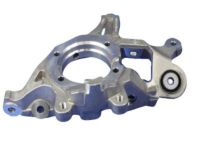
Related Dodge Magnum Parts
 Dodge Magnum Axle Beam Mount
 Dodge Magnum Axle Support Bushings
 Dodge Magnum Coil Spring Insulator
 Dodge Magnum Control Arm Bolt
 Dodge Magnum Shock Absorber
 Dodge Magnum Strut Housing
 Dodge Magnum Strut Mounts
 Dodge Magnum Suspension Strut Rod
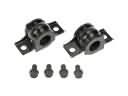 Dodge Magnum Sway Bar Bracket
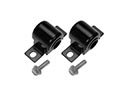 Dodge Magnum Sway Bar Bushing
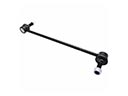 Dodge Magnum Sway Bar Link
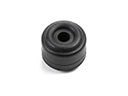 Dodge Magnum Sway Bar Link Bushing