JeepParts
My Garage
My Account
Cart
OEM Dodge Neon Brake Booster
Brake Power Booster- Select Vehicle by Model
- Select Vehicle by VIN
Select Vehicle by Model
orMake
Model
Year
Select Vehicle by VIN
For the most accurate results, select vehicle by your VIN (Vehicle Identification Number).
3 Brake Boosters found

Dodge Neon Brake Booster Part Number: 5015158AA
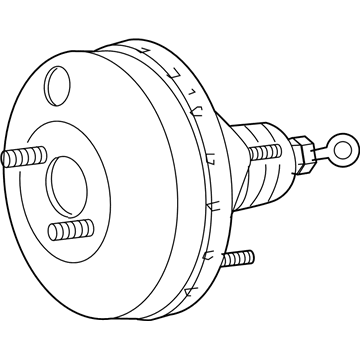
Dodge Neon Brake Booster Part Number: 5015157AA
Dodge Neon Brake Booster Part Number: 4509788AB
Dodge Neon Brake Booster
Choose OEM Brake Booster that meet Dodge factory standards. Dodge designs and tests every component for precision and durability. Each Brake Booster follows strict manufacturing steps to lock in quality and fit. If your Dodge Neon matters to you, OEM parts make the smart choice. You'll get the exact look, feel, and performance you expect. Shop genuine Neon parts at the highly competitive prices online. Enjoy a manufacturer's warranty, a hassle-free return policy, and rapid delivery. No more guesswork with off brands. Get genuine parts with exact fit and true factory performance. Shop with confidence today at JeepPartsDeal.com.
The Brake Booster as a component in Dodge Neon cars plays a critical role in improving the brakes performance where the driver pulls with little effort when using the brakes. It mostly depends on a vacuum linkage, pressure difference between engine vacuum and normal pressure is used to enhance the force applied on the brake pedal. It is less complex and more efficient in braking but this kind of steering system must be used with the engine running. There are chances that Brake Boosters in Dodge Neon models may differ from each other and may consist of vacuum operated boosters or hydraulic boosters. As for vacuum boosters, they are usually quite dependable but may malfunction at times, although hydraulic boosters make use of pressure of fluids. Single or dual diaphragm configurations difference can influence level of power assist, and those with greater diameter offer more assistance. All in all the Brake Booster is an essential component in guaranteeing that the Dodge Neon provides responsive and controllable braking.
Dodge Neon Brake Booster Parts and Q&A
- Q:How to Service and Repair a Vacuum Brake Booster on a Left-Hand Drive on Dodge Neon?A:Before you start, disconnect the negative cable from the battery, then remove the positive cable and the battery when you have shut off the main negative cable. Loosen the nut holding the air cleaner box, unhook the wires at the air inlet sensor and pull up the air cleaner box so you can see the Battery Tray's bolts. Move the bolts and nuts out of the battery tray's mount and then take the tray out. To remove the master cylinder safely, pedal the brakes 4 to 5 times before turning off the engine. Should ABS be installed, unlock the three bolts at the ICU's mounting bracket and pull it from its position on the frame rail. Take the vacuum line hoses off of the check valve while leaving it in place on the booster. Under the dashboard, unfasten the brake pedal from the brake booster input rod by turning the retaining clip tang with a screwdriver, removing the old clip and discarding it; remember to use a new clip when you put it back. Raise the area under the panel close to the brake pedal bracket, then pull out the four nuts that connect the power brake booster to the instrument panel. Then, pull the booster forward and rotate it away from the vehicle. While setting it up, place the power brake booster angle it so both the mounting studs and input rod are lined up with the instrument panel and insert it into the engine compartment. Trim the four mounting nuts over the booster so that they are secure, tighten the nuts to 34 Nm (25 ft. lbs.) and lubricate the brake pedal pin next to the booster input rod. Fit a new retaining clip between the input rod and the brake pedal pin and also install a new brake lamp switch. Attach all hoses from the vacuum system back to the vacuum check valve, put the ICU mounting bracket in place if you have ABS and secure it with three bolts tightened to 23 Nm (200 inch lbs.). Assemble the master cylinder, set the battery in its tray and fasten everything with two bolts and nuts at 34 Nm (25 ft. lbs.). Set the air cleaner box in place, hold it with one bolt and nut and link the wiring harness to the air inlet sensor. Then, replace the battery, reattach the cables to their connections, use a brake bleeding tool and take your car for a short drive to test the brakes.
- Q:How to Remove and Install a Vacuum Brake Booster in a Left-Hand Drive on Dodge Neon?A:Service and repairs to the vacuum brake booster on a left-hand vehicle are started by disconnecting the negative cable and shielding it and then disconnecting the positive cable and removing the battery which is fixed with one nut. After that, get rid of the nut and bolt on the air cleaner box, unhook the wiring harness at the air inlet sensor and raise the air cleaner box to see the Battery Tray bolts. Unscrew the two bolts and two nuts holding the battery tray and then grasp the tray and take it out. Pump the brake pedal several times (4-5) when the engine is not running to keep the booster clean before taking off the master cylinder. Detach the master cylinder and, where ABS is present, lift out the Integrated Control Unit (ICU) by removing the three fasteners from the frame rail. Disconnect both vacuum hoses from the check valve on the power brake booster, but don't remove the check valve. Beneath the instrument panel, you will find the brake pedal-to-power brake booster input rod attachment; use a small screwdriver to take out the retaining clip and then throw it away, as you won't need it again. Pull off the four bolts that tie the brake booster to the instrument panel, found beneath the panel next to the brake pedal and move the booster free. Set the power brake booster on its size and make sure the input shaft and mounting studs fit against the instrument panel. Place each of the four nuts under the panel and tighten them to 34 Nm (25 ft. lbs.). Use lubriplate on the brake pedal pin in the area that meets the booster input rod and then fasten the input rod to the brake pedal pin with a new retaining clip. Place a new brake lamp switch, attach every vacuum hose to the check valve and for vehicles that have ABS, replace the ICU's bracket and torque the bolts to 23 Nm (200 in. lbs.) before attaching the ICU again. Place the master cylinder and fit the battery tray, then attach them with the two bolts and two nuts, screwing them on to 34 Nm (25 ft. lbs.). Put the air cleaner back into place, attach it with the nut and bolt and connect the wires to the harness. Lastly, replace the battery, secure the wire connections to both posts with the positive and negative cables, bleed the base brake system and do a brief road test to see if the brakes are working properly.
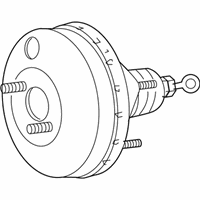
Related Dodge Neon Parts
 Dodge Neon Brake Caliper
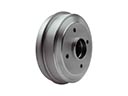 Dodge Neon Brake Drum
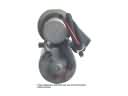 Dodge Neon ABS Pump And Motor Assembly
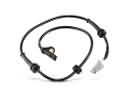 Dodge Neon ABS Sensor
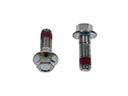 Dodge Neon Brake Caliper Bolt
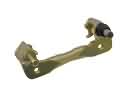 Dodge Neon Brake Caliper Bracket
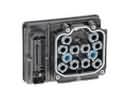 Dodge Neon Brake Controller
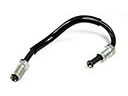 Dodge Neon Brake Line
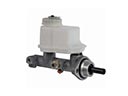 Dodge Neon Brake Master Cylinder
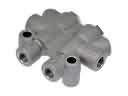 Dodge Neon Brake Proportioning Valve
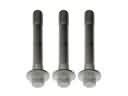 Dodge Neon Wheel Hub Bolt
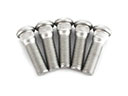 Dodge Neon Wheel Stud