JeepParts
My Garage
My Account
Cart
OEM Dodge Neon Brake Caliper
Caliper- Select Vehicle by Model
- Select Vehicle by VIN
Select Vehicle by Model
orMake
Model
Year
Select Vehicle by VIN
For the most accurate results, select vehicle by your VIN (Vehicle Identification Number).
12 Brake Calipers found
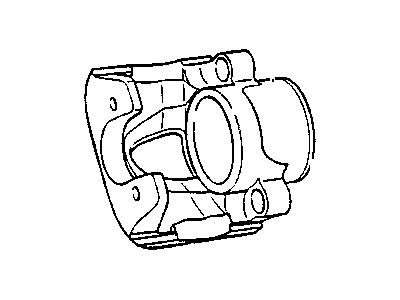
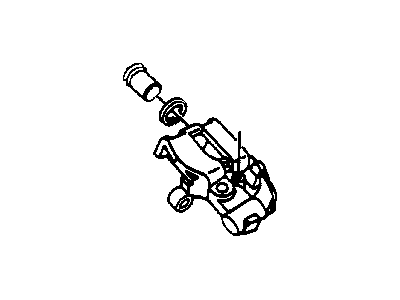
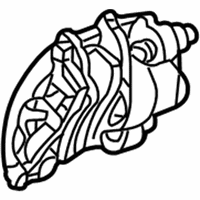
Dodge Neon Caliper Assembly, Black Part Number: 5011072AA
$99.61 MSRP: $147.00You Save: $47.39 (33%)Ships in 1-3 Business DaysDodge Neon Caliper Assembly, Black Part Number: 5011073AA
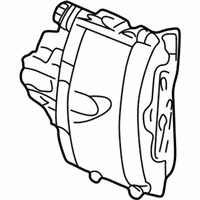
$112.13 MSRP: $129.00You Save: $16.87 (14%)Ships in 1-2 Business Days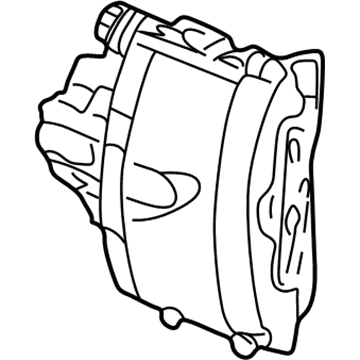
Dodge Neon Caliper, Front Driver Side Part Number: 5104761AA
Dodge Neon Caliper, Front Passenger Side Part Number: 5104760AA
Dodge Neon Caliper Assembly Part Number: 5011701AA
Dodge Neon Caliper Assembly Part Number: 5011700AA

Dodge Neon Caliper Assembly, Rear Driver Side Part Number: 5114211AB
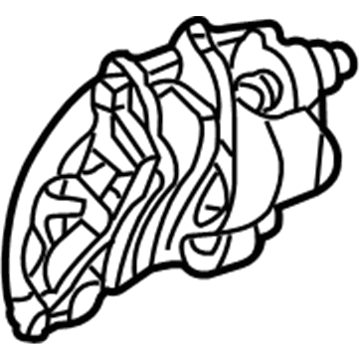
Dodge Neon Caliper Assembly, Rear Driver Side Part Number: 5014785AB
Dodge Neon Caliper Assembly, Front Driver Side Part Number: 5083791AA
Dodge Neon Brake Caliper
Choose OEM Brake Caliper that meet Dodge factory standards. Dodge designs and tests every component for precision and durability. Each Brake Caliper follows strict manufacturing steps to lock in quality and fit. If your Dodge Neon matters to you, OEM parts make the smart choice. You'll get the exact look, feel, and performance you expect. Shop genuine Neon parts at the highly competitive prices online. Enjoy a manufacturer's warranty, a hassle-free return policy, and rapid delivery. No more guesswork with off brands. Get genuine parts with exact fit and true factory performance. Shop with confidence today at JeepPartsDeal.com.
The Brake Caliper in Dodge Neon is a very crucial component when it comes to the braking system because of the fact that it transforms hydraulic pressure from a master cylinder to mechanical pressure. This force is necessary in applying pressure on the brake pads to make contact with the rotors hence slowing down or even bringing the car to a stop. Dodge Neon models utilize two primary types of Brake Calipers: These are the fixed and floating. Fixed calipers use multiple pistons on both sides of the rotor and apply pressure and in a floating calipers use piston on one side and slides to apply pressure and a problem that arises with this kind of type is that it caused uneven wear of the pad. Of course, what you have in your car today, Dodge Neon Brake Calipers vary with time with several variants offered not only as original equipment but also performance brand. Automotive brakes of performance calipers are more reliable and great looking and also it suits for every kind of drive. It is very important to inspect and maintain the Brake Caliper often in the Dodge Neon cars so that the car can perform efficiently and safely.
Dodge Neon Brake Caliper Parts and Q&A
- Q:How to Maintain a Rear Disc Brake Caliper on Dodge Neon?A:Before servicing the rear disc brake caliper, use a brake pedal holding tool to move the pedal past its first inch which separates the master cylinder from the brake hydraulic system. Raise the vehicle and remove the tire and wheel from the rear end. To separate the hose from the caliper, remove the banjo bolt, full of washers, discard both and add new washers. When needed, pull back the Piston on the calipers a bit to ensure you can pull it away from the rotor. Remove the two caliper guide pin bolts, then turn the caliper toward the middle of your car and lift it off the brake adapter. Wash the caliper and look it over before disassembling it. Slide the guide pin bushing sleeve backward into the bracket and pull it out and then collapse one part of the rubber guide pin bushing to remove them. Remove the piston by hanging the caliper over the rotor, placing a small bit of wood to push apart the piston and caliper fingers and gently pulling the brake pedal. It is best to disconnect the flex hose, place the caliper in a vise and protect the bore while removing the dust boot and seal from the piston. Clean inside the piston before measuring for scoring or pitting and use Caliper Hone C-4095, Special Tool C-4095 to perform honing when necessary, only increasing the diameter by a maximum of 0.0254 mm (0.001 inch). If the piston is damaged, you should replace it. Clean the caliper using fresh brake fluid or Mopars Non-Chlorinated Brake Parts Cleaner and do not use harmful solvents. Examine the dust boots for any leaks, rips or cracks and if any are found, change the seals and dust boots on the caliper. When folding the guide pin bushing and inserting it into the caliper mounting boss, see that it fits in evenly. Put lubricant on the bushing and slot the guide pin sleeve in position. Before putting it in the bore, dip a new seal in clean brake fluid and then coat the boot on the new piston with brake fluid. Slide Special Tool C-4689 and Handle C-4171 into the boot's counterbore to drive the boot into place. After that, replace the brake shoes and caliper, generously greasing the adapter caliper slide abutments. Gently set the caliper onto the rotor and be sure to screw in each guide pin bolt just to 22 Nm (192 in. lbs.). Add new washers and a banjo bolt, reattach the brake hose and tighten it with 48 Nm (35 ft. lbs.); then, tighten the nut on the wheel assembly with 135 Nm (100 ft. lbs.) and put the tire back on. Bring the vehicle down, get rid of the tool on the brake pedal, bleed the caliper if needed and take it out for a road test.
- Q:How to Service and Repair a Front Brake Caliper on Dodge Neon?A:Isolate the master cylinder from the brake hydraulic system by first pushing the brake pedal another inch than normal with a special brake pedal holding tool. After that, lift the car and take out the front wheel and tire from the assembly. Remove the bolt holding the brake hose to the caliper and, if these two washers are damaged or worn, discard them. After that, take out the two bolts holding the brake caliper to the Steering Knuckle guide pin. Unplug the disc brake caliper from the steering knuckle by sticking the top of the right caliper or the bottom of the left caliper up or down, then pulling the caliper off the opposite end's abutment and Brake Rotor.
Related Dodge Neon Parts
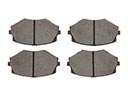 Dodge Neon Brake Pads
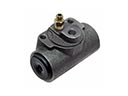 Dodge Neon Wheel Cylinder
 Dodge Neon ABS Control Module
 Dodge Neon ABS Pump And Motor Assembly
 Dodge Neon ABS Sensor
 Dodge Neon Backing Plate
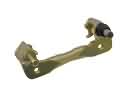 Dodge Neon Brake Caliper Bracket
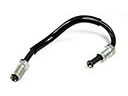 Dodge Neon Brake Line
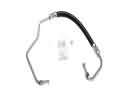 Dodge Neon Hydraulic Hose
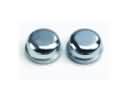 Dodge Neon Wheel Bearing Dust Cap
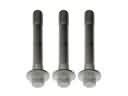 Dodge Neon Wheel Hub Bolt
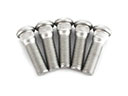 Dodge Neon Wheel Stud