JeepParts
My Garage
My Account
Cart
OEM Dodge Neon Brake Master Cylinder
- Select Vehicle by Model
- Select Vehicle by VIN
Select Vehicle by Model
orMake
Model
Year
Select Vehicle by VIN
For the most accurate results, select vehicle by your VIN (Vehicle Identification Number).
6 Brake Master Cylinders found
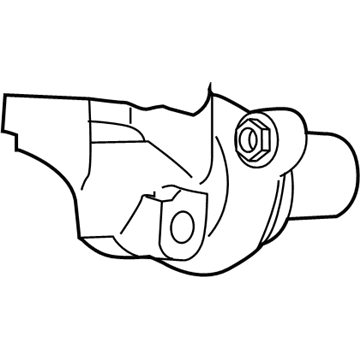
Dodge Neon Master Cylinder Part Number: 5015149AB
$237.61 MSRP: $336.00You Save: $98.39 (30%)Ships in 1-2 Business Days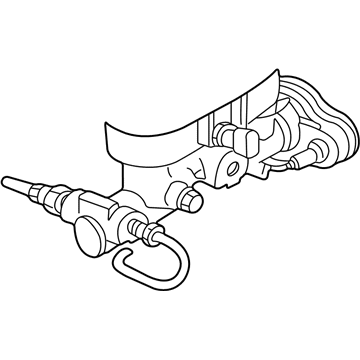
Dodge Neon Master Cylinder Part Number: 5015160AA
$304.08 MSRP: $385.48You Save: $81.40 (22%)Ships in 1-2 Business Days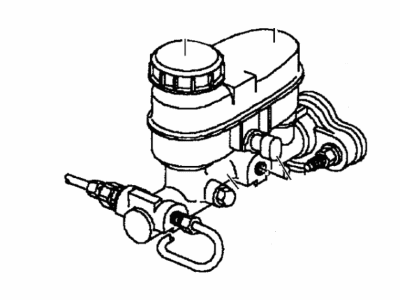
Dodge Neon Master Cylinder Part Number: 4762628
Dodge Neon Master Cylinder Part Number: 5069001AA
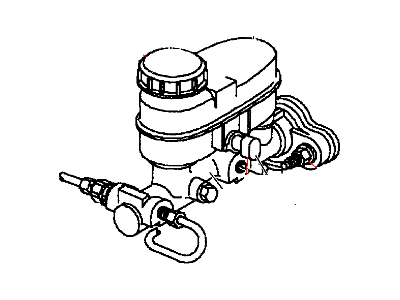
Dodge Neon Master Cylinder Part Number: 4762608
Dodge Neon Master Cylinder Part Number: 4509805
Dodge Neon Brake Master Cylinder
Choose OEM Brake Master Cylinder that meet Dodge factory standards. Dodge designs and tests every component for precision and durability. Each Brake Master Cylinder follows strict manufacturing steps to lock in quality and fit. If your Dodge Neon matters to you, OEM parts make the smart choice. You'll get the exact look, feel, and performance you expect. Shop genuine Neon parts at the highly competitive prices online. Enjoy a manufacturer's warranty, a hassle-free return policy, and rapid delivery. No more guesswork with off brands. Get genuine parts with exact fit and true factory performance. Shop with confidence today at JeepPartsDeal.com.
The Brake Master Cylinder in Dodge Neon is the major component of braking system that manipulate the pressure exerted by the foot of a driver into hydraulic pressure in order to move the slave cylinders. This mechanism works with the help of hydraulic brake system where pressure is applied on brake fluid which in turn makes the calipers or drum of break come into contact with the rotating wheel to stop the particular vehicle. Most Dodge Neon models come with dual circuit master cylinders and this means that if one circuit is a failure then the other one can provide and supply the necessary braking forces. Of the two, Dodge Neon Brake Master Cylinders may contain an integrated fluid reservoir while the other uses an external reservoir Depending on the model the Master Cylinders may be made of nylon, plastic or just metal. The differences in reservoir design are due to, cap types, an integral reservoir will have a single cap and external ones have threaded caps. Regardless of the style, the primary function remains the same: to ensure that the brakes keep on functioning effectively as well as to ensure that safety is observed. This can cause water to fill up in the Brake Master Cylinder and the problem becomes hard to deal with, it is therefore important that Brake Master Cylinder in Dodge Neon vehicles are properly maintained and serviced to reduce the chances of water getting into the system.
Dodge Neon Brake Master Cylinder Parts and Q&A
- Q:How to Bleed a Brake Master Cylinder on Dodge Neon?A:The brake master cylinder must be clamped into a vise before bleeding. Add four Brake Master Cylinder Bleed Tubes, Special Tool 8358-1, to the four ports in the brake master cylinder and make sure the end of each tube that connects to the rear goes to a proportioning valve. Insert the open ends of the tubes into the reservoir of the brake master cylinder, so that their outlets are covered by the brake fluid. Use Mopar brake fluid or a matching brake fluid that meets DOT 3 guidelines, to fill the reservoir. You can use a wooden dowel to gently push each Piston in, then let up on the dowel to make the piston return to its place. Continue expelling each bubble until no more are left in the tubes or inside the brake master cylinder bore. With that done, get rid of the bleed tubes, block the outlet ports and install the reservoir fill cap. Next, remove the brake master cylinder from the vise. If it has only been the brake master cylinder that was replaced, bleeding the whole system isn't generally necessary; if the brake system has been exposed to air for a long time or you find air in the lines, however, bleeding the entire system is required and the brake master cylinder will need to be bled as well.
- Q:How to Service and Repair a Brake Master Cylinder in a Right-Hand Drive on Dodge Neon?A:For right-hand drive vehicles, lower the vacuum in the Brake Booster by firmly pumping the brake pedal 4-5 times with the engine switched off. Remove the negative Battery Cable and put it aside. Bleed the master cylinder first and, if you remove them, put the proportioning valves back in their correct ports, using new O-rings. Check and clean the O-ring on the rear flange of the master cylinder and replace it if it's damaged and make sure you wipe the power brake booster to avoid contaminating it. Put the master cylinder assembly directly inside the booster and fasten it with the two retaining nuts, tightening each nut to 18 Nm (160 in. lbs.). Add the Brake Lines to the master cylinder, tighten them with a torque wrench set to 17 Nm (145 in. lbs.) and link the wiring of the brake fluid level switch. Make sure the master cylinder is up to the proper amount, pump the brake pedal and keep checking the level until it is correct. If your airplane has sat with the brake system exposed to air for a while, you must bleed the entire base hydraulic system. Go for a ride in the car to see that everything brakes as expected and look for any leaks by examining the lines.
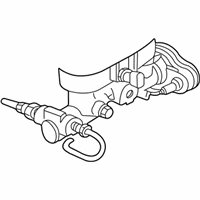
Related Dodge Neon Parts
 Dodge Neon Brake Booster
 Dodge Neon ABS Pump And Motor Assembly
 Dodge Neon ABS Sensor
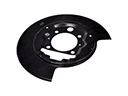 Dodge Neon Backing Plate
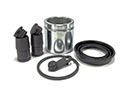 Dodge Neon Brake Caliper Repair Kit
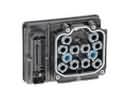 Dodge Neon Brake Controller
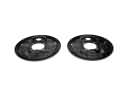 Dodge Neon Brake Dust Shields
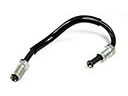 Dodge Neon Brake Line
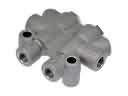 Dodge Neon Brake Proportioning Valve
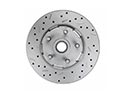 Dodge Neon Brake Rotor
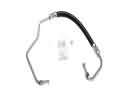 Dodge Neon Hydraulic Hose
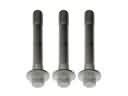 Dodge Neon Wheel Hub Bolt