JeepParts
My Garage
My Account
Cart
OEM Dodge Stratus Front Cross-Member
Front Engine Cross Member- Select Vehicle by Model
- Select Vehicle by VIN
Select Vehicle by Model
orMake
Model
Year
Select Vehicle by VIN
For the most accurate results, select vehicle by your VIN (Vehicle Identification Number).
14 Front Cross-Members found
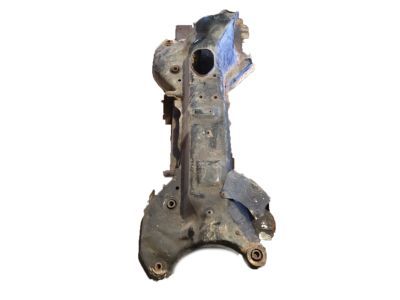
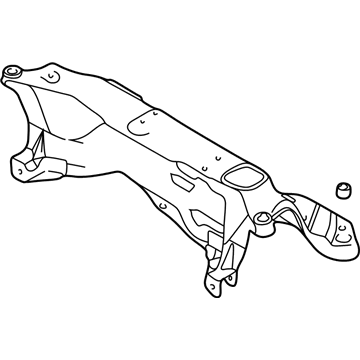
Dodge Stratus Engine Cradle, Front Part Number: MR554604
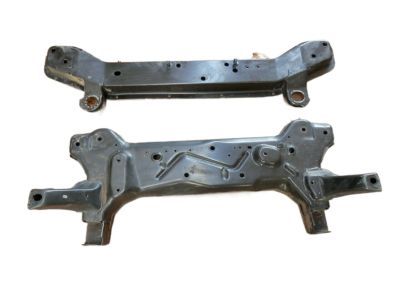
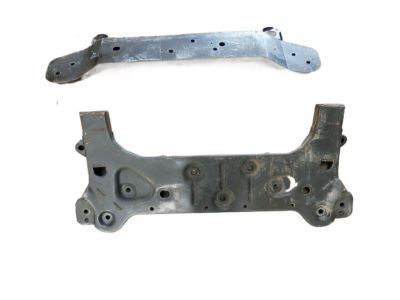
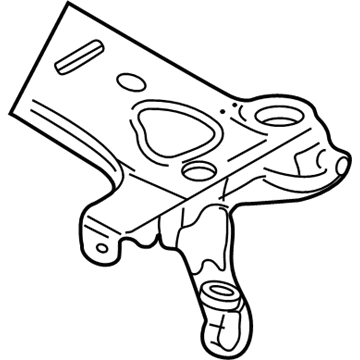
Dodge Stratus Engine Cradle, Front Part Number: 4764448AD
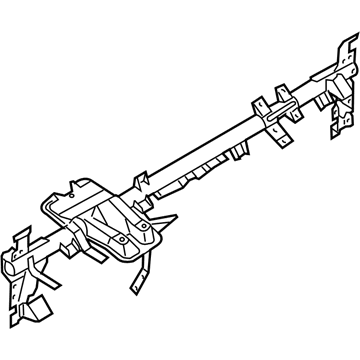
Dodge Stratus Crossmember, Front Part Number: MR592093
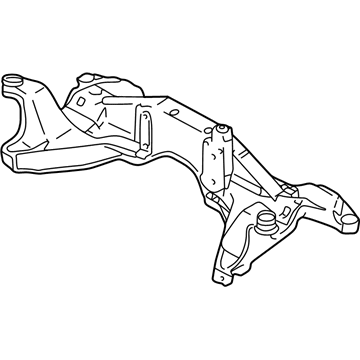
Dodge Stratus Engine Cradle, Front Part Number: MR589886
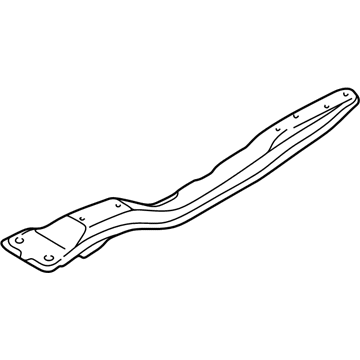
Dodge Stratus Center Crossmember, Front Part Number: MR403010
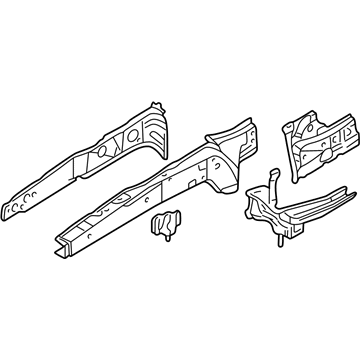
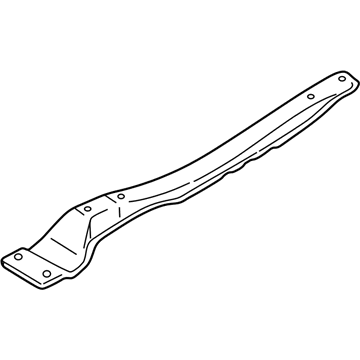
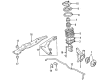
Dodge Stratus Center Crossmember, Front Part Number: MR272182
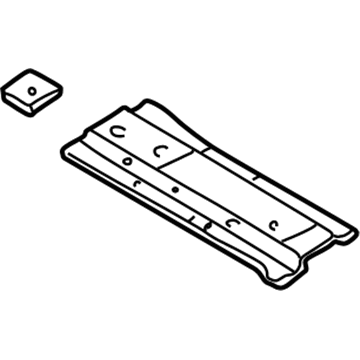
Dodge Stratus Crossmember, Front Driver Side Part Number: 4696281AC
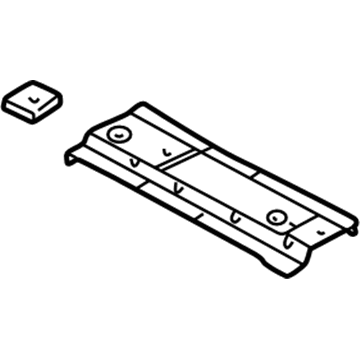

Dodge Stratus Crossmember, Front Passenger Side Part Number: 4696280AC
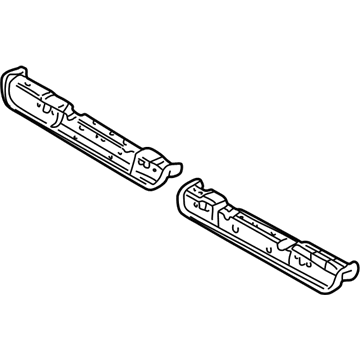
Dodge Stratus Crossmember, Front Part Number: 4646682AD
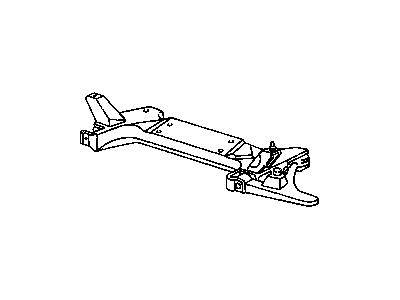
Dodge Stratus Engine Cradle, Front Part Number: 4626920AC
Dodge Stratus Front Cross-Member
Choose OEM Front Cross-Member that meet Dodge factory standards. Dodge designs and tests every component for precision and durability. Each Front Cross-Member follows strict manufacturing steps to lock in quality and fit. If your Dodge Stratus matters to you, OEM parts make the smart choice. You'll get the exact look, feel, and performance you expect. Shop genuine Stratus parts at the highly competitive prices online. Enjoy a manufacturer's warranty, a hassle-free return policy, and rapid delivery. No more guesswork with off brands. Get genuine parts with exact fit and true factory performance. Shop with confidence today at JeepPartsDeal.com.
Dodge Stratus Front Cross-Member Parts and Q&A
- Q:How to Maintain and Repair the Front Cross-Member on Dodge Stratus?A:Before doing any work, first lift and secure your vehicle onto safety stands. Install a lifting device under the crossmember and then remove the bolts connecting the suspension strut to the lower Control Arm. Remove the lower Ball Joints from their connection to the lower control arms. Remove the bolts on the rear Engine Mount and follow this by loosening off the bolt on the damper at the engine structural collar if the manual transmission bracket catches on the crossmember. After that, take out the bolts connecting the front crossmember to the lower control arms and then loosen the bolts connecting the rear crossmember to the side frame rail torque boxes. Move the crossmember part of the suspension clear of the frame rails and remove the bolts at the top of the suspension crossmember where they connect to the steering gear, being careful not to let the steering gear hang on its attachment lines. Connect the steering gear to the frame above with mechanics wire, bring the mounting support back into place and undo the bolts joining the rear of the crossmember to the torque boxes on the frame rails. Put the front suspension crossmember an inch or two below the bottom of the car. Raise the front suspension crossmember into its spot and only loosely tighten the bolts that hold the rear of the cross-member to the torque boxes on the frame rail. Place the crossmember lower than before, bolt the steering gear to the top of it and raise it again before tightening the other bolts to attach the rear of the crossmember to the torque boxes. Attach the bolts that secure the front suspension crossmember to the frame just under the upper control arm, connect the lower ball joint to the lower control arm and fit the three bolts attaching the back of the engine to the suspension crossmember, positioning the manual transmission bracket and tightening the bolts to 65 N.m (48 ft.lbs.). Last, fit the bolts to link the suspension strut to the control arm, lower the car and check and adjust the front end alignment if needed.
- Q:How to Maintain the Front Cross-Member on Dodge Stratus?A:Before touching the front suspension crossmember, support and raise the vehicle on safety stands, then lift it at the crossmember with the appropriate device. Loosen and remove the bolts holding the suspension strut to the lower Control Arm and take out the lower Ball Joints from the lower control arms. Alternatively, take out the bolts linking the front of the suspension crossmember to the railway under the control arms and loosen those along the rear, so that the front of the crossmember can be moved away from the frames. Take out the bolts holding the steering gear to the top of the suspension crossmember, being sure not to have the steering gear suspended by the hoses to prevent damage. Connect the steering gear to the support above using mechanics wire, lift the crossmember into place and take out the bolts that are holding the rear of the crossmember to the torque boxes. During installation, move the front suspension crossmember into place and temporarily attach the crossmember rears to the torque boxes in the frame rail. Raise the suspension crossmember, hook the bolts to the underside and screw them to the steering gear. Then lower the crossmember down and tighten the bolts that secure the rear crossmember to the frame rail torque boxes. Then, put in the bolts holding the front of the suspension crossmember to the frame rails under upper control arm, connect the lower ball joint to the lower control arms and connect the bolts attaching the suspension strut alone.
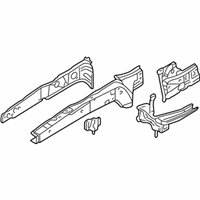
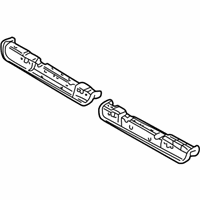
Related Dodge Stratus Parts
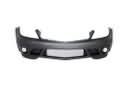 Dodge Stratus Bumper
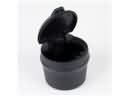 Dodge Stratus Ashtray
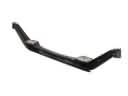 Dodge Stratus Axle Beam
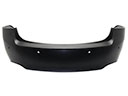 Dodge Stratus Bumper Cover
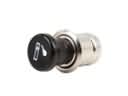 Dodge Stratus Cigarette Lighter
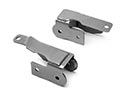 Dodge Stratus Control Arm Bracket
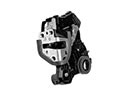 Dodge Stratus Door Lock
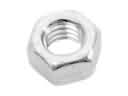 Dodge Stratus Exhaust Nut
 Dodge Stratus Floor Pan
 Dodge Stratus Glove Box
 Dodge Stratus Rear Crossmember
 Dodge Stratus Wheelhouse