JeepParts
My Garage
My Account
Cart
OEM Dodge Stratus Parking Brake Cable
Emergency Parking Brake Release Cable- Select Vehicle by Model
- Select Vehicle by VIN
Select Vehicle by Model
orMake
Model
Year
Select Vehicle by VIN
For the most accurate results, select vehicle by your VIN (Vehicle Identification Number).
6 Parking Brake Cables found
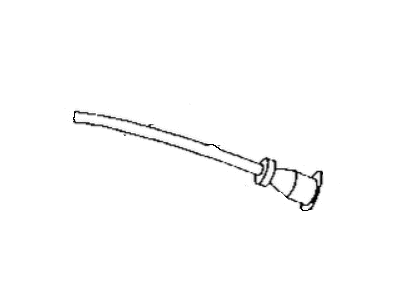
Dodge Stratus Cable Part Number: 4764068
$9.69 MSRP: $12.29You Save: $2.60 (22%)Ships in 1-2 Business Days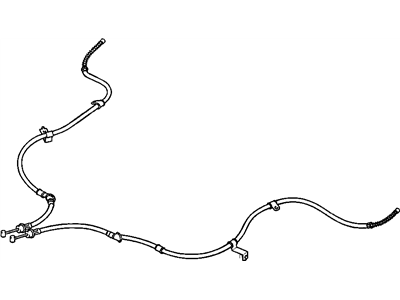

Dodge Stratus Cable Part Number: MR449514
$18.62 MSRP: $23.60You Save: $4.98 (22%)Ships in 1-2 Business Days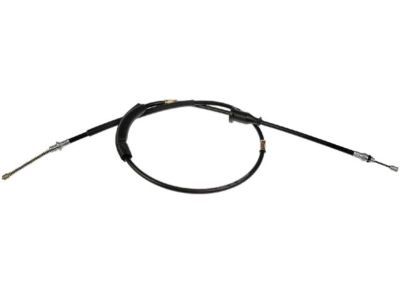
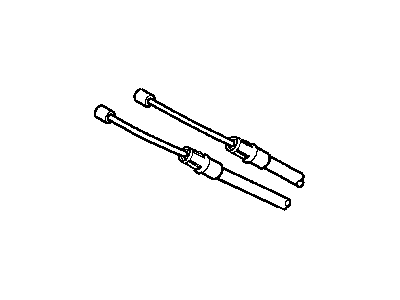
Dodge Stratus Cable Part Number: 4779251AD
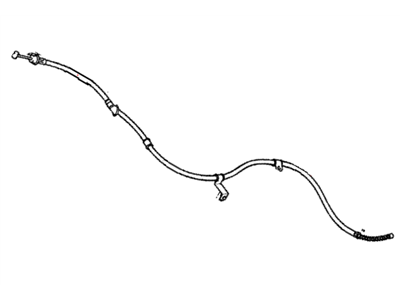
Dodge Stratus Cable Part Number: MR449513


Dodge Stratus Cable Part Number: 4616470
Dodge Stratus Cable Part Number: 4779287AB
Dodge Stratus Parking Brake Cable
Choose OEM Parking Brake Cable that meet Dodge factory standards. Dodge designs and tests every component for precision and durability. Each Parking Brake Cable follows strict manufacturing steps to lock in quality and fit. If your Dodge Stratus matters to you, OEM parts make the smart choice. You'll get the exact look, feel, and performance you expect. Shop genuine Stratus parts at the highly competitive prices online. Enjoy a manufacturer's warranty, a hassle-free return policy, and rapid delivery. No more guesswork with off brands. Get genuine parts with exact fit and true factory performance. Shop with confidence today at JeepPartsDeal.com.
The Parking Brake Cable is also one of the parts with which a buyer can rely on, stressing on the dependability and the power of the Dodge Stratus produced between 1995 and 2005. This important cable controls the connection of the parking brake to the braking mechanism, which holds the Dodge Stratus firmly in place particularly on If this cable is weak or faulty, then the overall safety for the user is reduced for example when parked on a slope. For the Dodge Stratus Parking Brake Cable, durability is characteristic; it fits most models of the Stratus that makes it desirable to the car owners who want to enhance the efficiency of their car. It is crucial to service the parking brake system, including the Parking Brake Cable, frequently because, if deteriorated, the symptoms are a loose parking brake or an illumination of the warning light. The Dodge Stratus ranks high in driving dynamics, acceleration, Braking and handling the vehicle of accelerating from 0 to 60 mph within 7.6 seconds, and more and the Parking Brake Cable contributes the operations of the vehicle. Further, the Parking Brake Cable is unique in the market square because of its sturdy and dependable constitution that assists the general motility. The Parking Brake Cable entails performance factor, safety, and compatibility that makes the Dodge Stratus to be of great value especially to the budget-conscious driver who is in search of a reliable car for his or her use.
Dodge Stratus Parking Brake Cable Parts and Q&A
- Q:How to Maintain the Left or Right Rear Parking Brake Cable on Dodge Stratus?A:Before performing cable replacement, take out the center floor console and set the park brake lever down. Turn the adjusting nut on the park brake cable output to make it looser, so you can remove the rear park brake cables from the tension equalizer. After that, lift off the rear seat cushion, scrape off the scuff plates on the rear doors and use the right-rear door to draw back the rear carpeting and expose the parking brake cables. Take out your 12 point 1/2 inch or 13 mm box wrench and push any spring tabs together. After that, remove the cable by pulling it straight from the bracket in the console. Lift up the car and take out the rear wheel and tire. To work on rear disc brakes, remove the caliper, rotor, hub and bearing and parking brake shoes; for drum brakes, pull off the hub and bearing dust cap and retaining nut and the hub and bearing should just slide off the spindle. Remove the parking brake cable attachment from the rear disc brake or drum brake support plate, as well as from the actuating lever, by compressing the locking tabs with a 1/2 inch or 13 mm box wrench or a screwdriver, if required. Undo the securing fasteners low on the frame rail to release the two cable routing clips, then remove the parking brake cable and sealing grommet from along the floor pan. During installation, slide the parking brake cable into the hole in the floor pan, making certain the grommet is set and then into the rear disc brake adapter or drum support plate, making sure the locking tabs are expanded. Place and secure on the rear frame rail the two cable routing clips with attaching screws. Place the end of the cable where it connects to the lever and work the spring underneath the tab. For cars equipped with rear disc brakes, fit the parking brake shoes before installing the hub and bearing, rotor and caliper; while for muscle cars with rear drum brakes, clamp the cable into the cable guide, lift the hub and bearing onto the spindle pole, insert the retaining nut to 250 Nm (185 ft. lbs.) and place the dust cap. Install the new tire and wheel on the rear and make sure all lug nuts are tightened with a crisscross pattern to just half the needed torque, then tighten them all to 135 Nm (100 ft. lbs.) Drop the vehicle and check that the parking brake cable is sitting securely in the floor pan. Run the cable below the carpet toward the console bracket, add it and ensure the locking tabs are uncovered. Remove the output cable clip and tension equalizer as part of the installation and use new replacements later. Open the cable holder and pull out the old cable equalizer, then put in a new one on the output cable for the park brake and the cables at the back. Ensure the new retainer is properly fastened. Place the parking brake lever in the loose position, apply tension by doing up the adjusting nut until you can see 26 millimeters of thread, fully engage the lever and check that the rear wheels move with it released. After that, lift up and down on the parking brake lever to check its movement and replace the floor console, rear carpeting, door sill plates and the rear lower cushion for the seats.
Related Dodge Stratus Parts
 Dodge Stratus Brake Pads
 Dodge Stratus ABS Reluctor Ring
 Dodge Stratus ABS Sensor
 Dodge Stratus Backing Plate
 Dodge Stratus Brake Caliper
 Dodge Stratus Brake Caliper Repair Kit
 Dodge Stratus Brake Dust Shields
 Dodge Stratus Brake Line
 Dodge Stratus Brake Rotor
 Dodge Stratus Brake Shoe Set
 Dodge Stratus Speed Sensor
 Dodge Stratus Wheel Bearing Dust Cap