JeepParts
My Garage
My Account
Cart
OEM Dodge Viper Brake Caliper
Caliper- Select Vehicle by Model
- Select Vehicle by VIN
Select Vehicle by Model
orMake
Model
Year
Select Vehicle by VIN
For the most accurate results, select vehicle by your VIN (Vehicle Identification Number).
36 Brake Calipers found
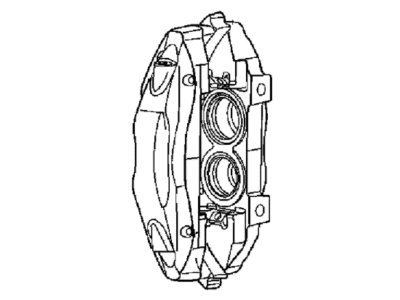
Dodge Viper Caliper, Rear Passenger Side Part Number: 68283288AA
$797.13 MSRP: $1225.00You Save: $427.87 (35%)Ships in 1-2 Business Days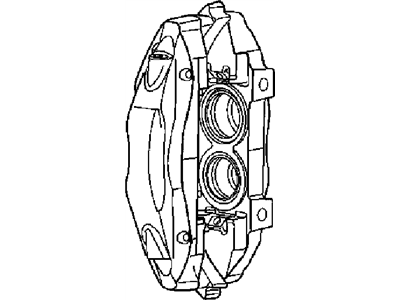
Dodge Viper Caliper Part Number: 68237076AA
$391.59 MSRP: $592.00You Save: $200.41 (34%)Ships in 1-2 Business Days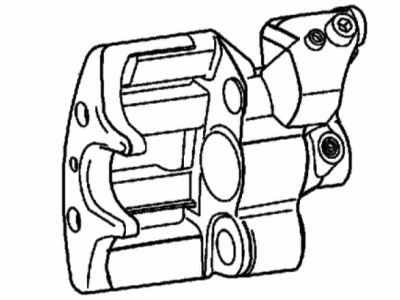

Dodge Viper Caliper, Rear Passenger Side Part Number: 68192016AB
$447.95 MSRP: $677.00You Save: $229.05 (34%)Ships in 1-2 Business DaysDodge Viper Caliper, Orange Part Number: 68237334AA
$598.23 MSRP: $904.00You Save: $305.77 (34%)Ships in 1-2 Business Days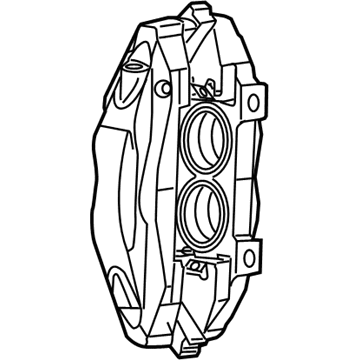
Dodge Viper Caliper, Red Part Number: 68192028AA
$493.92 MSRP: $728.00You Save: $234.08 (33%)Ships in 1-3 Business DaysDodge Viper Caliper, Red Part Number: 68192029AA
$501.93 MSRP: $741.00You Save: $239.07 (33%)Ships in 1-3 Business Days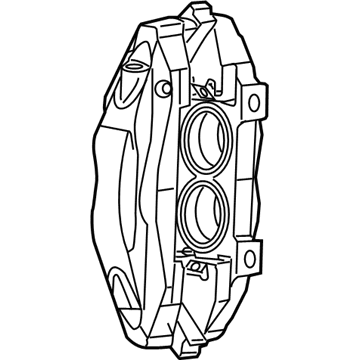
Dodge Viper Caliper, Black, Front Passenger Side Part Number: 68192058AA
$507.66 MSRP: $753.00You Save: $245.34 (33%)Ships in 1-3 Business DaysDodge Viper Caliper, Black, Rear Driver Side Part Number: 68192025AA
$403.46 MSRP: $589.00You Save: $185.54 (32%)Ships in 1-3 Business DaysDodge Viper Caliper, Black, Rear Passenger Side Part Number: 68192024AA
$403.46 MSRP: $589.00You Save: $185.54 (32%)Ships in 1-3 Business Days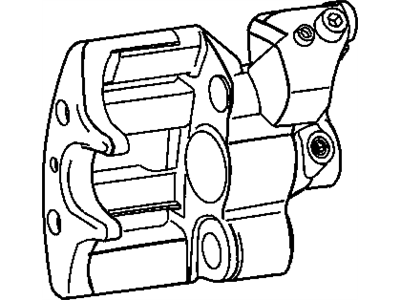
Dodge Viper Caliper, Rear Driver Side Part Number: 5093309AA
$389.04 MSRP: $469.00You Save: $79.96 (18%)Ships in 1-3 Business DaysDodge Viper Caliper, Rear Passenger Side Part Number: 5093308AA
$389.04 MSRP: $469.00You Save: $79.96 (18%)Ships in 1-3 Business Days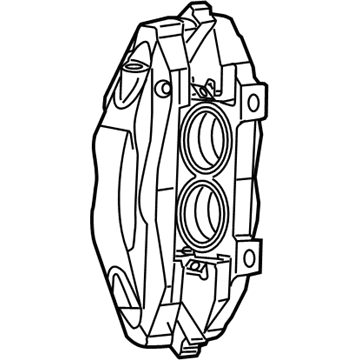
Dodge Viper Caliper, Rear Driver Side Part Number: 5136155AA
$488.19 MSRP: $581.00You Save: $92.81 (16%)Ships in 1-3 Business DaysDodge Viper Caliper, Rear Passenger Side Part Number: 5136154AA
$488.19 MSRP: $581.00You Save: $92.81 (16%)Ships in 1-3 Business DaysDodge Viper Caliper, Red, Front Passenger Side Part Number: 5136152AA
$533.99 MSRP: $634.00You Save: $100.01 (16%)Ships in 1-3 Business Days
Dodge Viper Caliper, Orange Part Number: 68237340AA
$549.61 MSRP: $833.00You Save: $283.39 (35%)Ships in 1-2 Business DaysDodge Viper Caliper, Rear Driver Side Part Number: 68192017AB
$384.96 MSRP: $582.00You Save: $197.04 (34%)Ships in 1-2 Business DaysDodge Viper Caliper, Orange Part Number: 68237341AA
$583.86 MSRP: $883.00You Save: $299.14 (34%)Ships in 1-2 Business DaysDodge Viper Caliper, Orange Part Number: 68237335AA
$619.87 MSRP: $904.00You Save: $284.13 (32%)Dodge Viper Caliper, Rear Driver Side Part Number: 68283289AA
$831.69 MSRP: $1230.00You Save: $398.31 (33%)Dodge Viper Caliper Part Number: 68237077AA
$386.29 MSRP: $564.00You Save: $177.71 (32%)
| Page 1 of 2 |Next >
1-20 of 36 Results
Dodge Viper Brake Caliper
Choose OEM Brake Caliper that meet Dodge factory standards. Dodge designs and tests every component for precision and durability. Each Brake Caliper follows strict manufacturing steps to lock in quality and fit. If your Dodge Viper matters to you, OEM parts make the smart choice. You'll get the exact look, feel, and performance you expect. Shop genuine Viper parts at the highly competitive prices online. Enjoy a manufacturer's warranty, a hassle-free return policy, and rapid delivery. No more guesswork with off brands. Get genuine parts with exact fit and true factory performance. Shop with confidence today at JeepPartsDeal.com.
Dodge Viper Brake Caliper is a critical part of the braking system in the Dodge Viper recognized for its durability and speed. This is the vital component that engages the brake pads to the rotors to create the required drag necessary to stop the vehicle. The Dodge Viper utilizes two primary types of Brake Caliper: The type of bar based on its position relation with the fluid it contains are classified two types which are the fixed bar and the floating bar. Fixed calipers, which have pistons on both sides of the rotor, turn out to be superior in use while the floating, with the pistons on just one side, can boast flexibility while it can stick. Whichever type, the Dodge Viper Brake Caliper is a product formulated to augment the speed and safety of a vehicle and make the Viper reliable in its ability to offer top-performance and safe braking system. The Brake Caliper's role in keeping Viper as the tank like machine it is stands testimony to how it fits well with different Viper models starting with the GTS and RT/10. The type and design of the Dodge Viper Brake Caliper make it stand out from the rest of the automotive competition and deliver the requested performance by utilizing Highly engineered and quality material that can help to withstand the high-performance driving stress. In light of this, it is quite necessary to always inspect brakes such as the Brake Caliper in order to achieve the prime performance and safety of the Dodge Viper. All in all, the Dodge Viper Brake Caliper can be defined as one of the most effective and reliable components that have no analogues in the world (at least, in the frame of the Dodge vehicles): they are efficient and can boast of an ingenious design.
Dodge Viper Brake Caliper Parts and Q&A
- Q:How to Install a Brake Caliper for the Parking System on Dodge Viper?A:Before you install the caliper, take out the Brake Pads. If the parking brake caliper piston is not fully placed, hold the double-pin end of Piston Retractor 6366and turn it clockwise until the piston bottoms in its bore. Following this, put the parking brake pads in the caliper so the inboard and outboard shoes are both the same. Place the anti-rattle spring around the top of the retaining pin and fully insert it through the holes in pads 2. Then, use a drift punch to push the snap ring over the end of the retaining pin on the caliper side. Slide hair pin 3 into place sharing the brake pads retaining pin. On knuckle 1, place the parking brake caliper and tighten the upper caliper bolt 5 to 32 Nm (24 ft. lbs.) and the lower caliper bolt 4 to 52 Nm (38 ft. lbs.). Push the cable caliper through bracket 2, run the cable housing into the bracket next to it and attach the cable to the apply lever on the caliper. Untwist the Parking Brake Cable, then take out a bit of cable so you can place it on the pivot wheel, ensuring you push the rest of it back into the housing. Attach the uneven tire and wheel assembly and twist the wheel mounting nuts on fast until they reach 135 Nm (100 ft. lbs.). Place the car on the floor so the rear tires just slip underneath, confirming that the cables on both sides of the equalizer are correctly set and attach to the cable track on the brake lever. After your hands are clear of the automatic adjuster sector and pawl area, quickly pull the screwdriver or pin punch out of the parking brake lever to let it adjust. Once the dedicated cables are in the correct position, release the lever and don't press it again. See that after releasing the lever, the rear wheels turn without democracy and that they stop when the lever is moved all the way in. Next, remove the vehicle from lifting jacks and attach the Center Console. After that, remove any blocks from the wheel and tire assemblies.
- Q:How to Remove and Replace a Brake Caliper on Dodge Viper?A:Before removing the parking brake caliper, secure the overlock to make the vehicle stationary after the first release of the parking brake lever and fully hold down the parking brake lever. After that, take out the console and place the parking brake lever handle down until it stops. Pull the parking brake lever output cable up until you can put a screwdriver, pin punch or proper pin into the hole in the left side of the lever mechanism which goes behind the sector gear and exits the right side of the lever, to secure the parking brake adjustment mechanism. Lift the vehicle at the jack points and then take out the wheel and tire from the assembly. Take the Parking Brake Cable between the linkage and apply the lever to pull it out all the way, leaving enough distance to take it off the pivot. Pull out the cable end at the apply lever on the caliper and next, pull away the cable from the bracket where it holds the cable housing. Take out the two screws on the parking brake caliper and pull the caliper off the knuckle. Take out the hair pin from the brake pad retaining pin, then tap the parking brake pad retaining pin out of the caliper with a pin punch. After that, take out the anti-rattle spring and the parking brake pads.
Related Dodge Viper Parts
 Dodge Viper ABS Control Module
 Dodge Viper ABS Pump And Motor Assembly
 Dodge Viper ABS Sensor
 Dodge Viper Brake Caliper Piston
 Dodge Viper Brake Caliper Repair Kit
 Dodge Viper Brake Controller
 Dodge Viper Brake Line
 Dodge Viper Brake Rotor
 Dodge Viper Hydraulic Hose
 Dodge Viper Parking Brake Cable
 Dodge Viper Wheel Hub Bolt
 Dodge Viper Wheel Stud