JeepParts
My Garage
My Account
Cart
OEM Jeep Air Filter Box
Air Filter Housing- Select Vehicle by Model
- Select Vehicle by VIN
Select Vehicle by Model
orMake
Model
Year
Select Vehicle by VIN
For the most accurate results, select vehicle by your VIN (Vehicle Identification Number).
50 Air Filter Boxs found
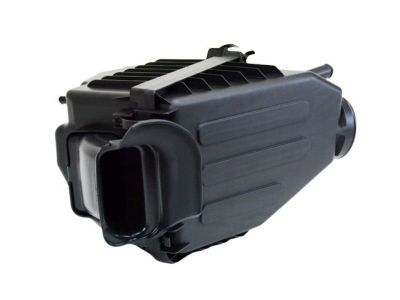
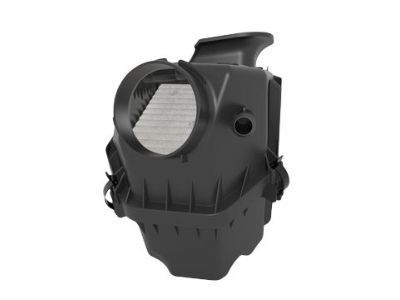
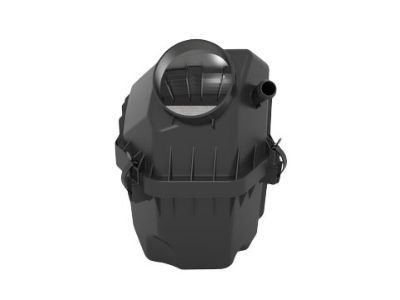
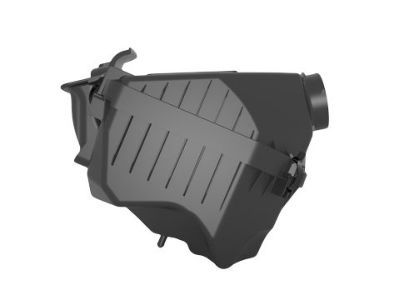
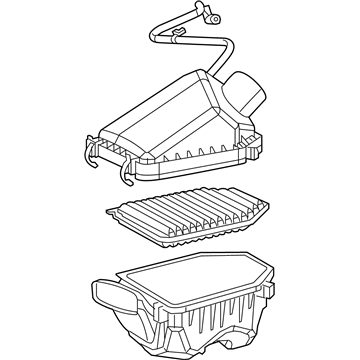
Jeep Air Cleaner Assembly Part Number: 4627063AD
$157.22 MSRP: $234.00You Save: $76.78 (33%)Product Specifications- Other Name: Air Cleaner; Air Filter and Housing Assembly; Air Filter Housing
- Replaces: 4627063AC
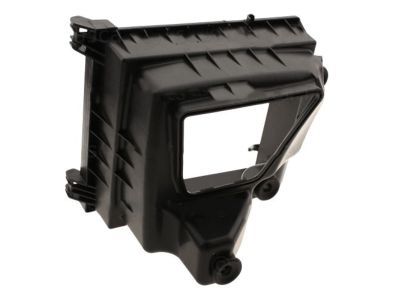
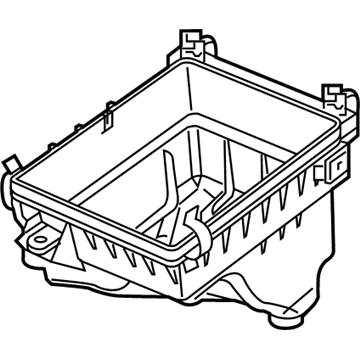
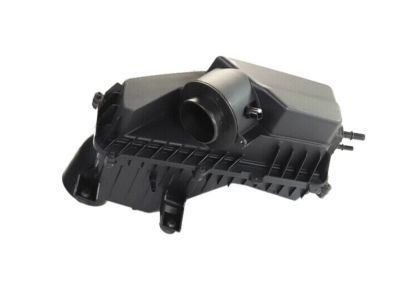
Jeep Air Cleaner Body, Lower Part Number: 68142929AA
$68.57 MSRP: $104.00You Save: $35.43 (35%)Ships in 1-2 Business DaysProduct Specifications- Other Name: Body - Air Cleaner; Air Filter Housing, Lower; Body Air Cleaner
- Position: Lower
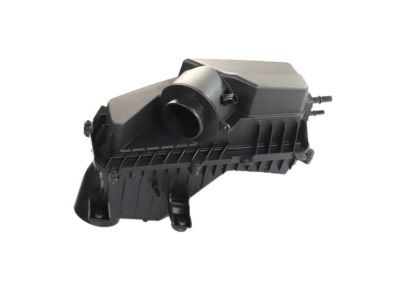
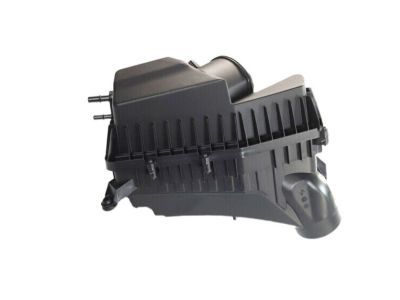
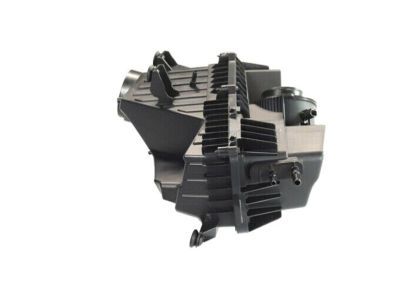
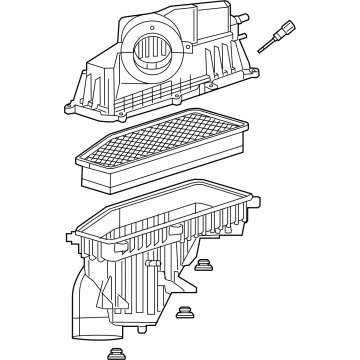
Jeep Air Cleaner Assembly Part Number: 68292846AG
$225.42 MSRP: $340.00You Save: $114.58 (34%)Ships in 1-2 Business DaysProduct Specifications- Other Name: Air - Engine; Air Filter and Housing Assembly; Air Filter Housing; Air Cleaner Assembly Engine
- Replaces: 68292846AE, 68292846AD, 68292846AF
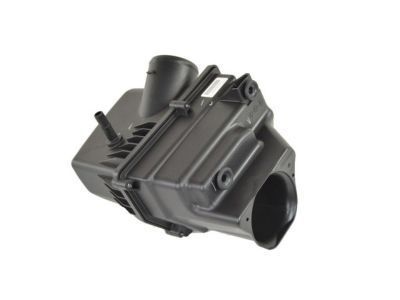
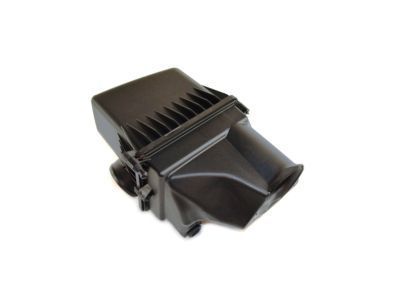
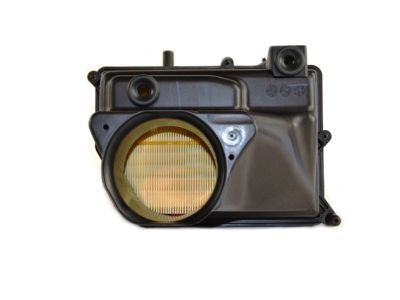
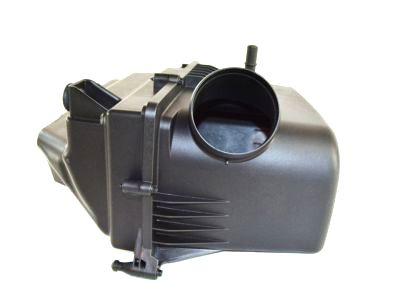
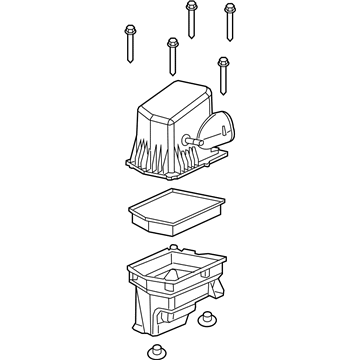
Jeep Air Cleaner Body Part Number: 52022352AD
$237.58 MSRP: $357.00You Save: $119.42 (34%)Ships in 1-2 Business DaysProduct Specifications- Other Name: Air Clean; Air Filter and Housing Assembly; Air Filter Housing; Air Cleaner
- Replaces: 52022352AB, 52022352AC
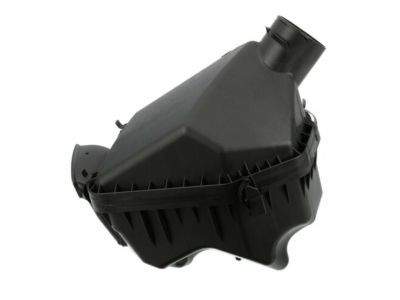
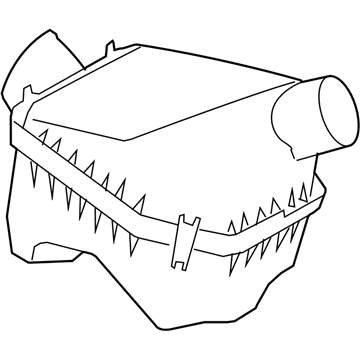
Jeep Air Cleaner Assembly Part Number: 4721129AJ
$113.42 MSRP: $169.00You Save: $55.58 (33%)Product Specifications- Other Name: Air Cleaner; Air Filter and Housing Assembly; Air Filter Housing
- Replaces: 4721129AH, 4721129AF, 4721129AG
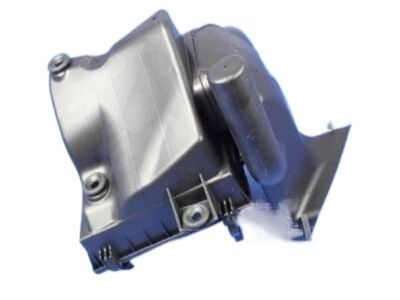
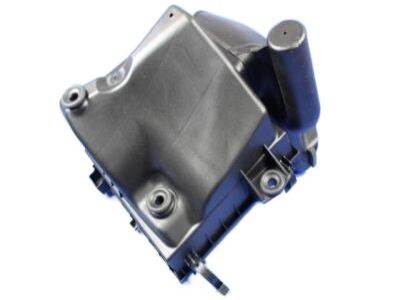
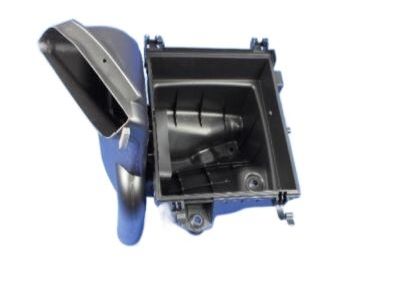
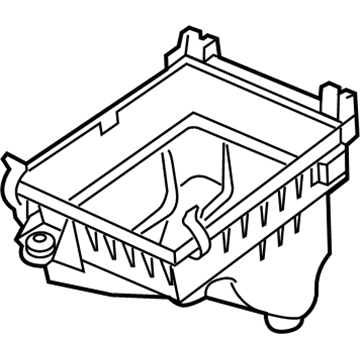
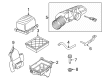
Jeep Air Cleaner Body, Lower Part Number: 68084276AA
$120.10 MSRP: $177.00You Save: $56.90 (33%)Ships in 1-3 Business DaysProduct Specifications- Other Name: Body - Air Cleaner; Air Filter Housing, Lower; Body Air Cleaner
- Position: Lower
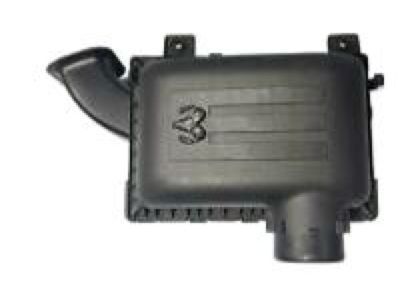
Jeep Air Cleaner Body Part Number: 68285595AB
$179.68 MSRP: $267.00You Save: $87.32 (33%)Product Specifications- Other Name: Air - Engine; Air Filter and Housing Assembly; Air Filter Housing; Air Cleaner Assembly Engine
- Replaces: 68285595AA
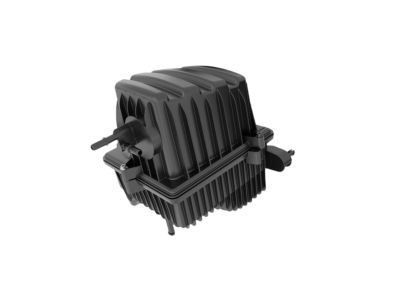
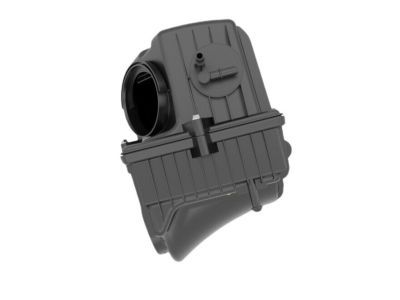
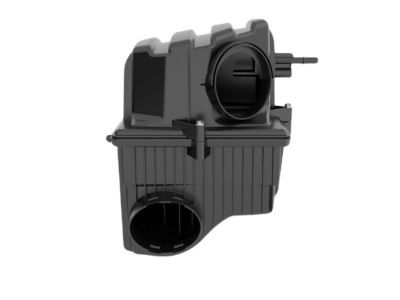
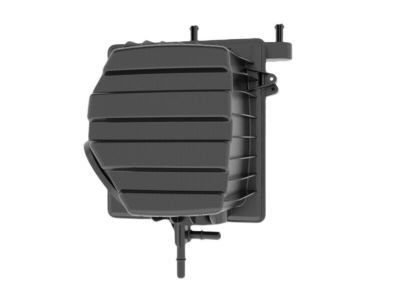
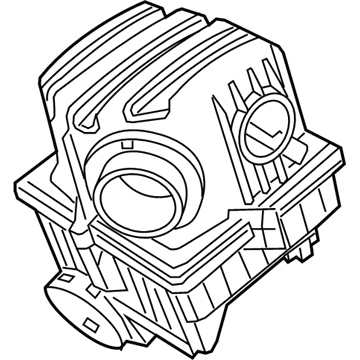
Jeep Air Cleaner Assembly Part Number: 68405395AA
$188.66 MSRP: $280.00You Save: $91.34 (33%)Product Specifications- Other Name: Filter; Air Filter and Housing Assembly; Air Cleaner
- Replaces: 68256367AA
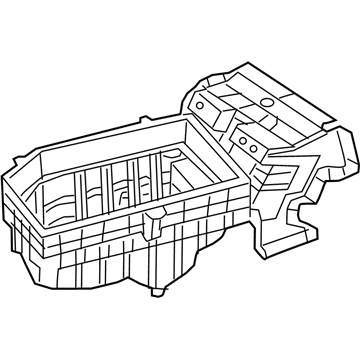
Jeep Filter Housing Part Number: 68291143AC
$88.72 MSRP: $134.00You Save: $45.28 (34%)Ships in 1-2 Business DaysProduct Specifications- Other Name: Body - Air Cleaner
- Replaces: 68291143AB, 68291143AA
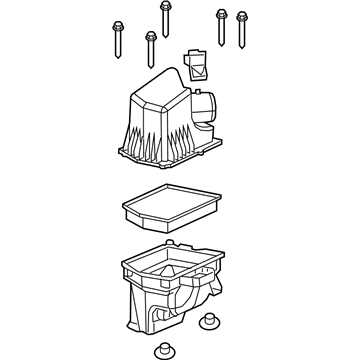
Jeep Air Cleaner Body Part Number: 68290594AB
$108.92 MSRP: $226.00You Save: $117.08 (52%)Ships in 1-2 Business DaysProduct Specifications- Other Name: Air Clean; Air Filter and Housing Assembly; Air Filter Housing
- Replaces: 68290594AA
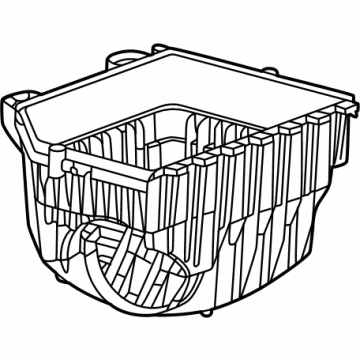
Jeep Air Cleaner Body, Lower Part Number: 68551701AA
$39.67 MSRP: $80.35You Save: $40.68 (51%)Ships in 1-2 Business DaysProduct Specifications- Other Name: Body - Air Cleaner; Air Filter Housing, Lower; Air Filter Housing
- Position: Lower
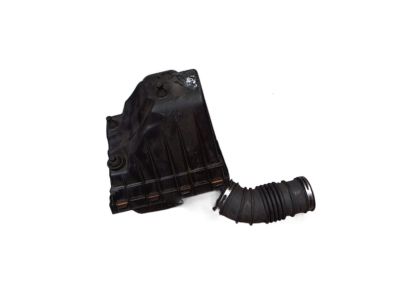
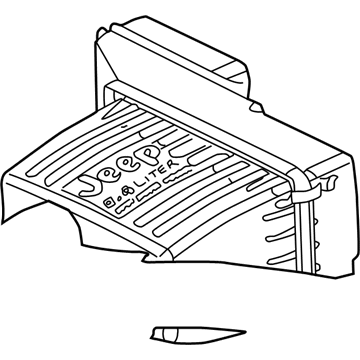
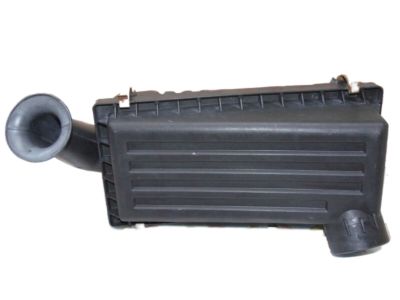
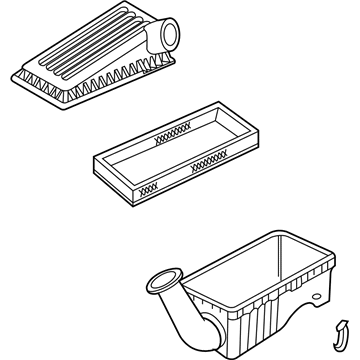
Jeep Air Cleaner Assembly Part Number: 53013102AA
Product Specifications- Other Name: Body - Air Cleaner; Air Filter and Housing Assembly; Air Filter Housing; Body Air Cleaner
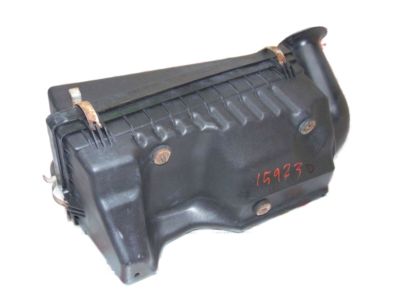
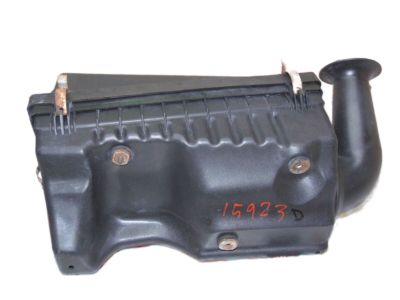
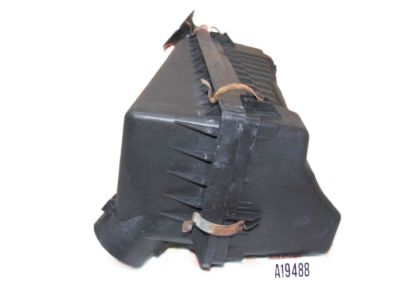
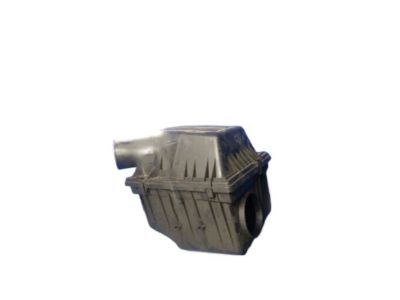
Jeep Air Cleaner Assembly, Front Part Number: 53013650AA
Product Specifications- Other Name: Air Cleaner; Air Filter and Housing Assembly, Front; Air Filter Housing
- Position: Front
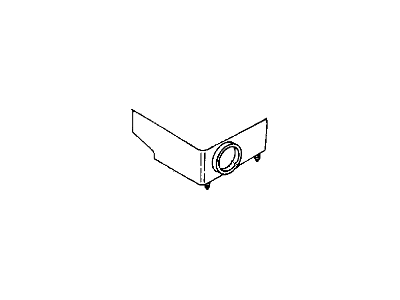
Jeep Lower Case Part Number: 53007385
Product Specifications- Other Name: Body - Air Cleaner; Air Filter Housing; Cover; Shell, Air Cleaner, Lower; Housing Air Cleaner
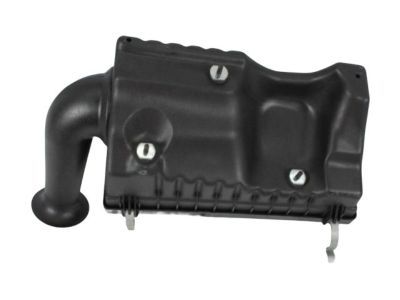
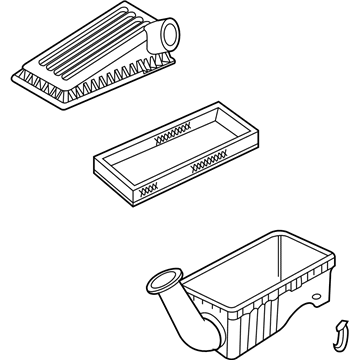
Jeep Air Cleaner Assembly Part Number: 5161780AA
Product Specifications- Other Name: Body - Air Cleaner; Air Filter and Housing Assembly; Air Filter Housing; Body Air Cleaner
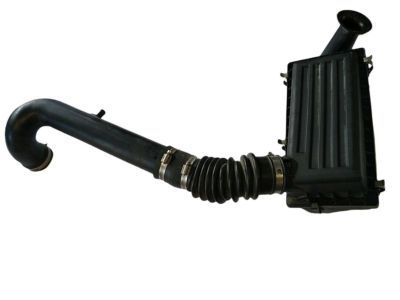
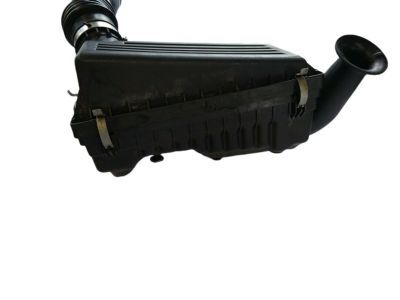
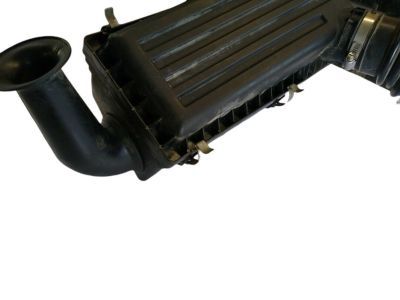
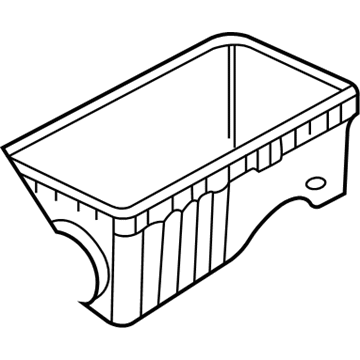
Jeep Lower Case Part Number: 4797776
Product Specifications- Other Name: Body - Air Cleaner; Air Filter Housing, Lower; Body Air Cleaner
- Position: Lower
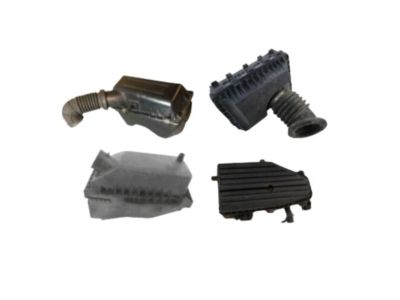
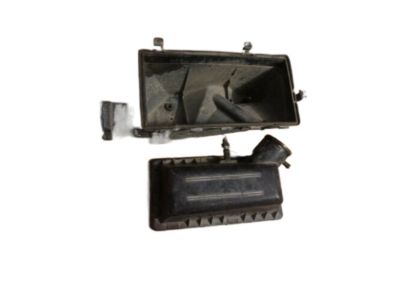
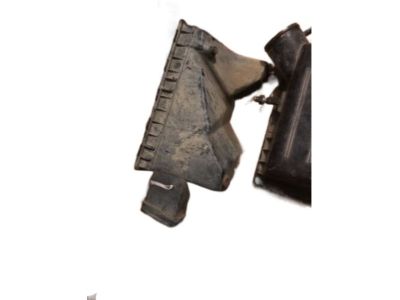
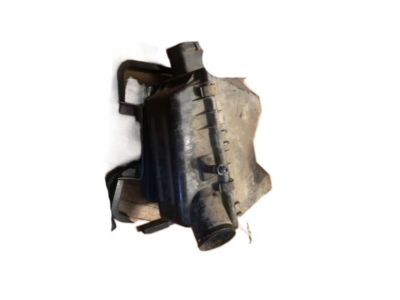
Jeep Lower Case Part Number: 4854153AC
Product Specifications- Other Name: Body - Air Cleaner; Body Air Cleaner
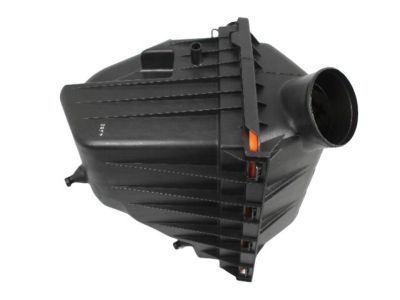
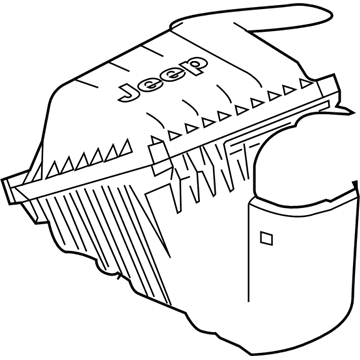
Jeep Air Cleaner Assembly Part Number: 53013727AB
Product Specifications- Other Name: Air Cleaner; Air Filter and Housing Assembly; Air Filter Housing
- Replaces: 53013727AA
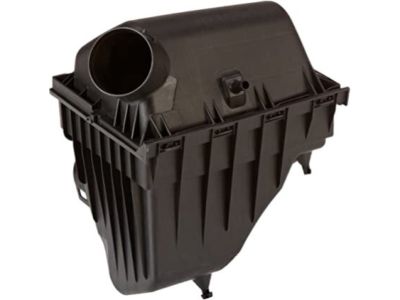
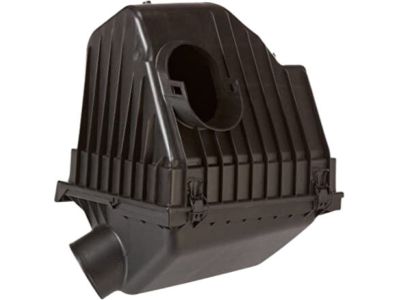
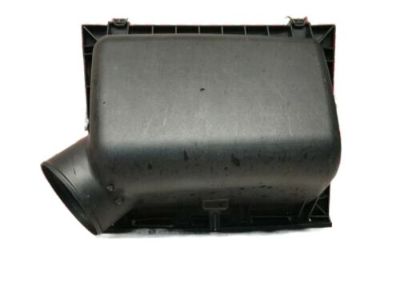
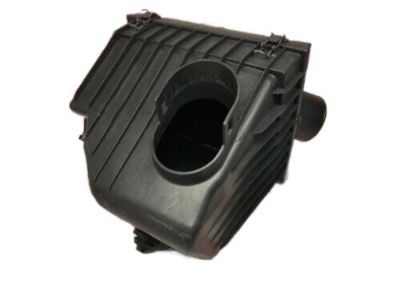
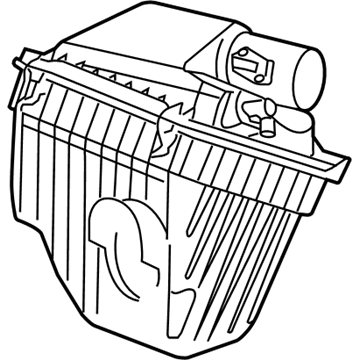
Jeep Air Cleaner Assembly Part Number: 4880266AB
Product Specifications- Other Name: Air Cleaner; Air Filter Housing; Air Cleaner Body
- Replaces: 4880266AA
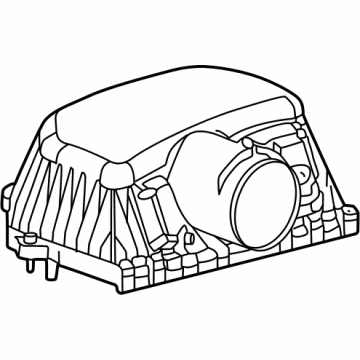
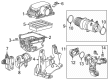
Jeep Cover - Air Cleaner Part Number: 68551698AB
$53.13 MSRP: $76.45You Save: $23.32 (31%)Product Specifications- Other Name: COVER-AIR CLEANER
| Page 1 of 3 |Next >
1-20 of 50 Results
Jeep Air Filter Box
OEM parts sourced directly from Jeep deliver superior quality, long lasting strength, and a precise fit you can trust. Each item goes through strict quality checks to ensure safety, toughness, and performance that matches your factory equipment. At JeepPartsDeal online shop, you'll get top-quality, budget-friendly OEM Jeep Air Filter Box for your vehicle. We focus on giving you a high standard without pushing up the price. Our full selection of genuine factory products comes backed by the original manufacturer's warranty. You'll love our fast delivery, seamless shopping experience, and convenient return policy, saving you all the hassle.
Jeep Air Filter Box ensures that dirty dust is kept out of the engine so that engines can breathe clean and power harder. The legend of Jeep was created in 1945 and the first civilian rig came out tough and ready. The badge is still characterized to this day by open-air freedom, square posture, and a go-anywhere attitude. Jeep also includes voice recognition, smooth touch screens, and fast over-the-air updates on their modern dashboards which update overnight. Selec-Terrain allows drivers to turn a knob and switch to snow traction, sand traction, or mud traction without decelerating the adventure. Jeep enthusiasts also lean on a global network that buys and sells trail tips and weekend meet-up bids like currency. Granite touches like flat-fold seats and numerous tie-down points testify to the fact that Jeep takes real gear haulers seriously. A clean intake is important under that philosophy as smart electronics. Air Filter Box passes in air via a pleated element, which captures dust and grit before passing through the throttle body, maintains flow constant, and protects cylinders, rings, and sensors against wear. Air Filter Box is raised and closed to shake off creek splashes and rooster tails. Air Filter Box can be changed in a few minutes since the latches are located on the top and can be removed with clips that are tool-free. Air Filter Box is made of tough plastics that shake off heat cycles and shocks resulting in the part lasting trail after trail.
Jeep Air Filter Box Parts and Q&A
- Q:What Role Does the Air Filter Box Play in Air Quality Management on Jeep Cherokee?A:The Air Filter Box (AFB) serves to provide heated intake air during engine warm-up and then maintains inlet air temperature within a 70-105 degrees F range by balancing warm and cool air intake, promoting leaner fuel/air mixtures for emission reduction and improved driveability. This balance is governed by intake manifold vacuum, regulated by a vacuum motor controlling a heat duct valve in the air filter box. During cold conditions, a shroud directs warm air from the exhaust manifold to the air filter box, aiding in quicker warm-up, while as internal temperatures rise, the vacuum-controlled heat duct valve gradually closes to draw air from a cold air duct. A time delay valve introduces approximately 100 seconds of delay before the complete closure of the heat duct valve. On certain models, a trap door mechanism similarly closes off outside air when the engine is inactive. To check its operation, ensure the engine is cold, inspect vacuum sources and hoses, observe the heat duct valve's position, start the engine to confirm it closes, and have an assistant operate the accelerator to verify valve movement. Reattach the flexible duct and check the valve's position after warming the engine. If issues arise, inspect linkages, vacuum hoses, and look for air leaks. If problems persist, direct intake manifold vacuum to the vacuum motor to diagnose further. For the bi-metal temperature sensor, remove vacuum hoses, cool it below 40 degrees F, apply vacuum, and observe the gauge. It should show vacuum at temperatures below 40 degrees F and none above 55 degrees F. Replace the sensor if faulty. To replace the heat duct valve vacuum motor, remove the air filter box, label and detach vacuum hoses, drill out the securing rivet, and remove the motor. Installation is the reverse, ensuring the rivet or screw doesn't obstruct the heat duct valve's movement. To replace the bi-metal temperature sensor, remove the air filter box, detach vacuum hoses, remove the sensor and its retaining clip, gasket, and note its position. Install the new sensor with a new gasket following the reverse procedure.
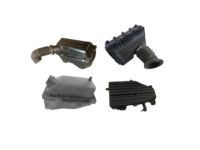
Related Jeep Parts
 Jeep Gas Cap
 Jeep Fuel Pump
 Jeep Intake Manifold
 Jeep Air Intake Hose
 Jeep Fuel Filler Neck
 Jeep Fuel Pressure Regulator
 Jeep Fuel Sending Unit
 Jeep Fuel Tank Skid Plate
 Jeep Intake Manifold Gasket
 Jeep Throttle Body Gasket
 Jeep Fuel Filler Hose
 Jeep Fuel Line Clamps