JeepParts
My Garage
My Account
Cart
OEM Jeep Air Intake Hose
Engine Air Intake Hoses- Select Vehicle by Model
- Select Vehicle by VIN
Select Vehicle by Model
orMake
Model
Year
Select Vehicle by VIN
For the most accurate results, select vehicle by your VIN (Vehicle Identification Number).
85 Air Intake Hoses found
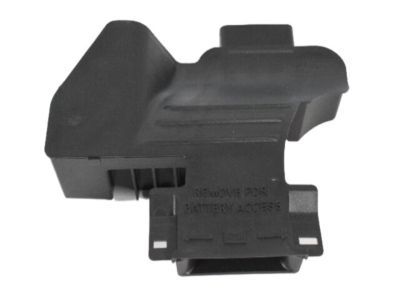
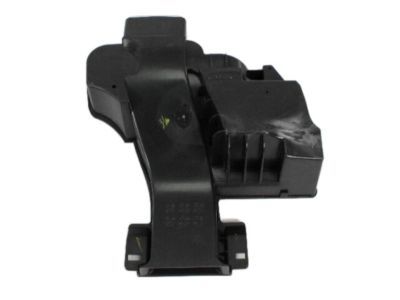
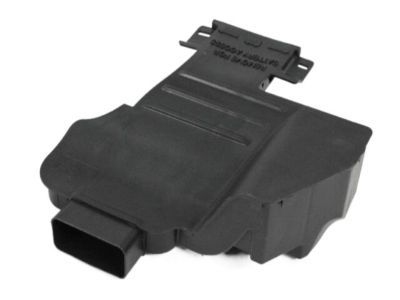
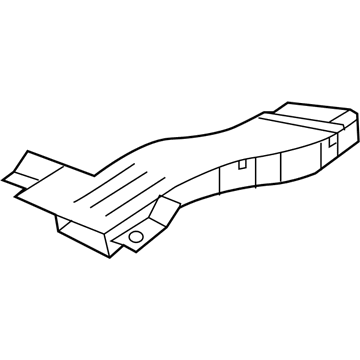
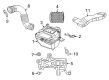
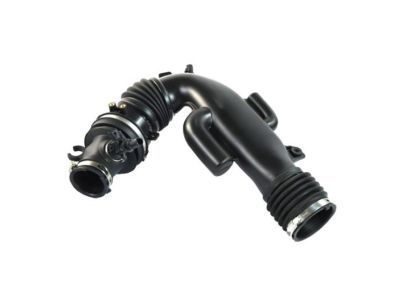
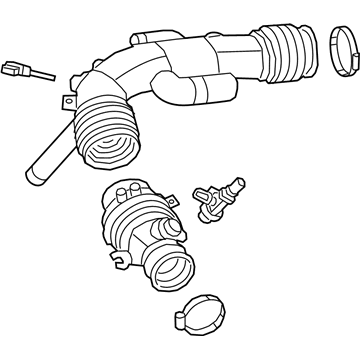
Jeep Air Duct Part Number: 4593913AB
$107.10 MSRP: $116.00You Save: $8.90 (8%)Product Specifications- Other Name: Duct - Fresh Air; Engine Air Intake Hose; Intake Coupling; Intake Duct; Duct Fresh Air; Air Intake Hose
- Replaces: 4891646AB, 4891646AC, 4891646AD
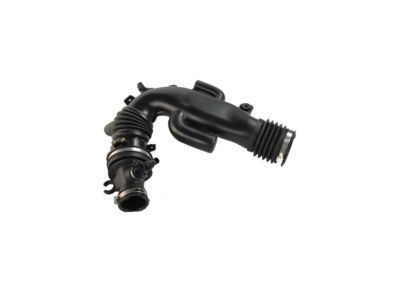
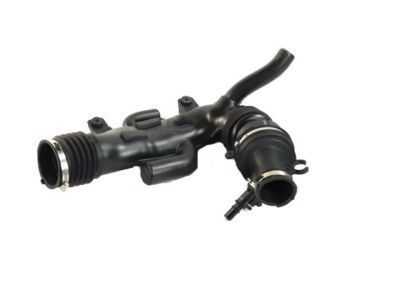
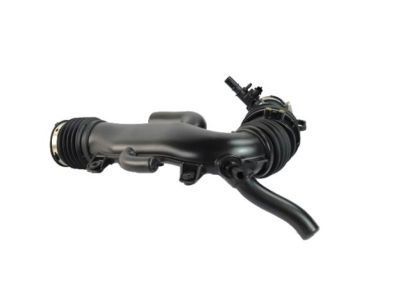
Jeep Intake Hose Part Number: 68277994AC
$116.28 MSRP: $256.00You Save: $139.72 (55%)Product Specifications- Other Name: Hose - Air Cleaner; Hose Air Cleaner
- Replaces: 68277994AB, 68277994AA
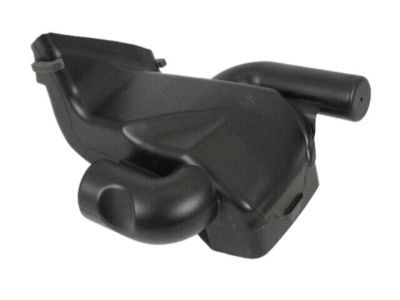
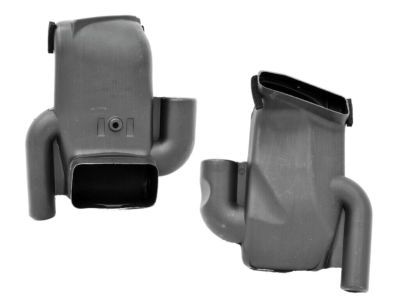
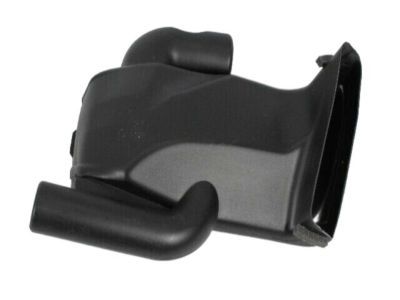
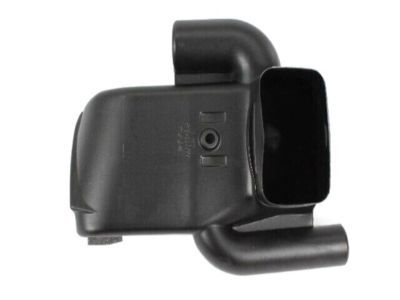
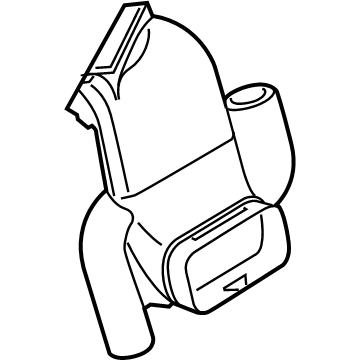
Jeep Intake Duct, Lower Part Number: 68022213AB
$56.88 MSRP: $121.00You Save: $64.12 (53%)Ships in 1-2 Business DaysProduct Specifications- Other Name: Duct - Air Cleaner; Engine Air Intake Hose, Front, Lower; Duct Air Cleaner
- Position: Lower
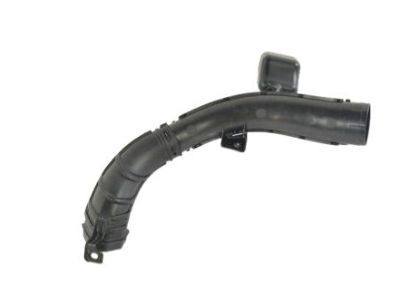
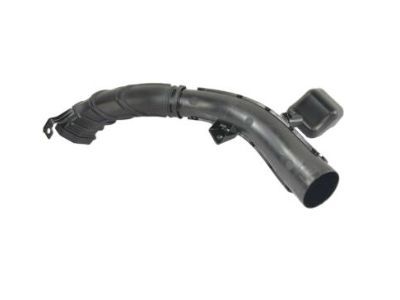
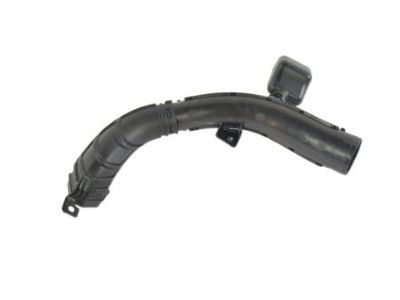
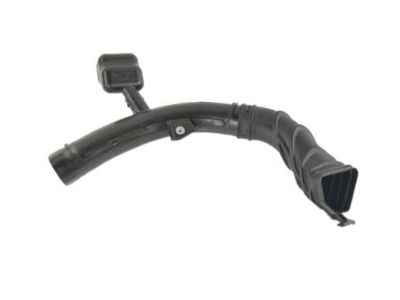
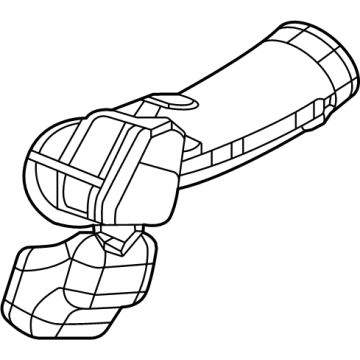
Jeep Air Tube Part Number: 68312173AA
$71.06 MSRP: $147.00You Save: $75.94 (52%)Product Specifications- Other Name: Duct - Air Inlet; Intake Coupling; Duct Air Inlet
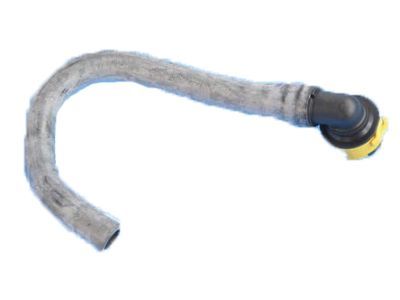
Jeep Air Tube Part Number: 68247360AA
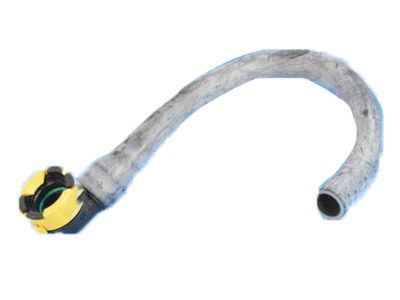
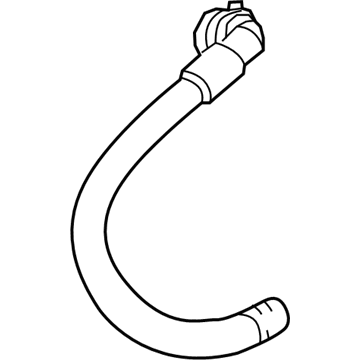
$70.30 MSRP: $107.00You Save: $36.70 (35%)Ships in 1-2 Business DaysProduct Specifications- Other Name: Hose - Make Up Air; PCV Valve Hose; Hose Make Up Air
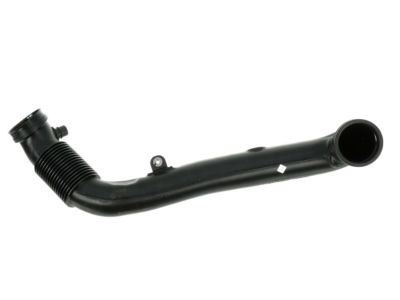
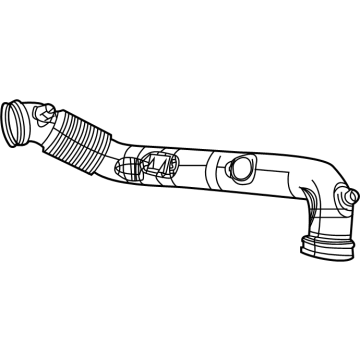
Jeep Intake Hose, Front Part Number: 68303177AA
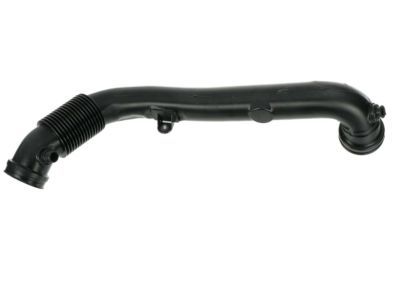
$92.82 MSRP: $142.00You Save: $49.18 (35%)Ships in 1-2 Business DaysProduct Specifications- Other Name: Duct - Clean Air; Engine Air Intake Hose, Front; Duct Clean Air
- Position: Front
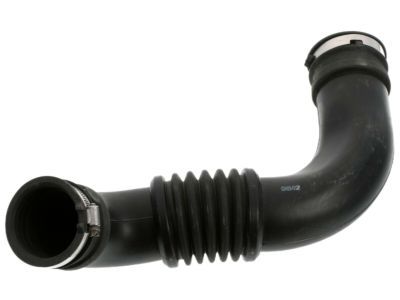
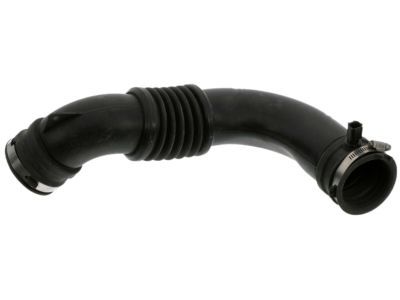
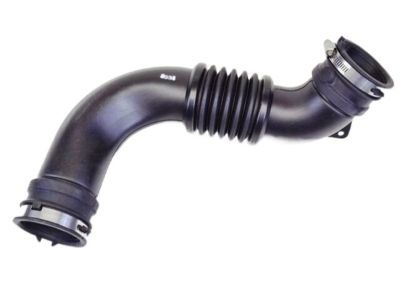
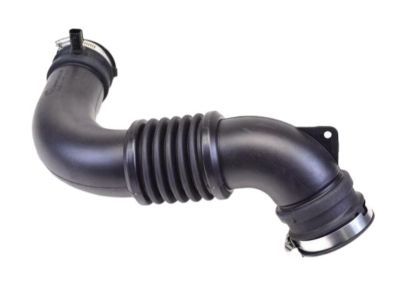
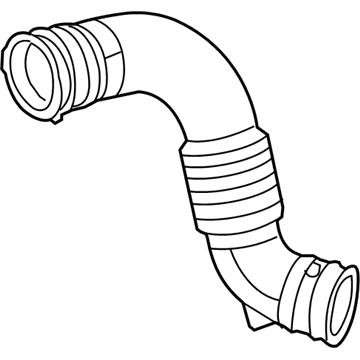
Jeep Hose, Front Driver Side Part Number: 4891621AC
$67.68 MSRP: $102.00You Save: $34.32 (34%)Ships in 1-2 Business DaysProduct Specifications- Other Name: Hose - Clean Air; Engine Air Intake Hose, Front Left; Intake Coupling; Hose Clean Air; Air Intake Hose
- Position: Front Driver Side
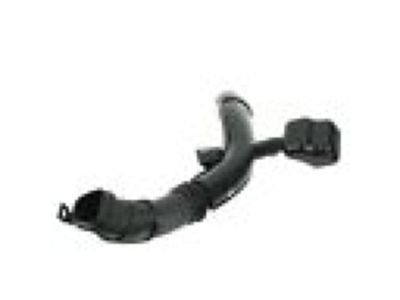
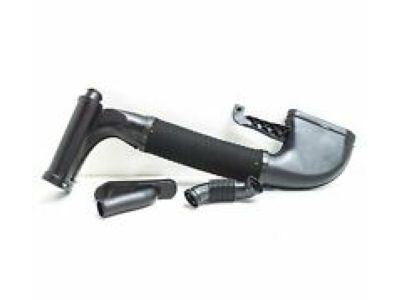
Jeep Air Tube Part Number: 68247353AA
$76.31 MSRP: $113.00You Save: $36.69 (33%)Product Specifications- Other Name: Duct - Air Inlet; Intake Coupling; Duct Air Inlet
- Replaces: 68247352AA
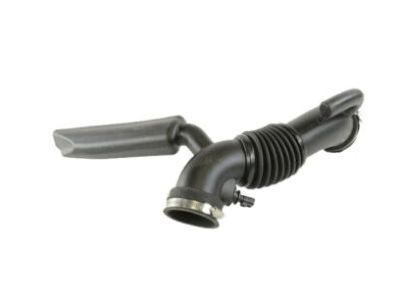
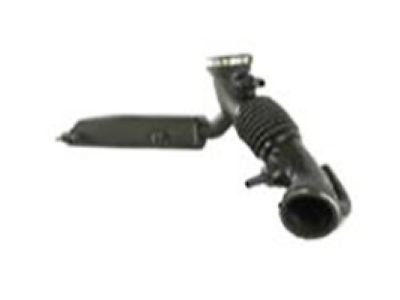
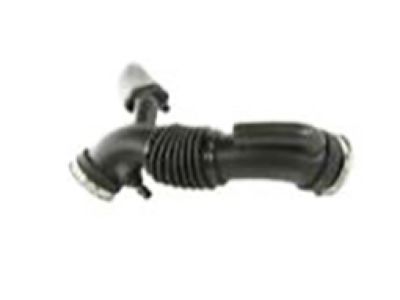
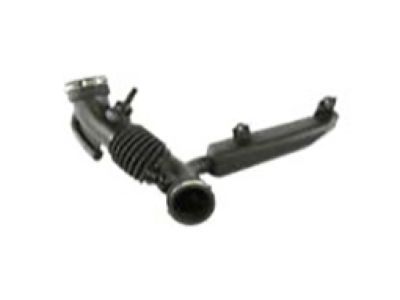
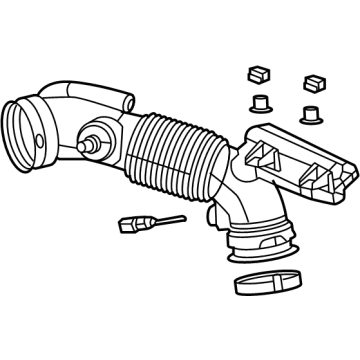
Jeep Air Tube Part Number: 68293180AB
$79.17 MSRP: $119.00You Save: $39.83 (34%)Ships in 1-2 Business DaysProduct Specifications- Other Name: Hose - Air Cleaner; Engine Air Intake Hose; Intake Coupling; Hose Air Cleaner; Air Intake Hose
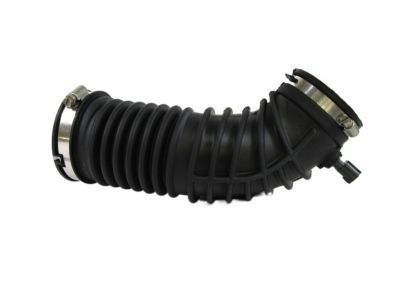
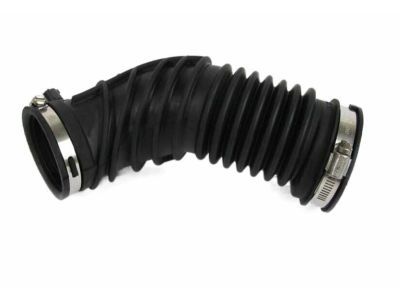
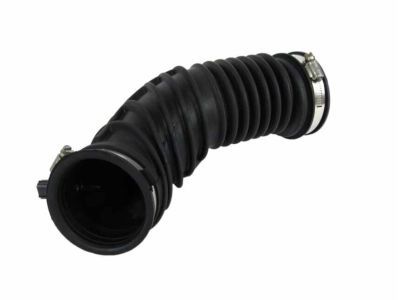
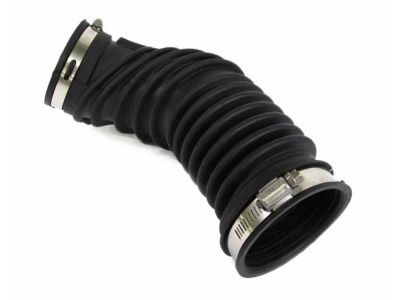
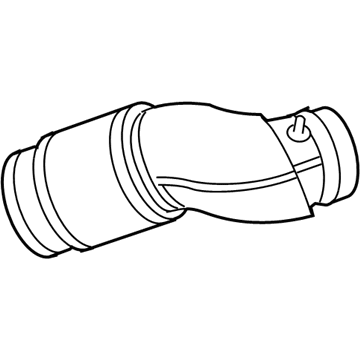
Jeep Air Hose Part Number: 4721134AG
$81.40 MSRP: $122.00You Save: $40.60 (34%)Product Specifications- Other Name: Hose - Clean Air; Engine Air Intake Hose; Intake Coupling; Hose Clean Air; Air Intake Hose
- Replaces: 4721134AF, 4721134AD, 4721134AE
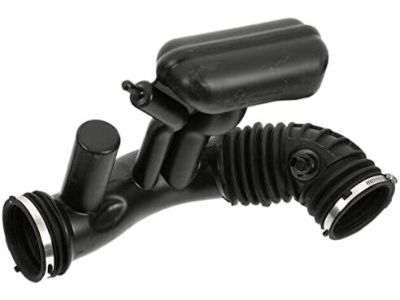
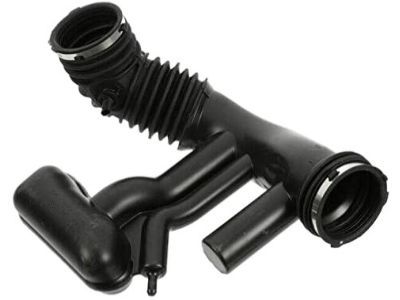
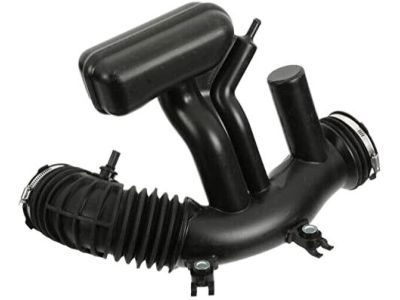
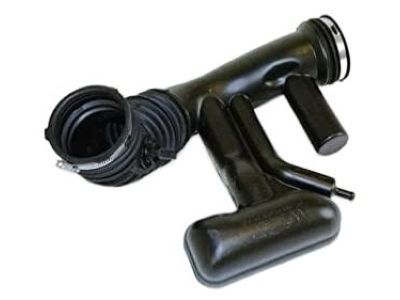
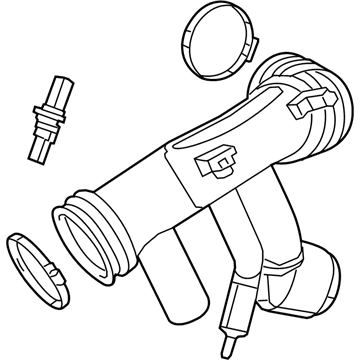
Jeep Intake Hose Part Number: 4627065AD
$208.51 MSRP: $312.00You Save: $103.49 (34%)Ships in 1-2 Business DaysProduct Specifications- Other Name: Hose - Clean Air; Engine Air Intake Hose; Hose Clean Air
- Replaces: 4627065AC
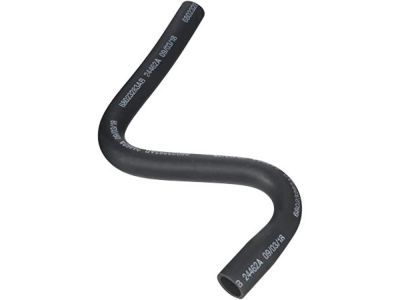
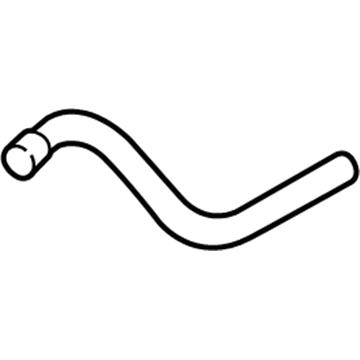
Jeep Air Hose Part Number: 68023283AB
$13.90 MSRP: $20.65You Save: $6.75 (33%)Ships in 1-2 Business DaysProduct Specifications- Other Name: Hose - Make Up Air; PCV Valve Hose; Hose Make Up Air
- Replaces: 68023283AA
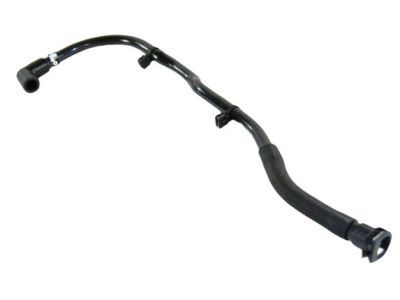
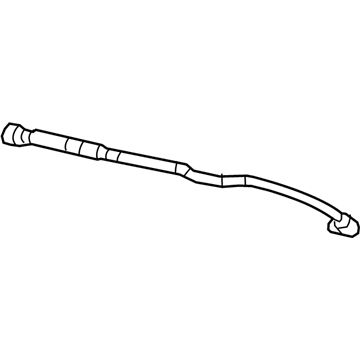
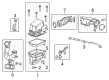
Jeep Hose Part Number: 52022390AC
$35.78 MSRP: $53.30You Save: $17.52 (33%)Product Specifications- Other Name: Hose - Make Up Air; PCV Valve Hose; Intake Coupling; Hose Make Up Air
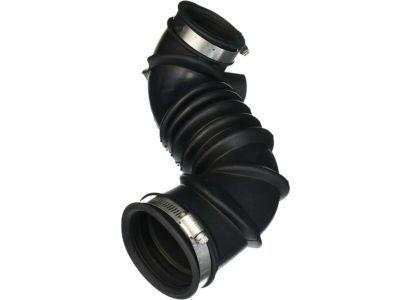
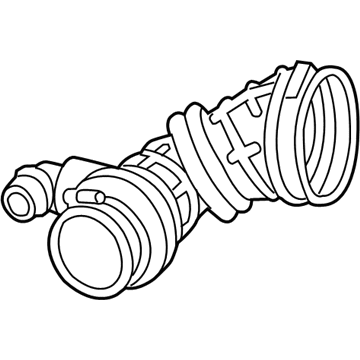

Jeep Connector Hose Part Number: 53013104AE
$41.76 MSRP: $60.00You Save: $18.24 (31%)Ships in 1-2 Business DaysProduct Specifications- Other Name: Hose - Clean Air; Engine Air Intake Hose; Hose Clean Air
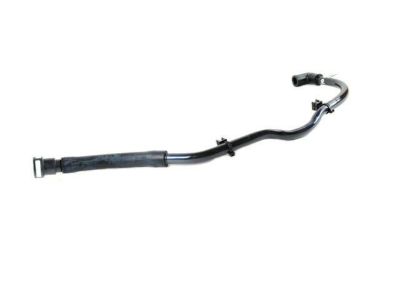
Jeep Hose Part Number: 52022390AB
$40.50 MSRP: $53.30You Save: $12.80 (25%)Ships in 1-2 Business DaysProduct Specifications- Other Name: Hose - Make Up Air; PCV Valve Hose; Intake Coupling; Hose Make Up Air
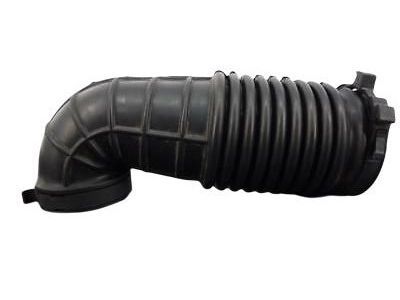
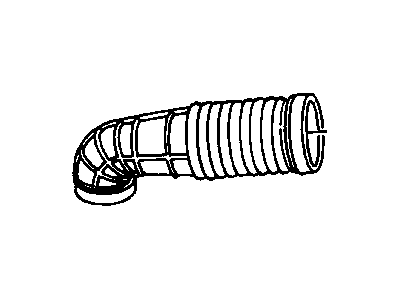
 Product Specifications
- Other Name: Hose - Air Cleaner To Throttle Body; Intake Coupling; Hose Air Cleaner To Throttle Body; Hose, 5.2L Engine
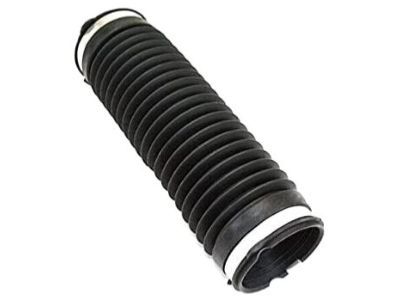
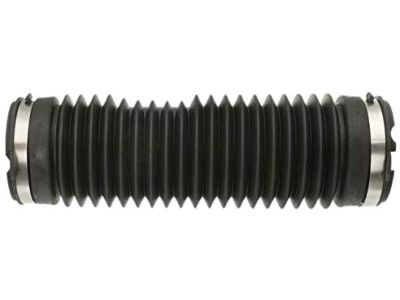
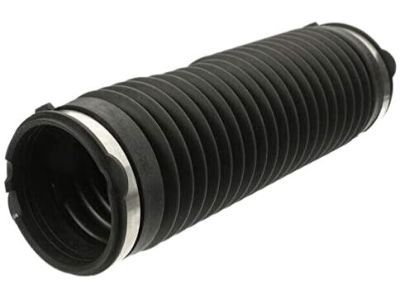
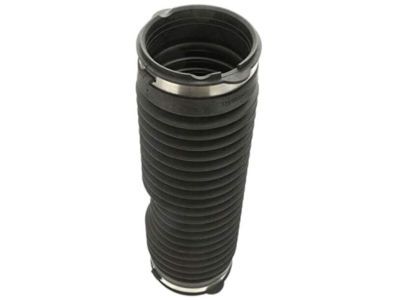
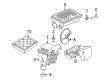
Jeep Connector Hose Part Number: 53013522AC
$55.56 MSRP: $62.80You Save: $7.24 (12%)Ships in 1-2 Business DaysProduct Specifications- Other Name: Hose - Clean Air; Engine Air Intake Hose; Hose Clean Air
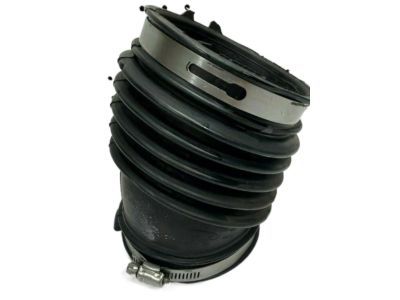
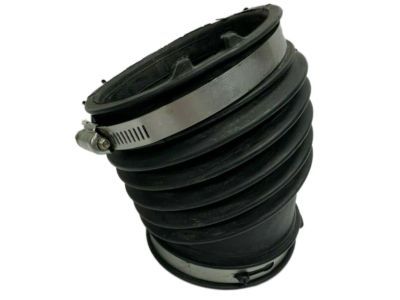
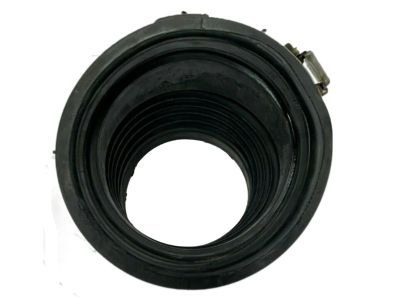
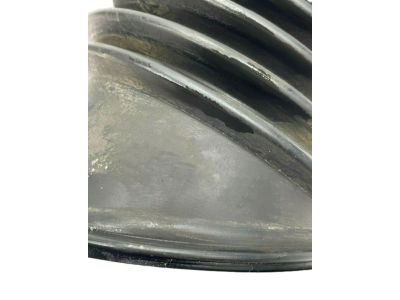
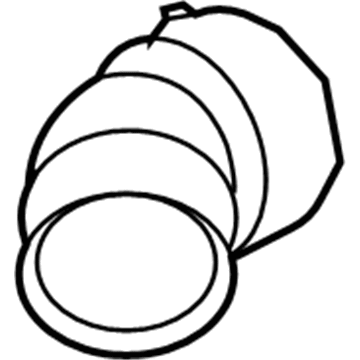
Jeep Air Hose, Rear Part Number: 4880268AA
Product Specifications- Other Name: Hose - Clean Air; Engine Air Intake Hose, Front, Rear; Intake Coupling; Hose Air Cleaner; Hose Clean Air; Air Intake Hose
- Position: Rear
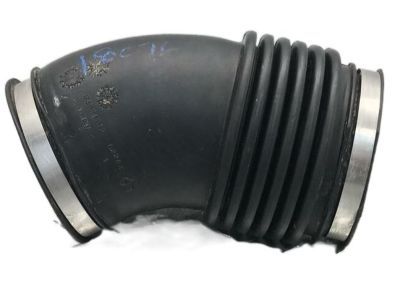
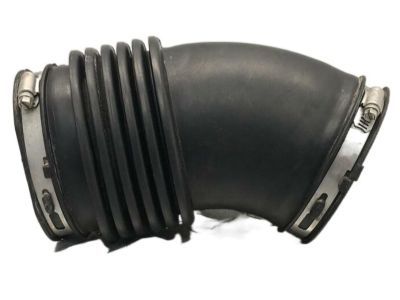
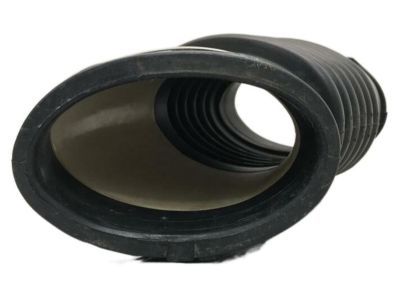
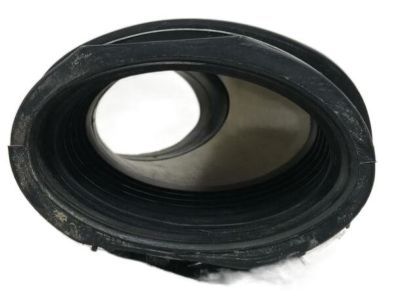
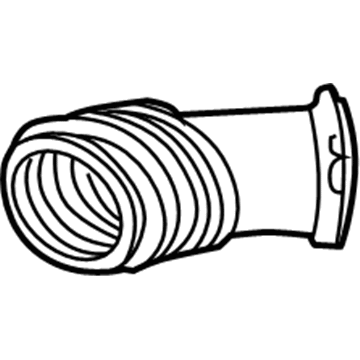
Jeep Connector Hose Part Number: 4854012
Product Specifications- Other Name: Hose - Air Cleaner; Engine Air Intake Hose; Duct Air Cleaner
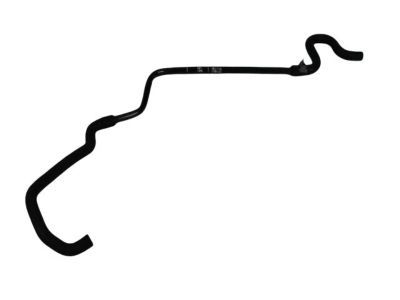
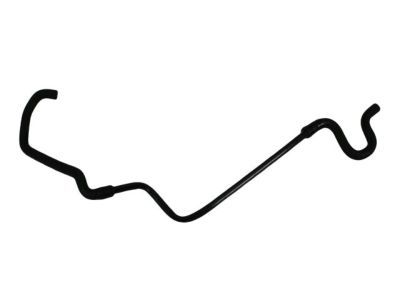
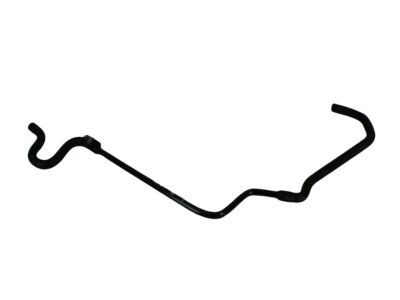
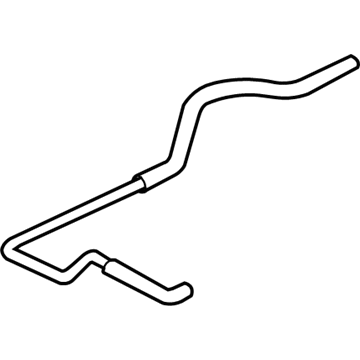
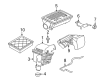
Jeep Air Hose Part Number: 53013759AB
$30.74 MSRP: $44.50You Save: $13.76 (31%)Product Specifications- Other Name: Tube - Make Up Air; PCV Valve Hose; Vacuum Line; Hose Make Up Air From Air Cleaner To Intake Manifold; Hose Make Up Air
| Page 1 of 5 |Next >
1-20 of 85 Results
Jeep Air Intake Hose
OEM parts sourced directly from Jeep deliver superior quality, long lasting strength, and a precise fit you can trust. Each item goes through strict quality checks to ensure safety, toughness, and performance that matches your factory equipment. At JeepPartsDeal online shop, you'll get top-quality, budget-friendly OEM Jeep Air Intake Hose for your vehicle. We focus on giving you a high standard without pushing up the price. Our full selection of genuine factory products comes backed by the original manufacturer's warranty. You'll love our fast delivery, seamless shopping experience, and convenient return policy, saving you all the hassle.
The Jeep Air Intake Hose is a flexible tube that transports clean, cold air to the throttle body, helping engine breathing stay sharp. A modern Jeep is designed to withstand ruts and unpleasant weather while being muscular under angled bodywork. With a strong full frame and high ground clearance, skid plates rarely touch dirt. Drivers can customize their vehicle's throttle, gearing and traction to snow, sand and mud by twisting a dial. When one wheel hangs, the solid axles flex and the tow hooks are ready for honest pulls. The factory fitment Air Intake Hose sits up high in the engine bay and feeds the engine even when water gets over the wheels. The deep connection between Jeep fans tends to keep them bonded while the all-digital dash, voice commands and wireless updates sustain the maps and playlist all day. Replacing an exhausted Air Intake Hose takes less time than making coffee. Open the hood of your Jeep, use a flathead to loosen the worm clamps, and unclamp the mass airflow plug so the wire does not get damaged. Remove the vacuum lines from their nipples, wiggle the old tube free and check for grit in the throttle mouth that would get inside the new piece. The replacement will fit into place with ports lined up so nothing kinks. A properly placed Air Intake Hose does not twist but stands straight. Reposition the push lines, then click the sensor home, make the clamps snugly even, and fire the engine. Give it a listen, feel for leaks and hit the road if it sounds clean.
Related Jeep Parts
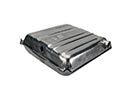 Jeep Fuel Tank
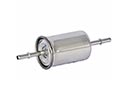 Jeep Fuel Filter
 Jeep Fuel Pressure Regulator
 Jeep Fuel Sending Unit
 Jeep Fuel Tank Skid Plate
 Jeep Air Duct
 Jeep Air Filter Box
 Jeep Fuel Filler Hose
 Jeep Fuel Level Sensor
 Jeep Fuel Line Clamps
 Jeep Fuel Pump Tank Seal
 Jeep Fuel Tank Lock Ring