JeepParts
My Garage
My Account
Cart
OEM Jeep Axle Pivot Bushing
- Select Vehicle by Model
- Select Vehicle by VIN
Select Vehicle by Model
orMake
Model
Year
Select Vehicle by VIN
For the most accurate results, select vehicle by your VIN (Vehicle Identification Number).
7 Axle Pivot Bushings found
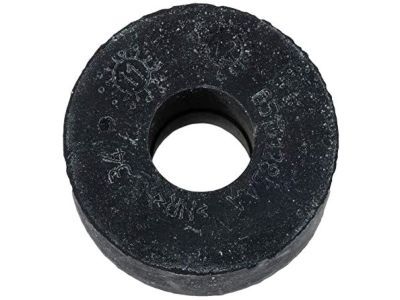
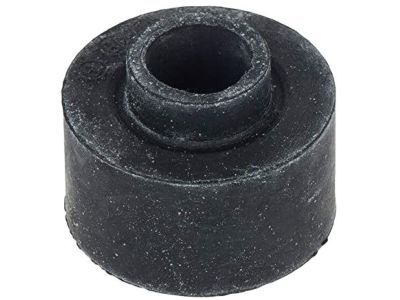
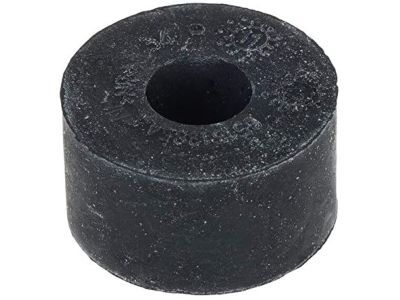
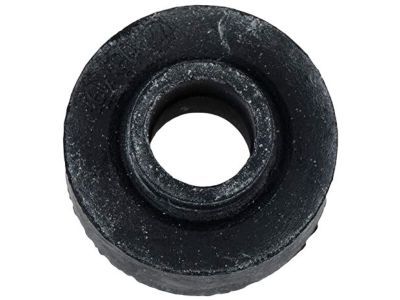

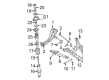
Jeep Isolator Bushing, Lower Part Number: 5151285AA
$6.44 MSRP: $9.35You Save: $2.91 (32%)Ships in 1-2 Business DaysProduct Specifications- Other Name: Bushing - Shock Absorber; Rear Lower Suspension Shock & Strut Mount Bushing; Shock Mount Insulator.; Lower Bushing; Bushing Shock Absorber Lower; Bushing Shock Absorber
- Position: Lower
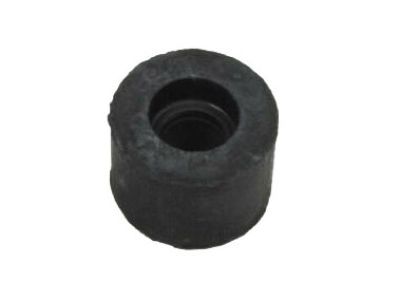
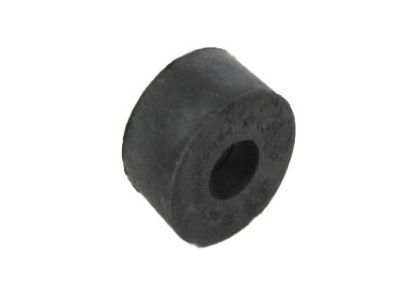

Jeep Upper Bushing, Rear Part Number: 5151286AA
$6.90 MSRP: $9.95You Save: $3.05 (31%)Ships in 1-2 Business DaysProduct Specifications- Other Name: Bushing - Shock Absorber; Rear Upper Insulator; Jounce Bumper; Coil Spring Insulator; Insulator; Bushing Shock Absorber Lower; Bushing Shock Absorber Upper; Bushing Shock Absorber; Shock Absorber Bushing
- Position: Rear Upper
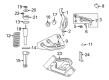
Jeep Lower Control Arm Bushing Part Number: 52088746AA
$20.92 MSRP: $30.83You Save: $9.91 (33%)Product Specifications- Other Name: Bushing - Pivot; Suspension Control Arm Bushing; Control Arm Bushing; Axle Pivot Bushing; Bushings; Bushing Pivot

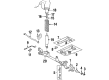
Jeep Lower Control Arm Bushing Part Number: 52088167
$15.35 MSRP: $19.75You Save: $4.40 (23%)Product Specifications- Other Name: Bushing - Control Arm; Suspension Control Arm Bushing; Control Arm Bushing; Axle Pivot Bushing; Bushing Control Arm
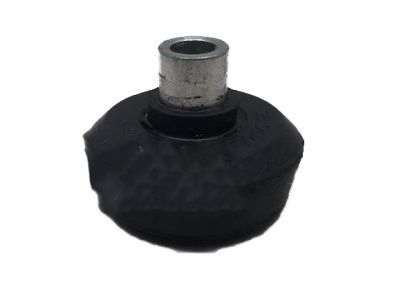
Jeep Lower Bushing, Rear Upper Part Number: 5105879AA
$2.38 MSRP: $3.55You Save: $1.17 (33%)Product Specifications- Other Name: Bushing - Shock Absorber; Rear Lower/Upper Suspension Shock & Strut Mount Bushings; Rear Lower Shock Mount Insulator.; Bushing Shock Absorber Lower; Bushing Shock Absorber
- Position: Rear Upper
- Replaces: 5085521AA
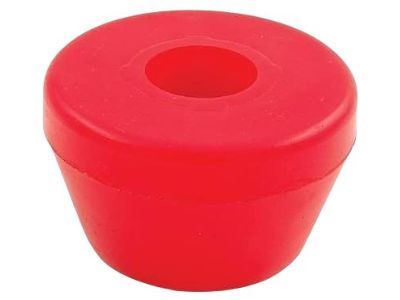
Jeep Upper Bushing, Rear Part Number: 5085525AA
$2.49 MSRP: $3.60You Save: $1.11 (31%)Product Specifications- Other Name: Bushing - Shock Absorber; Suspension Shock & Strut Mount Bushing, Rear Upper; Shock Absorber Bushing, Rear Upper; Bushing Shock Absorber Upper; Bushing Shock Absorber; Shock Absorber Bushing
- Position: Rear Upper
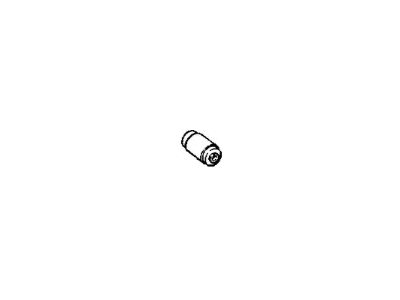
Jeep Spring Bushing Part Number: 52000876
Product Specifications- Other Name: Bushing; Leaf Spring Bushing
Jeep Axle Pivot Bushing
OEM parts sourced directly from Jeep deliver superior quality, long lasting strength, and a precise fit you can trust. Each item goes through strict quality checks to ensure safety, toughness, and performance that matches your factory equipment. At JeepPartsDeal online shop, you'll get top-quality, budget-friendly OEM Jeep Axle Pivot Bushing for your vehicle. We focus on giving you a high standard without pushing up the price. Our full selection of genuine factory products comes backed by the original manufacturer's warranty. You'll love our fast delivery, seamless shopping experience, and convenient return policy, saving you all the hassle.
Jeep Axle Pivot Bushing cushions the suspension, reduces vibration and ensures the axle stays on course in the rugged trails. Jeep is a brand characterized by rugged reliability, the image which started its civilian model in 1945 and has been seeking adventure since. New Jeep models include Selec-Terrain to use sand modes when tapped by drivers. Large ground clearance and skid plates and hooks enable the SUV to climb over the rocks, whereas removable doors and windshield make it exciting. Its boxy form, seven slot grill and sure low range gearing are commended by enthusiasts along with tops that welcome sunshine. The digital cockpit is the added voice control, over the air updates, and driver assistance, which makes Jeep a blend of toughness and tech. Trail Rated badges prove that the SUV can cross streams, maintain traction and bend its suspension on rough surfaces. The Axle Pivot Bushing is a rubber covering that fits in the axle pivot, cushioning shocks and leading to articulation without squeaks. Installation of a new Axle Pivot Bushing requires the Jeep to be parked on flat terrain where the chock wheels are placed and the frame raised until the axle is suspended. Install: take off the wheel, sway link and guards, number the positions, unbolt the pivot bracket and slowly push the bushing out of it with a puller. Wipe the bore, fit the new Axle Pivot Bushing, with thread locker, and tighten fasteners at factory settings that determine clamping force, and again check orientation marks. Install new parts, level the vehicle, lubricate points, take a slow test drive to ensure smooth movement with turning corners and bumps, retorque, and apply grease where necessary.
Related Jeep Parts
 Jeep Track Bar
 Jeep Air Suspension
 Jeep Wheel Bearing
 Jeep Trailing Arm
 Jeep Wheel Hub
 Jeep Leaf Spring
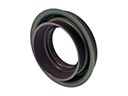 Jeep Axle Shaft Seal
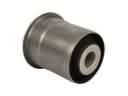 Jeep Axle Support Bushings
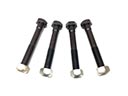 Jeep Control Arm Bolt
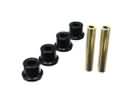 Jeep Crossmember Bushing
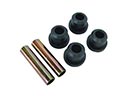 Jeep Leaf Spring Bushing
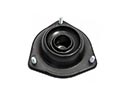 Jeep Strut Mounts