JeepParts
My Garage
My Account
Cart
OEM Jeep Trailing Arm
Trailing Control Arm- Select Vehicle by Model
- Select Vehicle by VIN
Select Vehicle by Model
orMake
Model
Year
Select Vehicle by VIN
For the most accurate results, select vehicle by your VIN (Vehicle Identification Number).
15 Trailing Arms found
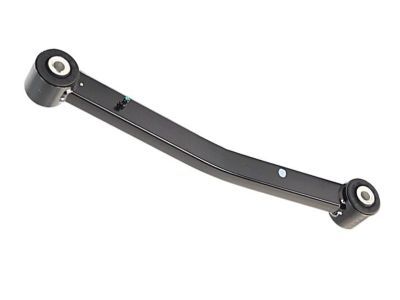
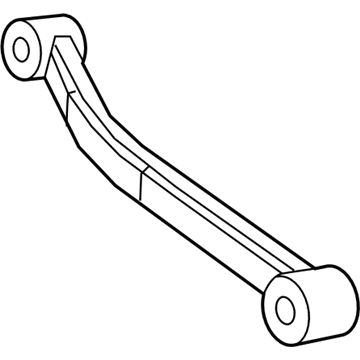
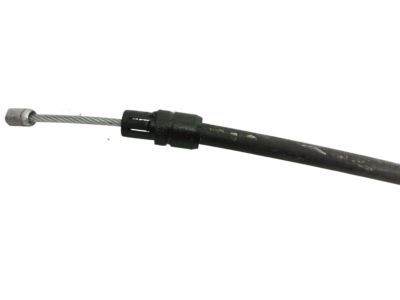
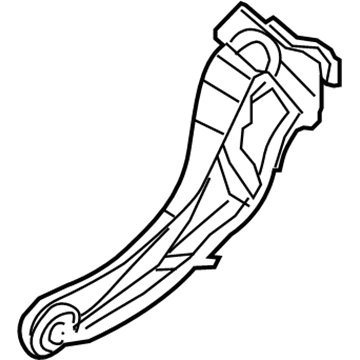
Jeep Upper Control Arm, Rear Part Number: 68247740AA
$80.45 MSRP: $178.00You Save: $97.55 (55%)Product Specifications- Other Name: Arm - Upper Control; Suspension Control Arm, Rear Upper; Arm Upper Control Rear; Suspension Control Arm; Control Arm
- Position: Rear Upper
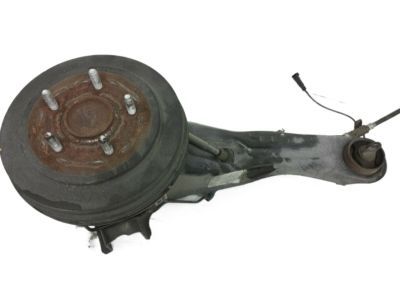
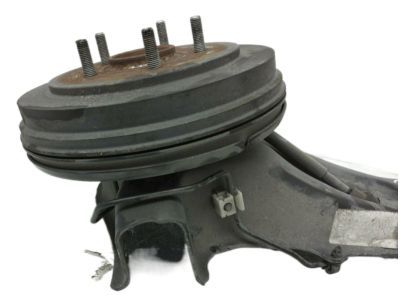
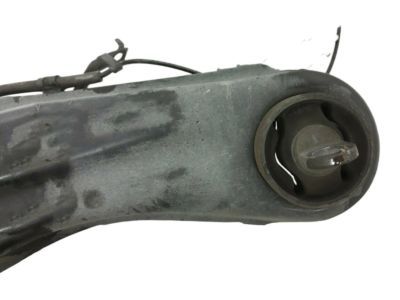
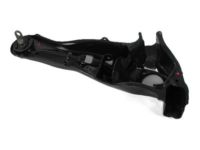
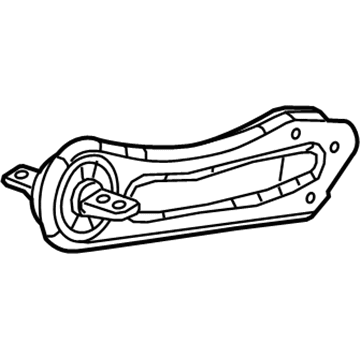
Jeep Trailing Arm, Rear Driver Side Part Number: 5105927AB
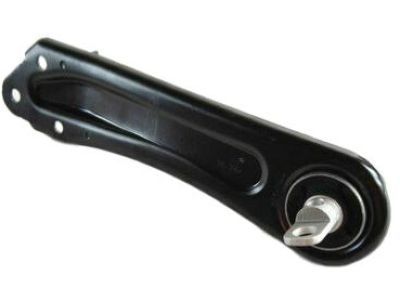
$138.13 MSRP: $205.00You Save: $66.87 (33%)Ships in 1-2 Business DaysProduct Specifications- Other Name: Link - Trailing Arm; Suspension Trailing Arm, Rear Left; Link Trailing Rear Suspension; Link Trailing Arm; Link
- Position: Rear Driver Side
- Replaces: 5105927AA
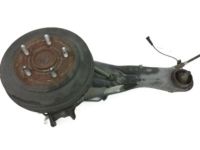
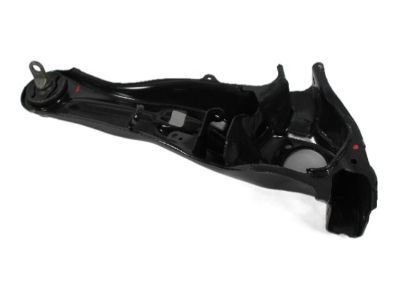
Jeep Trailing Arm, Rear Driver Side Part Number: 68155227AF
$153.87 MSRP: $232.75You Save: $78.88 (34%)Ships in 1-2 Business DaysProduct Specifications- Other Name: Link - Trailing Arm; Suspension Trailing Arm, Rear Left; Suspension Control Arm, Rear Left; Link Assembly Trailing Arm; Suspension Trailing Arm
- Position: Rear Driver Side
- Replaces: 68155227AD, 68155227AE, 68155227AC
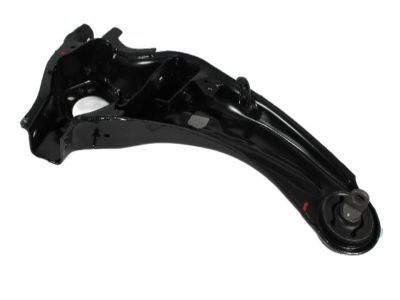
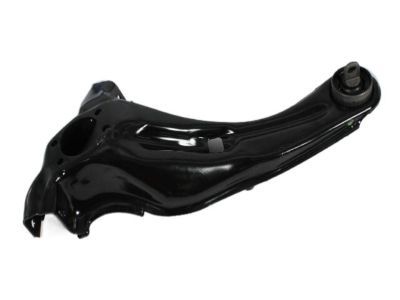
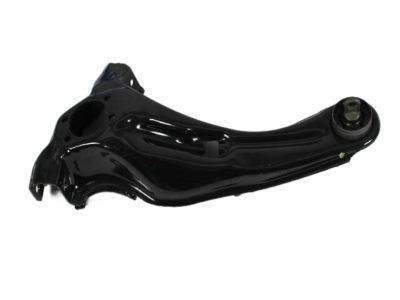
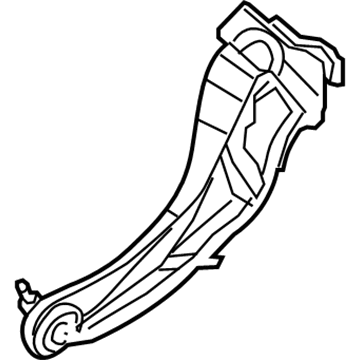
Jeep Trailing Arm, Rear Passenger Side Part Number: 5105930AB
$135.88 MSRP: $202.00You Save: $66.12 (33%)Product Specifications- Other Name: Link - Trailing Arm; Suspension Trailing Arm, Rear Right; Link Trailing Rear Suspension; Link Trailing Arm; Link
- Position: Rear Passenger Side
- Replaces: 5105930AA, 5272714AD, 5272714AB, 5272714AC, 5272714AA
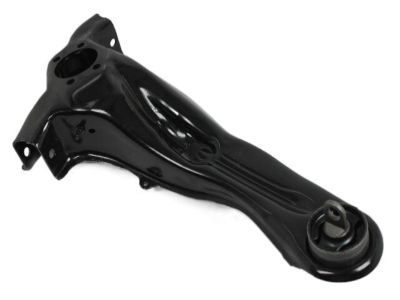
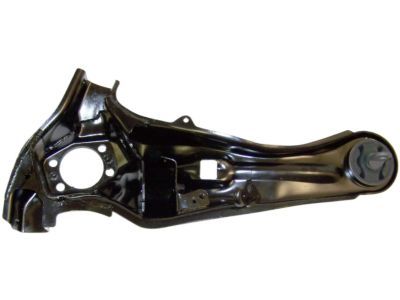
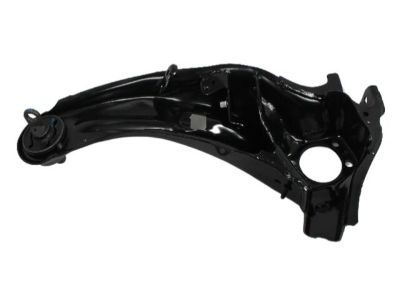
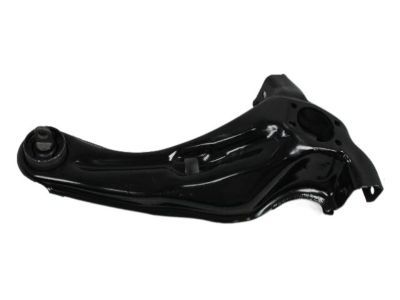
Jeep Trailing Arm, Rear Driver Side Part Number: 5272715AD
$247.52 MSRP: $374.00You Save: $126.48 (34%)Ships in 1-2 Business DaysProduct Specifications- Other Name: Link - Trailing Arm; Suspension Trailing Arm, Rear Left; Link Trailing Rear Suspension; Link Trailing Arm; Link
- Position: Rear Driver Side
- Replaces: 5272715AA, 5272715AB, 5272715AC
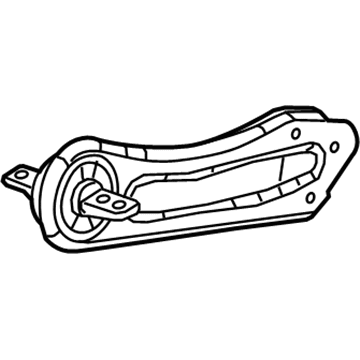
Jeep Trailing Arm, Rear Driver Side Part Number: 5090045AF
$123.17 MSRP: $269.00You Save: $145.83 (55%)Ships in 1-2 Business DaysProduct Specifications- Other Name: Link - Trailing Arm; Suspension Trailing Arm, Rear Left; Suspension Control Arm, Rear Left; Link Assembly Trailing Arm; Suspension Trailing Arm
- Position: Rear Driver Side
- Replaces: 5090045AD, 5090045AE, 5090045AC
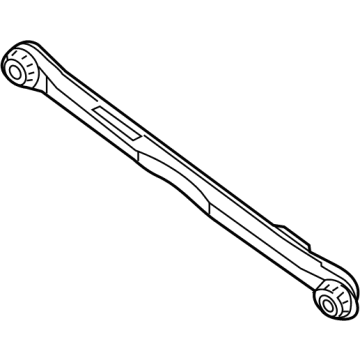
Jeep Trailing Arm, Rear Driver Side Part Number: 68497379AA
$54.73 MSRP: $94.05You Save: $39.32 (42%)Product Specifications- Other Name: Arm - Rear; Suspension Trailing Arm, Rear Left; Suspension Trailing Arm; Control Arm; Rear Lower Arm
- Position: Rear Driver Side
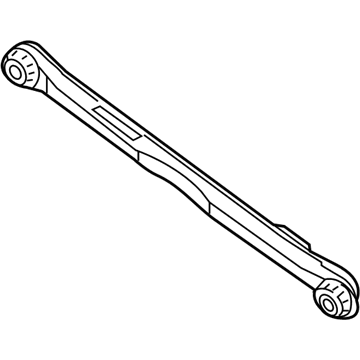
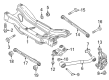
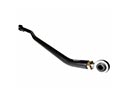
Jeep Rod - Suspension Part Number: 68642224AA
$88.36 MSRP: $134.00You Save: $45.64 (35%)Ships in 1-2 Business DaysProduct Specifications- Other Name: ROD-SUSPENSION
- Replaces: 68246750AA
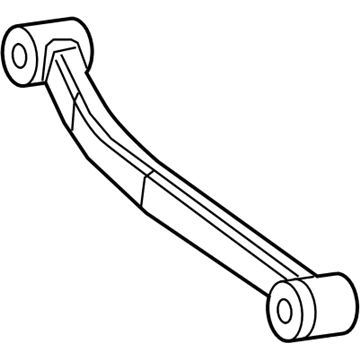
Jeep Upper Control Arm, Rear Part Number: 68504690AA
$93.88 MSRP: $141.00You Save: $47.12 (34%)Ships in 1-2 Business DaysProduct Specifications- Other Name: Arm - Rear; Suspension Control Arm, Rear Upper; Control Arm Assembly Rear; Control Arm
- Position: Rear Upper
- Replaced by: 68504690AB
Jeep Trailing Arm, Rear Passenger Side Part Number: 5090044AF
$154.99 MSRP: $232.00You Save: $77.01 (34%)Ships in 1-2 Business DaysProduct Specifications- Other Name: Link - Trailing Arm; Suspension Trailing Arm, Rear Right; Suspension Control Arm, Rear Right; Link Assembly Trailing Arm; Suspension Trailing Arm
- Position: Rear Passenger Side
- Replaces: 5090044AD, 5090044AC, 5090044AE
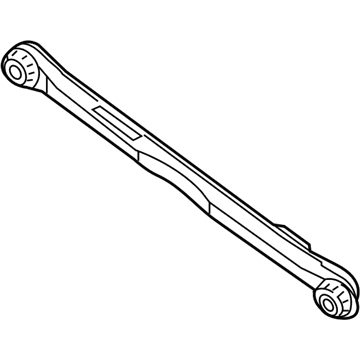
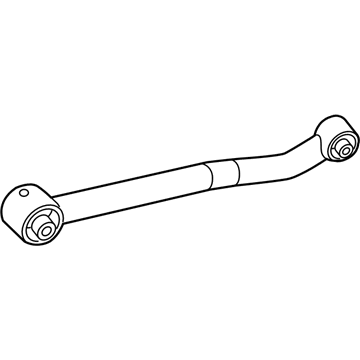
Jeep Arm - Rear Part Number: 68309202AB
$122.34 MSRP: $171.00You Save: $48.66 (29%)Product Specifications- Other Name: ARM-REAR
- Position: Rear
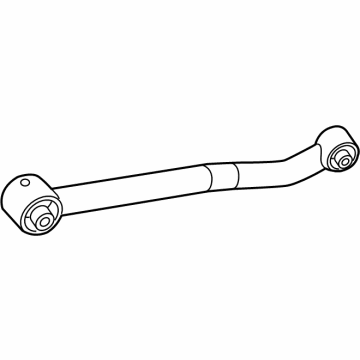
Jeep Arm - Rear Part Number: 68309201AB
$122.34 MSRP: $171.00You Save: $48.66 (29%)Product Specifications- Other Name: ARM-REAR
- Position: Rear
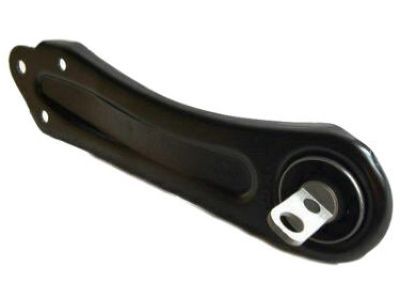
Jeep Lower Control Arm, Rear Part Number: 5274636AB
$91.71 MSRP: $140.16You Save: $48.45 (35%)Product Specifications- Other Name: Rod - Suspension; Suspension Control Arm, Rear Rearward; Suspension Trailing Arm, Rear; Suspension Control Arm, Rear; Trailing Arm; Guide Rod Suspension Rear; Suspension Control Arm; Control Arm
- Position: Rear
- Replaces: 68284721AB, 68284721AC, 68284721AA
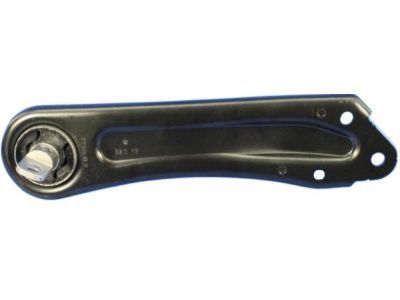
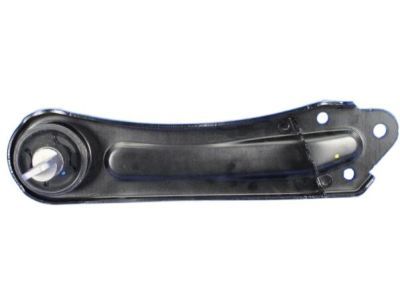
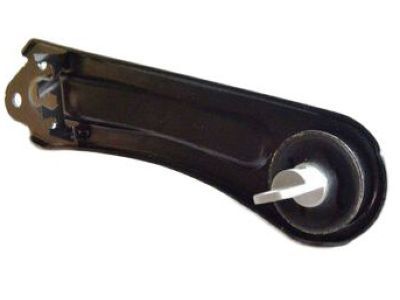
Jeep Trailing Arm, Rear Passenger Side Part Number: 68155228AF
$158.62 MSRP: $235.86You Save: $77.24 (33%)Product Specifications- Other Name: Link - Trailing Arm; Suspension Trailing Arm, Rear Right; Suspension Control Arm, Rear Right; Link Assembly Trailing Arm; Suspension Trailing Arm
- Position: Rear Passenger Side
- Replaces: 68155228AE, 68155228AC, 68155228AD
Jeep Trailing Arm, Rear Passenger Side Part Number: 68497378AA
Product Specifications- Other Name: Arm - Rear; Suspension Trailing Arm, Rear Right; Control Arm; Rear Lower Arm
- Position: Rear Passenger Side
Jeep Trailing Arm
OEM parts sourced directly from Jeep deliver superior quality, long lasting strength, and a precise fit you can trust. Each item goes through strict quality checks to ensure safety, toughness, and performance that matches your factory equipment. At JeepPartsDeal online shop, you'll get top-quality, budget-friendly OEM Jeep Trailing Arm for your vehicle. We focus on giving you a high standard without pushing up the price. Our full selection of genuine factory products comes backed by the original manufacturer's warranty. You'll love our fast delivery, seamless shopping experience, and convenient return policy, saving you all the hassle.
Jeep Trailing Arm holds the axle in place thus drivers cut up rough ground in a sharper way. Jeep established its brand based on non-cosmetic ruggedness, rolling out of war origins into the driveways of civilians without becoming any less gritty. The model line began with the predecessor of the modern day high-tech cabins and continues with the first 1945 runabout in the open-air and so into the dirt, rocks, and snow rather than the slick parking lots. Selec-Terrain allows a driver to flick a dial and order the drive system to drop queries on sand, mud, or ice and transform guesswork into grip. On-demand digital dashboard, voice-activated features, and remote updates fall under the same body-on-frame mentality, demonstrating that gadgetry can be the co-pilot of raw muscle. The Trailing Arm, which connects the rear axle and the frame to a rigid bar swinging on the bushings, directs the vertical movement of the wheel to a narrow circle and prevents wandering of the axle during torque loads and side impacts on any Jeep. The opposite side has another Trailing Arm, and the two together work with a Panhard rod to ensure that the wheels maintain a lateral orientation in the event of ground falling away or a sharp loss of camber. Since the installation resides beyond the differential housing, any Jeep owner is able to quickly notice damage and replace bushings with ease without ripping gears. Semi Trailing Arm designs incorporate a triangular form to provide a greater degree of camber control, where each rear wheel can be independently articulated over boulders, potholes, or unexpected topped pavements.
Jeep Trailing Arm Parts and Q&A
- Q:How to Remove the Trailing Arm from the Rear Suspension on Jeep Compass?A:You should raise and support the car before removing the rear suspension trailing link. After that, unscrew the wheel mounting nuts and pull off the whole tire and wheel. First, remove the fastener from the brake flex hose, then take out the nut holding the brake tube bracket onto the trailing link. Separate the brake tube from the routing clip that's on the trailing link (the link at the back of the suspension). Unbolt the two bolts that hold the disc brake caliper adapter to the brake support plate, then remove the caliper and adapter as a group and make sure to hang it above so it doesn't overstretch the brake hoses. Should the speed sensor be equipped, loosen the screw that holds it to the trailing link and release the clip that guides the sensor on the link. Following that, take out the brake rotor, hub and bearing. separated the cable from the lever on the parking brake shoe and the hair pin holding it in place on the brake support plate. Using pliers, slide the brake support plate and parking brake shoes off the end of the parking brake cable and remove the entire set, then, holding the cable at the end, pull it out of the trailing link. Securely fasten the trailer to the truck, lift the rear and remove the bolt that holds the toe link to the trailing link. Then, take off the lower control arm nut and bolt. After that, remove the bolt and nut holding the upper control arm to the trailing link. Afterwards, disconnect the leading end of the trailing link from the body by removing the two bolts that hold it in place, then remove the trailing link.
- Q:How to install a Trailing Arm on Jeep Patriot?A:To fit the trailing arm, mount the trailing link in its position and attach it to the body using two bolts, tightened to 110 Nm (81 ft. lbs.). Following that, attach the upper control arm to the trailing link with a bolt and nut, make sure it's tightened to 95 Nm (70 ft. lbs.) and tighten the lower control arm with another bolt and nut but only to the same tightness. Install the bolt that bolts the toe link to the trailing link and, if the trailing link needs to be bent, flex the trailing link body mount bushing with a prying tool, followed by tightening to 95 Nm (70 ft. lbs.). Pull the parking brake cable through the inboard part of the trailing link and into the brake support plate, rest the shoes against the drum and fasten the cable with a hair pin. Attach the parking brake cable to the parking brake shoe lever and then tie the cable up. If your car has it, fasten the wheel speed sensor to the trailing link, tightening the screw to 18 Nm (13 ft. lbs.) and then install the routing clip. Attach first the hub and bearing, then place the brake rotor onto the wheel studs. Place the disc brake caliper and adapter assembly over the brake rotor and brake support plate and use two bolts to attach the caliper adapter to the brake support plate, making them as tight as 71 Nm (52 ft. lbs.). Insert the brake tube into the routing clip and routing bracket of the trailing link over the stud, then put on and tighten the nut to 15 Nm (11 ft. lbs.). Place the brake flex hose over the trailing link bracket, insert the mounting screw and torque it to 23 Nm (17 ft. lbs.). Now, install the entire tire and wheel assembly, tighten the nuts attaching the wheel to 135 Nm (100 ft. lbs.), lower the car and wheel alignment should be done when necessary.