JeepParts
My Garage
My Account
Cart
OEM Jeep Cherokee Brake Booster
Brake Power Booster- Select Vehicle by Model
- Select Vehicle by VIN
Select Vehicle by Model
orMake
Model
Year
Select Vehicle by VIN
For the most accurate results, select vehicle by your VIN (Vehicle Identification Number).
3 Brake Boosters found
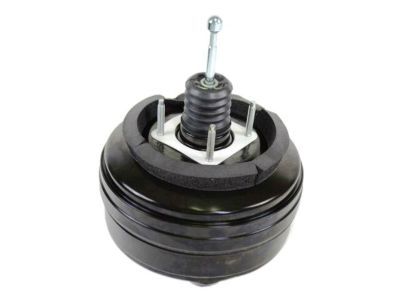
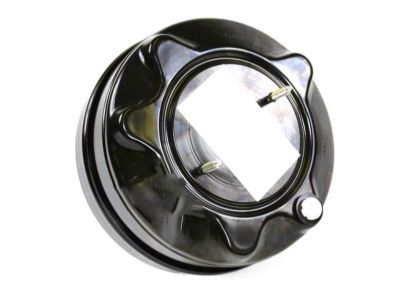
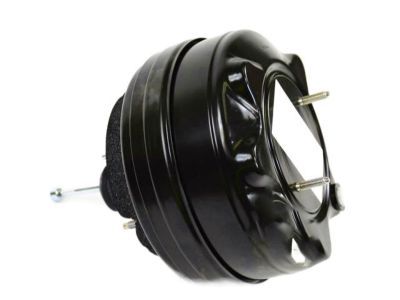
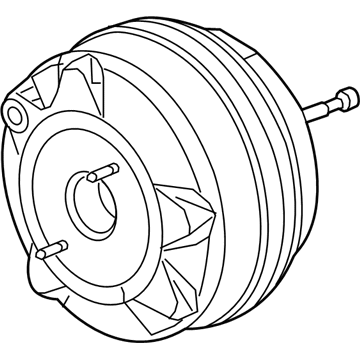
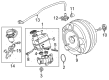
Jeep Cherokee Brake Booster Part Number: 68211880AD
$409.96 MSRP: $619.00You Save: $209.04 (34%)Ships in 1-2 Business Days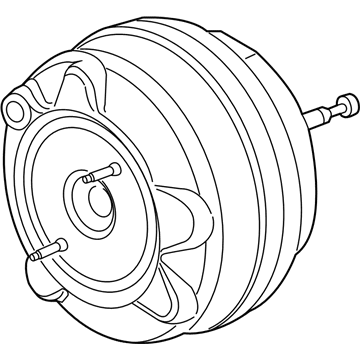
Jeep Cherokee Brake Booster Part Number: 68418189AA
$242.00 MSRP: $368.00You Save: $126.00 (35%)Ships in 1-2 Business Days
Jeep Cherokee Brake Booster Part Number: 4856672AC
Jeep Cherokee Brake Booster
Choose OEM Brake Booster that meet Jeep factory standards. Jeep designs and tests every component for precision and durability. Each Brake Booster follows strict manufacturing steps to lock in quality and fit. If your Jeep Cherokee matters to you, OEM parts make the smart choice. You'll get the exact look, feel, and performance you expect. Shop genuine Cherokee parts at the highly competitive prices online. Enjoy a manufacturer's warranty, a hassle-free return policy, and rapid delivery. No more guesswork with off brands. Get genuine parts with exact fit and true factory performance. Shop with confidence today at JeepPartsDeal.com.
The Brake Booster is a component that can be found in Jeeps particularly in the Jeep Cherokee models to improve the braking capability of the automobile to minimize the force exerted by the driver. Located in between the brake pedal and the master cylinder, it can use either vacuum or hydraulic means in order to increase the amount of force that is placed on it while braking. CO2 boosters operate on exhaust pressure through the use of a vacuum while other boosters employed hydraulic pressure from the power steering system or electric pump. Jeep Cherokee models have used both the types mentioned above of Brake Boosters but with the vacuum boosters being much more prevalent due to their reliability. Nonetheless, hydraulic boosters are also attainable the same as electric boosters though these are suitable for particular uses. The main distinction lies in their operation: vacuum booster demand the ignition on while hydraulic systems do not. Altogether, the Brake Booster provides an appreciable boost to the overall performance of Jeep Cherokee vehicles by enhancing the ease at which braking can be done.
Jeep Cherokee Brake Booster Parts and Q&A
- Q:How to Troubleshoot and Repair a Brake Booster and What Should You Know for Your Jeep Cherokee?A:Before starting the service of the vacuum brake booster, disconnect the Brake Lines at the master cylinder and the wire at the combination valve differential pressure switch. Lift off the nut mounted on the bracket for the combination valve and bring out the valve. Then, unscrew the nuts securing the master cylinder to the booster studs and let the cylinder come free. Take the vacuum hose away from the booster check valve, then get rid of the knee blocker under the steering column. Unscrew and take out the nuts that hold the booster to the dash panel next to the passenger compartment, along with any attached clip at the brake pedal. In the engine compartment, take out the booster studs from the dash panel, stand the booster on its end and bring it out of the car. When removing the booster, pull off the dash key from the booster also. Set the dash seal on the booster seat at first, then adjust and set the booster seat on the dash panel. Tighten the nuts where the booster mounst in the passenger compartment, just as tight as necessary to hold it. Slide the booster push rod onto the brake pedal and fasten it with the retaining clip after applying Mopar multi-mileage grease to both the pedal pin and bushing. Apply 39 Nm torque (29 ft. lbs.) to each booster mounting nut and install the knee blocker again. Replace the seal at the rear of the master cylinder if you find that it is torn or damaged when using the original master cylinder. Rub the brake booster's surface where it connects to the engine cylinder with a damp shop towel and brake cleaner to avoid vacuum leaks. Position the master cylinder on the turbo studs, insert the mounting nuts and heat-tighten them to 17.5 Nm (155 inch lbs.). Attach one end of the vacuum hose to the booster check valve and the other end of the brake lines to the combination valve and master cylinder, holding each connection by hand at the start to avoid cross-threading. Put the combination valve onto the booster studs, tighten the nut bracket to 17.5 Nm (155 inch lbs.) and finally attach the wire to the combination valve switch. Be sure to bleed and fill the base brake system, check the brakes and then move the vehicle.
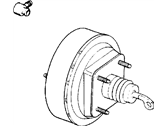
Related Jeep Cherokee Parts
 Jeep Cherokee Brake Caliper
 Jeep Cherokee Brake Line
 Jeep Cherokee Brake Master Cylinder
 Jeep Cherokee Vacuum Pump
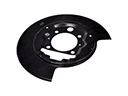 Jeep Cherokee Backing Plate
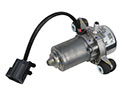 Jeep Cherokee Brake Booster Vacuum Pump
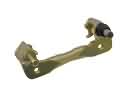 Jeep Cherokee Brake Caliper Bracket
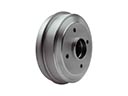 Jeep Cherokee Brake Drum
 Jeep Cherokee Brake Dust Shields
 Jeep Cherokee Brake Fluid Level Sensor
 Jeep Cherokee Brake Rotor
 Jeep Cherokee Hydraulic Hose