JeepParts
My Garage
My Account
Cart
OEM Jeep Cherokee Brake Caliper
Caliper- Select Vehicle by Model
- Select Vehicle by VIN
Select Vehicle by Model
orMake
Model
Year
Select Vehicle by VIN
For the most accurate results, select vehicle by your VIN (Vehicle Identification Number).
12 Brake Calipers found
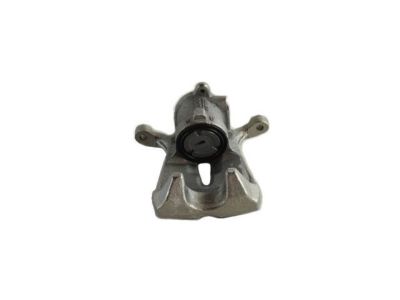
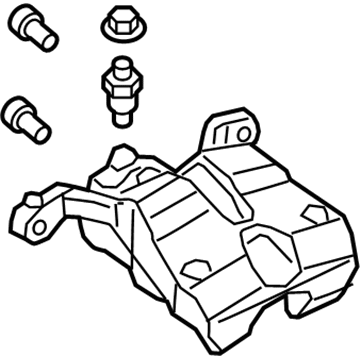
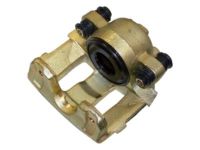
Jeep Cherokee Caliper, Rear Passenger Side Part Number: 68225312AA
$181.37 MSRP: $270.00You Save: $88.63 (33%)Ships in 1-2 Business Days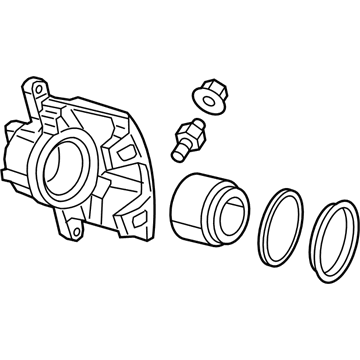
Jeep Cherokee Caliper, Front Driver Side Part Number: 68212011AA
$125.43 MSRP: $272.00You Save: $146.57 (54%)Ships in 1-2 Business DaysJeep Cherokee Caliper, Front Passenger Side Part Number: 68212010AA
$125.43 MSRP: $272.00You Save: $146.57 (54%)Ships in 1-2 Business Days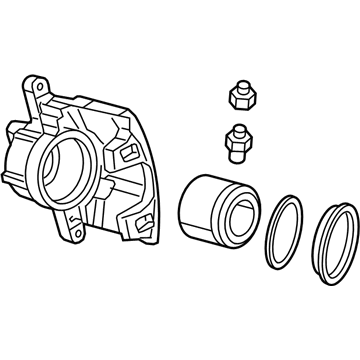
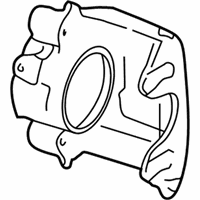
Jeep Cherokee Caliper, Front Driver Side Part Number: 68225169AD
$130.46 MSRP: $197.00You Save: $66.54 (34%)Ships in 1-2 Business DaysJeep Cherokee Caliper, Front Passenger Side Part Number: 68225168AD
$132.69 MSRP: $200.00You Save: $67.31 (34%)Ships in 1-2 Business DaysJeep Cherokee Caliper, Rear Passenger Side Part Number: 68526656AA
$186.94 MSRP: $282.00You Save: $95.06 (34%)Ships in 1-2 Business DaysJeep Cherokee Caliper, Rear Driver Side Part Number: 68526655AA
$186.94 MSRP: $282.00You Save: $95.06 (34%)Ships in 1-2 Business Days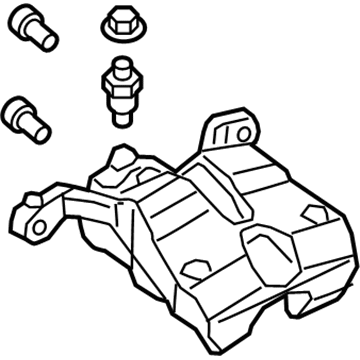
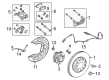
Jeep Cherokee Caliper, Rear Driver Side Part Number: 68526657AA
$138.26 MSRP: $207.00You Save: $68.74 (34%)Ships in 1-2 Business DaysJeep Cherokee Caliper, Rear Driver Side Part Number: 68225313AA
$176.91 MSRP: $264.00You Save: $87.09 (33%)Ships in 1-2 Business DaysJeep Cherokee Caliper, Rear Passenger Side Part Number: 68526658AA
$217.43 MSRP: $325.00You Save: $107.57 (34%)Ships in 1-2 Business Days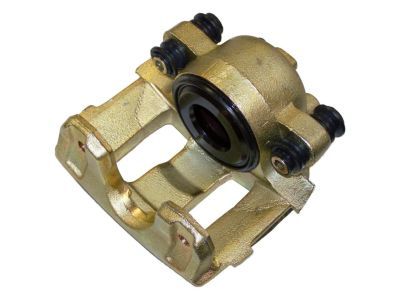
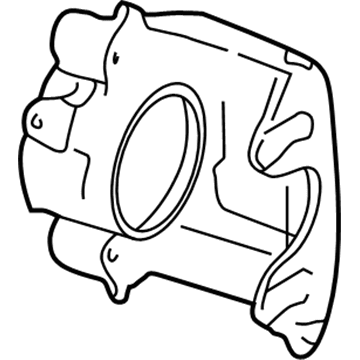
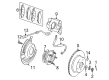
Jeep Cherokee Caliper Assembly, Front Driver Side Part Number: 5252985
Jeep Cherokee Brake Caliper
Choose OEM Brake Caliper that meet Jeep factory standards. Jeep designs and tests every component for precision and durability. Each Brake Caliper follows strict manufacturing steps to lock in quality and fit. If your Jeep Cherokee matters to you, OEM parts make the smart choice. You'll get the exact look, feel, and performance you expect. Shop genuine Cherokee parts at the highly competitive prices online. Enjoy a manufacturer's warranty, a hassle-free return policy, and rapid delivery. No more guesswork with off brands. Get genuine parts with exact fit and true factory performance. Shop with confidence today at JeepPartsDeal.com.
The Brake Caliper in Jeep Cherokee automobile helps in translating the hydraulic pressure that ranges from the master cylinder into the mechanical pressure which would be needed to apply force on the brake pads in order to stop or reduce the rotation of the car's tires. Jeep Cherokee models utilize two primary types of Brake Calipers: latter and the former, temporary and permanent or moveable and permanent. While fixed calipers employ a number of pistons either side of the rotor and which apply pressure evenly, floating calipers possess pistons on one side just sliding across and applying pressure and this can cause some problems such as uneven wear on pads if not well checked. Jeep Cherokee Brake Calipers have progressed with years and conventional Brake Calipers that can be considered as the OEM brake calipers and performance Brake Calipers that are premier for enhanced braking ability and looks. Such performance calipers may have features that enable the use of light materials and one or more than one pistons depending on the type of driving. In order to avoid some issues such as brake drag or even fluid leakage Jeep Cherokee vehicles need to under regular inspection with the necessary maintenance of the Brake Caliper.
Jeep Cherokee Brake Caliper Parts and Q&A
- Q:How to Ensure Proper Maintenance of a Brake Caliper on a Jeep Cherokee?A:To carry out brake caliper service and repairs, simply use clean brake fluid to clean it, then dry the internal parts with lint-free cloth or low-pressure air. Do not rely on gasoline, kerosene, thinner or other solvents, since they might leave toxic substances that harm the Piston and the seal. Make sure the phenolic piston is smooth and free of marks; change it immediately if it is cracked or scored and do not try to correct a scratched part by sanding or polishing. You must use exactly the same type of caliper piston when replacing it, because phenolic resin pistons are not fit for steel piston channels and vice versa. Removing only a few surface scratches is possible with a brake hone, except when the bore is very corroded, rusted or frown.
- Q:How to Properly Service and Repair a Brake Caliper on Jeep Cherokee?A:Use clean brake fluid or brake clean to clean the caliper and Piston, then wipe the caliper and piston with lint-free towels or low air pressure. Don't add solvents such as gasoline, kerosene, thinner or others, since they might bring residues that harm the piston and seal. Examine the piston which comes from phenolic resin, making sure it is undamaged and clean. If it shows cracks or scratches, put in a new one and do not try to improve a damaged surface with sanding. When you replace the caliper piston, make sure you use the same type, as phenolic resin pistons and steel ones have differences in pistons, seals, seal grooves, caliper bore and piston tolerances. Rust, corrosion or signs of excessive scoring can make the bore unsafe. If the bore isn't too badly damaged and up to 0.025 mm (0.001 inch) wider after polishing, no parts are needed, but if heavy damage requires more work, change the caliper.
Related Jeep Cherokee Parts
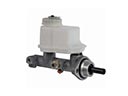 Jeep Cherokee Brake Master Cylinder
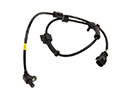 Jeep Cherokee Speed Sensor
 Jeep Cherokee Vacuum Pump
 Jeep Cherokee Backing Plate
 Jeep Cherokee Brake Booster Vacuum Pump
 Jeep Cherokee Brake Caliper Bracket
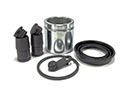 Jeep Cherokee Brake Caliper Repair Kit
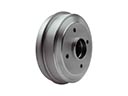 Jeep Cherokee Brake Drum
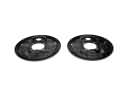 Jeep Cherokee Brake Dust Shields
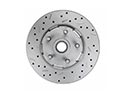 Jeep Cherokee Brake Rotor
 Jeep Cherokee Hydraulic Hose
 Jeep Cherokee Wheel Stud