JeepParts
My Garage
My Account
Cart
OEM Jeep Commander Windshield
Glass Windshield- Select Vehicle by Model
- Select Vehicle by VIN
Select Vehicle by Model
orMake
Model
Year
Select Vehicle by VIN
For the most accurate results, select vehicle by your VIN (Vehicle Identification Number).
4 Windshields found
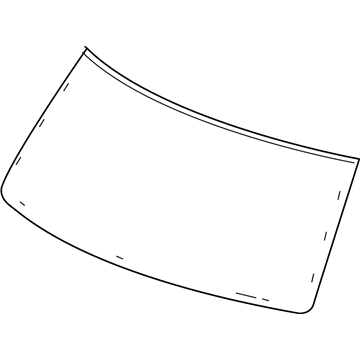

Jeep Commander Windshield, Front Part Number: 68025277AA
$480.90 MSRP: $700.00You Save: $219.10 (32%)Ships in 1-3 Business DaysJeep Commander Windshield, Front Part Number: 5189066AA
Jeep Commander Windshield, Front Part Number: 5189065AB
Jeep Commander Windshield, Front Part Number: 68025278AA
Jeep Commander Windshield
Choose OEM Windshield that meet Jeep factory standards. Jeep designs and tests every component for precision and durability. Each Windshield follows strict manufacturing steps to lock in quality and fit. If your Jeep Commander matters to you, OEM parts make the smart choice. You'll get the exact look, feel, and performance you expect. Shop genuine Commander parts at the highly competitive prices online. Enjoy a manufacturer's warranty, a hassle-free return policy, and rapid delivery. No more guesswork with off brands. Get genuine parts with exact fit and true factory performance. Shop with confidence today at JeepPartsDeal.com.
Jeep Commander Windshield Parts and Q&A
- Q:How to Safely Remove a Windshield on Jeep Commander?A:First review all warnings and cautions when you are going to remove the windshield. The first step is to take out the rear view mirror and the rain sensor module from the windshield, removing the cowl grille. When removing moldings or cutting urethane around the windshield, be careful not to damage painted surfaces areas. 2.) Now take out the molding at the top of the windshield. Using a wire type windshield cut out tool (1, 3 and 4) cut and separate out the urethane adhesive that hold the windshield to the the windshield fence wound assistance. Finally remove the vehicle's windshield carefully.
- Q:How to Properly Install a Windshield on Jeep Commander?A:Do not use your car for 24 hours after the windshield is installed because the urethane adhesive still needs to cure properly for the windshield to perform right in an accident. Roll down the left and right door glass by half before installing, so slippage is prevented if a door is slammed. Don't let urethane or primers contact painted and trimmed areas. If using the old windshield, use a razor knife to remove most of the original urethane, so you don't accidently damage the paint on the surrounding molding. Cut away most of the old urethane putty from the windshield fence, leaving about 1 mm and fix any spacers that are not there or have come off. The original urethane bead on the windshield fence should be smoothed until it's about 1 mm thick and you can put in any additional adhesive backed spacers as needed. Add a new rubber seal on top of the windshield, then set it gently into the opening against the fence and the spacers to see that it's even. Stamp your mark on the windshield and fence to remember where they are, after which remove the windshield and set it down padded side facing up. Use ammonia-based glass cleaner and a cloth that doesn't leave lint to clean the windshield. Apply a glass prep adhesion promoter around the edges and wipe dry with a clean cloth. After the border, add glass primer, leave it for at least three minutes and check that the glass is evenly primed with a flashlight. If it isn't, apply another coat of primer. Clear the windshield fence with ammonia-based glass cleaner and then put pinch weld primer around it, checking that it's evenly spread. Squeeze a 10 mm wide beam of glue with a triangular nozzle 6 mm away from the glass's edge, starting in the bottom center, then smooth the end joints. Set the windshield above the opening, adjust it to fit with the marks and lower it down so that the spacers are pressed lightly against the glass. After that, install the cowl grill, rear view mirror and rain sensor module onto the windshield.
Related Jeep Commander Parts
 Jeep Commander Shift Knob
 Jeep Commander Window Regulator
 Jeep Commander Wiper Blade
 Jeep Commander Brake Booster Vacuum Hose
 Jeep Commander Brake Master Cylinder Reservoir
 Jeep Commander Car Mirror
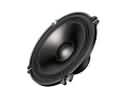 Jeep Commander Car Speakers
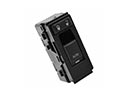 Jeep Commander Door Lock Switch
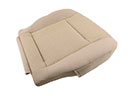 Jeep Commander Seat Cushion
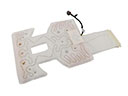 Jeep Commander Seat Heater
 Jeep Commander Trunk Lid Latch
 Jeep Commander Wiper Pivot