JeepParts
My Garage
My Account
Cart
OEM Jeep Door Hinge
Interior Door Hinge- Select Vehicle by Model
- Select Vehicle by VIN
Select Vehicle by Model
orMake
Model
Year
Select Vehicle by VIN
For the most accurate results, select vehicle by your VIN (Vehicle Identification Number).
139 Door Hinges found
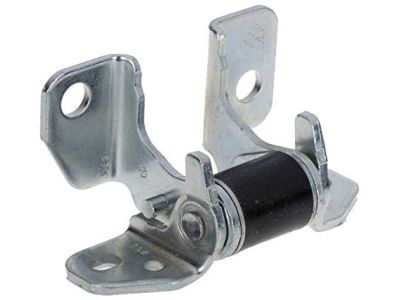
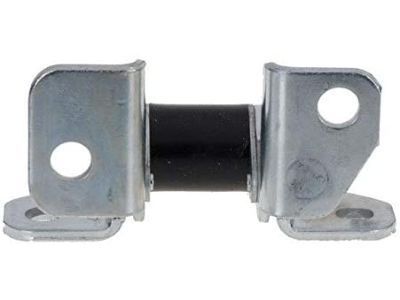
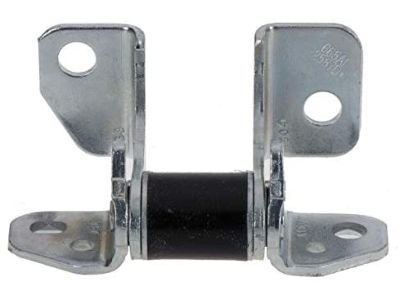
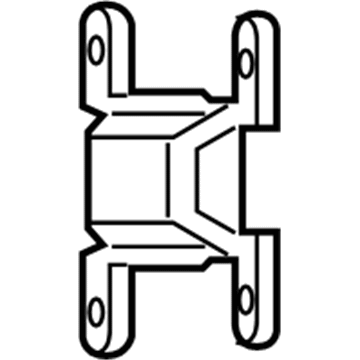
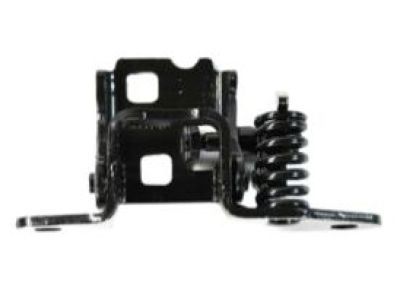
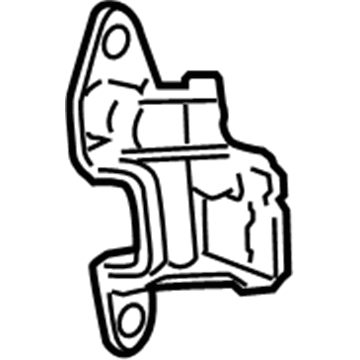
Jeep Lower Hinge, Front Driver Side Part Number: 55113665AI
$82.20 MSRP: $122.00You Save: $39.80 (33%)Ships in 1-3 Business DaysProduct Specifications- Other Name: Hinge - Door; Door Hinge, Front Left, Front Left Lower, Rear Left Lower, Rear Right Lower; Hinge Door Lower; Hinge Door; Door Hinge
- Position: Front Driver Side
- Replaces: 55113665AF, 55113665AH, 55113665AG
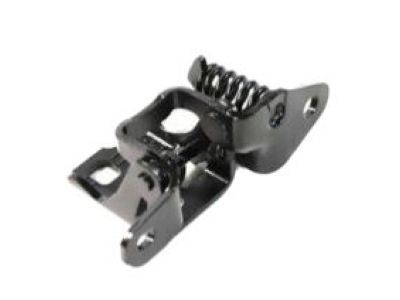
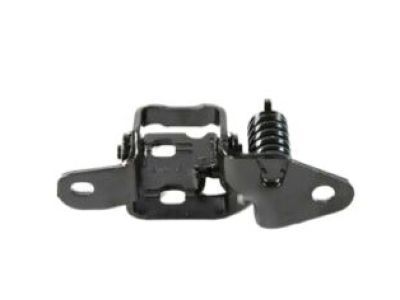
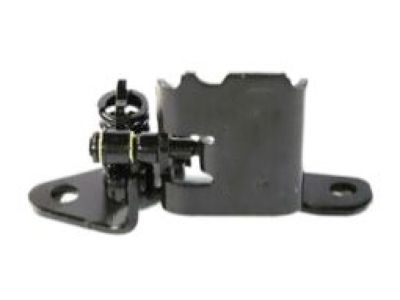
Jeep Lower Hinge, Front Driver Side Part Number: 55360919AK
$60.93 MSRP: $91.10You Save: $30.17 (34%)Ships in 1-2 Business DaysProduct Specifications- Other Name: Hinge - Door; Door Hinge, Front Left Lower, Rear Left Lower; Hinge Door Lower; Door Hinge
- Position: Front Lower Driver Side
- Replaces: 55360919AE, 55360919AD, 55360919AI, 55360919AJ, 55360919AH, 55360919AG, 55360919AF
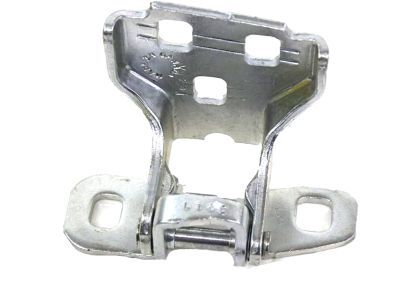
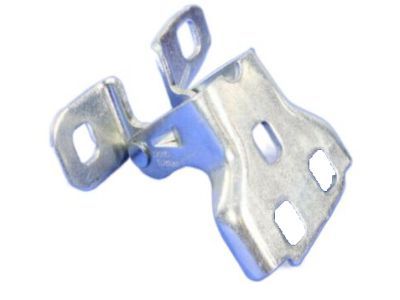
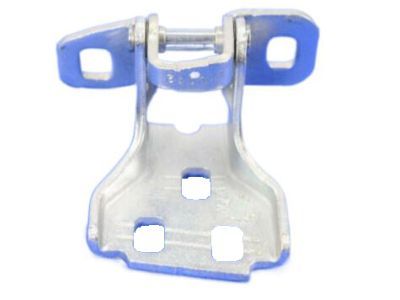
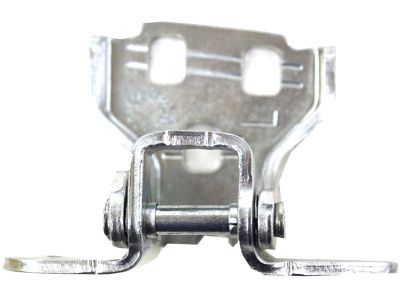
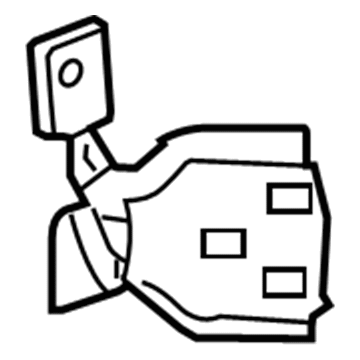
Jeep Upper Hinge, Front Driver Side Part Number: 55369195AD
$69.07 MSRP: $104.00You Save: $34.93 (34%)Ships in 1-2 Business DaysProduct Specifications- Other Name: Hinge - Door; Door Hinge, Front Left Upper, Rear Left Upper; Hinge Door Upper; Door Hinge
- Position: Front Upper Driver Side
- Replaces: 55369195AB, 55369195AC, 55369195AA
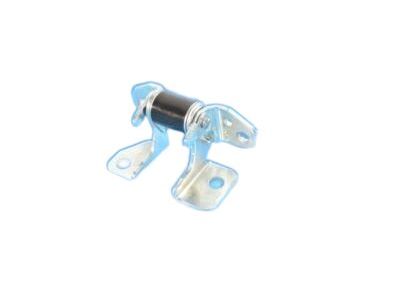
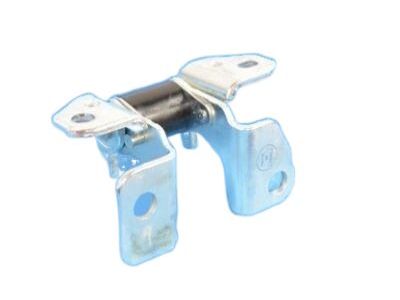
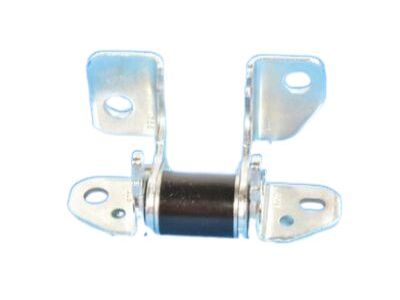
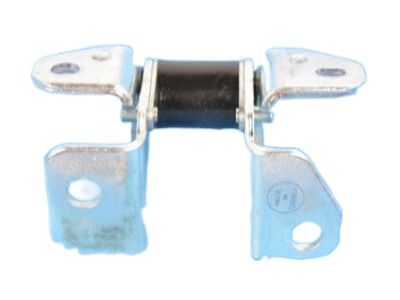
Jeep Lower Hinge, Rear Part Number: 55113664AI
$75.65 MSRP: $114.00You Save: $38.35 (34%)Product Specifications- Other Name: Hinge - Door; Door Hinge, Front Right, Front Right Lower, Rear Lower, Rear Right Lower; Hinge Door Lower; Hinge Door; Door Hinge
- Position: Rear Lower
- Replaces: 55113664AF, 55113664AG, 55113664AH
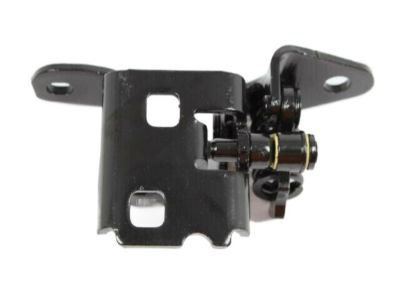
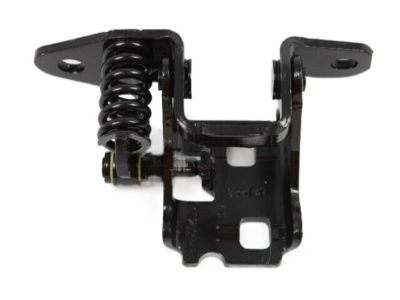
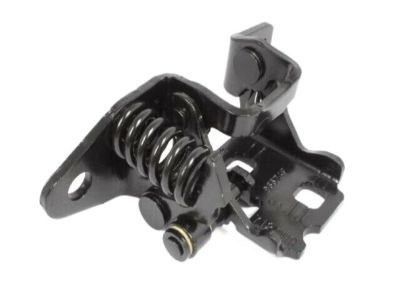
Jeep Lower Hinge, Front Passenger Side Part Number: 5115712AK
$62.67 MSRP: $128.00You Save: $65.33 (52%)Ships in 1-3 Business DaysProduct Specifications- Other Name: Hinge - Lower Door; Door Hinge, Front Right Lower, Rear Right Lower; Hinge Assembly Lower Door; Door Hinge
- Position: Front Lower Passenger Side
- Replaces: 5115712AI, 5115712AA, 5115712AH, 5115712AJ, 5115712AB, 5115712AC, 5115712AD, 5115712AE, 5115712AF, 68038904AB, 5115712AG
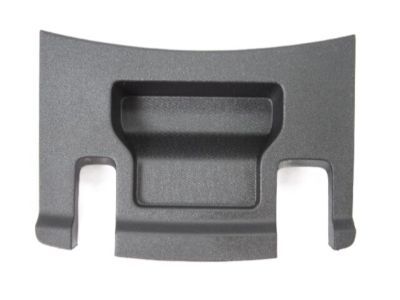
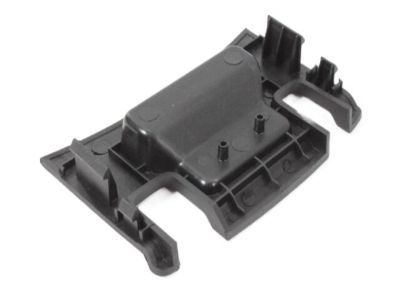
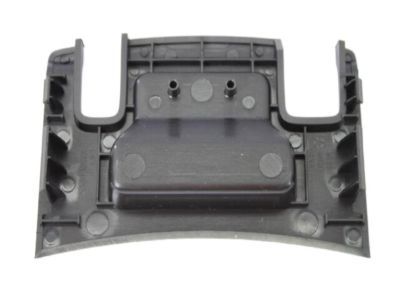
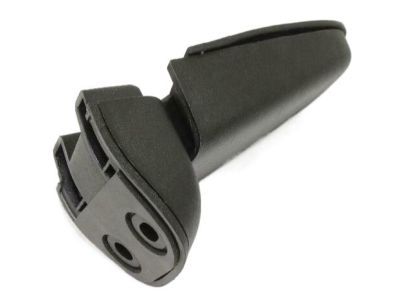
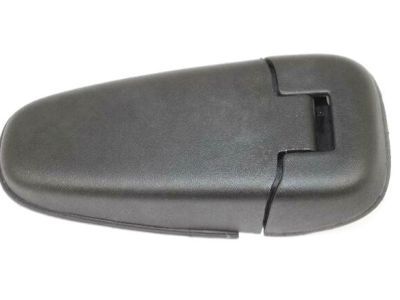
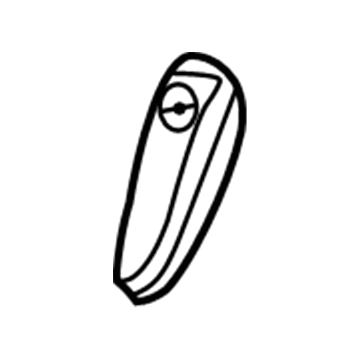
Jeep Hinge Cover Part Number: 68086112AA
$26.87 MSRP: $54.30You Save: $27.43 (51%)Ships in 1-2 Business DaysProduct Specifications- Other Name: Hinge - Floor Console Lid; Armrest Hinge; Hinge Floor Console Lid; Hinge
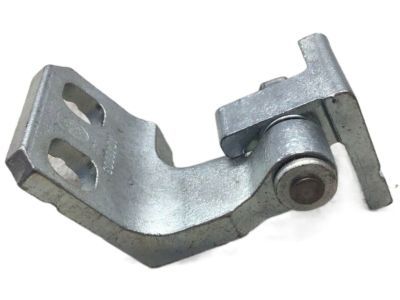
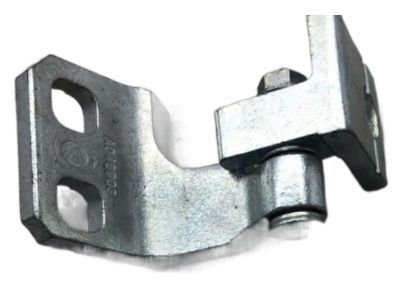
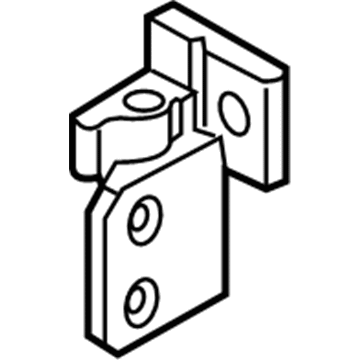
Jeep Lower Hinge, Front Driver Side Part Number: 68200963AA
$54.66 MSRP: $80.00You Save: $25.34 (32%)Ships in 1-2 Business DaysProduct Specifications- Other Name: Hinge - Door Lower; Door Hinge, Front Left Lower; Hinge Door Lower
- Position: Front Lower Driver Side
- Replaces: 68121640AA, 68082441AA
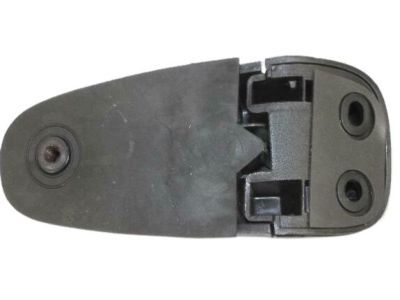
Jeep Hinge, Rear Passenger Side Part Number: 5019418AA
$72.29 MSRP: $95.30You Save: $23.01 (25%)Ships in 1-2 Business DaysProduct Specifications- Other Name: Hinge - Liftglass; Liftgate Glass Hinge, Rear Right; Hinge Liftglass
- Position: Rear Passenger Side
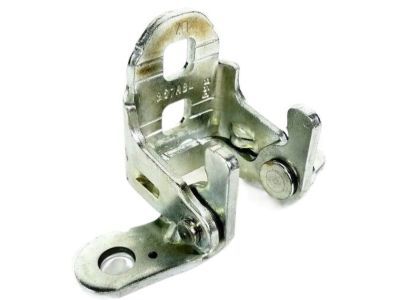
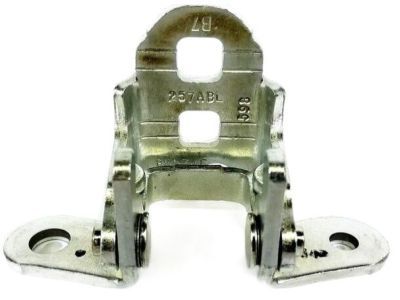
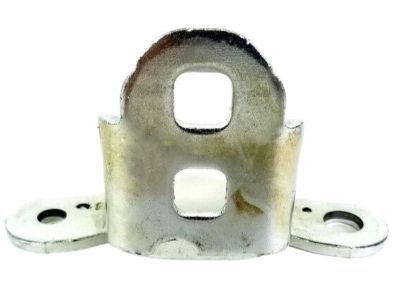
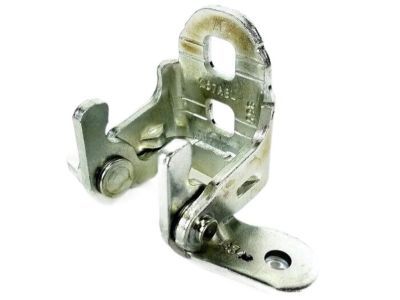
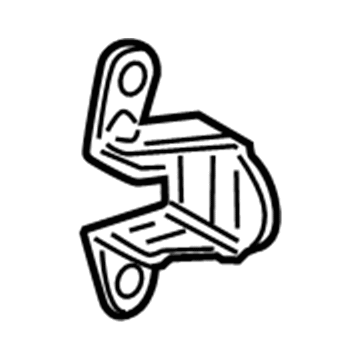
Jeep Upper Hinge, Rear Driver Side Part Number: 5074257AB
$64.50 MSRP: $96.50You Save: $32.00 (34%)Ships in 1-2 Business DaysProduct Specifications- Other Name: Hinge - Door; Door Hinge, Front Left Upper, Rear Left Upper; Hinge Rear Door Upper; Hinge Door Upper; Hinge Door; Door Hinge
- Position: Rear Upper Driver Side
- Replaces: 5074257AA
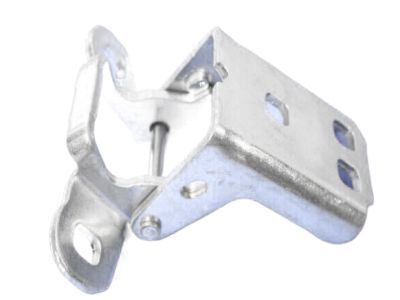
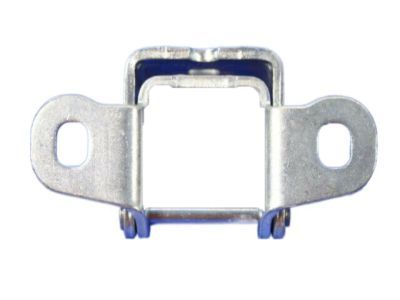
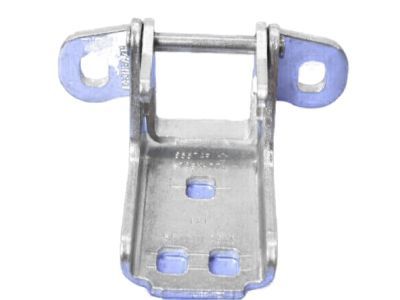
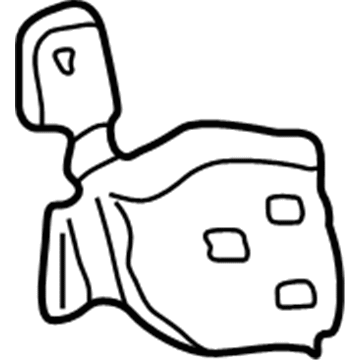
Jeep Upper Hinge, Front Part Number: 55177026AC
$65.23 MSRP: $97.55You Save: $32.32 (34%)Ships in 1-2 Business DaysProduct Specifications- Other Name: Hinge - Door; Door Hinge, Front Lower, Front Upper; Lower Hinge; Hinge Door; Door Hinge
- Position: Front Upper
- Replaces: 55177026AB
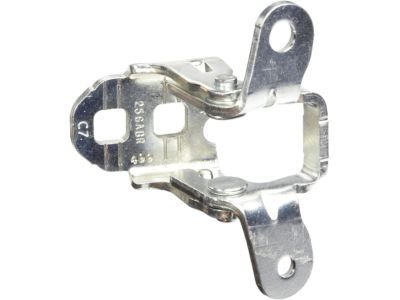
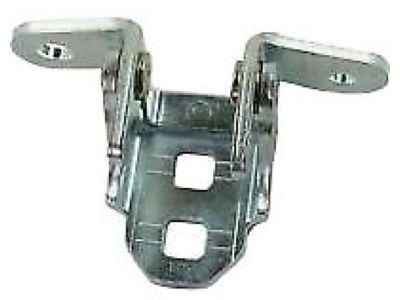
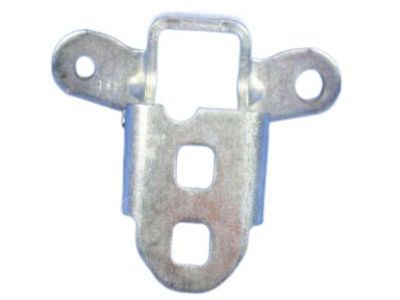
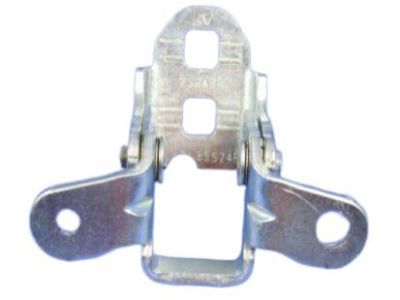
Jeep Upper Hinge, Front Passenger Side Part Number: 5074256AB
$66.06 MSRP: $98.85You Save: $32.79 (34%)Ships in 1-2 Business DaysProduct Specifications- Other Name: Hinge - Door; Door Hinge, Front Right Upper, Rear Right Upper; Hinge Rear Door Upper; Hinge Door Upper; Hinge Door; Door Hinge
- Position: Front Upper Passenger Side
- Replaces: 5074256AA
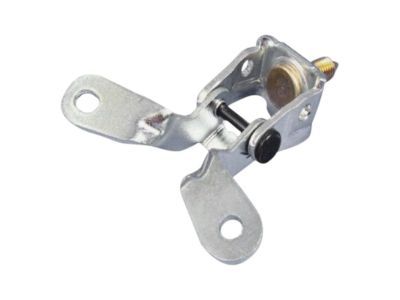
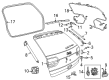
Jeep Hinge, Rear Part Number: 68299174AA
$67.51 MSRP: $101.00You Save: $33.49 (34%)Ships in 1-2 Business DaysProduct Specifications- Other Name: Hinge - Liftgate; Liftgate Hinge, Rear; Door Hinge; Hinge Liftgate; Liftgate Hinge
- Position: Rear
- Replaces: 55113709AF
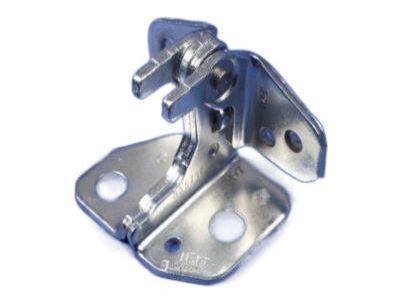
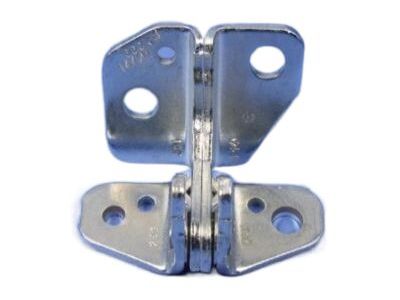
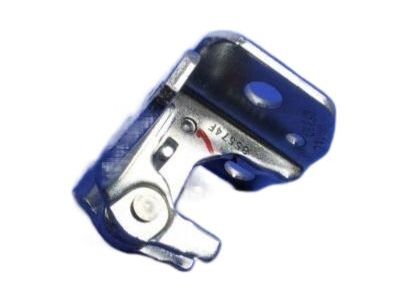
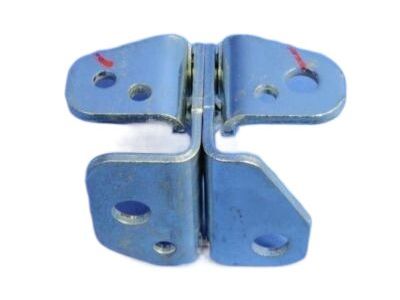
Jeep Upper Hinge, Front Passenger Side Part Number: 55113660AC
$68.96 MSRP: $104.00You Save: $35.04 (34%)Ships in 1-2 Business DaysProduct Specifications- Other Name: Hinge - Door; Door Hinge, Front Right Upper, Rear Right Upper; Hinge Door Upper; Hinge Door; Door Hinge
- Position: Front Upper Passenger Side
- Replaces: 55113660AB, 55113660AA
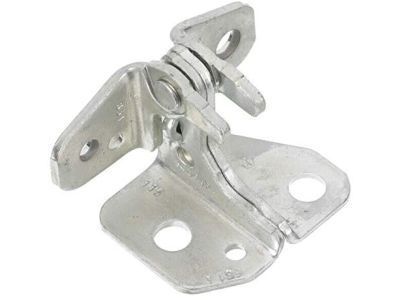
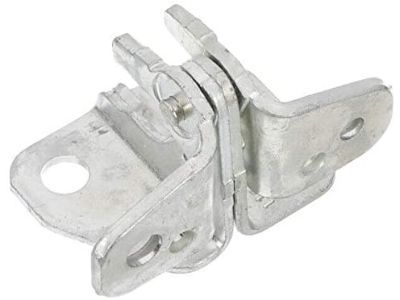
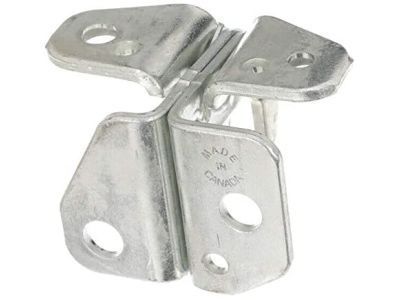
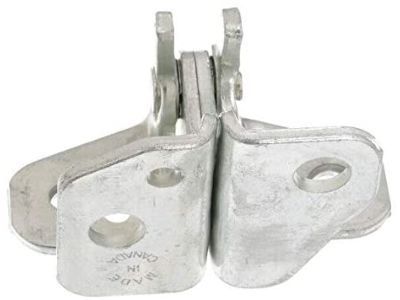
Jeep Upper Hinge, Rear Driver Side Part Number: 55113661AC
$79.28 MSRP: $120.00You Save: $40.72 (34%)Ships in 1-2 Business DaysProduct Specifications- Other Name: Hinge - Door; Door Hinge, Front Left Upper, Rear Left Upper; Hinge Door Upper; Hinge Door; Door Hinge
- Position: Rear Upper Driver Side
- Replaces: 55113661AA, 55113661AB
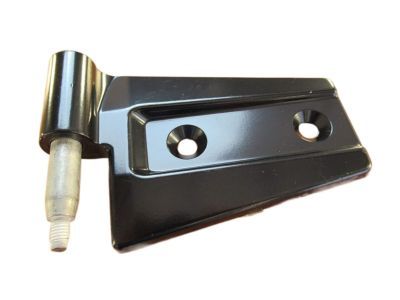
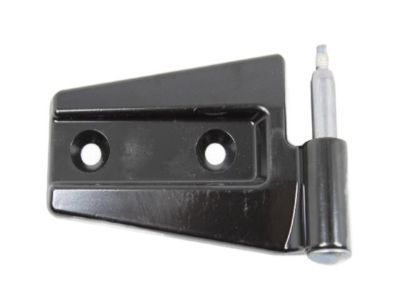
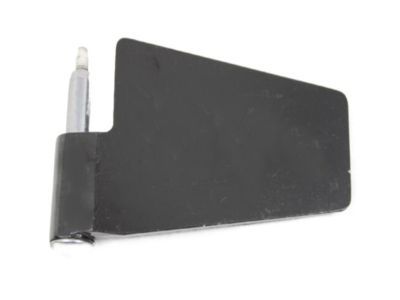
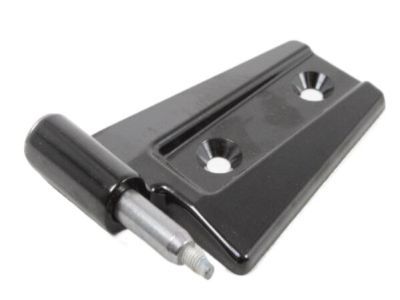
Jeep Hinge, Front Outer Driver Side Part Number: 55395385AH
$81.67 MSRP: $123.00You Save: $41.33 (34%)Ships in 1-3 Business DaysProduct Specifications- Other Name: Hinge - Door; Door Hinge, Center Left, Front Left Outer; Hinge Door; Door Hinge
- Position: Front Outer Driver Side
- Replaces: 55395385AC, 55395385AF, 55395385AE, 55395385AG, 55395385AB, 55395385AD
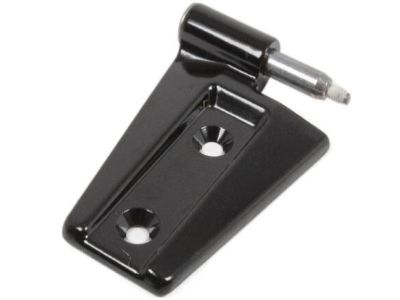
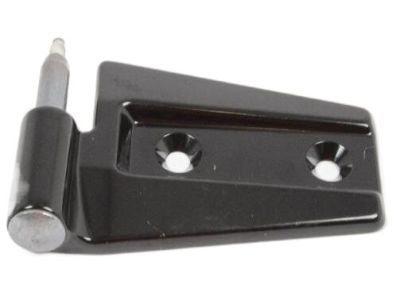
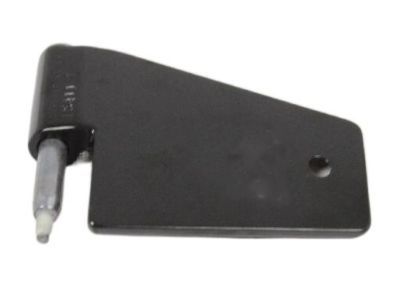
Jeep Hinge, Center Passenger Side Part Number: 55395384AH
$81.67 MSRP: $123.00You Save: $41.33 (34%)Ships in 1-3 Business DaysProduct Specifications- Other Name: Hinge - Door; Door Hinge, Center Right, Front Right Outer; Hinge Door; Door Hinge
- Position: Center Passenger Side
- Replaces: 55395384AF, 55395384AE, 55395384AB, 55395384AG, 55395384AC, 55395384AD
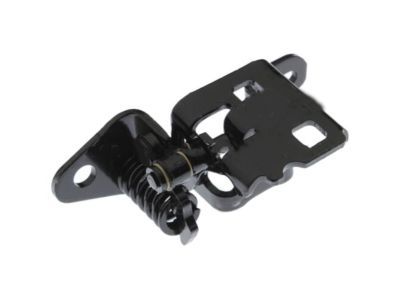
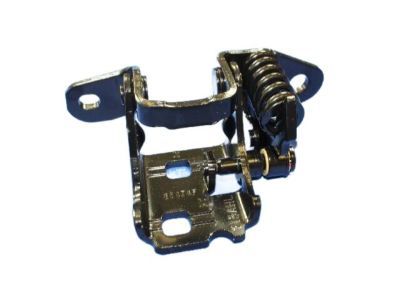
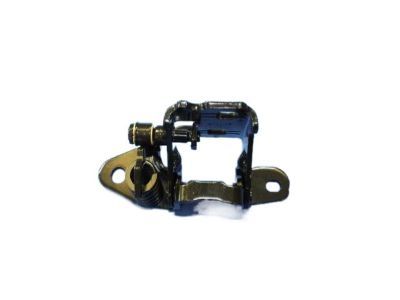
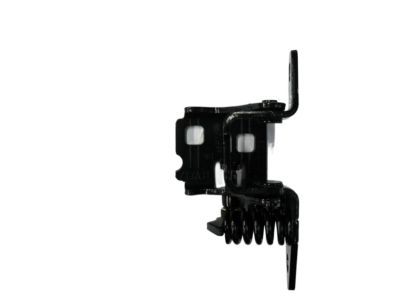
Jeep Lower Hinge, Rear Driver Side Part Number: 5115713AK
$60.93 MSRP: $91.10You Save: $30.17 (34%)Product Specifications- Other Name: Hinge - Lower Door; Door Hinge, Front Left Lower, Front Left Upper, Rear Left Lower; Hinge Assembly Lower Door; Door Hinge
- Position: Rear Lower Driver Side
- Replaces: 5115713AF, 5115713AC, 5115713AG, 5115713AA, 5115713AI, 5115713AJ, 5115713AE, 5115713AD, 5115713AB, 68038905AB, 5115713AH
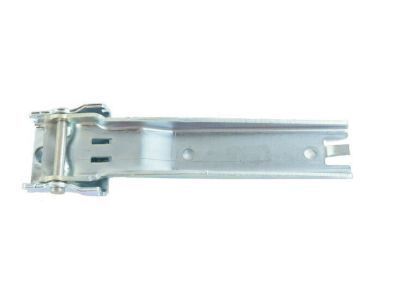
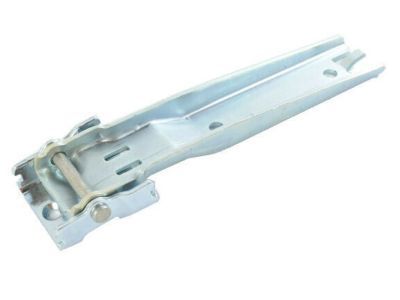
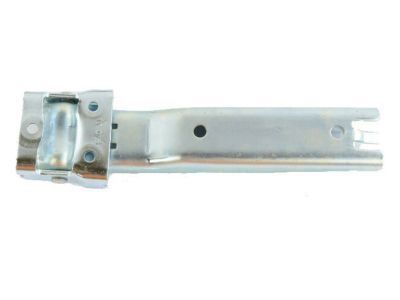
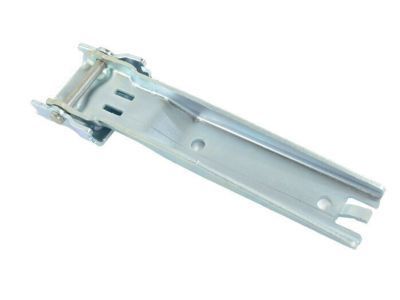
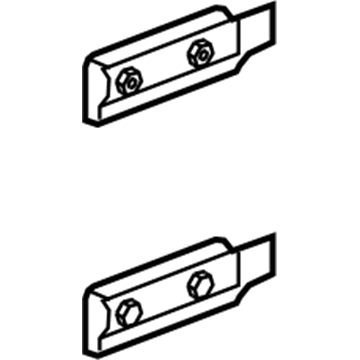
Jeep Hinge, Rear Part Number: 55395401AH
$92.87 MSRP: $139.00You Save: $46.13 (34%)Ships in 1-2 Business DaysProduct Specifications- Other Name: Hinge - Tailgate; Door Hinge, Rear; Hinge Tailgate; Door Hinge
- Position: Rear
- Replaces: 55395401AB, 55395401AC, 55395401AA, 55395401AG, 55395401AE
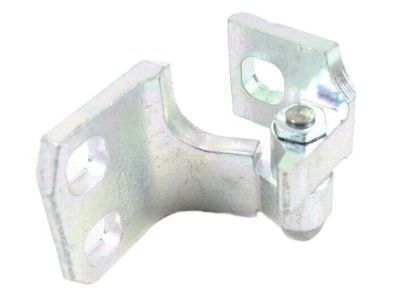
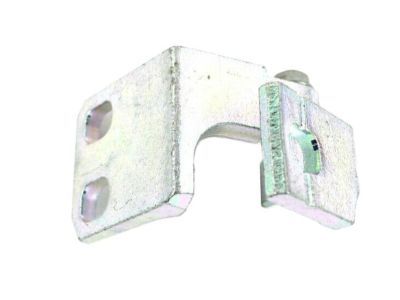
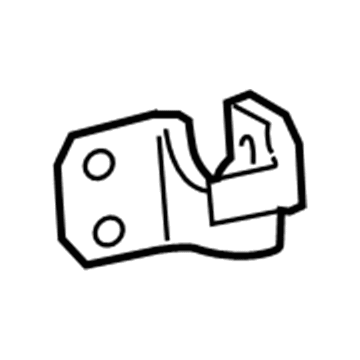
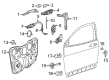
Jeep Upper Hinge, Front Driver Side Part Number: 68140735AB
$38.42 MSRP: $56.20You Save: $17.78 (32%)Ships in 1-2 Business DaysProduct Specifications- Other Name: Hinge - Door Upper; Door Hinge, Front Left Upper, Rear Left Upper; Hinge Door Upper; Door Hinge
- Position: Front Upper Driver Side
- Replaces: 68140735AA
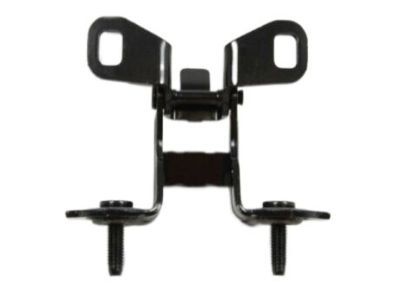
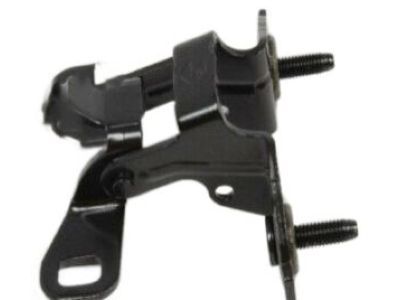
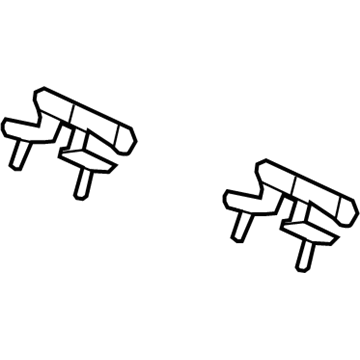
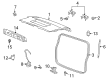
Jeep Hinge, Rear Part Number: 57010182AD
$66.28 MSRP: $97.50You Save: $31.22 (33%)Ships in 1-2 Business DaysProduct Specifications- Other Name: Hinge - Liftgate; Liftgate Hinge, Rear; Door Hinge; Hinge Liftgate; Liftgate Hinge
- Position: Rear
- Replaces: 57010182AC
| Page 1 of 7 |Next >
1-20 of 139 Results
Jeep Door Hinge
OEM parts sourced directly from Jeep deliver superior quality, long lasting strength, and a precise fit you can trust. Each item goes through strict quality checks to ensure safety, toughness, and performance that matches your factory equipment. At JeepPartsDeal online shop, you'll get top-quality, budget-friendly OEM Jeep Door Hinge for your vehicle. We focus on giving you a high standard without pushing up the price. Our full selection of genuine factory products comes backed by the original manufacturer's warranty. You'll love our fast delivery, seamless shopping experience, and convenient return policy, saving you all the hassle.
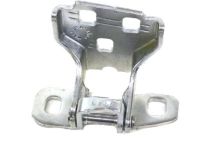
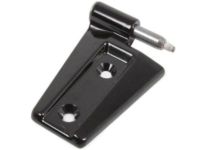
Jeep Door Hinge maintains all the doors straight and swinging in the correct direction on uneven roads and the streets. Jeep emerged out of wartime roughness into civil life driveways and sports a boxy frame, which shrugs away mud and rocks. Jeep has cultivated its reputation around open-air cabins, removable tops and a faithful fan club that does business exchanging tips over campfires. Jeep has also added a Selec-Terrain knob which allows drivers to switch between snow and sand without searching through menus. Jeep has now combined physical ruggedness with online intelligence such as voice recognition and remote updates which come during sleep. Community runs convoys creep over rocks, spotters shouting instructions, and it demonstrates that the rigs can be abused in the real world. Door Hinge is a steel-to-steel connection, the door edge is connected to the pillar using thick pins and grease tracks to travel easily. Since repeated slams and trail flex can cumbersome a door, the new Door Hinge incorporates hardened pins, brass bushings and a non-corrosive shell that maintains the geometry of the hinge even after years of grit and salt. Door Hinge check straps prevent overextension of the sheet metal such that it kinks on a windy ridge. It takes minutes to change a worn out Door Hinge and then the latch snaps again without the clatter of a crowbar on the handle.
Jeep Door Hinge Parts and Q&A
- Q:How to Replace a Door Hinge Without Taking Off the Door on Jeep Grand Cherokee?A:You don't have to take out the back door if you replace just one hinge at a time and when changing or moving the hinges, apply a suitable body sealant. Open the front door and remove the connector attached to the rear door wire harness from the car's main wire harness. Mark the B-pillar location for the rear hinges with a grease pencil, then lift the rear door and take out the five bolts holding the hinges to the B-pillar. After removing the rear door, lay it on a flat surface and mark where each hinge is on the door. Epoxy bonded washers are applied correctly with the door closed; removing them may result in the door needing to be repositioned. Disconnect the nuts that have attached the rear door hinge to the door frame and remove the hinges. If there are washers, take them off too. During installation, connect the rear door hinge with the door and, if the washers are no longer there, install the epoxy bonded washers. Fasten the nuts that connect the hinges to the rear door, match up the hinges following the reference marks and secure them to 31 N.m (23 ft.lbs.). Connect the rear door's body-edge to the frame, using a suitable device to hold its weight, then loosely fix the five bolts to secure the hinges to the B-pillar. Fix the rear door to the body using the marks made earlier, then tighten the bolts to a value between 28 N.m and 21 ft.lbs. Tie the rear door wire harness to the body wire harness and put the black battery cable back on. After that, adjust the rear door as you see fit.
- Q:How to Install Door Hinges on the Rear Door on Jeep Wrangler?A:Use a suitable body sealant to remove or move the rear door hinges before installing them. Start by putting in the door hinges and ends with bolting 1 and 4 together after the hinges. Lay the hinges against the door by using the marks made earlier and screw them in until they reach 26 Nm (19 ft. lbs.). Then, put in body hinges 1 and 4 and then attach bolts 2 and 3 to them. Lay the hinges on the vehicle according to the marks left on the car and tighten the bolts so the torque displays 28 Nm (21 ft. lbs.). After that, mount door 2.
Related Jeep Parts
 Jeep Center Console
 Jeep Window Regulator
 Jeep Windshield Wiper
 Jeep Ashtray
 Jeep Cigarette Lighter
 Jeep Dash Panel
 Jeep Door Lock
 Jeep Glove Box
 Jeep Tailgate Handle
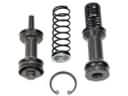 Jeep Master Cylinder Repair Kit
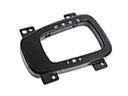 Jeep Shift Indicator
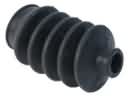 Jeep Shift Linkage Boot