JeepParts
My Garage
My Account
Cart
OEM Jeep Fan Blade
Fan Propeller Blade- Select Vehicle by Model
- Select Vehicle by VIN
Select Vehicle by Model
orMake
Model
Year
Select Vehicle by VIN
For the most accurate results, select vehicle by your VIN (Vehicle Identification Number).
66 Fan Blades found
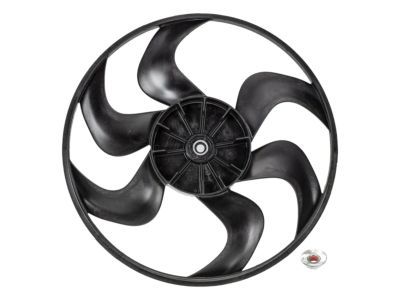
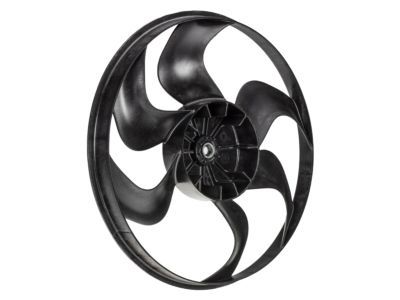
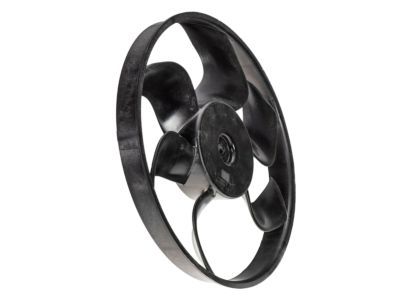
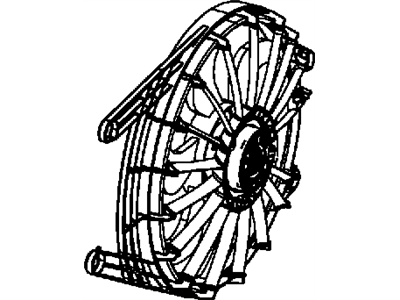
Jeep Fan Blade Part Number: 68039593AA
$85.63 MSRP: $128.00You Save: $42.37 (34%)Ships in 1-2 Business DaysProduct Specifications- Other Name: Fan - Cooling; Dual Radiator and Condenser Assembly; Engine Cooling Fan.; Fan Cooling Electric; Fan Cooling
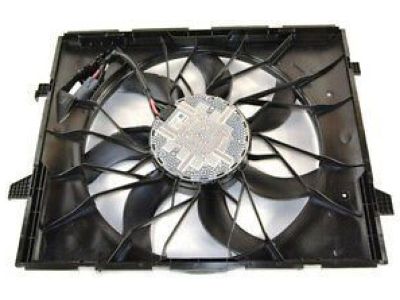
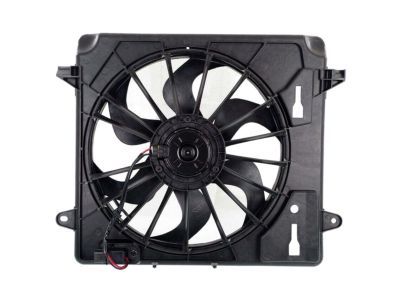
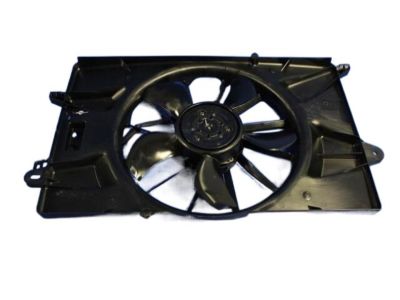
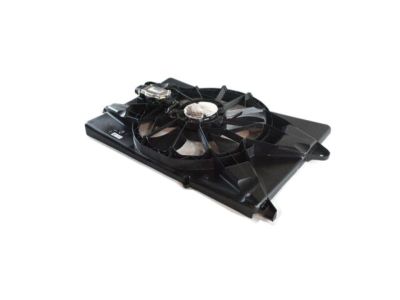
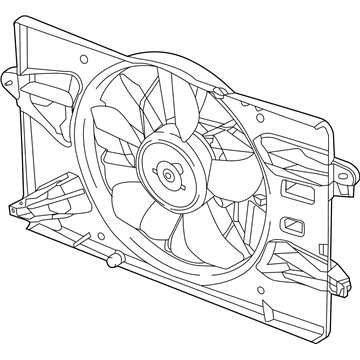
Jeep Fan Assembly Part Number: 68249185AD
$302.77 MSRP: $458.00You Save: $155.23 (34%)Ships in 1-2 Business DaysProduct Specifications- Other Name: Fan Module - Radiator Cooling; Engine Cooling Fan Assembly; Dual Fan Assembly; Fan Blade; Fan Module; Fan Module Radiator Cooling; Cooling Fan Assembly
- Replaces: 68249185AC, 68249185AA, 68249185AB
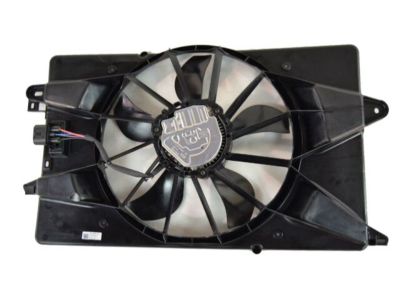
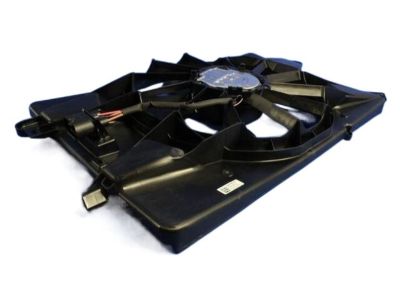
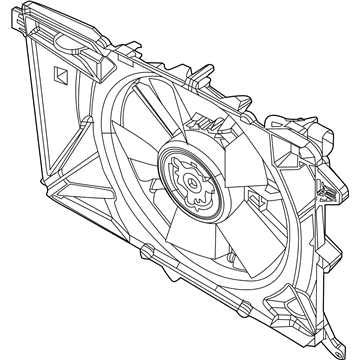
Jeep Fan Shroud, Front Part Number: 68437465AB
$436.48 MSRP: $659.00You Save: $222.52 (34%)Ships in 1-2 Business DaysProduct Specifications- Other Name: Fan - Radiator Cooling; Engine Cooling Fan Assembly, Front; Radiator Fan Assembly; Cooling Fan Module; Fan Blade; Fan Assembly; Fan Module; Fan Module Radiator Cooling
- Position: Front
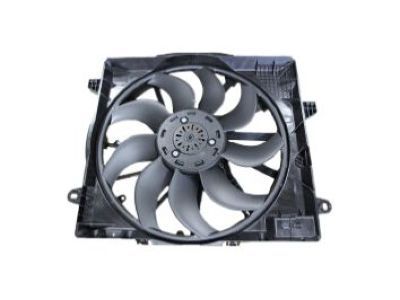
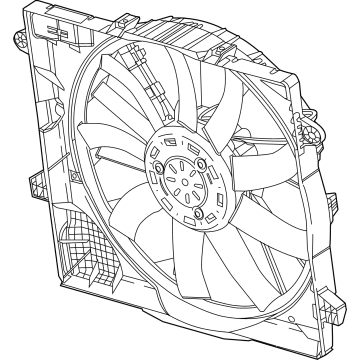
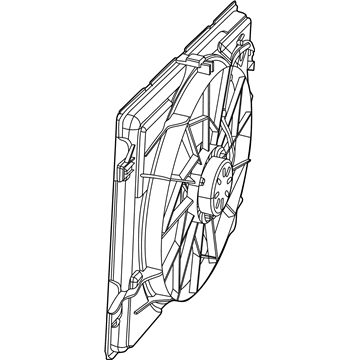
Jeep Fan Assembly, Front Part Number: 68272755AD
$629.85 MSRP: $950.89You Save: $321.04 (34%)Product Specifications- Other Name: Fan Assembly - Radiator Cooling; Engine Cooling Fan; Dual Radiator and Condenser Fan.; Fan Module; Fan Module Radiator Cooling; Cooling Fan Assembly
- Position: Front
- Replaces: 68272755AC, 68272755AB, 68272755AA
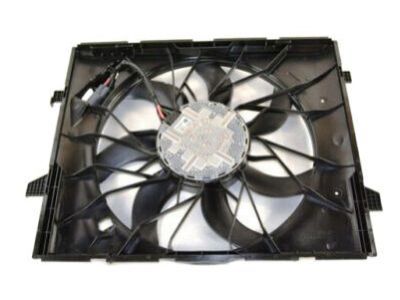
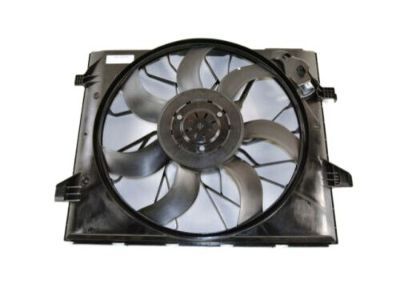
Jeep Fan Assembly Part Number: 52014787AC
$354.95 MSRP: $517.00You Save: $162.05 (32%)Product Specifications- Other Name: Fan Module - Radiator Cooling; Engine Cooling Fan Assembly; Dual Fan Assembly; Fan Blade; Fan Module; Fan Module Radiator Cooling; Cooling Fan Assembly; Engine Cooling Fan
- Replaced by: 68482591AD
- Replaces: 52014787AB
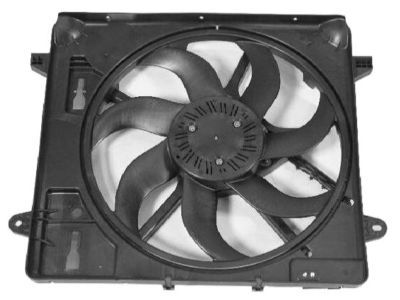
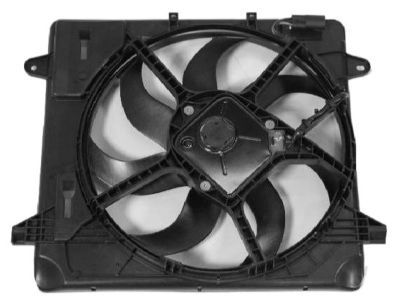
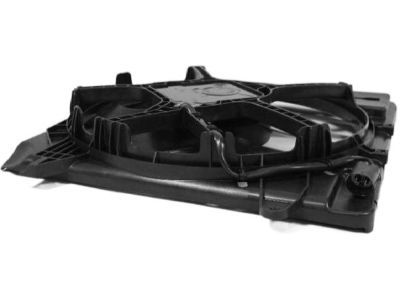
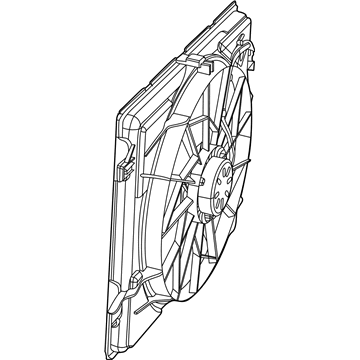
Jeep Fan Shroud Part Number: 68143894AB
$635.38 MSRP: $959.00You Save: $323.62 (34%)Ships in 1-2 Business DaysProduct Specifications- Other Name: Fan - Radiator Cooling; Dual Radiator and Condenser Assembly; Engine Cooling Fan; Fan Blade; Fan Assembly; Fan Module Radiator Cooling
- Replaces: 68143894AA
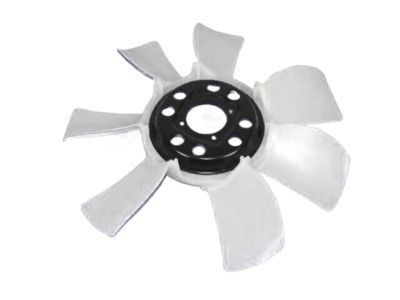
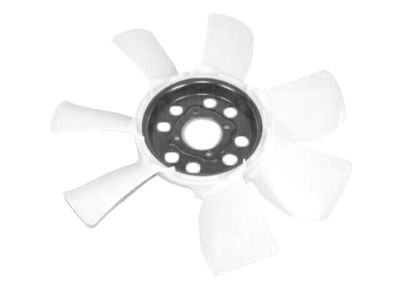
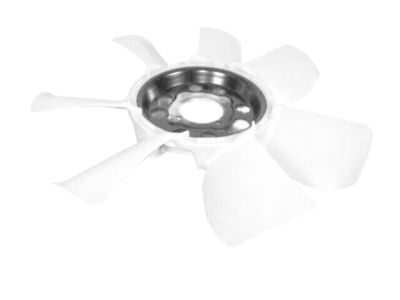
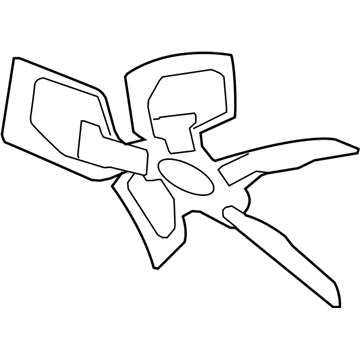
Jeep Fan Blade Part Number: 55038108AA
$82.14 MSRP: $122.00You Save: $39.86 (33%)Ships in 1-3 Business DaysProduct Specifications- Other Name: Fan - Cooling; Engine Cooling Fan Clutch Blade; Radiator Fan Assembly; Fan Cooling
- Replaces: 55116884AA
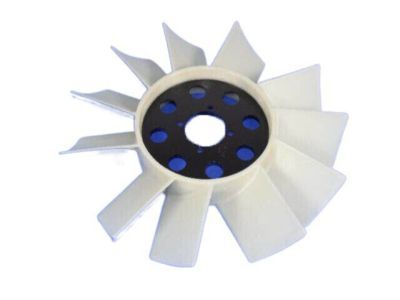
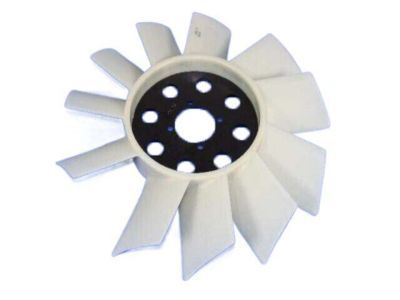
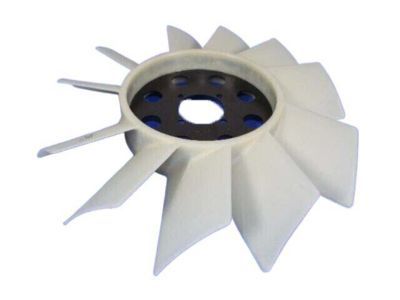
Jeep Fan Blade Part Number: 52079654AE
$179.68 MSRP: $267.97You Save: $88.29 (33%)Ships in 1-2 Business DaysProduct Specifications- Other Name: Fan - Cooling; Engine Cooling Fan Clutch Blade; Radiator Fan Assembly; Fan Cooling Mechanical
- Replaces: 52079654AD
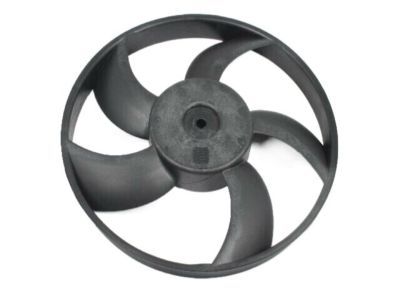
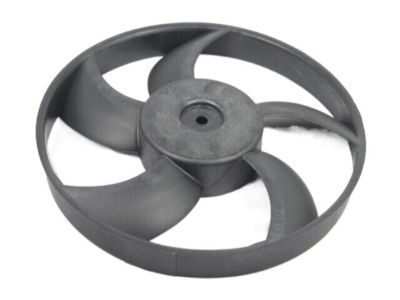
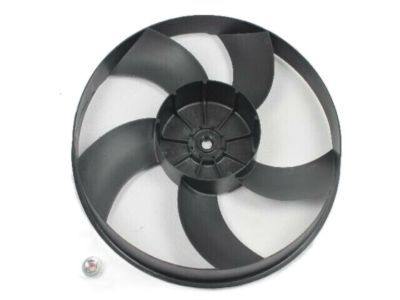
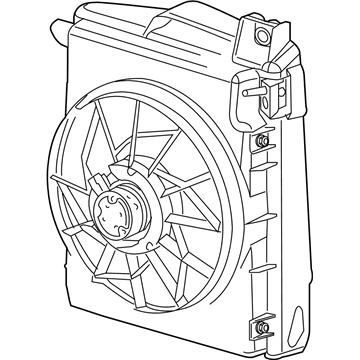
Jeep Fan Blade Part Number: 68031871AA
$192.61 MSRP: $284.00You Save: $91.39 (33%)Ships in 1-3 Business DaysProduct Specifications- Other Name: Fan - Cooling; A/C Condenser Fan Assembly; Engine Cooling Fan Blade; Dual Radiator Fan Assembly.; Fan Assembly; Fan Cooling Includes: Nut; Fan Cooling
- Replaces: 5104787AA
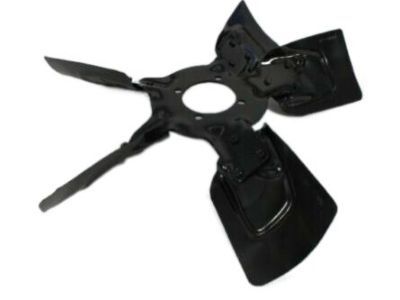
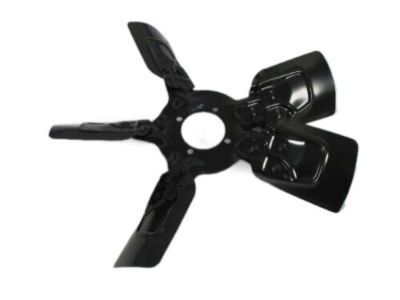
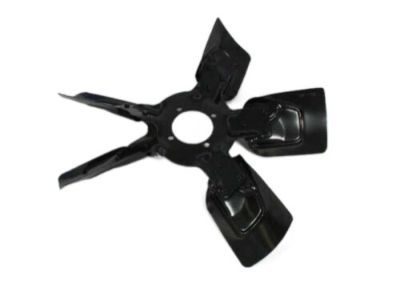
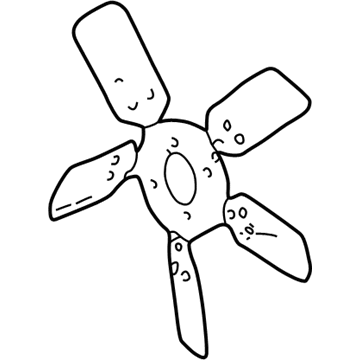
Jeep Fan Blade Part Number: 52027893
$335.33 MSRP: $425.09You Save: $89.76 (22%)Ships in 1-2 Business DaysProduct Specifications- Other Name: Fan - Cooling; Engine Cooling Fan Clutch Blade; Radiator Fan Assembly; Fan Cooling
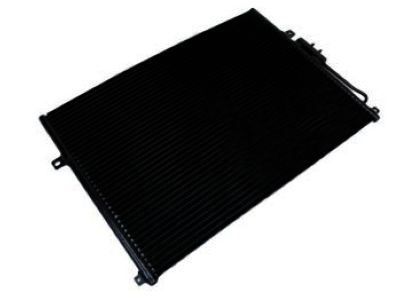
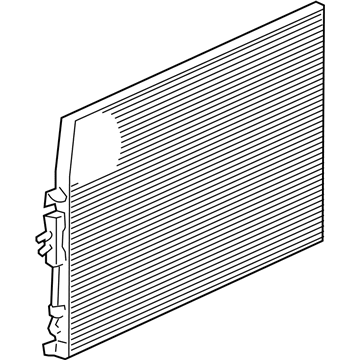
Jeep Fan Module Part Number: 55115918AE
$309.66Ships in 1-2 Business DaysProduct Specifications- Other Name: Condenser - A/C; A/C Condenser; Condenser A/C; Condenser
- Replaces: 55115918AC
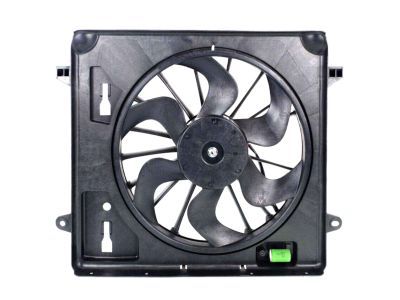
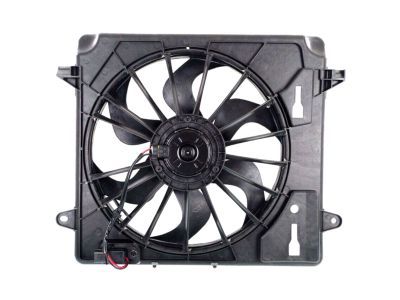
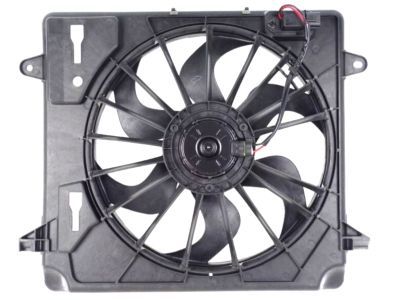
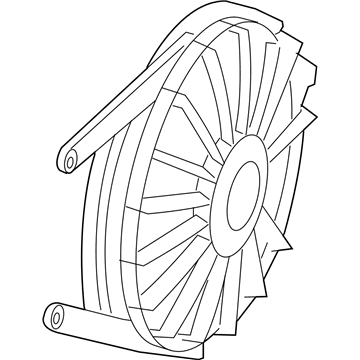
Jeep Fan Assembly Part Number: 55056642AD
$111.49 MSRP: $164.00You Save: $52.51 (33%)Product Specifications- Other Name: Fan - Radiator Cooling; Engine Cooling Fan Assembly; Radiator Fan Assembly; Fan Blade; Fan Module Radiator Cooling
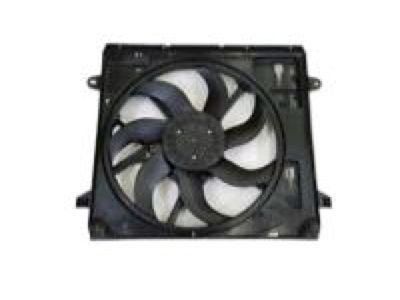
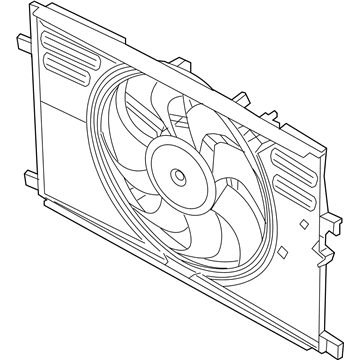
Jeep Fan Assembly Part Number: 68461974AA
$286.65 MSRP: $422.00You Save: $135.35 (33%)Product Specifications- Other Name: Module - Radiator Cooling; Engine Cooling Fan Assembly; Radiator; Radiator Fan Assembly; Fan Blade; Fan Module; Fan Module Radiator Cooling
- Replaces: 68363855AA, 68337149AA
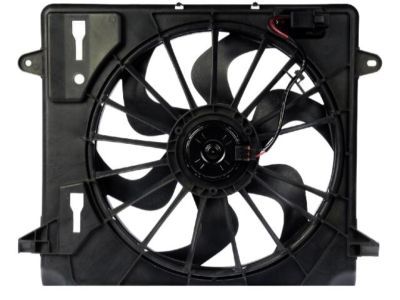
Jeep Fan Assembly Part Number: 55056642AB
Product Specifications- Other Name: Fan - Radiator Cooling; Engine Cooling Fan Assembly; Radiator Fan Assembly; Fan Blade; Fan Motor Assembly; Fan Module Radiator Cooling
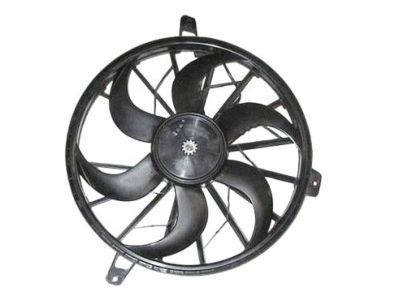
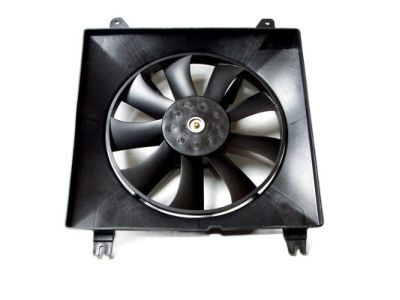
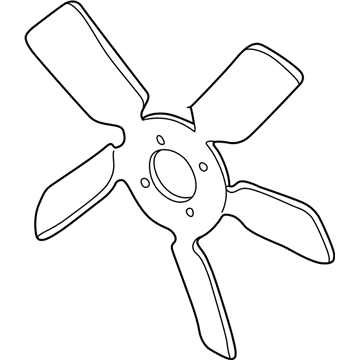
Jeep Fan Blade Part Number: 52079441
Product Specifications- Other Name: Fan - Cooling; Radiator Fan Assembly; Fan Cooling
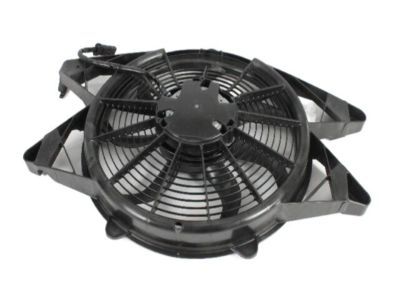
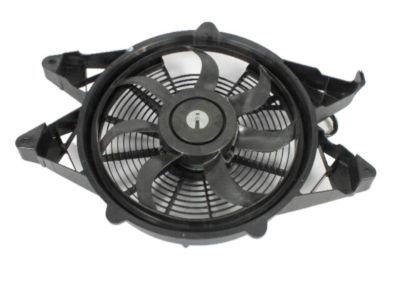
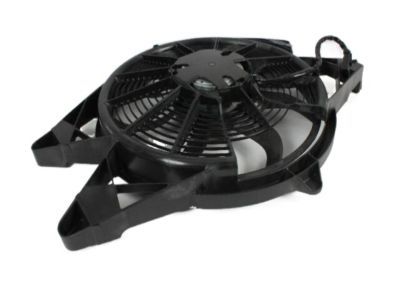
Jeep Fan Assembly Part Number: 5143021AA
Product Specifications- Other Name: Fan - Cooling; Radiator Fan Assembly; Fan Blade; Fan Cooling Electric; Fan Cooling
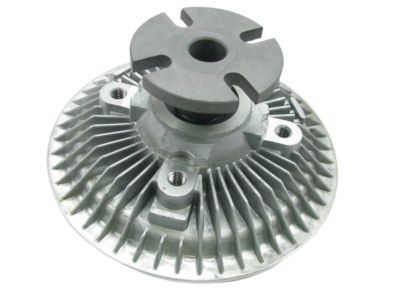
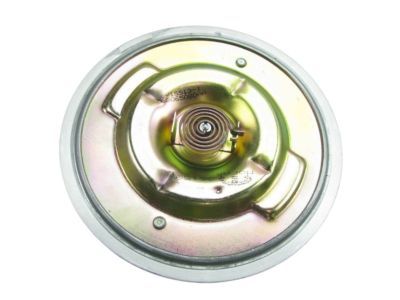
Jeep Fan Clutch Part Number: 68065080AA
Product Specifications- Other Name: Clutch - Fan; Engine Cooling Fan Clutch; Fan Blade
- Replaces: 52027890AB
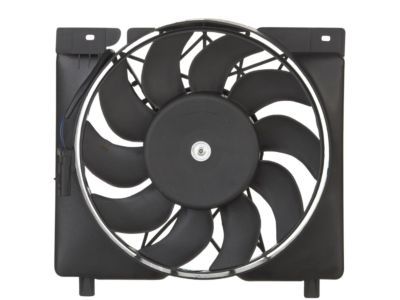
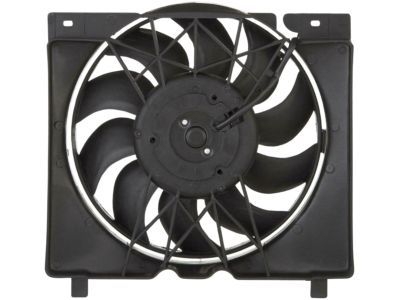
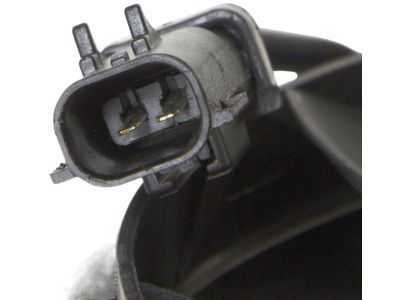
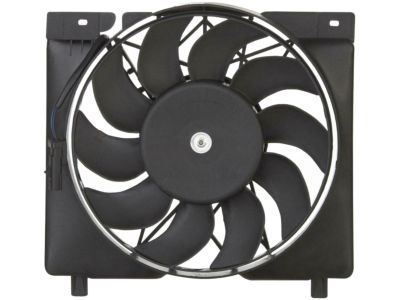
Jeep Fan Blade Part Number: 52028337AC
Product Specifications- Other Name: Fan - Radiator Cooling; Dual Radiator and Condenser Assembly; Engine Cooling Fan.; Fan Assembly; Fan Motor Assembly
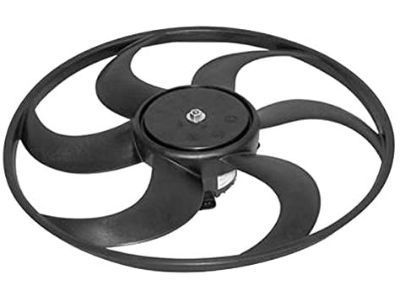
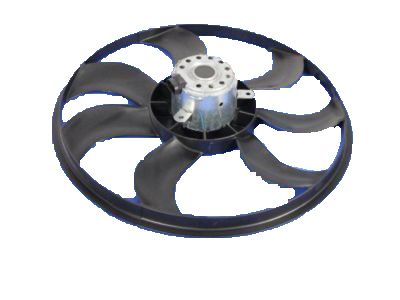
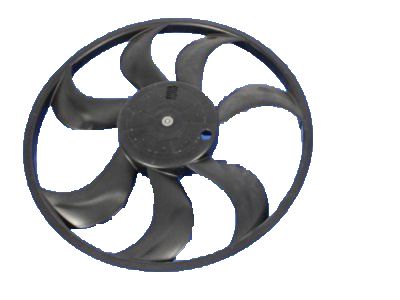

Jeep Fan & Motor Part Number: 5143208AA
Product Specifications- Other Name: Fan - Radiator Cooling; Engine Cooling; Dual Radiator and Condenser Assembly; Fan Blade; Motor; Fan Assembly; Fan & Motor Assembly Fan & Motor Assembly; Fan Module Radiator Cooling; Cooling Fan Assembly
- Replaces: 5143208AB
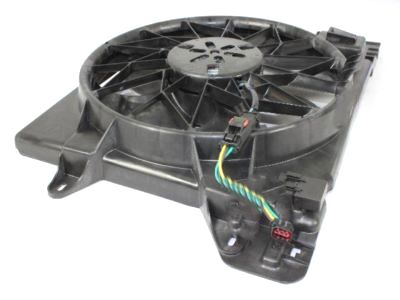
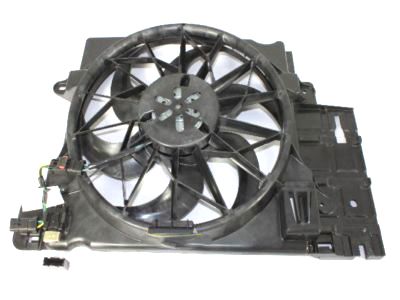
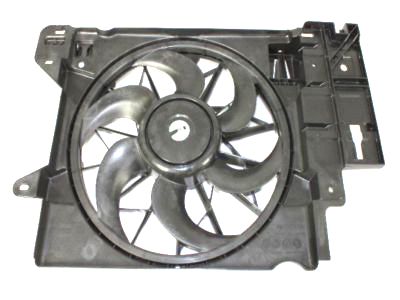
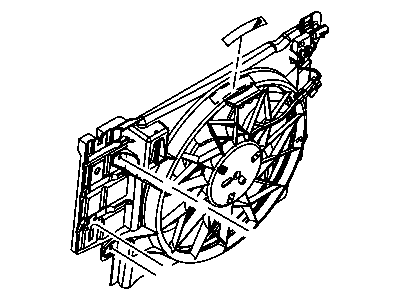
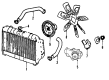
Jeep Fan Assembly Part Number: 55037694AB
Product Specifications- Other Name: Fan - Radiator Cooling; Radiator Fan Assembly; Fan Blade; Fan Module Radiator Cooling
| Page 1 of 4 |Next >
1-20 of 66 Results
Jeep Fan Blade
OEM parts sourced directly from Jeep deliver superior quality, long lasting strength, and a precise fit you can trust. Each item goes through strict quality checks to ensure safety, toughness, and performance that matches your factory equipment. At JeepPartsDeal online shop, you'll get top-quality, budget-friendly OEM Jeep Fan Blade for your vehicle. We focus on giving you a high standard without pushing up the price. Our full selection of genuine factory products comes backed by the original manufacturer's warranty. You'll love our fast delivery, seamless shopping experience, and convenient return policy, saving you all the hassle.
Jeep Fan Blade attracts cool air very rapidly to ensure that engines remain calm on rough trails. Since the war-inspired CJ, Jeep continues to produce machines that sneer both at the faded roads and smooth asphalt. Drivers place their faith in Jeep because of open-top roofs, square fenders, practical and rugged design, and that confident Selec-Terrain dial which changes to mud, sand, or snow with a switch of a dial. Jeep community runs deep, and weekend campers trade hands at campfires, and even the commute to work is a micro-adventure. The reason Jeep is not allowing age to take its toll is constant over-the-air updates with modern safety technology being added and stacked on the same go-anywhere backbone that was developed in 1945. Fan Blade is one of those items that is only a few inches above the radiator, and its purpose is to force a large amount of air to cool the radiator, coolant fins, and chill the transmission fluid, and even during rock crawling at walking pace, the air-conditioning condenser is able to breathe. Recent Fan Blade versions are made with less heavy composite resin and remodeled end tips, which reduce drag, thus the motor consumes less power and can still press more air. Balanced blades minimize vibration, and protective belts, pulleys, and hoses are not subjected to early wear. The ease of fitting the Fan Blade into numerous cooling modules means that owners will be provided with an easy solution to safeguard engines and cabin comfort throughout the entire range of the line.
Jeep Fan Blade Parts and Q&A
- Q:How to Maintain and Fix a Fan Blade on Jeep Grand Cherokee?A:The first thing to do when servicing the fan blade is to remove the negative battery cable from the battery. To release the thermal/viscous fan blade assembly, rotate the nut on the water pump hub clockwise as viewed from the front. At this time, do not take the fan/viscous fan drive assembly out of the vehicle or unscrew the fan blade assembly from the viscous fan drive. Following that, take out the fan shroud-to-upper crossmember nuts and remove the whole fan shroud and fan blade/viscous fan drive set as a single assembly. Be careful not to put the viscous fan drive on its side after removal; this can result in silicone fluid getting into its bearings and spoiling the lubricant. Do not remove the bolts that link the water pump pulley to the water pump, since this pulley carries tension from the belt. Take off the bolts that keep the fan blade assembly in place on the viscous fan drive. Gently wash the fan blades with some mild soap and clean water, but not with abrasives. Look at all the blades on the fan assembly; do not try to bend them if they are outside the approved ranges. If the reason for replacing the assembly is mechanical, look at the water pump and viscous fan drive for telltale signs of vibration damage. Take out the fan blade assembly from the viscous fan drive unit and lay it down, with the front side down on a level surface. Should the space between the knife and plate be larger than 2.0 mm (0.090 inch) or the movement of the blades be more than 2.0 mm (0.090 inch), the fan should be replaced. Any cracks, bends, loose rivets or damaged welds require you to replace the fan. Assemble the fan blade to the viscous drive, tighten the mounting bolts to the right torque of 27 Nm (20 ft. lbs.) and insert the fan into place. Install the fan and fan drive onto the water pump pulley, making certain that the accessory drive belt is positioned correctly so the water pump turns as required.
- Q:How to Mount and Replace a Fan Blade in a Mechanical or Viscous Fan Drive Assembly on Jeep Cherokee?A:We can mount the fan drive assembly either directly on the water pump hub or on a hub/bearing attached to the right front side of the engine aluminum bracket. Loose all four nuts responsible for holding the fan to the mounting but don't remove them yet. After that, remove the accessory drive belt. Certain engine types may need the fan shroud removed to take out the viscous fan drive which should be removed with the fan blade. After taking away the four screws holding the fan system, remove the assembly from beneath the vehicle. Store the thermal viscous fan drive vertically to stop the silicone fluid from leaking into the bearing assembly and spoiling its lubrication. Use mild soap and water to clean the fan blades, but don't use anything hard like a brush. If the fan blade assembly is not within spec, do not attempt to bend the blades until an expert looks at them. In the event that the assembly is swapped out because of mechanical problems, you should check the water pump and viscous fan drive for harsh vibration damage. Loosen four bolts to remove the fan blade from the viscous fan drive unit, then lay the fan with its leading edge on a flat area. Should the space between the blade and the surface go over 2.0 mm (0.090 inch) or the rocking motion equal 2.0 mm (0.090 inch), change the replacement fan. Any cracks, loose rivets, bends or broken welds in the fan assembly means it should be replaced. Following installation of the fan drive, speed up the engine to 2000 rpm and hold for around two minutes so that all fluid is distributed as it should be. Put the viscous fan drive onto the fan blade and tighten the bolts to 24 Nm or 18 ft. lbs. Put the mounting flange of the fan blade/viscous fan drive assembly onto the hub, insert all four nuts and tighten to 27 Nm (20 ft. lbs.), first tightening the first two and then the last two. It's important to fit the serpentine accessory drive belt correctly so that the water pump rotates in the right way and the engine stays cool. After that, mount the accessory drive belt.
Related Jeep Parts
 Jeep Coolant Reservoir
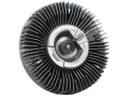 Jeep Fan Clutch
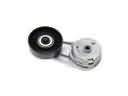 Jeep Belt Tensioner
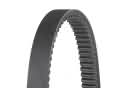 Jeep Drive Belt
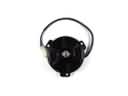 Jeep Fan Motor
 Jeep Fan Shroud
 Jeep Intercooler
 Jeep Radiator Support
 Jeep Water Pump Gasket
 Jeep Belt Tensioner Bolt
 Jeep Coolant Pipe
 Jeep Cooling Hose