JeepParts
My Garage
My Account
Cart
OEM Jeep Radiator
Cooling Radiator- Select Vehicle by Model
- Select Vehicle by VIN
Select Vehicle by Model
orMake
Model
Year
Select Vehicle by VIN
For the most accurate results, select vehicle by your VIN (Vehicle Identification Number).
90 Radiators found
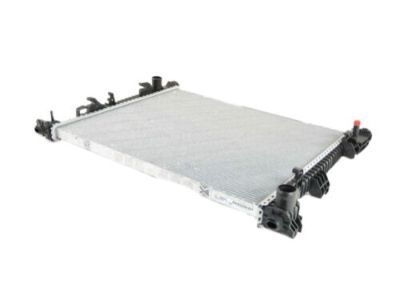
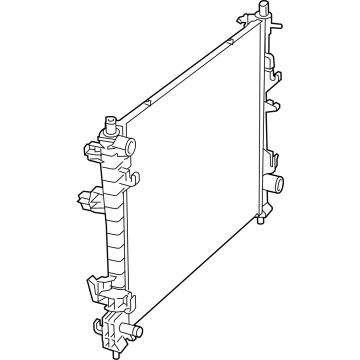
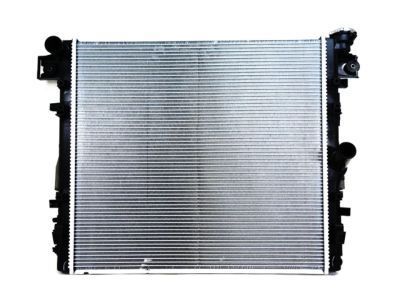
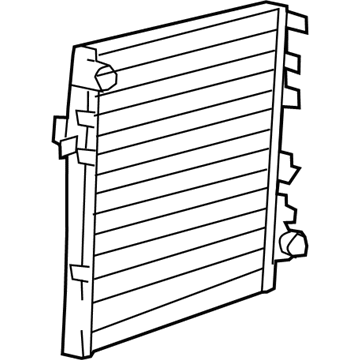
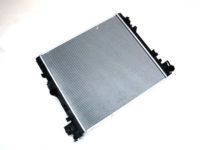
Jeep Radiator Part Number: 68273308AA
$541.45 MSRP: $819.00You Save: $277.55 (34%)Ships in 1-2 Business DaysProduct Specifications- Other Name: Radiator - Engine Cooling; Radiator Engine Cooling
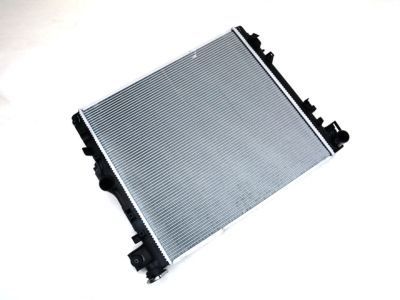
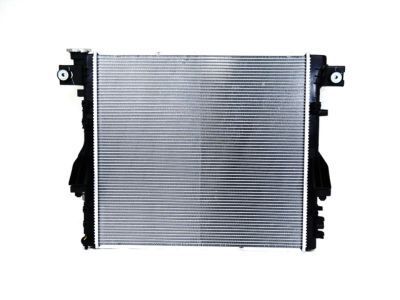
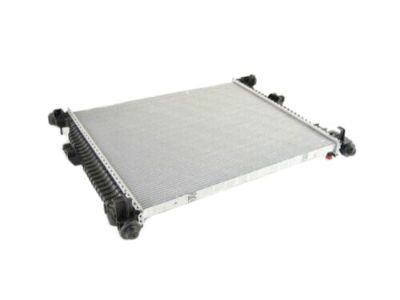
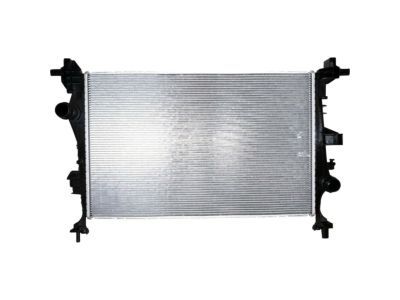
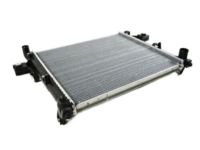
Jeep Radiator Part Number: 68143886AA
$444.26 MSRP: $649.00You Save: $204.74 (32%)Product Specifications- Other Name: Radiator - Engine Cooling; Radiator Engine Cooling, 25 Pc Min Qty, Mixture And Match Pallet Program, Order at Mopar.com.
- Replaces: 55056633AA, 55056633AB, 68049405AA
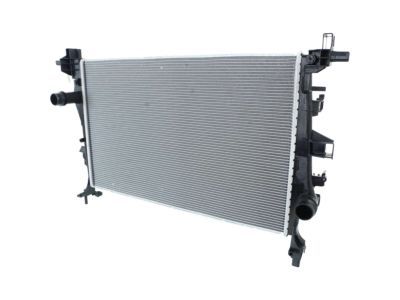
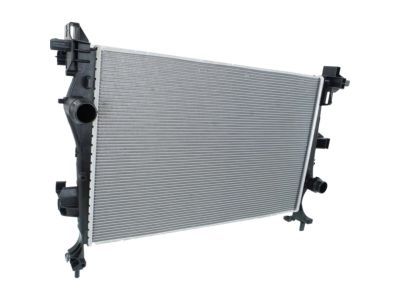
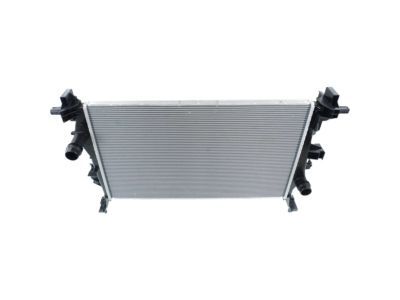
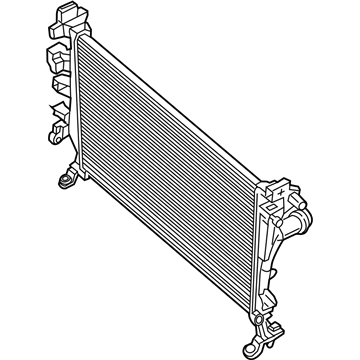
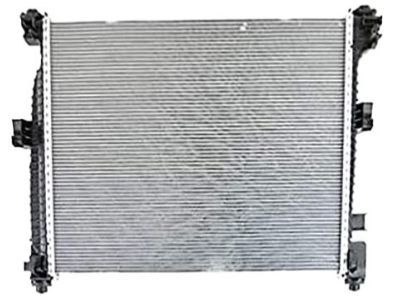
Jeep Radiator Part Number: 68260449AA
$199.89 MSRP: $299.00You Save: $99.11 (34%)Product Specifications- Other Name: Radiator - Engine Cooling; Radiator Engine Cooling
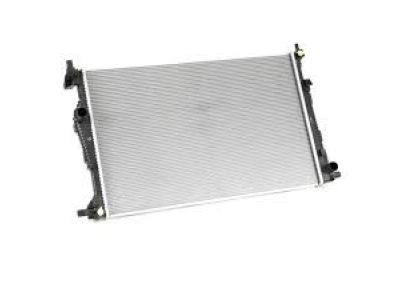
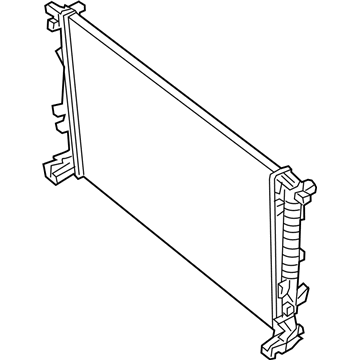
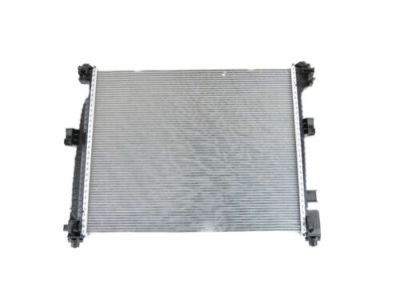
Jeep Radiator Part Number: 68525071AA
$250.84 MSRP: $379.00You Save: $128.16 (34%)Ships in 1-2 Business DaysProduct Specifications- Other Name: Radiator - Engine Cooling
- Replaces: 68291179AA
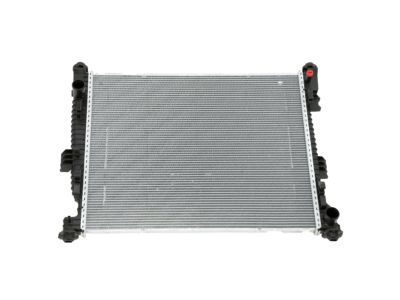
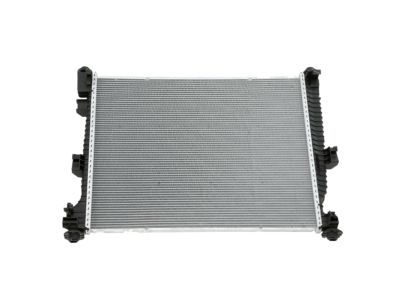
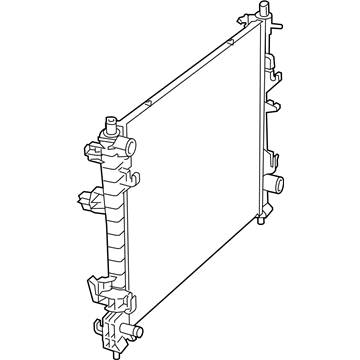
Jeep Radiator Part Number: 68244867AA
$331.50 MSRP: $502.00You Save: $170.50 (34%)Ships in 1-2 Business DaysProduct Specifications- Other Name: Radiator - Engine Cooling; Radiator Engine Cooling
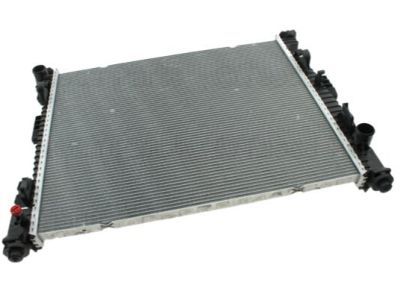
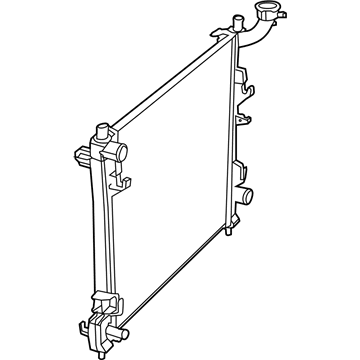
Jeep Radiator Part Number: 55038002AI
$332.61 MSRP: $502.00You Save: $169.39 (34%)Product Specifications- Other Name: Radiator - Engine Cooling
- Replaces: 55038002AH, 55038002AG
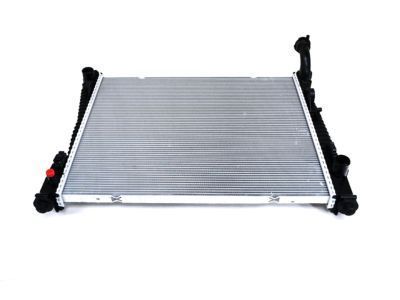
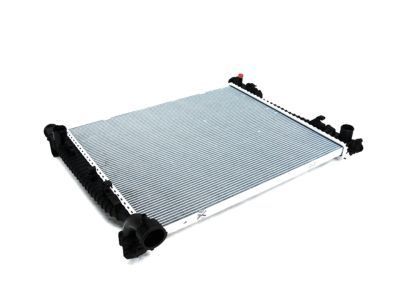
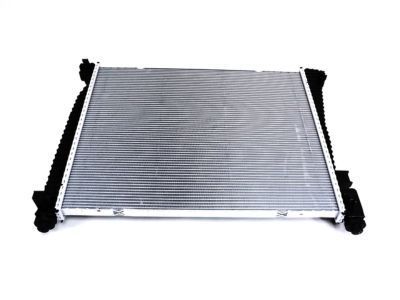
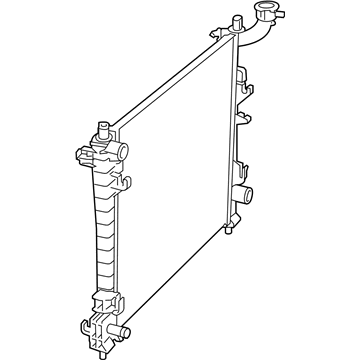
Jeep Radiator Part Number: 55038001AH
$558.03 MSRP: $845.00You Save: $286.97 (34%)Ships in 1-2 Business DaysProduct Specifications- Other Name: Radiator - Engine Cooling; Radiator Engine Cooling, 25 Pc Min Qty, Mixture And Match Pallet Program, Order at Mopar.com.
- Replaces: 55038001AG
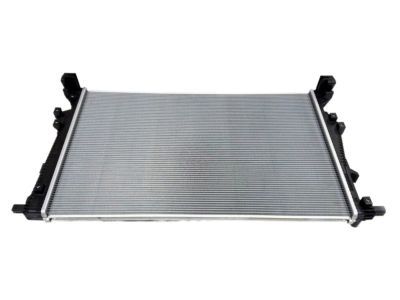
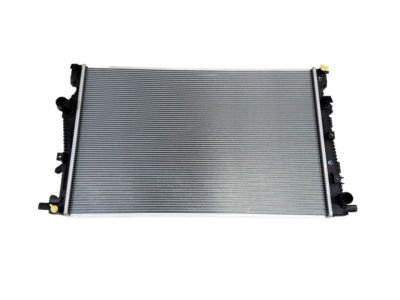
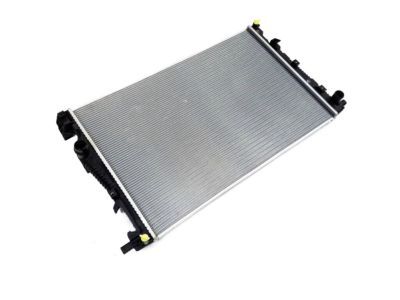
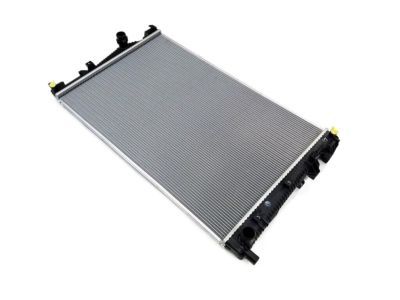
Jeep Radiator Part Number: 68197299AC
$235.37 MSRP: $355.00You Save: $119.63 (34%)Product Specifications- Other Name: Radiator - Engine Cooling; Radiator Engine Cooling
- Replaces: 68197299AA, 68197299AB
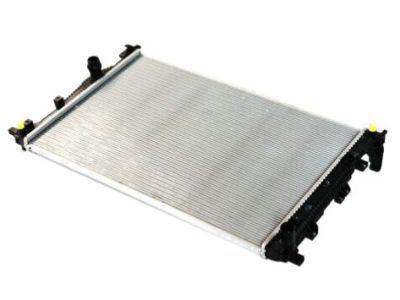
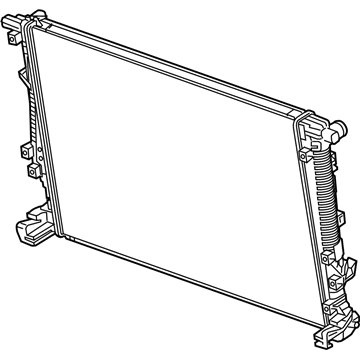
Jeep Radiator Part Number: 68291180AA
$244.21 MSRP: $369.00You Save: $124.79 (34%)Ships in 1-2 Business DaysProduct Specifications- Other Name: Radiator - Engine Cooling; Radiator Engine Cooling
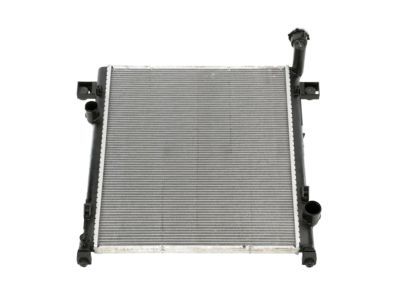
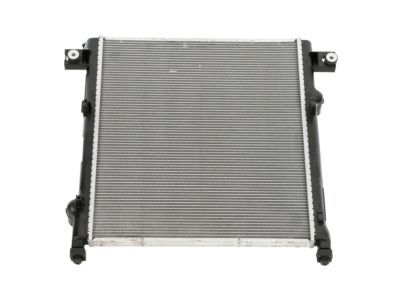
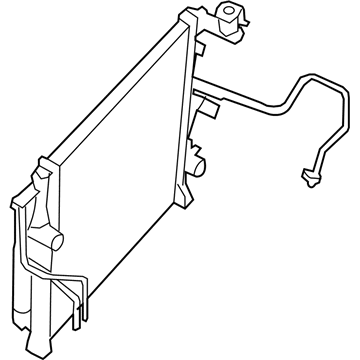

Jeep Radiator Part Number: 68033227AA
$260.78 MSRP: $392.00You Save: $131.22 (34%)Product Specifications- Other Name: Radiator - Engine Cooling; Radiator Engine Cooling, 25 Pc Min Qty, Mixture And Match Pallet Program Only, Order at Mopar.com
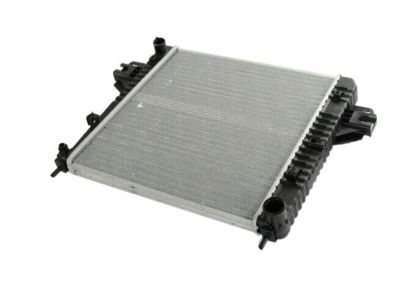

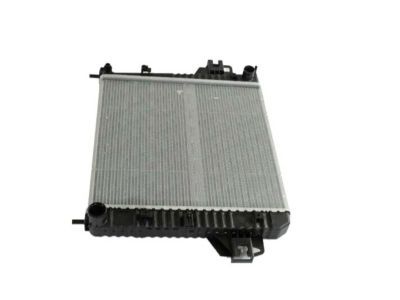
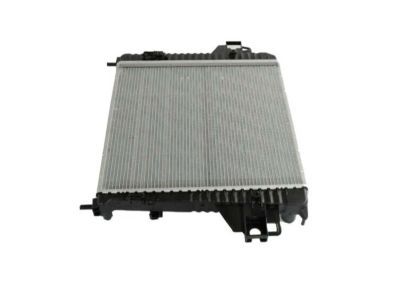
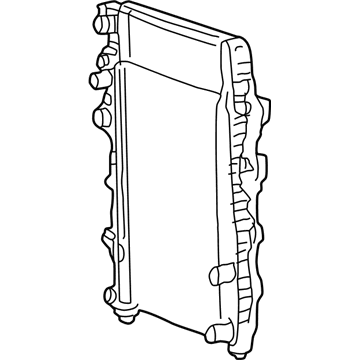
Jeep Radiator Part Number: 52080120AE
$134.76 MSRP: $200.67You Save: $65.91 (33%)Ships in 1-2 Business DaysProduct Specifications- Other Name: Radiator - Engine Cooling
- Replaces: 5174134AA, 52080120AC
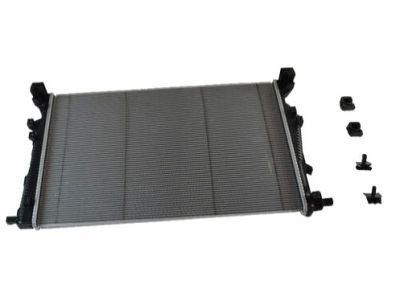
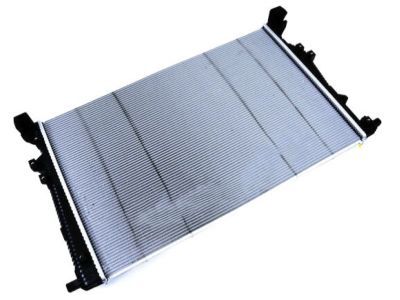
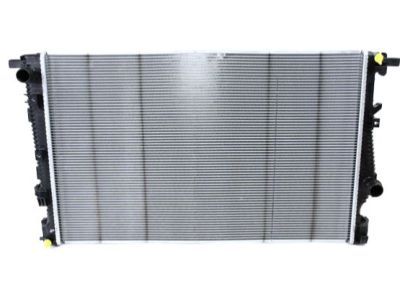
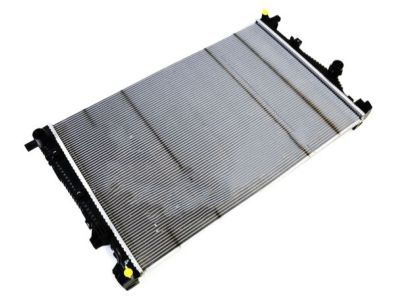
Jeep Radiator Part Number: 68229284AB
$267.41 MSRP: $404.00You Save: $136.59 (34%)Ships in 1-2 Business DaysProduct Specifications- Other Name: Radiator - Engine Cooling; Radiator Engine Cooling
- Replaces: 68229284AA, 68229284AC
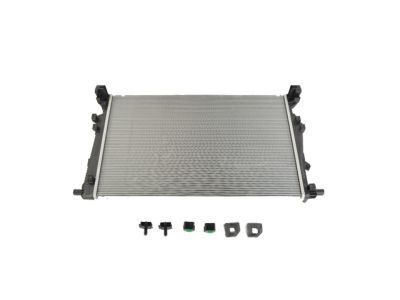
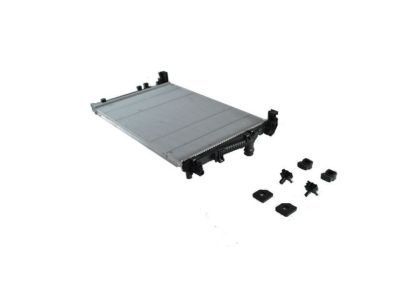
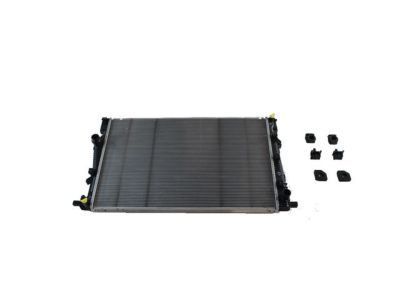
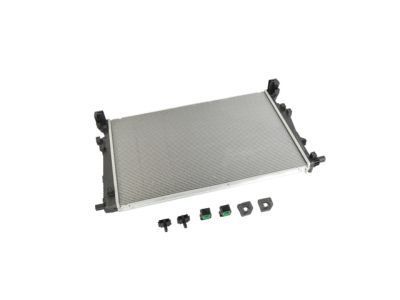
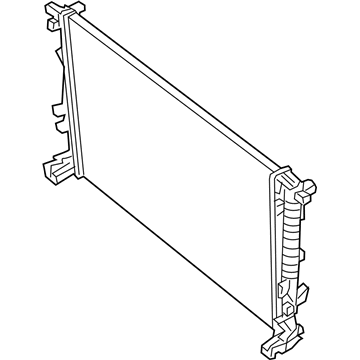
Jeep Radiator Part Number: 68284108AA
$270.73 MSRP: $409.00You Save: $138.27 (34%)Ships in 1-2 Business DaysProduct Specifications- Other Name: Radiator - Engine Cooling; Radiator Engine Cooling
- Replaces: 68229290AA, 68229290AB, 68229290AC
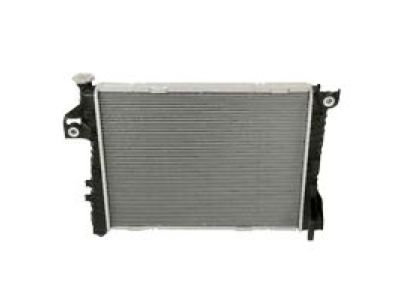
Jeep Radiator Part Number: 68291177AA
$278.46 MSRP: $421.00You Save: $142.54 (34%)Product Specifications- Other Name: Radiator - Engine Cooling; Radiator Engine Cooling
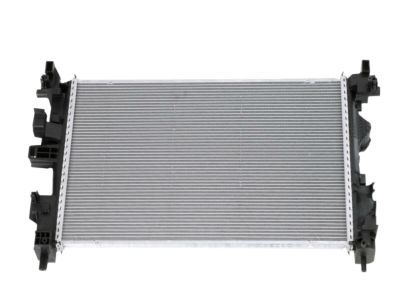
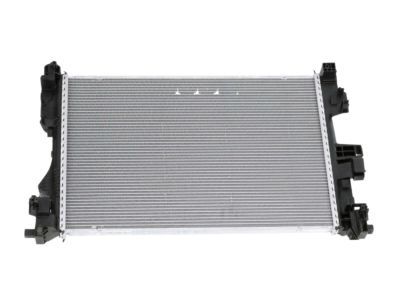
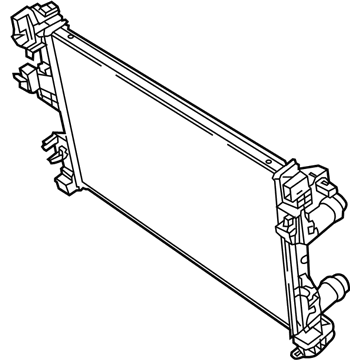
Jeep Radiator Part Number: 68273401AA
$289.51 MSRP: $437.00You Save: $147.49 (34%)Ships in 1-2 Business DaysProduct Specifications- Other Name: Radiator - Engine Cooling; Radiator Engine Cooling
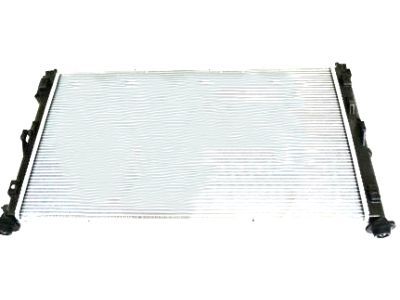
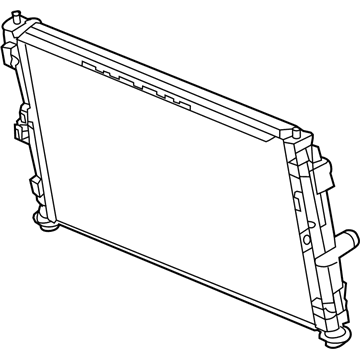
Jeep Radiator Part Number: 68004049AB
$290.62 MSRP: $439.00You Save: $148.38 (34%)Product Specifications- Other Name: Radiator - Engine Cooling; Radiator Engine Cooling, 25 Pc Min Qty, Mixture And Match Pallet Program, Order at Mopar.com.
- Replaces: 68004049AA
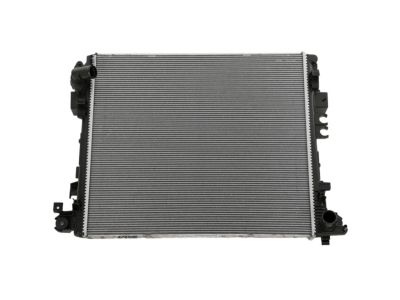
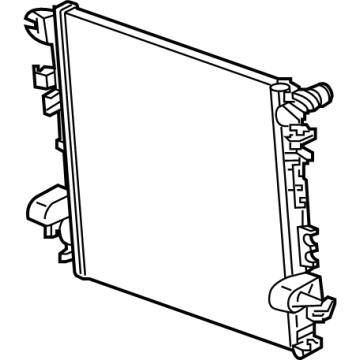
Jeep Radiator, Front Part Number: 68314786AC
$295.04 MSRP: $445.00You Save: $149.96 (34%)Ships in 1-2 Business DaysProduct Specifications- Other Name: Radiator - Engine Cooling; Radiator, Front; Radiator Engine Cooling
- Position: Front
- Replaces: 68314786AB, 68314786AA
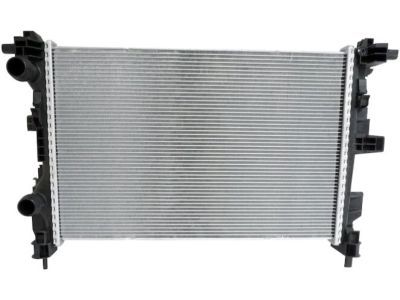
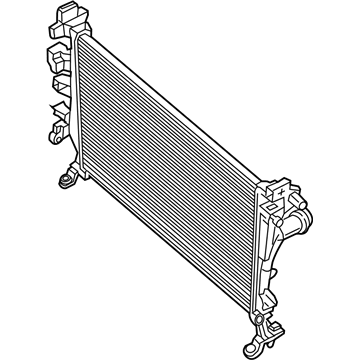
Jeep Radiator Part Number: 68247208AA
$374.60 MSRP: $564.00You Save: $189.40 (34%)Ships in 1-2 Business DaysProduct Specifications- Other Name: Radiator - Engine Cooling; Radiator Engine Cooling
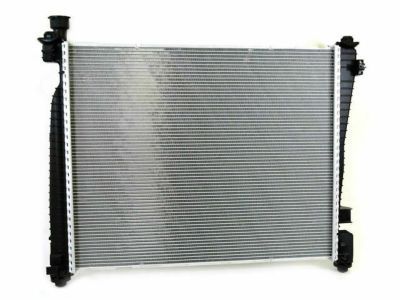
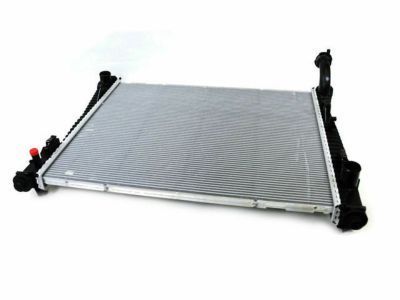
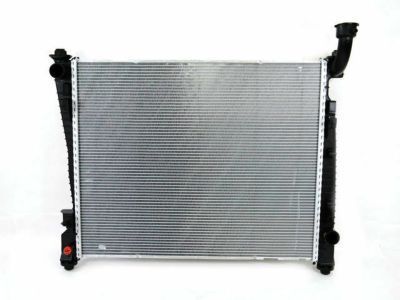
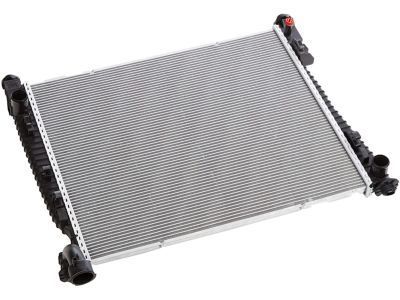
Jeep Radiator Part Number: 52014529AB
$423.22 MSRP: $641.00You Save: $217.78 (34%)Product Specifications- Other Name: Radiator - Engine Cooling; Radiator Engine Cooling, 25 Pc Min Qty, Mixture And Match Pallet Program, Order at Mopar.com.
- Replaces: 55038185AE
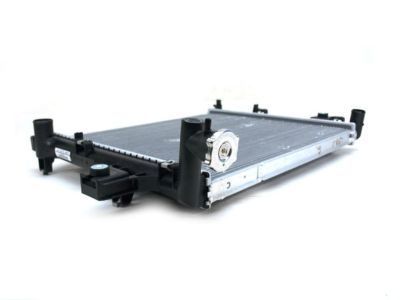
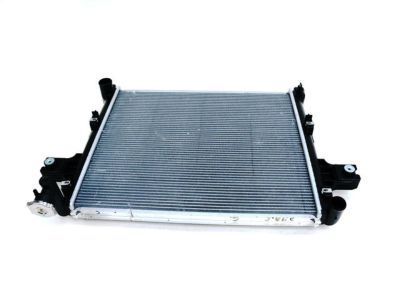
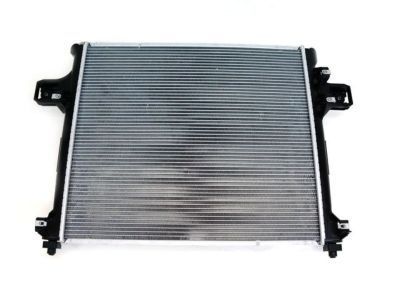
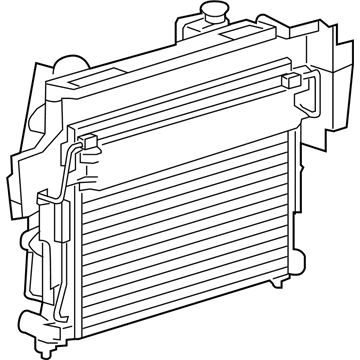
Jeep Radiator Part Number: 55116842AB
$297.98 MSRP: $438.00You Save: $140.02 (32%)Product Specifications- Other Name: Radiator - Engine Cooling; Radiator Engine Cooling, 25 Pc Min Qty, Mixture And Match Pallet Program, Order at Mopar.com.
| Page 1 of 5 |Next >
1-20 of 90 Results
Jeep Radiator
OEM parts sourced directly from Jeep deliver superior quality, long lasting strength, and a precise fit you can trust. Each item goes through strict quality checks to ensure safety, toughness, and performance that matches your factory equipment. At JeepPartsDeal online shop, you'll get top-quality, budget-friendly OEM Jeep Radiator for your vehicle. We focus on giving you a high standard without pushing up the price. Our full selection of genuine factory products comes backed by the original manufacturer's warranty. You'll love our fast delivery, seamless shopping experience, and convenient return policy, saving you all the hassle.
Jeep Radiator ensures the engine heat is maintained to make trails fun and breakdowns exceptional. Jeep is all about roughness, wide open scenery and the type of transmission that complains about sand or snow or mud, even when it has gone miles over a washboard. Since the 1945 civilian prototype until the current touchscreen-equipped models, Jeep maintains the spirit of adventure without ever pursuing luxury as an end. The iconic Selec-Terrain dial allows drivers to switch between rock and highway without a fuss; hence Jeep provokes confidence instead of taking the long and careful route and makes rough terrain their playground. Community is in the blood; the owners nod on the road and exchange trail tips because Jeep makes machines that welcome communal tales, outing plans, and last minute reroutes. The Radiator is hidden behind the grille and flings the heat away coolant coming back on a working engine. Many models incorporate an aluminum core that is bonded to either plastic or aluminum tanks, and broad tubes as well as thick fins allow the Radiator to shed the calories much more quickly than a stock steel ever could as the revs climb over many hours. A Radiator leak is unwarranted waste of both coolant and power; hence a replacement with a contemporary performance unit that has larger cores will put the cool back in the mix. The Radiator easily fits into the factory position and complements the high-output water pumps, making it easy to upgrade the whole line without the wrench-throwing spectacles.
Jeep Radiator Parts and Q&A
- Q:How to Prevent Overheating When Installing a Radiator or A/C Condenser on Jeep Wrangler?A:Do not install the radiator or A/C condenser until you are sure the rubber air seals are in place, as they protect the engine against overheating. Put the two radiator alignment dowels through the rubber grommts in the lower radiator crossmember and tighten the bolts to 8 Nm (70 in. lbs.). After that, put the combination A/C condenser/transmission oil cooler in the J-clips and attach the bolts with 8 Nm (70 in. lbs.) of pressure. Fit the tapping block in place and attach the mounting bolt, tighten it to 8 Nm (70 in. lbs.) and then repeat with the horn. After you install the electric cooling fan, fit in the lower radiator seal and the upper radiator seal-in that order. Fit the front grill, join the radiator hoses and secure them all with hose clamps, after that, put in the coolant recovery tank. Add the allowed coolant into the cooling system, attach the battery negative cable, start the engine and scan for any leaks.
- Q:How to Properly Install a Radiator to Prevent Overheating on Jeep Grand Cherokee?A:Before fitting the radiator or A/C condenser, check and tighten the rubber air seals between the radiator and body and between the radiator and A/C condenser, to ensure they prevent engine overheating. When the A/C system is used, first lift out the shroud and drop the radiator into place, steering the two alignment dowels through the air seals, then through the A/C brackets and finally through the grommets in the lower radiator crossmember. The places where holes appear in the L-shaped brackets on the condenser should fall between the bottom of the air seals and the top of the grommets. Join the hoses at the radiator by clamping the upper and lower ones with the clamps, making sure the back of the clamps is pointing down. Place the coolant reserve/overflow tank hose onto the radiator and link both transmission cooler lines. Mount both radiator bolts, install the air inlet duct on the grille and attach an electric connector for the hydraulic fan control solenoid. Put the grille in place and link the two main hydraulic lines from the system to the fan drive, tightening them with 49 Nm (36 ft. lbs.), for the 1/2 inch fitting and 29 Nm (21 ft. lbs.), for the 3/8 inch fitting. Connect the low-pressure hose to the hydraulic fan drive, fasten the spring clamp during installation and attach the power steering filter hoses to the filter with new hose clamps. Turn the blades on the fan by hand while checking for problems near the fan shroud, then top off the cooling and power steering fluids and get rid of any air in the lines. After that, link the battery cable and start the engine, maintaining its temperature while observing for leaks.
Related Jeep Parts
 Jeep Thermostat
 Jeep Water Pump
 Jeep Fan Motor
 Jeep Radiator Support
 Jeep Water Pump Pulley
 Jeep A/C Idler Pulley
 Jeep Coolant Pipe
 Jeep Cooling Fan Assembly
 Jeep Cooling Hose
 Jeep Idler Pulley Bolt
 Jeep Transmission Oil Cooler Hose
 Jeep V-Belt