JeepParts
My Garage
My Account
Cart
OEM 2003 Dodge Durango Fuel Rail
Engine Fuel Rail- Select Vehicle by Model
- Select Vehicle by VIN
Select Vehicle by Model
orMake
Model
Year
Select Vehicle by VIN
For the most accurate results, select vehicle by your VIN (Vehicle Identification Number).
2 Fuel Rails found
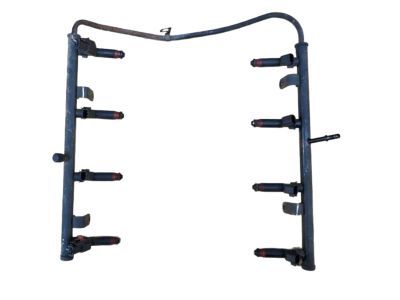
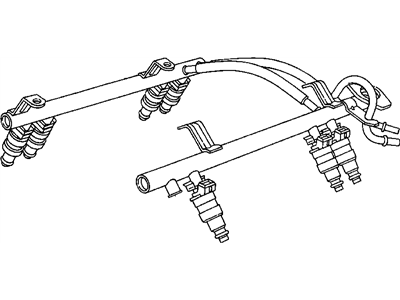
2003 Dodge Durango Fuel Rail Part Number: 53030848AC
Product Specifications- Other Name: Rail - Fuel; Rail Fuel
- Replaces: 53030848AB
- Item Weight: 5.60 Pounds
- Item Dimensions: 21.7 x 21.1 x 8.6 inches
- Condition: New
- Fitment Type: Direct Replacement
- SKU: 53030848AC
- Warranty: This genuine part is guaranteed by Mopar's factory warranty.
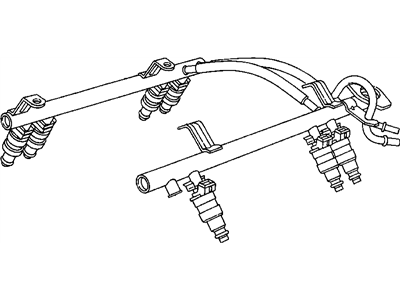
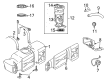
2003 Dodge Durango Fuel Rail Part Number: 53030598AC
Product Specifications- Other Name: Rail - Fuel
- Replaces: 53030598AB
- Item Weight: 0.60 Pounds
- Item Dimensions: 23.1 x 6.6 x 6.8 inches
- Condition: New
- Fitment Type: Direct Replacement
- SKU: 53030598AC
- Warranty: This genuine part is guaranteed by Mopar's factory warranty.
2003 Dodge Durango Fuel Rail Parts and Q&A
- Q: How to Service and Repair a Fuel Rail on 2003 Dodge Durango?A: Before servicing the fuel rail, make sure that the fuel system pressure is relieved, because it stays under pressure at all times, even when the engine is not running. Remove the left and right fuel rails as a set; do not undo them at the connecting tube, as some tubing is not supported by clamps and don't bend or kink the tube during this step. Before you start, take off the fuel tank filler tube cap and perform the fuel system pressure release procedure. Take out the negative battery cable, undo the air duct and air box attached to the throttle body and remove the wiring behind the generator. Disconnect the fuel line latch clip and fuel line at the fuel rail by using a special tool. Take off the vacuum lines at the throttle body, then disconnect the electricity at all eight fuel injectors after pressing the slider and releasing the tab on each one. Disconnect the electrical wires at the throttle body, MAP and IAT sensors. Take out the first three ignition coils from each bank first and afterward unbolt the four fuel rail mounting bolts. Rock gently and pull the left section of the fuel rail until you can see that the injectors have cleared the machined holes and then turn to the right side until all have cleared the holes. Remove the entire tube unit that includes all the injectors. Should you install fuel injectors, put a tiny bit of engine oil on each O-ring beforehand. Place the fuel rail/fuel injector in the holes you made in the cylinder head and move each injector so you do not damage the O-rings. Push down gently in the middle of the fuel rail until the injectors sit on the cylinder head shoulder, then install the four round mounts and tighten them by hand to 27 Nm (20 ft. lbs.). First, join the electrical wires to the ignition coils, then connect the other wires to the throttle body, MAP, IAT sensors and all fuel injectors. Slot in the vacuum lines, latch clip for the fuel line and reattach the generator wires at the rear. Afterward, put on the air box and air duct, plug in the battery cable once more and start the engine to look for any leaks.
Related 2003 Dodge Durango Parts
 2003 Dodge Durango Air Filter
 2003 Dodge Durango Gas Cap
 2003 Dodge Durango Fuel Filter
 2003 Dodge Durango Fuel Injector
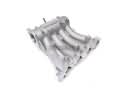 2003 Dodge Durango Intake Manifold
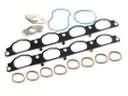 2003 Dodge Durango Intake Manifold Gasket
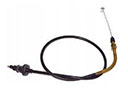 2003 Dodge Durango Accelerator Cable
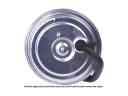 2003 Dodge Durango Cruise Control Servo
 2003 Dodge Durango Fuel Pump Seal
 2003 Dodge Durango Fuel Sending Unit
 2003 Dodge Durango Fuel Tank Strap
 2003 Dodge Durango Idle Control Valve