JeepParts
My Garage
My Account
Cart
OEM 2005 Dodge Neon Wheel Cylinder
Brake Wheel Cylinder- Select Vehicle by Model
- Select Vehicle by VIN
Select Vehicle by Model
orMake
Model
Year
Select Vehicle by VIN
For the most accurate results, select vehicle by your VIN (Vehicle Identification Number).
1 Wheel Cylinder found
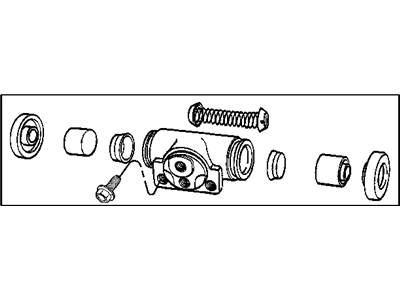
2005 Dodge Neon Wheel Cylinder Part Number: 5014425AB
Product Specifications- Other Name: Wheel Cylinder - Wheel
- Replaces: 5014425AA
- Item Weight: 1.20 Pounds
- Item Dimensions: 2.9 x 2.7 x 1.8 inches
- Condition: New
- Fitment Type: Direct Replacement
- SKU: 5014425AB
- Warranty: This genuine part is guaranteed by Mopar's factory warranty.
2005 Dodge Neon Wheel Cylinder Parts and Q&A
- Q: How to Service and Repair Wheel Cylinders for Drum Brakes on 2005 Dodge Neon?A: To work on wheel cylinders for drum brakes, use a brake pedal holder to press the pedal down past an inch, holding it to make sure the master cylinder and brake fluid are not affected. Raise the vehicle and simply remove the rear tire and wheel from the hub. Cut the rear brake link free from the wheel cylinder and take out the rear brake drum. If there's grease or brake fluid on the rear brake shoes, detach them from the brake support plate and replace them, keeping them separate. After removing the attaching bolts, take out the brake wheel cylinder from the brake support plate. Once the brake drums are off, examine the wheel cylinder boots; if there are any signs of brake fluid, cuts, tears or heat cracks, check the wheel cylinders, clean them up and put in new parts. If a wheel cylinder is leaking and the brake lining has absorbed brake fluid, it is time to replace the brake shoes. While installing, place a fresh O-ring on the joining part of the wheel cylinder and brake support plate, lining up the wheel cylinder with the brake assembly square. Put the wheel cylinder onto the brake support plate, using 13 Nm (115 inch lbs.) for the torque on the attaching bolts. Fasten the tube fitting for the rear brake flex hose to the wheel cylinder and turn the nut until it reaches 17 Nm (145 inch lbs.). Replace the rear brake shoes as needed on the brake support plate and following that, place the rear brake drum onto the rear hub. Secure the tire and wheel assembly into the vehicle and tighten the wheel nuts to 135 Nm or 100 ft. lbs. Adjust the brakes in the back, lower the car, remove the brake pedal holder and bleed the wheel cylinder when required. Make sure to take the car on the road to check how the brakes behave.
Related 2005 Dodge Neon Parts
 2005 Dodge Neon Brake Caliper
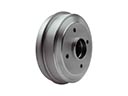 2005 Dodge Neon Brake Drum
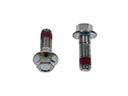 2005 Dodge Neon Brake Caliper Bolt
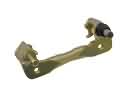 2005 Dodge Neon Brake Caliper Bracket
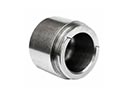 2005 Dodge Neon Brake Caliper Piston
 2005 Dodge Neon Brake Disc
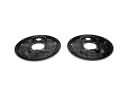 2005 Dodge Neon Brake Dust Shield
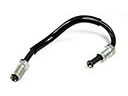 2005 Dodge Neon Brake Line
 2005 Dodge Neon Brake Pad
 2005 Dodge Neon Hydraulic Hose
 2005 Dodge Neon Wheel Bearing Dust Cap
 2005 Dodge Neon Wheel Stud