JeepParts
My Garage
My Account
Cart
OEM 2010 Dodge Challenger Parking Brake Cable
Emergency Parking Brake Release Cable- Select Vehicle by Model
- Select Vehicle by VIN
Select Vehicle by Model
orMake
Model
Year
Select Vehicle by VIN
For the most accurate results, select vehicle by your VIN (Vehicle Identification Number).
2 Parking Brake Cables found
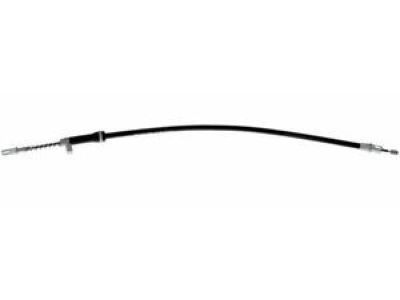
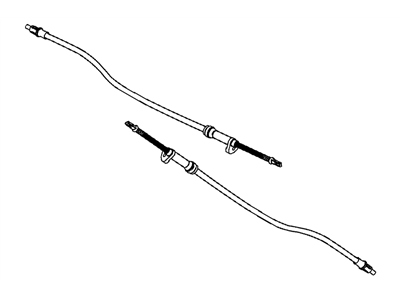
2010 Dodge Challenger Rear Cable Part Number: 4779592AF
$28.69 MSRP: $42.80You Save: $14.11 (33%)Product Specifications- Other Name: Cable - Parking Brake; Brake Cable; Cable Parking Brake
- Replaces: 4779592AD, 4779592AB, 4779592AC, 4779592AE
- Item Weight: 1.00 Pounds
- Item Dimensions: 32.8 x 1.8 x 0.8 inches
- Condition: New
- Fitment Type: Direct Replacement
- SKU: 4779592AF
- Warranty: This genuine part is guaranteed by Mopar's factory warranty.
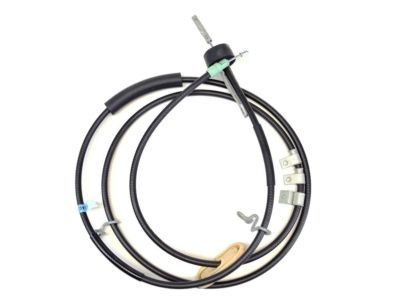
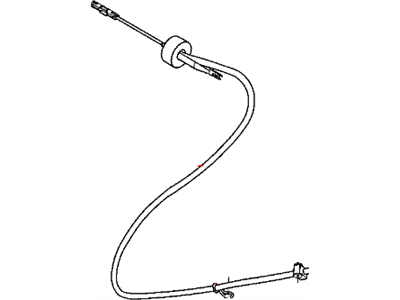
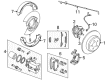
2010 Dodge Challenger Front Cable Part Number: 4779591AC
Product Specifications- Other Name: Cable - Parking Brake; Brake Cable; Cable Parking Brake
- Item Weight: 3.00 Pounds
- Item Dimensions: 14.1 x 14.1 x 2.1 inches
- Condition: New
- Fitment Type: Direct Replacement
- SKU: 4779591AC
- Warranty: This genuine part is guaranteed by Mopar's factory warranty.
2010 Dodge Challenger Parking Brake Cable Parts and Q&A
- Q: How is the Parking Brake Cable Installed on 2010 Dodge Challenger?A: To mount the parking brake cable, pass it down through the floor pan and place the parking brake cable grommet (2) inside the hole you made earlier (3). After that, lift the cable strand (3) through the lever bracket and push the retainer (4) into the bracket so the retainer catches and keeps the cable held tightly. Insert the end of the front parking brake cable strand (1) into the connector (2) that is bolted to the retaining fork. After the strand seat is flush against the connector, lift the connector out of the fork using pliers so the lever can take up any loop in the cable. Replace the carpet, set the retaining clip under the door and then put the driver door opening sill scuff plate and cowl side trim in. Secure and hold the vehicle in place, add screw (6) and install routing clip (4) nuts for cable (7) underneath the car body (3). Start by guiding the cable over the rear crossmember, then push the cable end and its housing (both part of the connector) up through the equalizer above the differential. Service to the parking brake can be done without locking the parking brake lever, as the movement is short and the spring tension is low. Secure the front parking brake cable to connector (3) which goes to the right rear parking brake cable. Attach screw (2) to the back end of cable (1) routing bracket and screw it to crossmember front flange (3). Place the lower rear wheelhouse shield (3) behind the rear wheel, attach nuts (1), bolt (2) and push-pins (4) and tighten the securely. Drive the vehicle under the lift until the back wheels are just above the floor, apply the parking brake lever, release it, then press it again. Hold down the parking brake and try to move the rear wheels by turning the car from side to side. Especially for uphill parking, apply the parking brake after parking and then lower the vehicle.
Related 2010 Dodge Challenger Parts
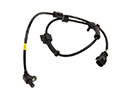 2010 Dodge Challenger Speed Sensor
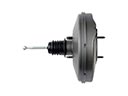 2010 Dodge Challenger Brake Booster
 2010 Dodge Challenger Brake Caliper
 2010 Dodge Challenger Brake Caliper Bracket
 2010 Dodge Challenger Brake Disc
 2010 Dodge Challenger Brake Line
 2010 Dodge Challenger Brake Master Cylinder
 2010 Dodge Challenger Brake Pad
 2010 Dodge Challenger Hydraulic Hose
 2010 Dodge Challenger Parking Brake Shoe
 2010 Dodge Challenger Wheel Stud
 2010 Dodge Challenger Yaw Sensor