JeepParts
My Garage
My Account
Cart
OEM Chrysler Aspen Spark Plug
Ignition Spark Plug- Select Vehicle by Model
- Select Vehicle by VIN
Select Vehicle by Model
orMake
Model
Year
Select Vehicle by VIN
For the most accurate results, select vehicle by your VIN (Vehicle Identification Number).
5 Spark Plugs found
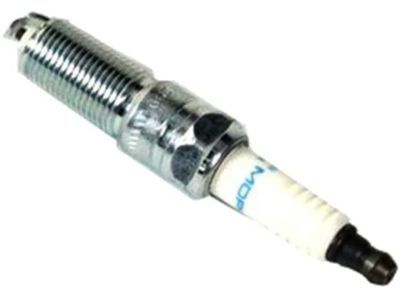
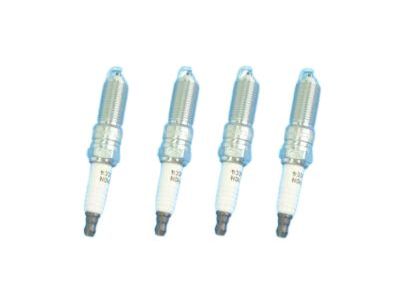
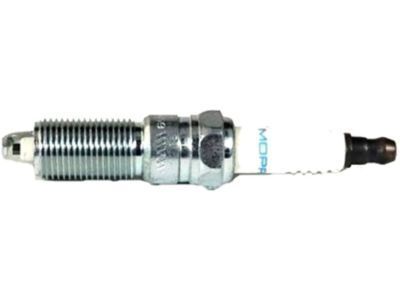
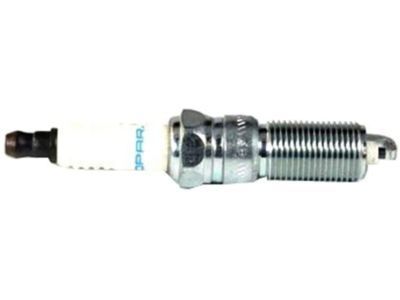
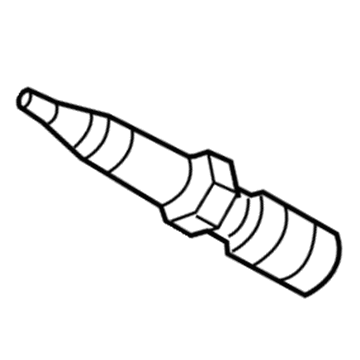
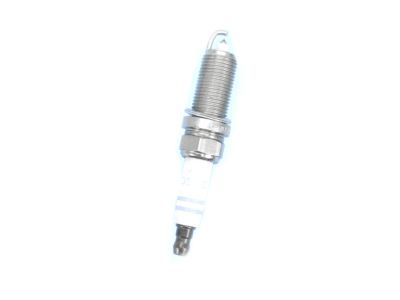
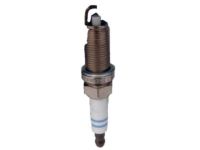
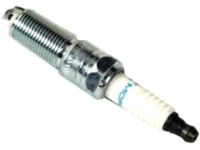
Chrysler Aspen Spark Plug Part Number: 68303913AA
$11.40 MSRP: $16.70You Save: $5.30 (32%)Ships in 1-2 Business Days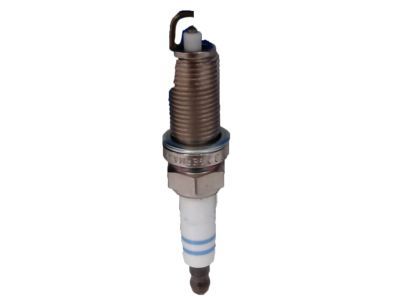
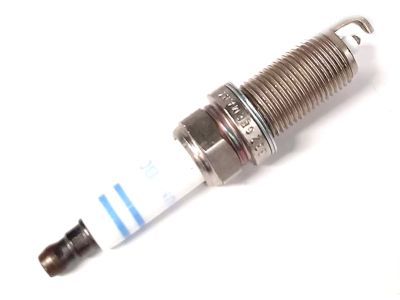
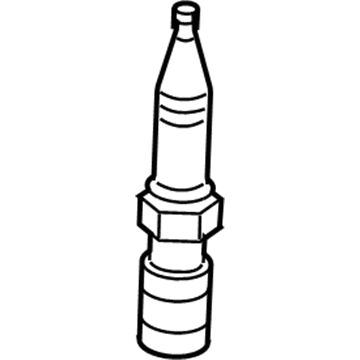
Chrysler Aspen Spark Plug Part Number: SPFR8TI332
$12.54 MSRP: $18.35You Save: $5.81 (32%)Ships in 1-2 Business Days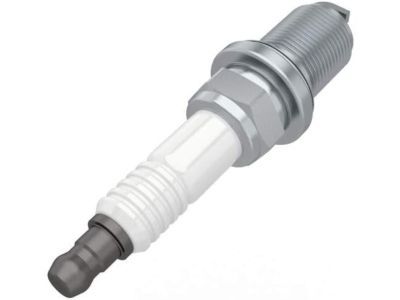
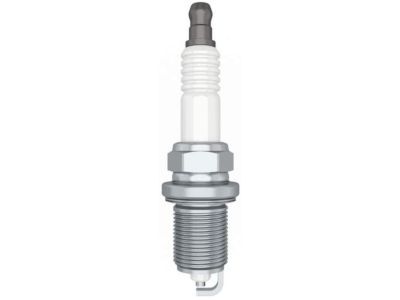
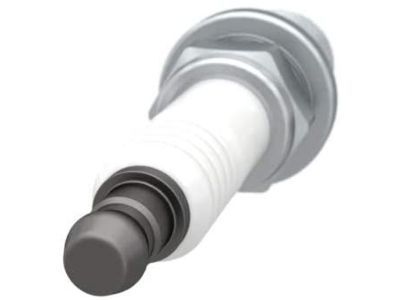
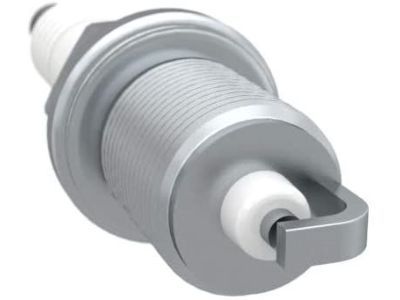
Chrysler Aspen Spark Plug Part Number: 68303918AA
$12.54 MSRP: $18.35You Save: $5.81 (32%)Ships in 1-2 Business Days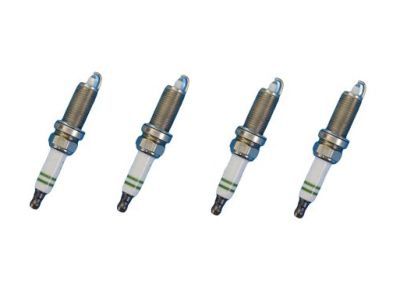
Chrysler Aspen Spark Plug Part Number: SPFR8TE2AA
$14.57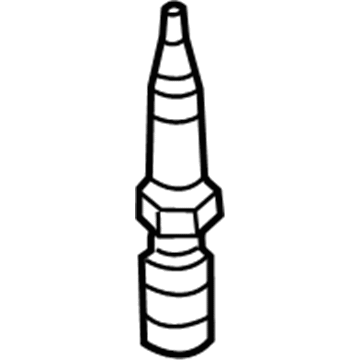
Chrysler Aspen Spark Plug Part Number: SPLZFR5B13
$1.51 MSRP: $20.95You Save: $19.44 (93%)
Chrysler Aspen Spark Plug
Choose OEM Spark Plug that meet Chrysler factory standards. Chrysler designs and tests every component for precision and durability. Each Spark Plug follows strict manufacturing steps to lock in quality and fit. If your Chrysler Aspen matters to you, OEM parts make the smart choice. You'll get the exact look, feel, and performance you expect. Shop genuine Aspen parts at the highly competitive prices online. Enjoy a manufacturer's warranty, a hassle-free return policy, and rapid delivery. No more guesswork with off brands. Get genuine parts with exact fit and true factory performance. Shop with confidence today at JeepPartsDeal.com.
Chrysler Aspen Spark Plug Parts and Q&A
- Q:What are the key considerations for installing and maintaining Spark Plug(s) in this engine on Chrysler Aspen?A:This engine uses two different types of spark plugs, totaling 16 plugs mounted in two rows: the upper row on the intake valve side of the cylinder head uses Bosch Nickel Yttrium plugs, while the lower row on the exhaust valve side uses Bosch Iridium plugs, and these plugs must not be interchanged. Never use a motorized wire wheel brush to clean spark plugs, as metallic deposits can cause misfires, and do not attempt to clean any spark plugs; they should be replaced only. To assist with coil installation, apply silicone-based grease, such as Mopar(R) Dielectric Grease, to the spark plug ends of rubber boots and the tops of the spark plugs. Two different spark plug gaps are used, so check and adjust the gaps with a plug gap gauging tool. Avoid dropping spark plugs into the plug wells to prevent electrode damage, and install them into the cylinder head by hand to avoid cross-threading. Always tighten spark plugs to the specified torque, as certain engines use torque-sensitive spark plugs, and over-tightening can distort the plugs or crack the porcelain insulator. Due to tight clearances between the upper row of plugs and the cylinder head, a deep, thin-wall 5/8" spark plug socket must be used for removal and installation. After tightening the spark plugs to the specified torque, install the ignition coils and then the necessary air filter tubing and air intake components to the top of the engine and to the throttle body.
- Q:How to access and remove the Spark Plug located beneath its ignition coil on Chrysler Aspen?A:To reach each spark plug, the ignition coil needs to be removed since it is located underneath its designated ignition coil. Commence by detaching the air filter tube at the throttle body. Before removing the ignition coil, be sure to spray compressed air around the coil base at the cylinder head. Besides, spray some compressed air into the cylinder head opening, before removing the spark plug so nothing enters the combustion chamber. Utilize a high-quality socket fitted with a rubber or foam insert to extract the spark plug from the cylinder head. Furthermore, check the state of the O-ring on the ignition coil and replace it if necessary. Ultimately, check the state of the spark plug.
Related Chrysler Aspen Parts
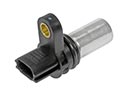 Chrysler Aspen Camshaft Position Sensor
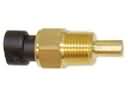 Chrysler Aspen Coolant Temperature Sensor
 Chrysler Aspen Crankshaft Position Sensor
 Chrysler Aspen Igniter
 Chrysler Aspen Ignition Control Module
 Chrysler Aspen Ignition Lock Assembly
 Chrysler Aspen Ignition Lock Cylinder
 Chrysler Aspen Intake Manifold Temperature Sensor
 Chrysler Aspen Knock Sensor
 Chrysler Aspen MAP Sensor
 Chrysler Aspen Oxygen Sensor
 Chrysler Aspen Throttle Position Sensor