JeepParts
My Garage
My Account
Cart
OEM Chrysler Pacifica A/C Condenser
Air Conditioning Condenser- Select Vehicle by Model
- Select Vehicle by VIN
Select Vehicle by Model
orMake
Model
Year
Select Vehicle by VIN
For the most accurate results, select vehicle by your VIN (Vehicle Identification Number).
4 A/C Condensers found
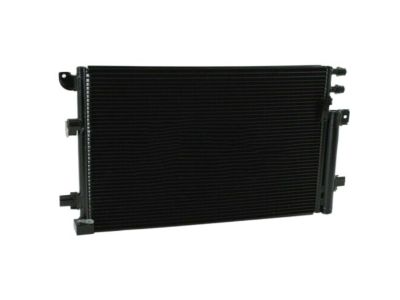
Chrysler Pacifica Condenser Part Number: 68002779AA
$376.81 MSRP: $570.00You Save: $193.19 (34%)Ships in 1-2 Business Days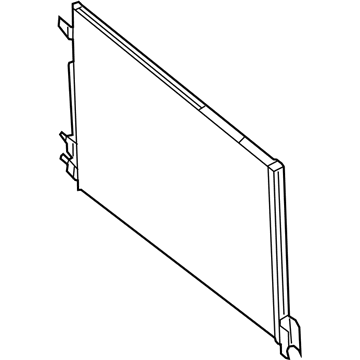
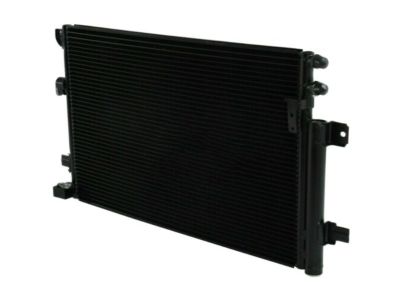
Chrysler Pacifica Condenser Part Number: 68339992AB
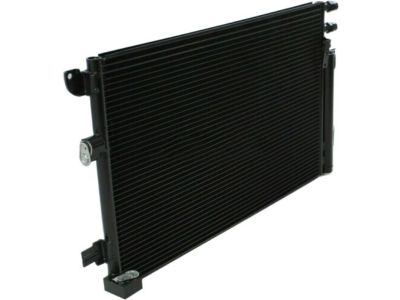
$317.14 MSRP: $480.00You Save: $162.86 (34%)Ships in 1-2 Business DaysChrysler Pacifica Condenser Part Number: 68217320AB
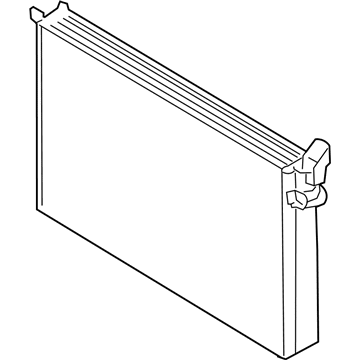
$162.02 MSRP: $240.00You Save: $77.98 (33%)Ships in 1-3 Business DaysChrysler Pacifica Condenser Part Number: 5102434AC
Chrysler Pacifica A/C Condenser
Choose OEM A/C Condenser that meet Chrysler factory standards. Chrysler designs and tests every component for precision and durability. Each A/C Condenser follows strict manufacturing steps to lock in quality and fit. If your Chrysler Pacifica matters to you, OEM parts make the smart choice. You'll get the exact look, feel, and performance you expect. Shop genuine Pacifica parts at the highly competitive prices online. Enjoy a manufacturer's warranty, a hassle-free return policy, and rapid delivery. No more guesswork with off brands. Get genuine parts with exact fit and true factory performance. Shop with confidence today at JeepPartsDeal.com.
Chrysler Pacifica A/C Condenser is a confirmed component that is highly praised for its work and is an essential part of the climate control system of the vehicle. Placed before the radiator, The A/C Condenser ensures that the gaseous refrigerant is cooled to the liquid state, before it reaches the accumulator. This process is critical for the comfort of the cabin's inhabitants, as the outside conditions are often irrelevant for the passengers' thermal comfort. The Chrysler Pacifica A/C Condenser fits different models of the car manufacturer's Pacifica range; the device is built with an emphasis on the effective use of the refrigerant. This compatibility improves on the overall performance as well as durability of the Chrysler Pacifica since proper functioning of the A/C Condenser is critical in facilitating proper air conditioning in the car's cabin. However it is noted that Chrysler Pacifica A/C Condenser is little differentiated in the automotive market not only with its durably built construction but also with aspects related to its performance in the face of different driving conditions. In this respect, its design also exploits the least amount of leakage or failure, regardless of the existing conditions, which in turn consolidates its reliability. According to the premier minivan of 2016 awards and the 2020 premier family car awards, the Chrysler brand has proved to be loyal with the production of their fleet vehicles especially the Chrysler Pacifica with our brilliant A/C Condenser.
Chrysler Pacifica A/C Condenser Parts and Q&A
- Q:How to Properly Prepare to Remove an A/C Condenser on Chrysler Pacifica?A:Do not remove the A/C condenser until you know where all the radiator and condenser seals are, as they direct air to the designed areas. Don't forget to drain the air conditioning refrigerant from the system, then remove the front fascia. After that, remove the four radiator sight shield retaining pins and the radiator sight shield and also take out the radiator air seal retaining pins and the two air seals. Save the screw location on the upper radiator crossmember for later and take out the bolts holding the Hood Latch. Set the latch aside for now. Unscrew the four bolts keeping the transmission fluid oil cooler connected to the A/C condenser and put the fluid cooler on the side for now. Eliminate the nuts securing the discharge and liquid lines on the A/C condenser and take out any O-ring seals or gaskets they cover. Cover the open refrigerant fittings and condenser ports with plugs or tape and unscrew the bolts that hold the A/C condenser to the radiator. Take out the A/C condenser and break the bottom brackets that hold it to the radiator, then remove the condenser from the car engine. While exchanging the A/C condenser, add 30 milliliters of refrigerant oil made for the type of compressor in use, to the system. Replace every radiator and condenser air seal in the right place in the system. Set the A/C condenser inside the engine compartment, secure the lower brackets to the radiator and bolt the condenser firmly to the radiator, using 5 N.m. With the tape or plug removed from the opened refrigerant line fittings and condenser ports, install a new rubber O-ring seal coated with clean refrigerant oil on the newly added gasket to the discharge and liquid line fittings. Secure the discharge and liquid lines to the A/C condenser, screw the nuts on until you reach 23 N.m. fit the transmission fluid oil cooler onto the condenser and use 5 N.m of torque on all the retaining bolts. Next, place the hood latch in front of the upper radiator frame for now, put in the two bolts loosely, check and adjust and then secure them with 14 N.m torque. Then, place the radiator air seals, attach the retaining pins, do the same for Evacuate the systems and add the new refrigerant to finish the job.
- Q:How to Maintain the A/C Condenser to Prevent Compressor Damage and Ensure Proper Installation on Chrysler Pacifica?A:In order to safeguard the compressor from harm, adjust the refrigerant oil in the A/C system during all service appointments. When just changing the A/C condenser, include 60 milliliters (2 fluid ounces) of the suggested refrigerant oil. When you open a refrigerant line, always put new O-ring seals and gaskets in place so there aren't any leaks. Place the A/C condenser above and into the engine bay, then join the lower condenser brackets to the radiator's mounting tabs. Take out all tape or plugs from the connection ports on the refrigerant line and the condenser. Apply refrigerant oil to a new rubber O-ring seal and put it on the fitting, also adding a new gasket. Then secure the A/C liquid line to the condenser and tighten the nut to 23 Nm (17 ft. lbs.). Place a bolt through the A/C condenser and tighten it to 5 Nm (45 in. lbs.) against the radiator on the right. Also lubricate and install the fitting for the discharge line, connect the A/C discharge line to the condenser and tighten the retaining nut to 23 Nm (17 ft. lbs.). Hold the left side of the air conditioner condenser to the radiator using a bolt tightened to 5 Nm (45 in. lbs.). Take off the tape or plugs on the transmission cooler line fittings and cooler ports and then link the cooler lines to the A/C condenser. Set the Ambient Temperature Sensor near the condenser and push the retainer into place, after which attach the wire harness. Properly position the radial air seals to achieve cool and clean engine and A/C performance. First, install the pins that hold the AC condenser with the retaining pins, then adjust air seals over them and install air seals in front of the radiator. Refit the front fascia and the radiator closure panel, reattach the negative Battery Cable, remove all the refrigerant and if you are also replacing the A/C condenser, add 2 fluid ounces of refrigerant oil. Fill the refrigerant system and also check the automatic transmission fluid.
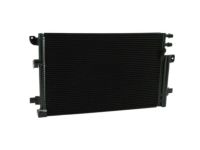
Related Chrysler Pacifica Parts
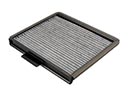 Chrysler Pacifica Cabin Air Filter
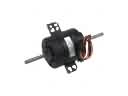 Chrysler Pacifica Blower Motor
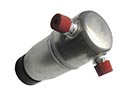 Chrysler Pacifica A/C Accumulator
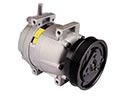 Chrysler Pacifica A/C Compressor
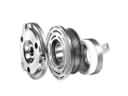 Chrysler Pacifica A/C Compressor Clutch
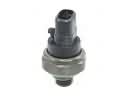 Chrysler Pacifica A/C Compressor Cut-Out Switches
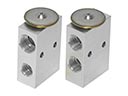 Chrysler Pacifica A/C Expansion Valve
 Chrysler Pacifica A/C Hose
 Chrysler Pacifica A/C Service Cap
 Chrysler Pacifica A/C System Valve Core
 Chrysler Pacifica Evaporator
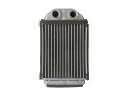 Chrysler Pacifica Heater Core