JeepParts
My Garage
My Account
Cart
OEM Chrysler Pacifica Wheel Stud
Rim Wheel Stud- Select Vehicle by Model
- Select Vehicle by VIN
Select Vehicle by Model
orMake
Model
Year
Select Vehicle by VIN
For the most accurate results, select vehicle by your VIN (Vehicle Identification Number).
2 Wheel Studs found

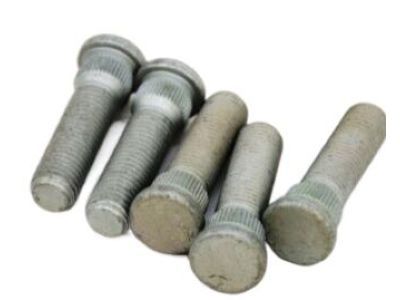
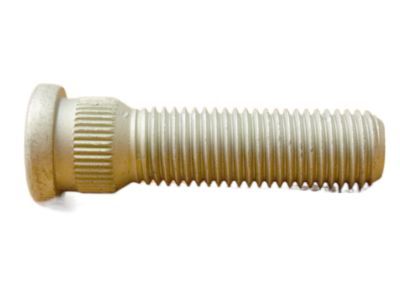
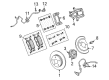
Chrysler Pacifica Wheel Stud, Front Part Number: 6508707AA
$3.94 MSRP: $5.67You Save: $1.73 (31%)Ships in 1-3 Business Days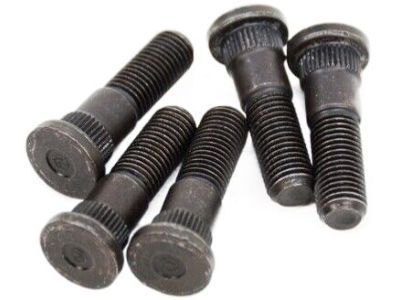
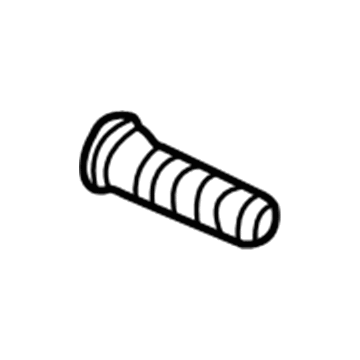
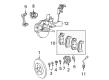
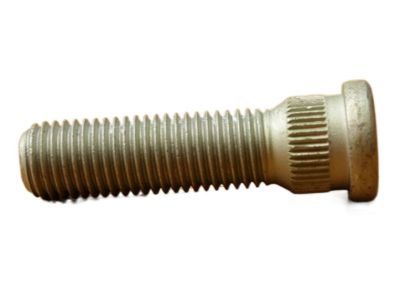
Chrysler Pacifica Wheel Stud, Rear Part Number: 6502311
$11.14 MSRP: $16.10You Save: $4.96 (31%)Ships in 1-2 Business Days
Chrysler Pacifica Wheel Stud
Choose OEM Wheel Stud that meet Chrysler factory standards. Chrysler designs and tests every component for precision and durability. Each Wheel Stud follows strict manufacturing steps to lock in quality and fit. If your Chrysler Pacifica matters to you, OEM parts make the smart choice. You'll get the exact look, feel, and performance you expect. Shop genuine Pacifica parts at the highly competitive prices online. Enjoy a manufacturer's warranty, a hassle-free return policy, and rapid delivery. No more guesswork with off brands. Get genuine parts with exact fit and true factory performance. Shop with confidence today at JeepPartsDeal.com.
A fundamental part of Chrysler Pacifica vehicle reliability and performance exists in the essential wheel stud component. The wheel studs function as main fasteners to securely attach wheels to wheel hubs and maintain operation safety. Motorists can rely on the Chrysler Pacifica Wheel Stud which functions semi-permanently from the hub after placement since it stays in its position during wheel maintenance. The wheel stud establishes its importance by offering safety and efficiency compatibility across all Chrysler Pacifica vehicle models. High-quality steel or carbon steel materials form these wheel studs because their durability remains essential to vehicle safety since any damages or rust produces safety threats to wheel stability and detachment. The Chrysler Pacifica Wheel Stud requires periodic checks and immediate replacement as an essential element for achieving peak driving performance. The durable structure along with reliable reliability features of the Chrysler Pacifica Wheel Stud delivers robustness which model owners value prominently in the automotive market. The car part demonstrates the automaker's renowned quality commitment by boosting both safety performance and efficiency which provides assurance for all vehicle passengers and drivers.
Chrysler Pacifica Wheel Stud Parts and Q&A
- Q:How to replace Rear Wheel Studs on Chrysler Pacifica?A:Lift the car first, then get rid of the rear wheel and tire and lastly the rear Brake Rotor to change the rear wheel studs. Adjust the bottom of the shoe, then take out the spring at the adjuster. Aim for the upper shoe as you pull upwards to get some space before removing the sliding adjuster. Put the Special Tool C-4150A over both the hub and bearing flange plus the wheel stud, put the fitting on the screw and twist the screw until the wheel stud comes out. Tilt the pressure plate slightly back and forth and use your fingers to pop the stud out the back of the hub flange if it is stuck. To install, feed the new wheel stud into the rear of the flange, top the stud with five washers and add a standard wheel nut, with the nut's flat side against the washer stack. Secure the wheel stud head to the flange with the nut until it is all planetary epicycle the way, then remove the nut along with the washers. Lay the parking brake shoe adjuster on top of the parking brakes, with the adjuster end with the star wheel facing up and slide the upper shoe down into the adjuster's mounting slot. Attach the spring to where the adjuster will be placed. Place the Brake Shoe Gauge, Special Tool C-3919 or an equivalent into the parking brake drum area and move the parking brake shoes until they just make contact with the gauge arms for a first adjustment. After fitting the brake rotor and sliding in the components, position the wheel and tire together and fasten the wheel mounting nuts in the right order to 135 Nm / 100 ft. lbs. Cover the parking brake pedal, allow the vehicle's nose to touch the ground and then drive it to ensure the brakes are working properly.
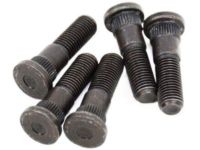
Related Chrysler Pacifica Parts
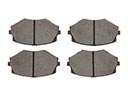 Chrysler Pacifica Brake Pads
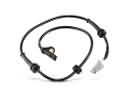 Chrysler Pacifica ABS Sensor
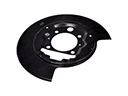 Chrysler Pacifica Backing Plate
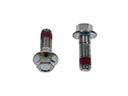 Chrysler Pacifica Brake Caliper Bolt
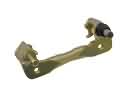 Chrysler Pacifica Brake Caliper Bracket
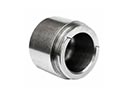 Chrysler Pacifica Brake Caliper Piston
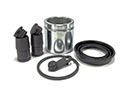 Chrysler Pacifica Brake Caliper Repair Kit
 Chrysler Pacifica Brake Controller
 Chrysler Pacifica Brake Dust Shields
 Chrysler Pacifica Brake Rotor
 Chrysler Pacifica Hydraulic Hose
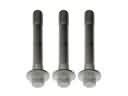 Chrysler Pacifica Wheel Hub Bolt