JeepParts
My Garage
My Account
Cart
OEM Dodge Alignment Bolt
Control Arm Bolt- Select Vehicle by Model
- Select Vehicle by VIN
Select Vehicle by Model
orMake
Model
Year
Select Vehicle by VIN
For the most accurate results, select vehicle by your VIN (Vehicle Identification Number).
14 Alignment Bolts found
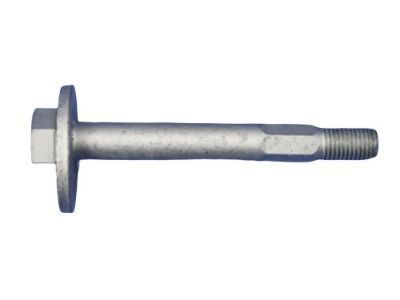
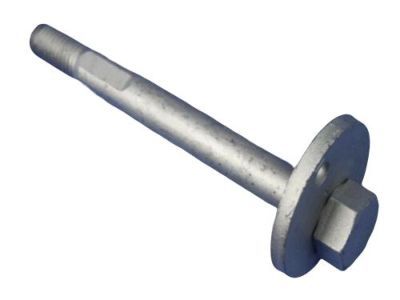
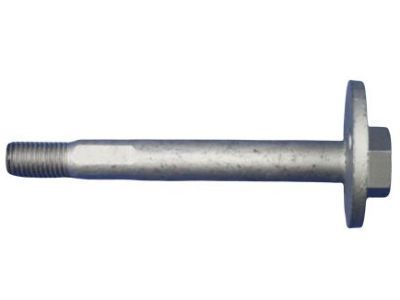
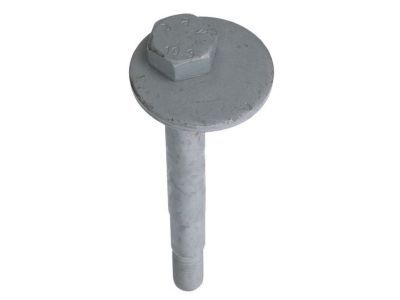
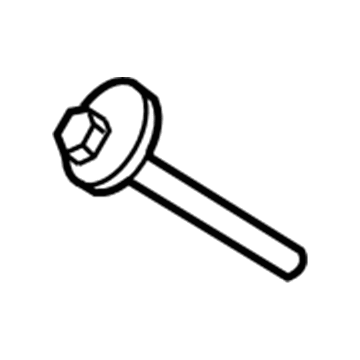
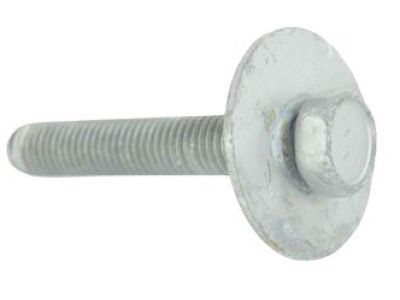
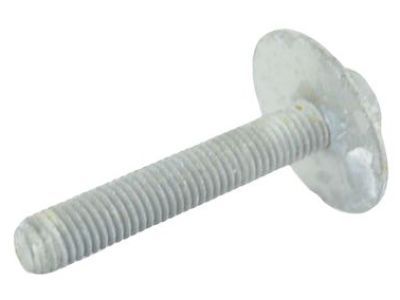
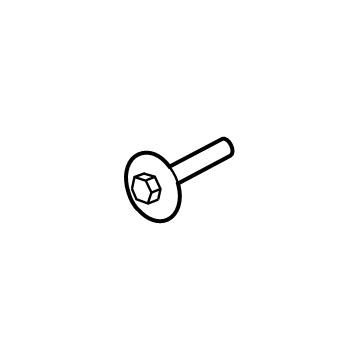
Dodge Lower Control Arm Bolt Part Number: 6512493AA
$106.71 MSRP: $162.00You Save: $55.29 (35%)Ships in 1-2 Business DaysProduct Specifications- Other Name: Screw - Hexagon Flange Head; Suspension Control Arm Bolt, Lower; Control Arm Bolt; Camber Bolt Kit
- Position: Lower
- Replaces: 6508232AA, 6508211AA, 6508484AA
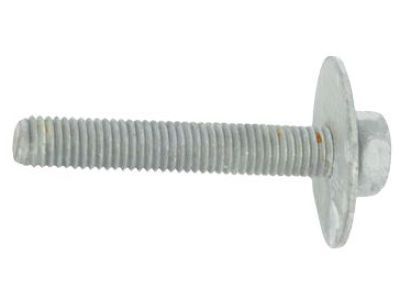
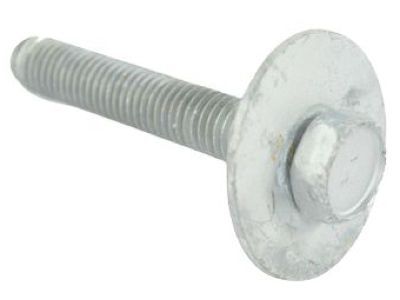
Dodge Strut Rod Mount Bolt, Rear Part Number: 6507107AA
$9.65 MSRP: $14.35You Save: $4.70 (33%)Product Specifications- Other Name: Bolt - Hexagon Head; Suspension Control Arm Bolt, Rear Upper Outer; Strut Rod Bolt; Strut Rod Rear Bolt M12X1.75X75.00; Hexagon Head Toe Link To Knuckle.
- Position: Rear
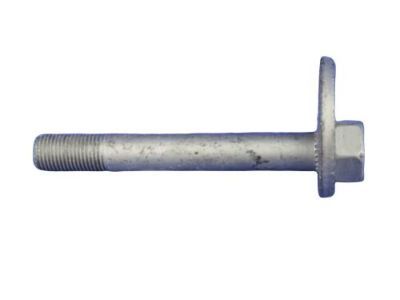
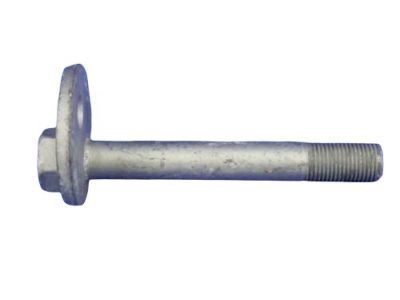
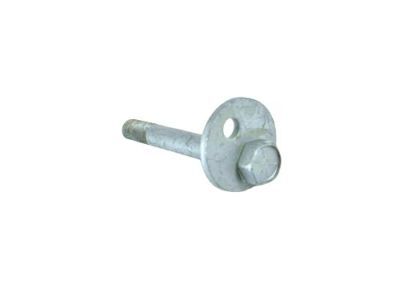
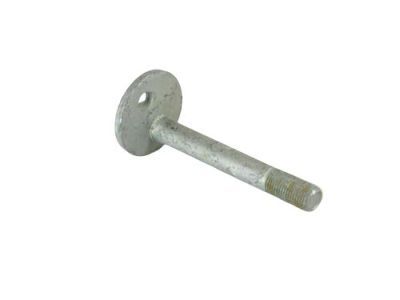
Dodge Cam Bolt, Front Part Number: 6036525AA
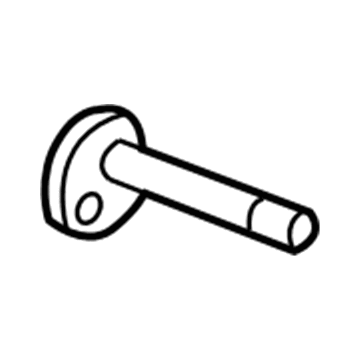
$59.88 MSRP: $73.45You Save: $13.57 (19%)Ships in 1-3 Business DaysProduct Specifications- Other Name: Bolt - Control Arm Cam; Alignment Camber Adjusting Eccentric Bolt, Front & Rear; Camber Bolt Kit.; Lower Control Arm Bolt; Adjust Bolt; Lower Control Arm Adjust Bolt; Bolt Control Arm Cam
- Position: Front
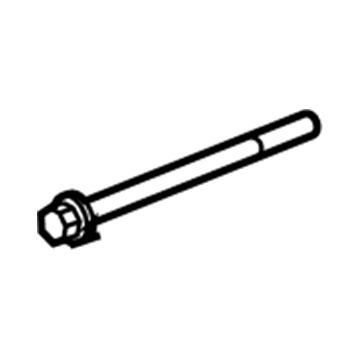
Dodge Lower Control Arm Bolt, Front Part Number: 5134117AA
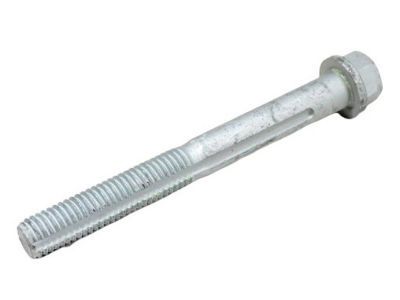
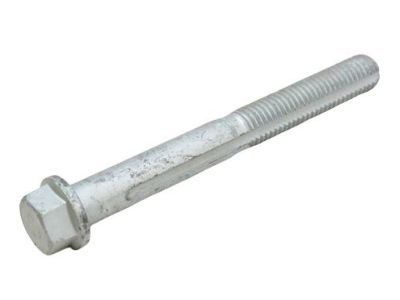
$72.81 MSRP: $110.00You Save: $37.19 (34%)Ships in 1-2 Business DaysProduct Specifications- Other Name: Bolt - Camber Adjust; Suspension Control Arm Bolt, Front Lower, Lower; Camber Bolt Kit; Bolt Camber Adjust; Control Arm Bolt
- Position: Front Lower
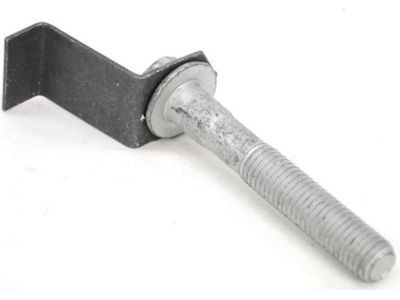
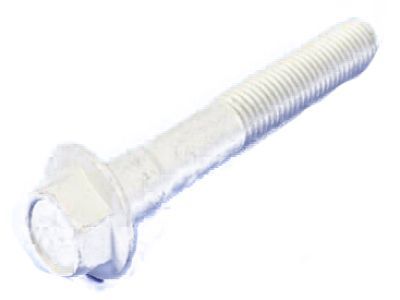
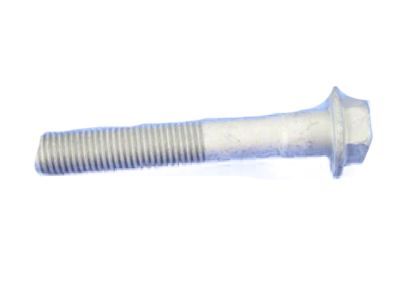
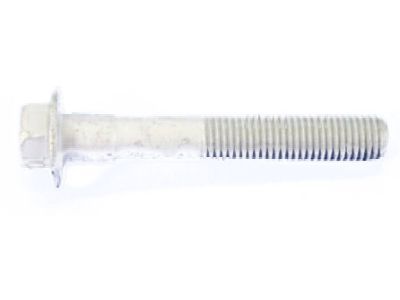
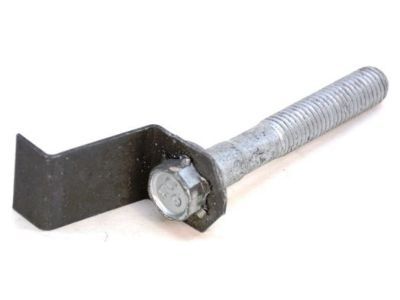
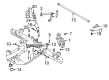
Dodge Lower Control Arm Bolt, Front Part Number: 6507575AA
$9.92 MSRP: $14.45You Save: $4.53 (32%)Ships in 1-3 Business DaysProduct Specifications- Other Name: Screw - Hexagon Flange Head; Suspension Control Arm Bolts (Front Lower, Upper, Lower) & Lateral Arm Bolt (Front); Control Arm Bolt; M14X2.00X100.00 Hexagon Flange Head Screw; various control arm bolts.
- Position: Front Lower
- Replaces: 6507812AA, 6503068
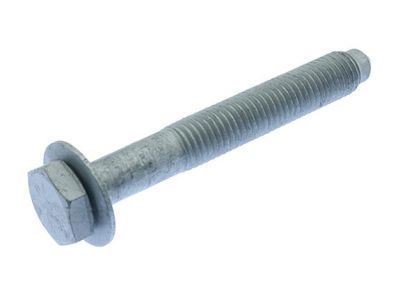
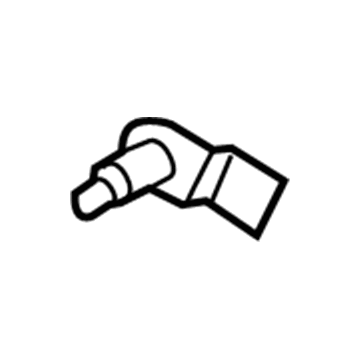
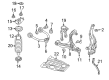
Dodge Lower Control Arm Bolt, Front Part Number: 6512111AA
$12.71 MSRP: $18.75You Save: $6.04 (33%)Ships in 1-3 Business DaysProduct Specifications- Other Name: Bolt - Hexagon Flange Head; Suspension Control Arm Bolt, Front Lower; Suspension Control Arm Bracket; Camber Bolt Kit; Lower Control Arm Retainer; M18 bolts and washers for control arm.
- Position: Front Lower
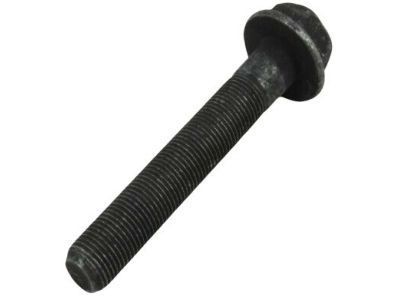
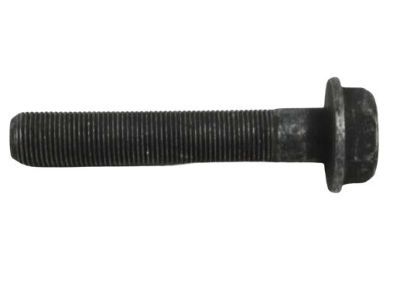
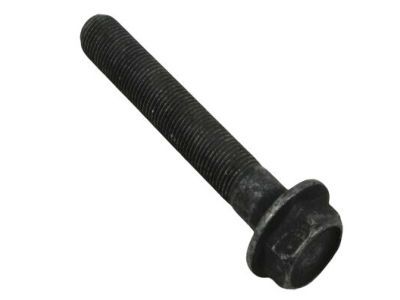

Dodge Lower Control Arm Bolt, Rear Part Number: 6509206AA
$14.13 MSRP: $20.95You Save: $6.82 (33%)Ships in 1-2 Business DaysProduct Specifications- Other Name: Bolt - Hexagon Flange Head; Suspension Control Arm Bolt, Rear Lower, Rear Upper; Upper Control Arm Bolt; Bolt Hexagon Flange Head M16X1.50X100.00; Control Arm Bolt
- Position: Rear Lower
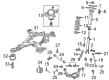
Dodge Lower Control Arm Bolt, Rear Part Number: 6512063AA
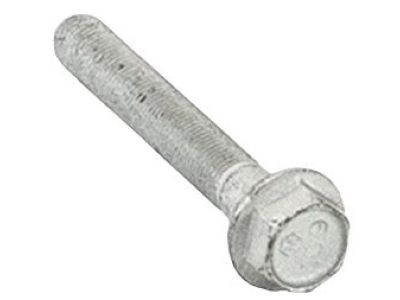
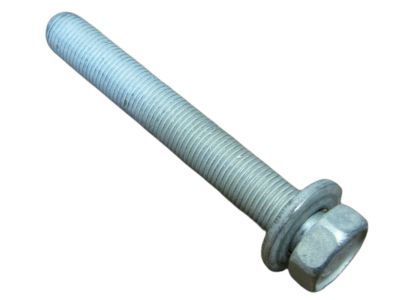
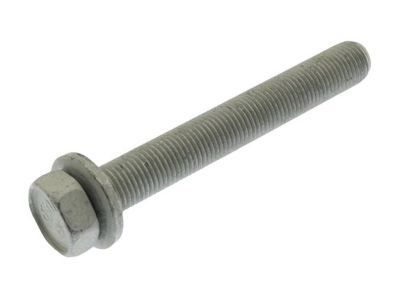
$5.99 MSRP: $8.80You Save: $2.81 (32%)Ships in 1-2 Business DaysProduct Specifications- Other Name: Bolt - Hexagon Flange Head; Suspension Control Arm Bolt, Rear Lower; Suspension Track Bar Bolt; Track Bar Bolt; Bolt Hexagon Flange Head M14X1.50X100.00; Bolt Hexagon Flange Head M14X1.50X104.15; Control Arm Bolt
- Position: Rear Lower
- Replaces: 6104266AA
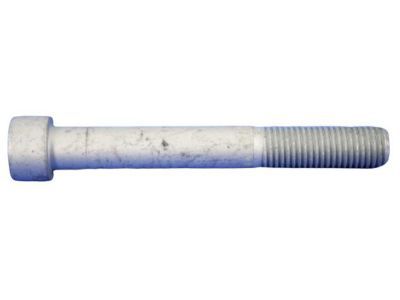
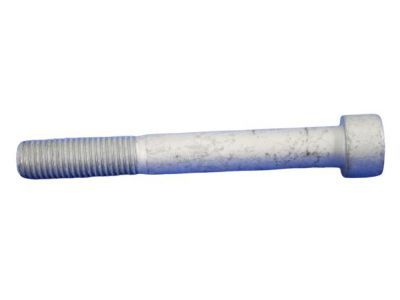
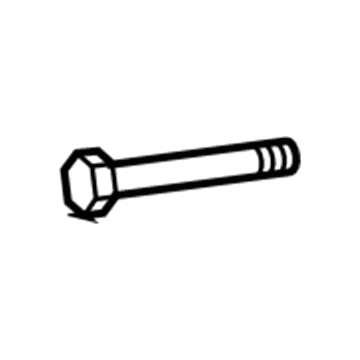
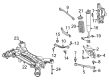
Dodge Lower Control Arm Bolt, Front Part Number: 6507089AA
$14.79 MSRP: $21.50You Save: $6.71 (32%)Ships in 1-3 Business DaysProduct Specifications- Other Name: Bolt - Hexagon Head; Suspension Control Arm Bolt, Front Lower, Lower, Outer; Camber Bolt Kit; Lower Control Arm Front Bolt; M14X2.00X120.00 bolts and screws for control arm mounting.
- Position: Front Lower
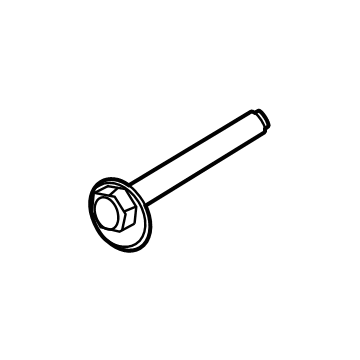
Dodge Bolt - Hexagon Part Number: 6513780AA
$17.82 MSRP: $26.20You Save: $8.38 (32%)Ships in 1-2 Business DaysProduct Specifications- Other Name: BOLT-HEX
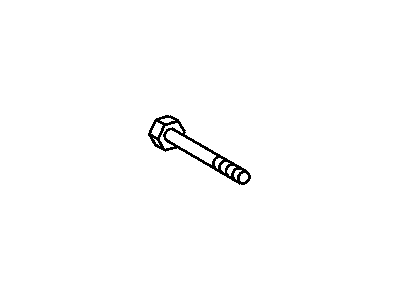
Dodge Bolt - Hexagon Flange Head Part Number: 6512608AA
$12.77 MSRP: $18.70You Save: $5.93 (32%)Ships in 1-2 Business DaysProduct Specifications- Other Name: BOLT-HEX FLANGE HEAD
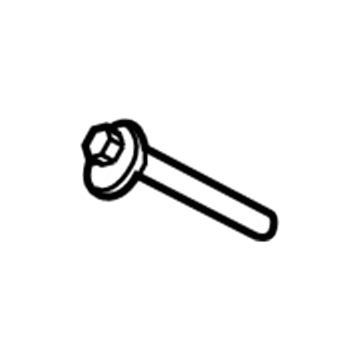
Dodge Lower Control Arm Bolt, Front Part Number: 6512912AA
$20.18 MSRP: $27.60You Save: $7.42 (27%)Ships in 1-2 Business DaysProduct Specifications- Other Name: Screw - Hexagon Flange Head; Suspension Control Arm Bolt, Front Lower; Lower Control Arm Mount Bolt; Screw Hexagon Flange Head M16X2.00X169.00; Control Arm Bolt
- Position: Front Lower
- Replaces: 6508481AA, 6512539AA
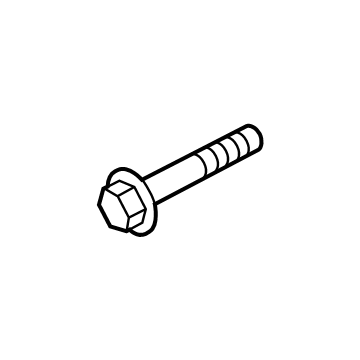
Dodge Lower Control Arm Bolt Part Number: 6511469AA
$11.18 MSRP: $16.60You Save: $5.42 (33%)Ships in 1-2 Business DaysProduct Specifications- Other Name: Bolt - Hexagon Head; Bolt And Washer Hexagon Head
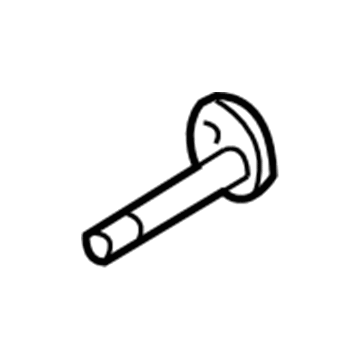
Dodge Cam Bolt Part Number: 4709337
Product Specifications- Other Name: Cam Bolt - L/Control Arm; Alignment - Kit; Camber Bolt Kit; Adjust Bolt; Cam Bolt, Lower Control Arm 1992-93 4.75"
Dodge Alignment Bolt
OEM parts sourced directly from Dodge deliver superior quality, long lasting strength, and a precise fit you can trust. Each item goes through strict quality checks to ensure safety, toughness, and performance that matches your factory equipment. At JeepPartsDeal online shop, you'll get top-quality, budget-friendly OEM Dodge Alignment Bolt for your vehicle. We focus on giving you a high standard without pushing up the price. Our full selection of genuine factory products comes backed by the original manufacturer's warranty. You'll love our fast delivery, seamless shopping experience, and convenient return policy, saving you all the hassle.
The Dodge Alignment Bolt ensures that your wheels are facing straight and also helps to protect your tires with the ability to adjust the camber and caster precisely. Dodge has gained a reputation of muscle as early as 1914 when it introduced the first all steel body and then exuded the drivers with the HEMI engine, the Viper program that terrified, and even today, the Fratzonic Chambered Exhaust that allows even electric cars to roar or even whisper in Stealth Mode. Riding on this legacy of strength and machismo, a Dodge car enjoys the advantage of elements that are designed to tackle the corners and in straight lines with speed. Alignment Bolt is where that comes. This little elongated nut screw is applied instead of the original strut or control arm bolt, the offset cam allowing easy, repeatable adjustment of the suspension, to keep it in harmony with how a Dodge should be operated. Dodge Alignment Bolt is easy to install provided that one works carefully. The first thing is to park at the flat ground, chock the wheels, lift one of the corners you are going to change, and take the wheel out. Identify the strut to knuckle/control arm joint and mark the initial position as a reference. Unscrew and remove the factory bolt and insert the new Alignment Bolt with its washer fitted and tighten the nut. Raise the suspension to normal level, rotate the bolt head to the required camber or caster mark and then tighten to specifications. Install the wheel again, torque the lugs, and bring it slowly on a test drive and check the steering feel.
Related Dodge Parts
 Dodge Steering Knuckle
 Dodge Wheel Bearing
 Dodge Wheel Cover
 Dodge Wheel Hub
 Dodge Axle Pivot Bushing
 Dodge Control Arm Bumper
 Dodge Crossmember Bushing
 Dodge Lateral Link
 Dodge Leaf Spring
 Dodge Leaf Spring Bushing
 Dodge Shock And Strut Mount
 Dodge Strut Bearing