JeepParts
My Garage
My Account
Cart
OEM Dodge Caravan Blower Motor
A/C Heater Blower Motor- Select Vehicle by Model
- Select Vehicle by VIN
Select Vehicle by Model
orMake
Model
Year
Select Vehicle by VIN
For the most accurate results, select vehicle by your VIN (Vehicle Identification Number).
7 Blower Motors found
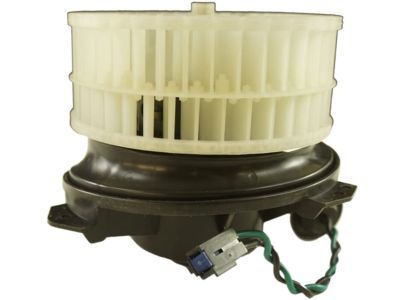
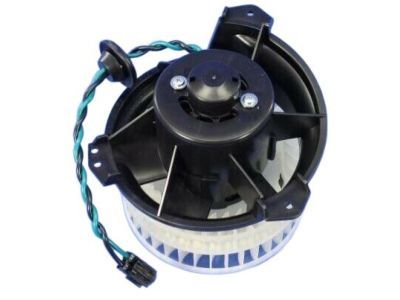
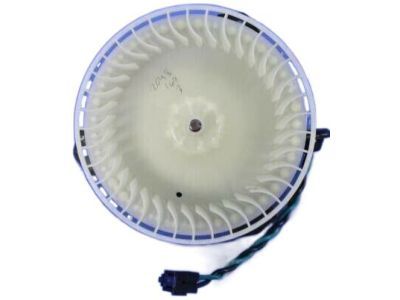
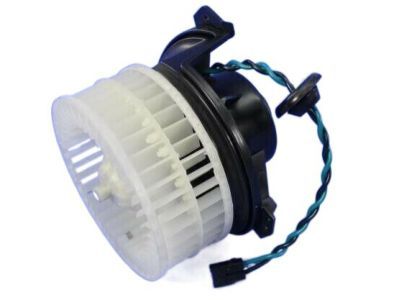
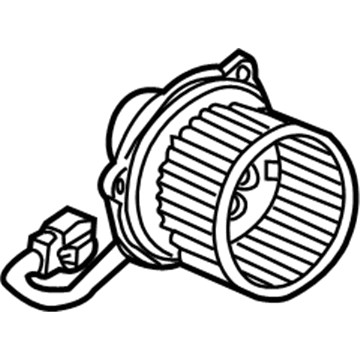
Dodge Caravan Blower Motor, Front Part Number: 4885475AC
$143.74 MSRP: $216.00You Save: $72.26 (34%)Ships in 1-2 Business Days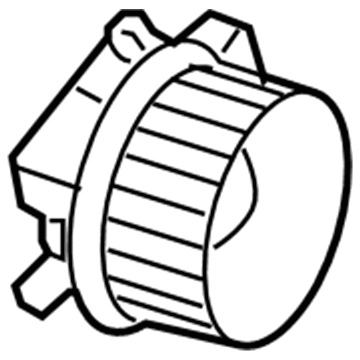
Dodge Caravan Blower Motor, Rear Part Number: 5183147AC
$253.05 MSRP: $383.00You Save: $129.95 (34%)Ships in 1-2 Business Days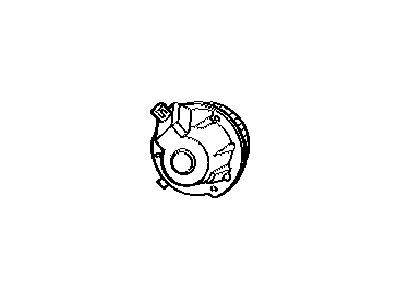
Dodge Caravan Blower Motor Part Number: 4798680
$74.52 MSRP: $94.47You Save: $19.95 (22%)Ships in 1-2 Business Days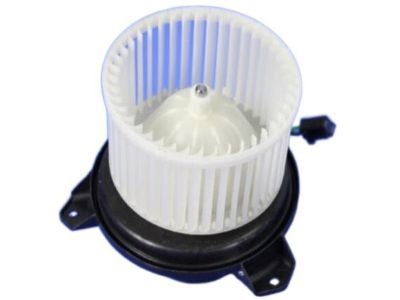
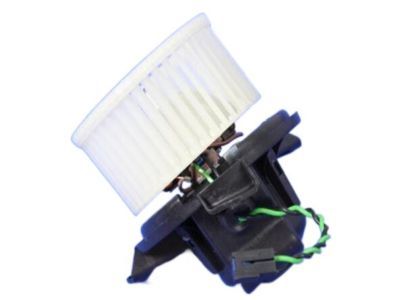
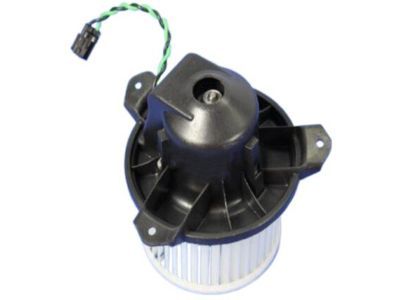
Dodge Caravan Blower Motor, Rear Part Number: 5019185AA
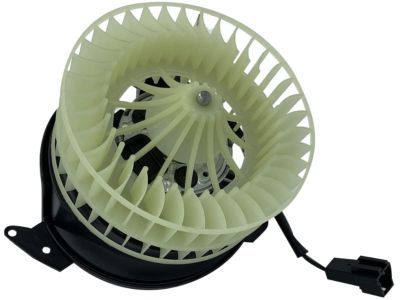
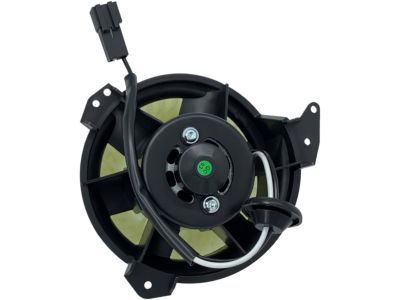
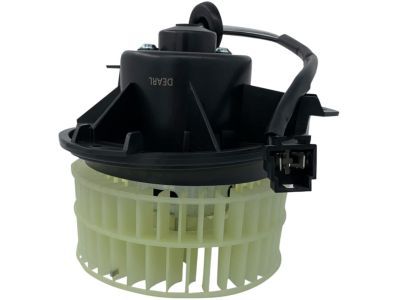
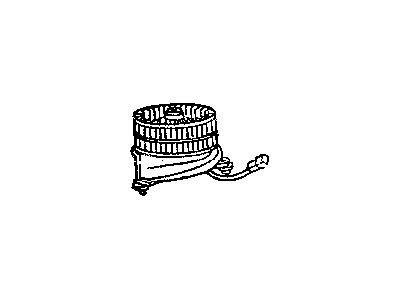
Dodge Caravan Blower Motor Part Number: 4874204AB
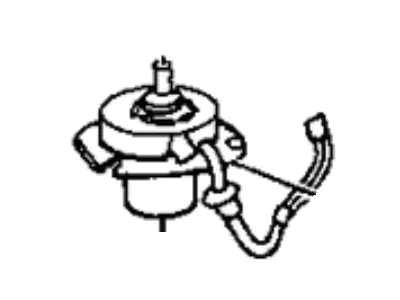
Dodge Caravan Blower Motor Part Number: 4494309

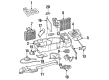
Dodge Caravan Blower Motor Part Number: R5264400
Dodge Caravan Blower Motor
Choose OEM Blower Motor that meet Dodge factory standards. Dodge designs and tests every component for precision and durability. Each Blower Motor follows strict manufacturing steps to lock in quality and fit. If your Dodge Caravan matters to you, OEM parts make the smart choice. You'll get the exact look, feel, and performance you expect. Shop genuine Caravan parts at the highly competitive prices online. Enjoy a manufacturer's warranty, a hassle-free return policy, and rapid delivery. No more guesswork with off brands. Get genuine parts with exact fit and true factory performance. Shop with confidence today at JeepPartsDeal.com.
Specifically, the Blower Motor is a vital part of the Dodge Caravan automotive model concerning its Heating, Ventilation, and Air Conditioning system that manages the provision of heat or cool air flow into the car's interior. There are blower motor controls where the drivers can be able to control the amount of air that is produced within the system hence can be able to give quick solutions where the windows are foggy or the interior of the car is hot. Usually wired to the blower motor control module, the blower motor controls are also very exposed and are grouped in one area. Nevertheless, one might experience problems with an electronic module or wiring that will make the formation of certain malfunctions and will consequently take control over the heating and air conditioning. Problems such as lack of some switches or poor control of temperature may need attention, in order to effectively work, this is related to a faulty blower motor.
Dodge Caravan Blower Motor Parts and Q&A
- Q:How to Service the Blower Motor Under the Passenger Side Instrument Panel on Dodge Caravan?A:First, disconnect the negative battery cable, then let the air bag system capacitor discharge by waiting two minutes, so the blower motor on the passenger side can be safely accessed under the instrument panel. Pull off the cowl trim situated behind the passenger door and slide the carpet to find and unscrew the screw in the upper part of the airbox housing. Redisconnect the wire lead between the Blower Motor Resistor or power module and the blower motor and then disconnect the recirculation door actuator. After that, disconnect the top screw and four bottom screws from the inlet housings, taking off the bottom HVAC housing. Guide the rubber grommet into the opening on the lower air inlet housing, pass the wire lead for the blower motor through that opening and take the housing out of your vehicle. Adjust the recirculation-air door as required, take out the three screws holding the blower motor to the lower HVAC bottom, flex the recirculation air door and turn and tilt the blower motor to remove it. For installation, push the recirculation-air door toward the floor, fit the blower motor inside the housing and place the mounting tabs in their correct spots to secure it with three screws tightened to 2 Nm (17 in. lbs.). Pass the blower motor wire through the opening in the inlet housing and then install the rubber grommet. Later, install the lower air inlet pivot shaft and set it into the housing. Place four screws into the lower air inlet housing and tighten them with a torque wrench to 2 Nm (17 in. lbs.); then tighten the top screw to 2 Nm (17 in. lbs.). Attach the blower motor wire lead connector to the blower motor resistor or power module, put in the recirculation door actuator, move the carpet back in place, insert the passenger side cowl trim panel, hook the negative battery cable back and run the heater-A/C control calibration sequence.
- Q:How to Install a Blower Motor in the Rear on Dodge Caravan?A:Put the rear blower motor in the HVAC case for the rear, secure it with three screws and tighten them so that they reach 2 Nm (17 in.lbs.). After that, plug the rear HVAC wire harness connector into the rear blower motor and put in the rear HVAC unit.
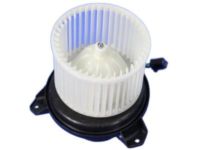
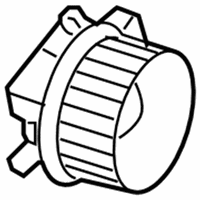
Related Dodge Caravan Parts
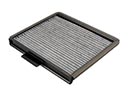 Dodge Caravan Cabin Air Filter
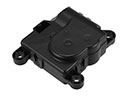 Dodge Caravan Blend Door Actuator
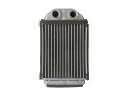 Dodge Caravan Heater Core
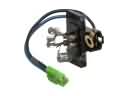 Dodge Caravan Blower Motor Resistor
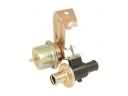 Dodge Caravan Heater Control Valve
 Dodge Caravan A/C Accumulator
 Dodge Caravan A/C Compressor
 Dodge Caravan A/C Condenser
 Dodge Caravan A/C Expansion Valve
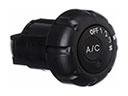 Dodge Caravan A/C Switch
 Dodge Caravan Blower Control Switches
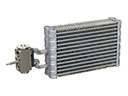 Dodge Caravan Evaporator