JeepParts
My Garage
My Account
Cart
OEM Dodge Clutch Hydraulic Lines
Clutch Hose- Select Vehicle by Model
- Select Vehicle by VIN
Select Vehicle by Model
orMake
Model
Year
Select Vehicle by VIN
For the most accurate results, select vehicle by your VIN (Vehicle Identification Number).
12 Clutch Hydraulic Lines found
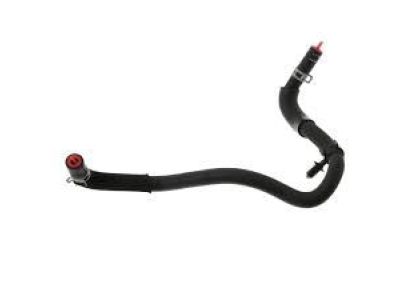
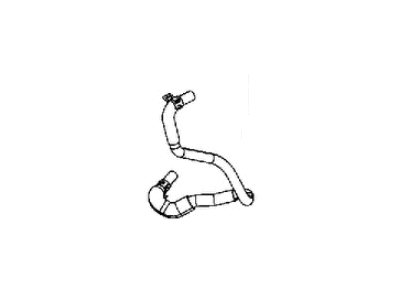
Dodge Flex Hose Part Number: 52104850AC
$33.47 MSRP: $49.90You Save: $16.43 (33%)Ships in 1-2 Business DaysProduct Specifications- Other Name: Hose - Clutch Reservoir; Hydraulic Hose; Clutch Hose; Hose Clutch Reservoir
- Replaces: 52104850AA, 52104850AB

Dodge Flex Hose Part Number: MR151526
$17.88 MSRP: $22.67You Save: $4.79 (22%)Ships in 1-2 Business DaysProduct Specifications- Other Name: Hose - Clutch Release Cylinder; Hose
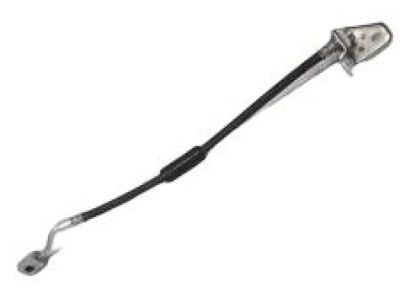
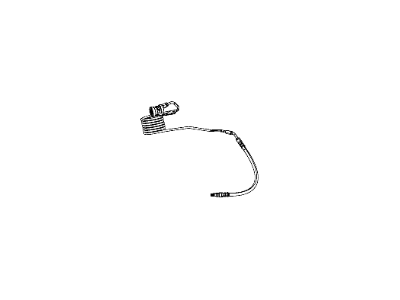
Dodge Flex Hose Part Number: 52104845AF
$111.15 MSRP: $164.00You Save: $52.85 (33%)Product Specifications- Other Name: Hose - Clutch Hydraulic; Hydraulic Hose; Clutch Hose; Hose Clutch Hydraulic
- Replaces: 52104845AD, 52104845AE, 52104845AC
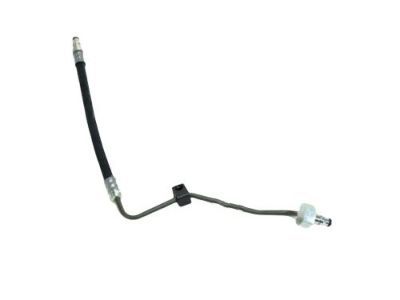
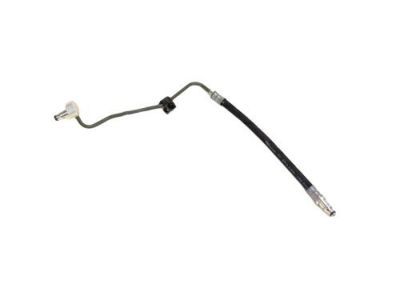
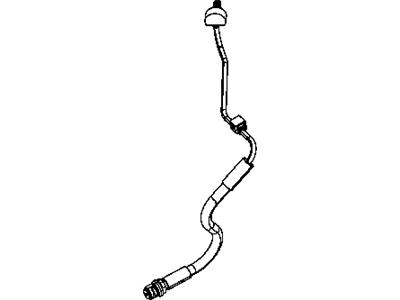
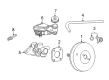
Dodge Flex Hose Part Number: 5273427AE
$71.04 MSRP: $106.00You Save: $34.96 (33%)Product Specifications- Other Name: Hose - Clutch Hydraulic; Hydraulic Hose; Clutch Hose
- Replaces: 5273427AD, 5273427AB, 5273427AC
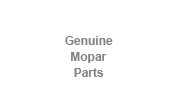
Dodge Steel Line Part Number: MR297752
Product Specifications- Other Name: Tube - Clutch Master Cylinder; Tube Clutch Master Cylinder
Dodge Flex Hose Part Number: MR151524
Product Specifications- Other Name: Hose Clutch Release Cylinder; Hydraulic Hose; Clutch Hose; Hose, Clutch Release Cylinder (Also Shown On Illustration 330); Hose, Clutch Release Cylinder
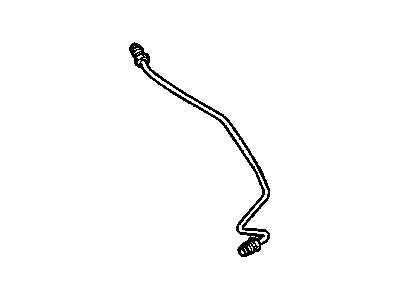
Dodge Steel Line Part Number: MD771518
Product Specifications- Other Name: Line - Clutch; Clutch Hose; Hose Clutch
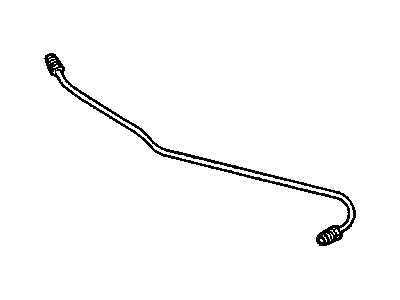
Dodge Steel Line Part Number: MD748039
Product Specifications- Other Name: Line - Clutch; Clutch Hose; Hose Clutch
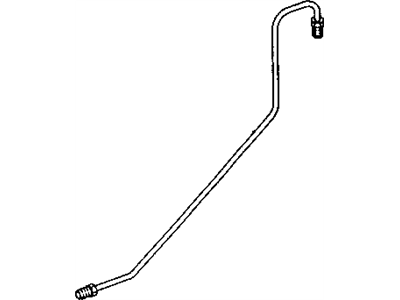
Dodge Steel Line Part Number: MD746084
Product Specifications- Other Name: Line Clutch Release Cylinder; Clutch Hose; Tube, Clutch Release Cylinder
Dodge Hydraulic Lines Part Number: MB910565
Product Specifications- Other Name: Tube Clutch Hydraulic; Clutch Hose; Steel Line; Tube, Clutch Master Cylinder., W/O Turbo
Dodge Steel Line Part Number: 4670066
Product Specifications- Other Name: Tube - Clutch Hydraulic; Clutch Hose; Tube Assembly, Clutch Release (Slave Cylinder); Tube Clutch Hydraulic
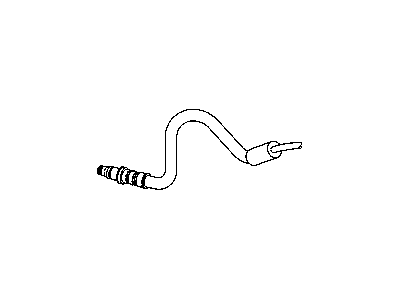
Dodge Flex Hose Part Number: 5273428AE
Product Specifications- Other Name: Hose - Clutch Hydraulic
- Replaces: 5273428AD, 5273428AC, 5273428AB
Dodge Clutch Hydraulic Lines
OEM parts sourced directly from Dodge deliver superior quality, long lasting strength, and a precise fit you can trust. Each item goes through strict quality checks to ensure safety, toughness, and performance that matches your factory equipment. At JeepPartsDeal online shop, you'll get top-quality, budget-friendly OEM Dodge Clutch Hydraulic Lines for your vehicle. We focus on giving you a high standard without pushing up the price. Our full selection of genuine factory products comes backed by the original manufacturer's warranty. You'll love our fast delivery, seamless shopping experience, and convenient return policy, saving you all the hassle.
The Dodge Clutch Hydraulic Lines shuttle brake fluid between the master and slave cylinder to push the clutch in and out when the driver presses the clutch pedal. Since 1914, Dodge has been delivering steel bodies that don't rust, strong engines, and distinctive design. When a HEMI snarls or the Viper chassis is planted, Dodge drivers feel the instant grin. This is because Dodge considers raw horsepower, tight steering, and unfiltered road feel priorities. The recent Fratzonic Chambered Exhaust allows the electric vehicle to roar through 600-watt force or quietly cruise in Stealth when the neighbors are asleep, proof sound sits on a dial. Anyone who manipulates parts of the driveline will be rewarded by that shift, as the factory routing provides some scope for better air flow, cooler fluid trips, and easy swapping of performance bits like the Clutch Hydraulic Lines. Upgrading the Clutch Hydraulic Lines begins with parking the vehicle on flat ground and disconnecting the battery. Next, some pressure needs to be relieved. The old Clutch Hydraulic Lines can then be traced from master cylinder to slave cylinder while taking pictures so nothing gets forgotten. Remove the retaining clips and spin off the fittings as a rag catches the fluid. Snake out the old hose. With the new Clutch Hydraulic Lines, slide them down the same route while keeping them clear of the headers and steering links. To avoid cross threading, ensure to hand start every thread. Next, snug down each joint to specification according to the service manual. Lock the clips, top up the reservoir, pump and bleed the brakes until the pedal feels rock solid. Always wipe down everything, check for leaks and roll out once everything is done.
Related Dodge Parts
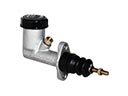 Dodge Clutch Master Cylinder
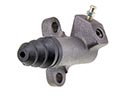 Dodge Clutch Slave Cylinder
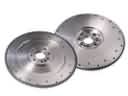 Dodge Flywheel
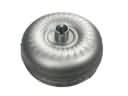 Dodge Torque Converter
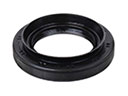 Dodge Automatic Transmission Output Shaft Seal
 Dodge Clutch Cable
 Dodge Clutch Disc
 Dodge Clutch Hose
 Dodge Clutch Master Repair Kit
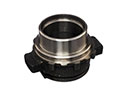 Dodge Clutch Release Bearing
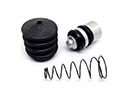 Dodge Clutch Slave Repair Kit
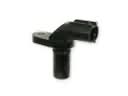 Dodge Transmission Sensor