JeepParts
My Garage
My Account
Cart
OEM Dodge Coolant Reservoir Hose
Water Bypass Hose- Select Vehicle by Model
- Select Vehicle by VIN
Select Vehicle by Model
orMake
Model
Year
Select Vehicle by VIN
For the most accurate results, select vehicle by your VIN (Vehicle Identification Number).
329 Coolant Reservoir Hoses found
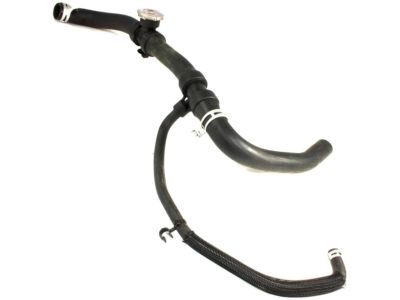
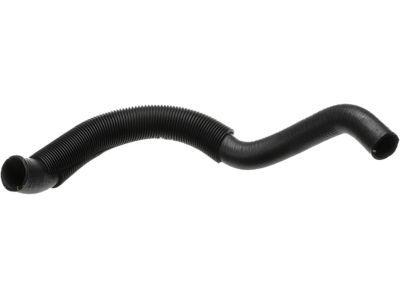
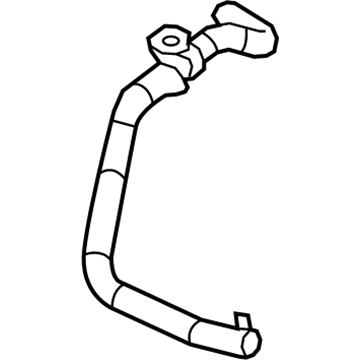
Dodge Lower Hose, Upper Part Number: 5058482AH
$57.98 MSRP: $86.70You Save: $28.72 (34%)Ships in 1-2 Business DaysProduct Specifications- Other Name: Hose - Radiator Inlet; Radiator Coolant Hose, Upper; Multi Purpose Hose; Radiator Hose; Cooling Hose; Upper Hose; Hose Radiator Inlet; Radiator Coolant Hose; Coolant Hose
- Position: Upper
- Replaces: 5058482AE, 5058482AF, 5058482AG, 5058482AD
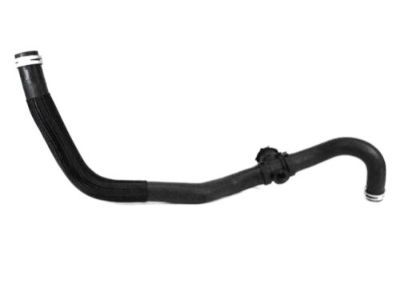
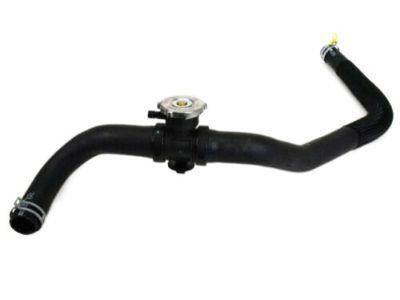
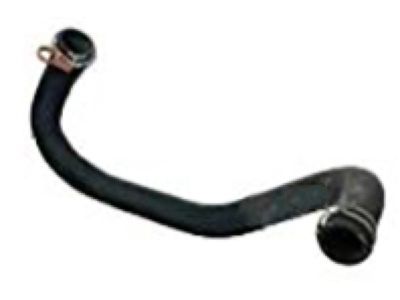
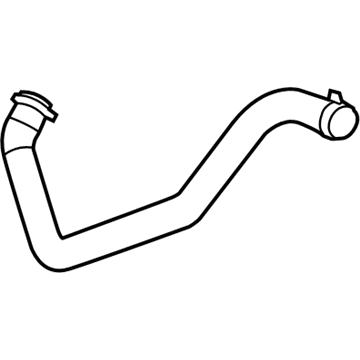
Dodge Upper Hose Part Number: 5058394AG
$114.85 MSRP: $172.00You Save: $57.15 (34%)Ships in 1-2 Business DaysProduct Specifications- Other Name: Hose - Radiator Inlet; Radiator Coolant Hose, Upper; Multi Purpose Hose; Radiator Hose; Cooling Hose; Hose Radiator Inlet; Radiator Coolant Hose; Coolant Hose
- Position: Upper
- Replaces: 5058394AF, 5058394AB, 5058394AC, 5058394AD, 5058394AE
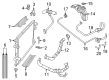
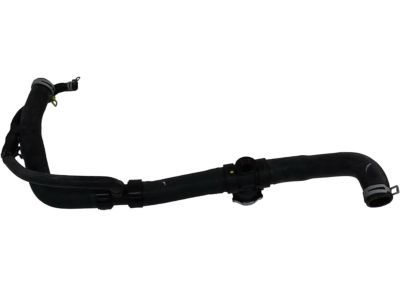
Dodge Lower Hose Part Number: 55038183AC
$23.14 MSRP: $47.60You Save: $24.46 (52%)Ships in 1-2 Business DaysProduct Specifications- Other Name: Hose - Radiator Outlet; Radiator Coolant Hose; Multi Purpose Hose; Radiator Hose; Coolant Hose; Cooling Hose
- Replaces: 55038183AA, 55038183AB
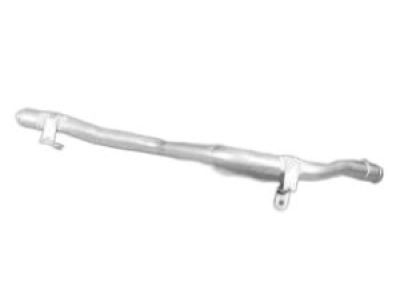
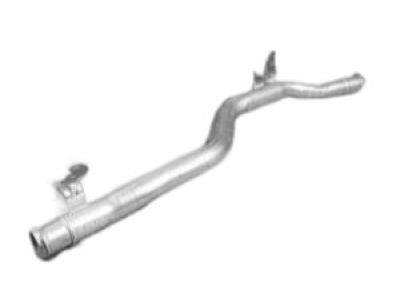
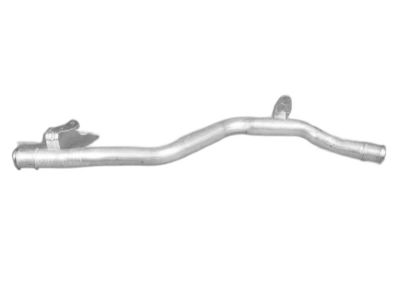
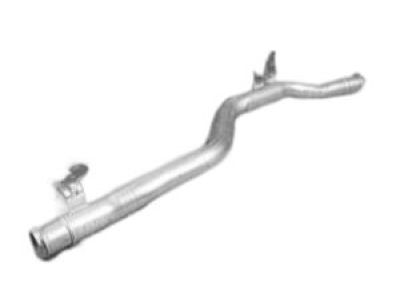
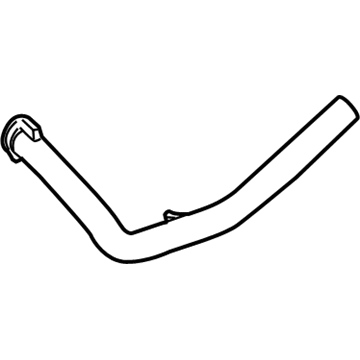
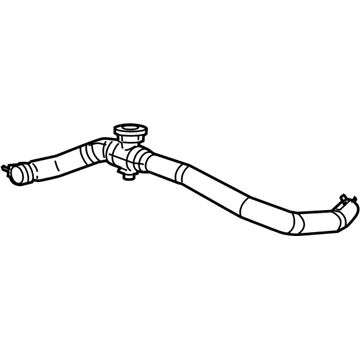
Dodge Lower Hose Part Number: 68125535AB
$81.60 MSRP: $126.18You Save: $44.58 (36%)Ships in 1-2 Business DaysProduct Specifications- Other Name: Hose - Water Outlet; Multi Purpose Hose; Radiator Hose; Cooling Hose; Tube Water Outlet
- Replaces: 68125535AA
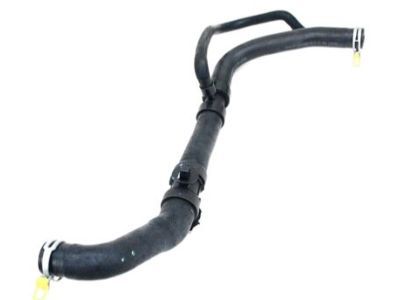
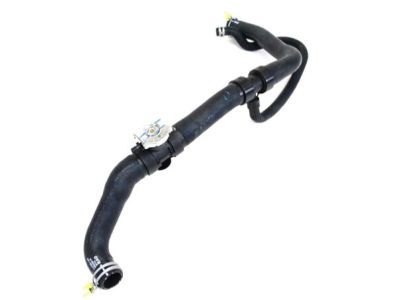
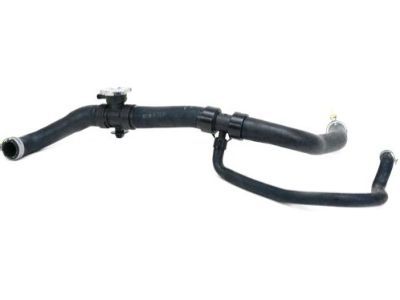
Dodge Upper Hose Part Number: 5058492AE
$113.73 MSRP: $173.06You Save: $59.33 (35%)Ships in 1-2 Business DaysProduct Specifications- Other Name: Hose - Radiator Inlet; Radiator Coolant Hose, Upper; Multi Purpose Hose; Radiator Hose; Cooling Hose; Hose Radiator Inlet Radiator Inlet Hose Assembly; Hose Radiator Inlet; Radiator Coolant Hose; Coolant Hose
- Position: Upper
- Replaces: 5058492AD, 5058492AC, 5058492AA, 5058492AF, 5058492AB
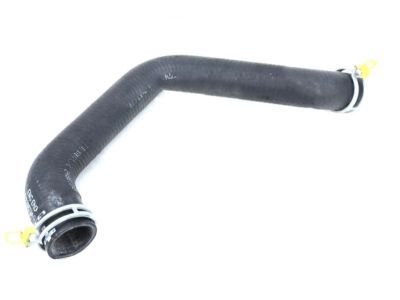
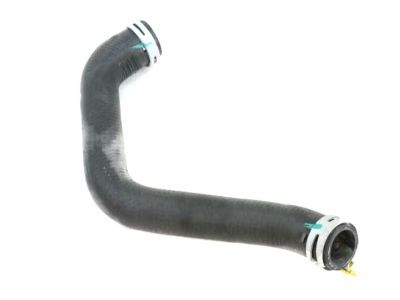
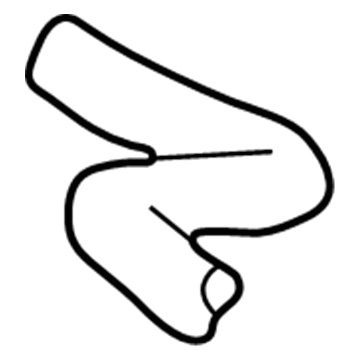
Dodge Upper Hose Part Number: 52028870AG
$35.66 MSRP: $54.18You Save: $18.52 (35%)Ships in 1-2 Business DaysProduct Specifications- Other Name: Hose - Radiator Inlet; Upper Radiator Coolant Hose; Multi Purpose Hose.
- Position: Upper
- Replaces: 52028870AF, 55056662AA, 52028870AD, 52028870AE

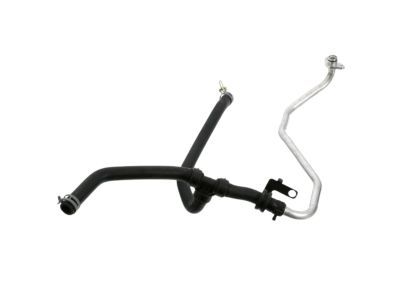
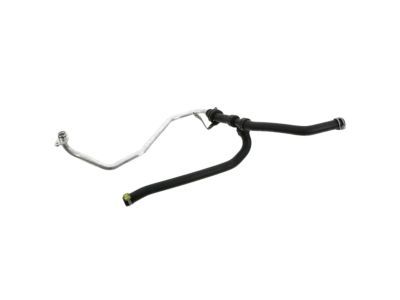
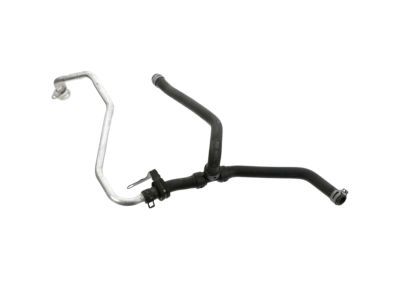
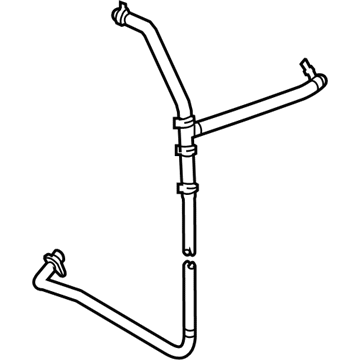
Dodge Return Hose Part Number: 55038120AA
$133.80 MSRP: $204.41You Save: $70.61 (35%)Ships in 1-2 Business DaysProduct Specifications- Other Name: Hose - Heater Return; Engine Coolant Overflow Hose; HVAC Heater Hose; Radiator Hose; Hose Heater Return
- Replaces: 4596755AC, 4596755AE
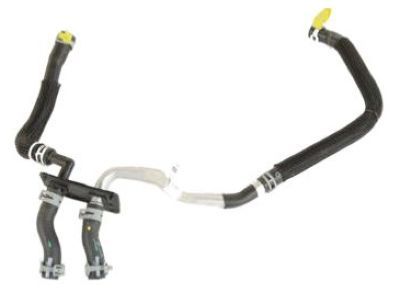
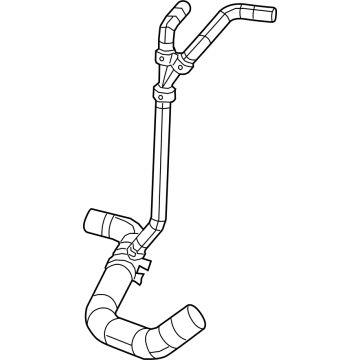
Dodge Lower Hose Part Number: 68244092AB
$57.98 MSRP: $86.70You Save: $28.72 (34%)Ships in 1-2 Business DaysProduct Specifications- Other Name: Hose - Radiator Outlet; Radiator Coolant Hose, Lower; Multi Purpose Hose; Radiator Hose; Cooling Hose; Hose Radiator Outlet; Radiator Coolant Hose; Coolant Hose
- Position: Lower
- Replaces: 68244092AA
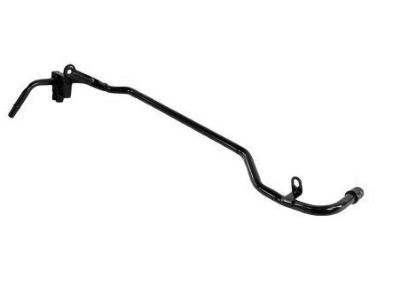
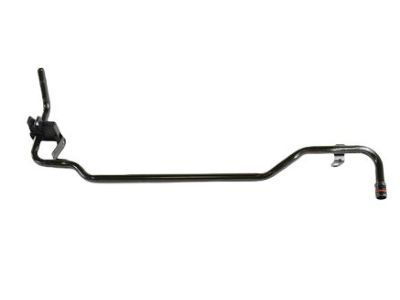
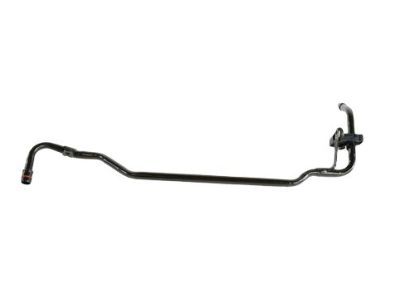
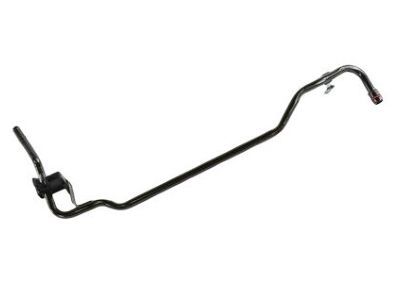
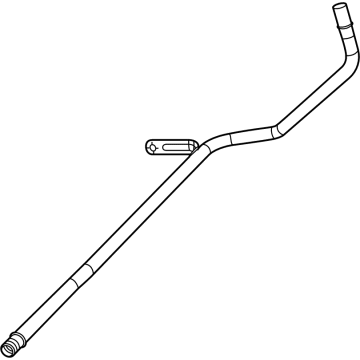
Dodge Outlet Tube Part Number: 68321497AB
$58.98 MSRP: $88.20You Save: $29.22 (34%)Ships in 1-2 Business DaysProduct Specifications- Other Name: Tube - Coolant Outlet; Tube Coolant Outlet
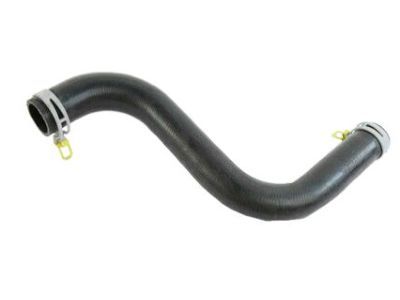
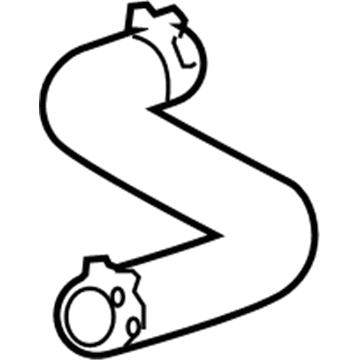
Dodge Upper Hose Part Number: 4881101AF
$59.10 MSRP: $88.35You Save: $29.25 (34%)Ships in 1-2 Business DaysProduct Specifications- Other Name: Hose - Radiator Inlet; Radiator Coolant Hose, Upper; Multi Purpose Hose; Radiator Hose; Cooling Hose
- Position: Upper
- Replaces: 4881101AC, 4881101AD, 4881101AE
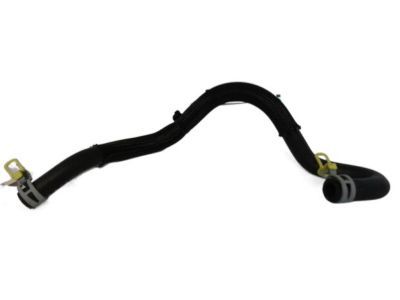


Dodge Upper Hose Part Number: 55038135AA
$59.82 MSRP: $89.75You Save: $29.93 (34%)Ships in 1-2 Business DaysProduct Specifications- Other Name: Hose - Oil Cooler Inlet; Radiator Coolant Hose, Upper; Multi Purpose Hose; Radiator Hose; Cooling Hose
- Position: Upper
- Replaces: 4596561AB, 4596561AC, 4596561AD, 4596561AA
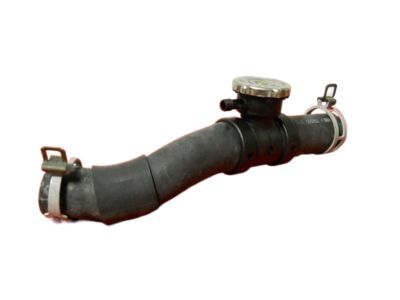
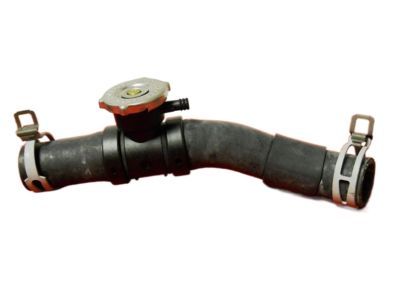
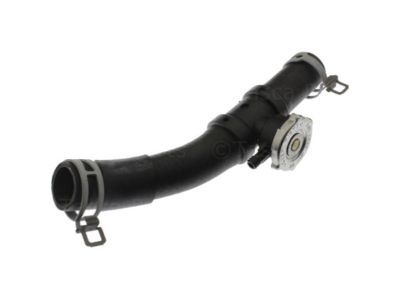
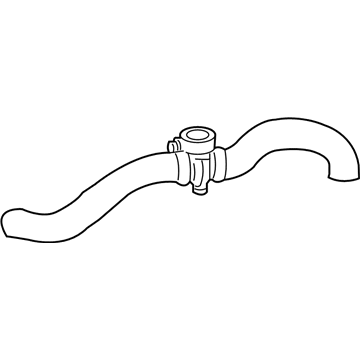
Dodge Upper Hose Part Number: 52028810AM
$61.33 MSRP: $91.70You Save: $30.37 (34%)Ships in 1-2 Business DaysProduct Specifications- Other Name: Hose - Radiator Inlet; Radiator Coolant Hose, Upper; Multi Purpose Hose; Radiator Hose; Cooling Hose
- Position: Upper
- Replaces: 52028810AK, 52028810AI, 52028810AF, 52028810AD, 52028810AE, 52028810AC, 52028810AJ, 52028810AL, 52028810AH
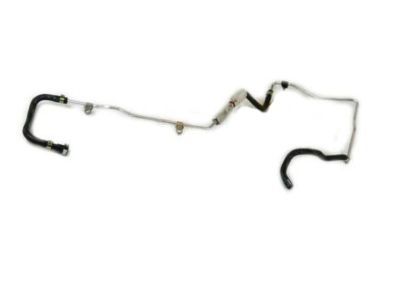
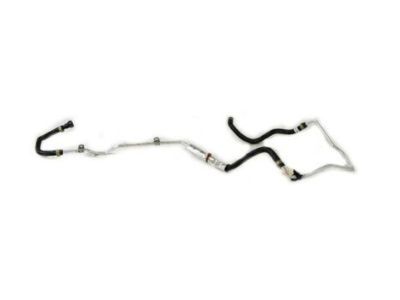
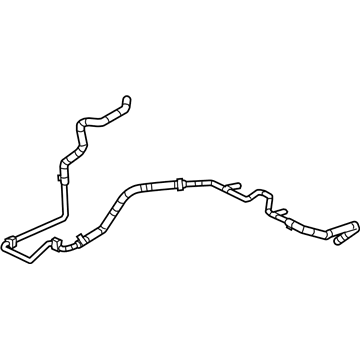
Dodge Reservoir Hose Part Number: 55111494AD
$63.11 MSRP: $94.35You Save: $31.24 (34%)Product Specifications- Other Name: Hose - Coolant Bottle Inlet; Engine Coolant Overflow Hose; Coolant Reservoir Hose; Multi Purpose Hose; Hose Coolant Bottle Inlet
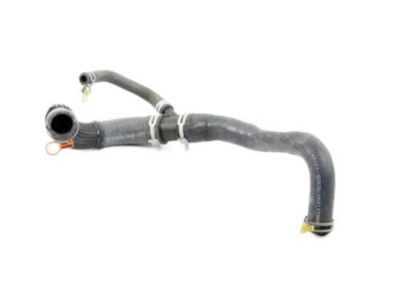
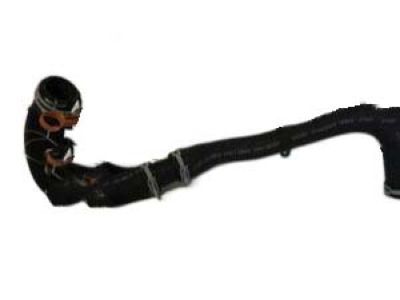
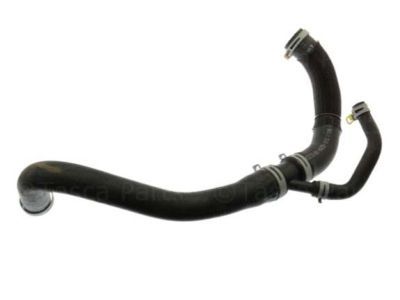
Dodge Lower Hose Part Number: 55038146AA
$65.56 MSRP: $98.30You Save: $32.74 (34%)Ships in 1-2 Business DaysProduct Specifications- Other Name: Hose - Radiator Outlet; Lower Radiator Coolant Hose; Multi Purpose Cooling Hose
- Position: Lower
- Replaces: 4596562AB, 4596562AD, 4596562AA, 4596562AC
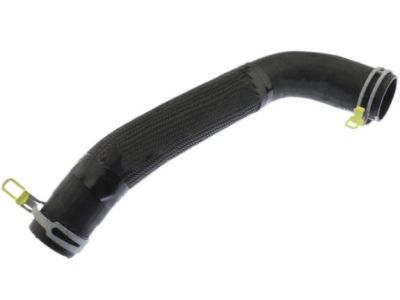
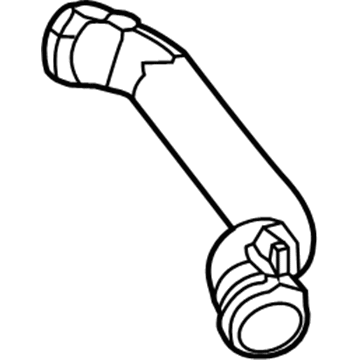
Dodge Lower Hose Part Number: 55056771AD
$58.43 MSRP: $87.35You Save: $28.92 (34%)Ships in 1-2 Business DaysProduct Specifications- Other Name: Hose - Radiator Outlet; Radiator Coolant Hose, Lower, Upper; Multi Purpose Hose; Radiator Hose; Cooling Hose; Upper Hose; Hose Radiator Outlet; Radiator Coolant Hose; Coolant Hose
- Position: Lower
- Replaces: 55056771AB, 55056771AA, 55056771AC
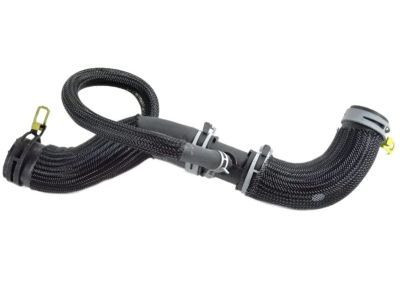
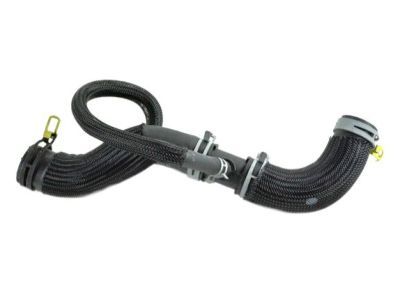
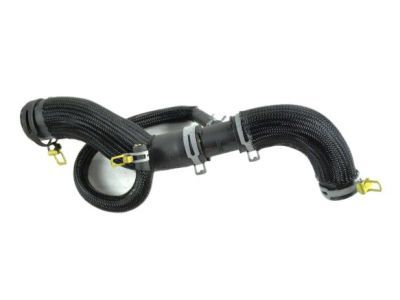
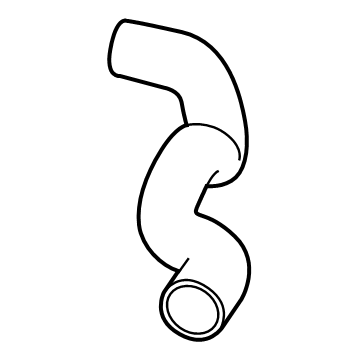
Dodge Lower Hose Part Number: 68269478AA
$68.13 MSRP: $102.00You Save: $33.87 (34%)Ships in 1-2 Business DaysProduct Specifications- Other Name: Hose - Radiator Outlet; Radiator Coolant Hose, Lower; Multi Purpose Hose; Radiator Hose; Cooling Hose; Hoses; Hose Radiator Outlet Includes Clamps; Hose Radiator Outlet
- Position: Lower
- Replaces: 52014895AB, 52014895AC, 52014895AD
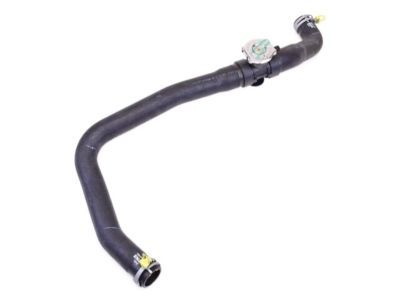
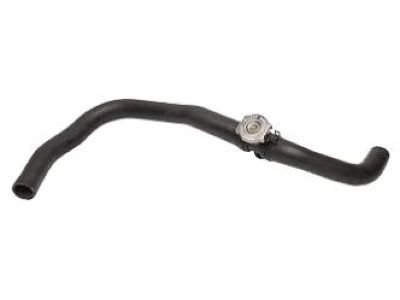
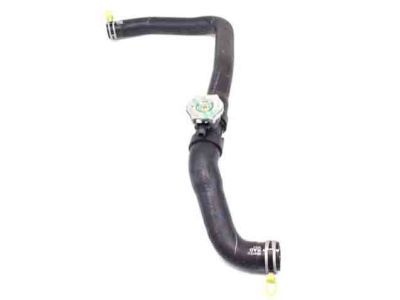
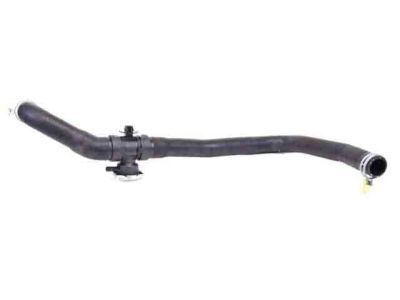
Dodge Upper Hose Part Number: 5058172AJ
$70.25 MSRP: $105.00You Save: $34.75 (34%)Ships in 1-2 Business DaysProduct Specifications- Other Name: Hose - Radiator Inlet; Radiator Coolant Hose, Upper; Multi Purpose Hose; Radiator Hose; Cooling Hose; Hose Radiator Inlet Radiator Inlet Hose Assembly; Hose Radiator Inlet; Radiator Coolant Hose; Coolant Hose
- Position: Upper
- Replaces: 5058172AE, 5058172AH, 5058172AG, 5058172AI, 5058172AF
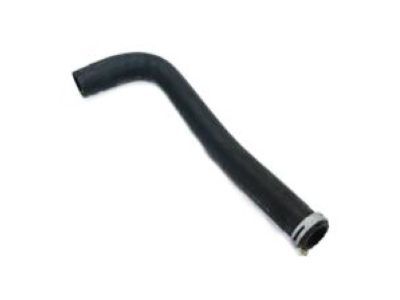
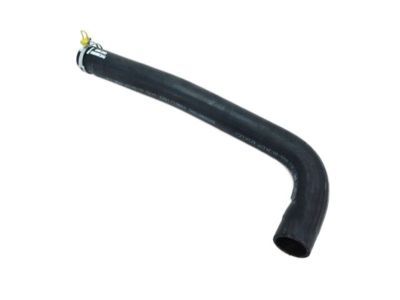
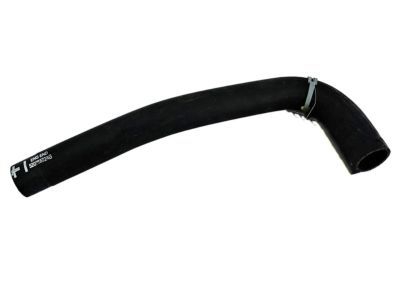
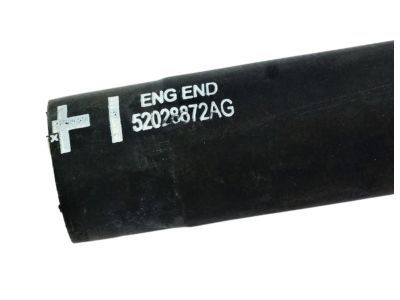
Dodge Upper Hose Part Number: 52028872AG
$46.86 MSRP: $69.52You Save: $22.66 (33%)Ships in 1-2 Business DaysProduct Specifications- Other Name: Hose - Radiator Outlet; Radiator Coolant Hose, Upper; Multi Purpose Hose; Radiator Hose; Cooling Hose; Hose Radiator Outlet; Radiator Coolant Hose; Coolant Hose
- Position: Upper
- Replaces: 55056665AA, 52028872AC, 52028872AE, 52028872AD, 52028872AF
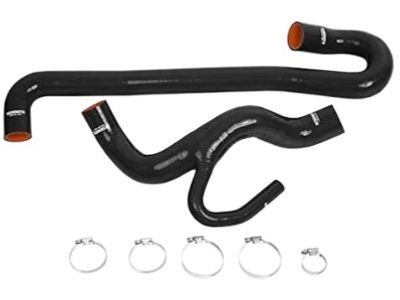
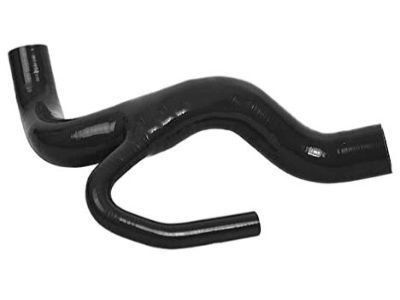
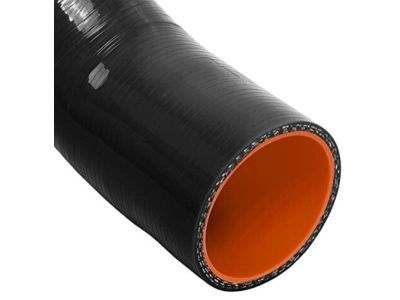
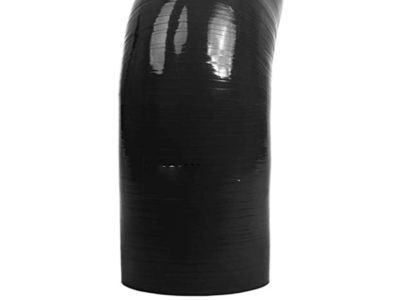

Dodge Lower Hose Part Number: 68056029AG
$54.68 MSRP: $81.18You Save: $26.50 (33%)Ships in 1-2 Business DaysProduct Specifications- Other Name: Hose - Radiator Outlet; Radiator Coolant Hose, Lower; Multi Purpose Hose; Radiator Hose; Cooling Hose; Hoses; Hose Radiator Outlet
- Position: Lower
- Replaces: 68056029AC, 68056029AD, 68056029AF, 68056029AB, 68056029AE
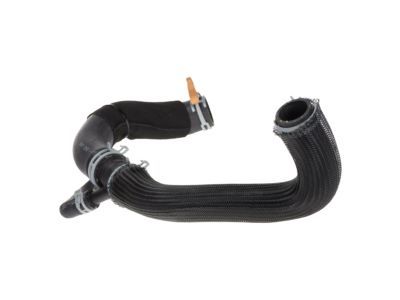
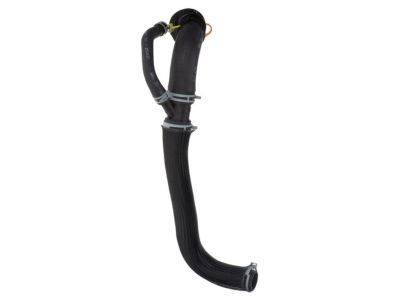
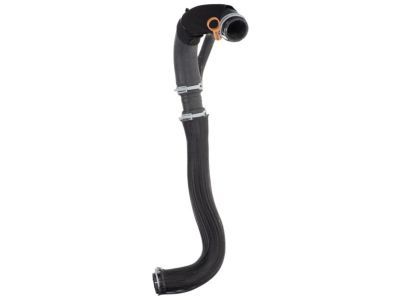
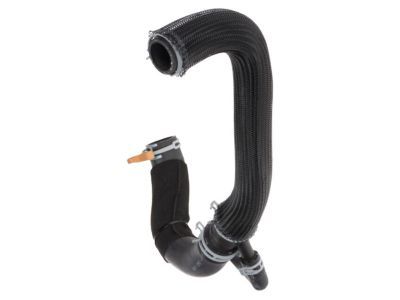
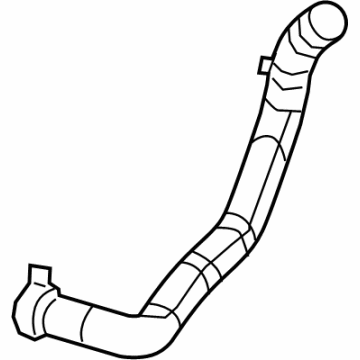
Dodge Lower Hose Part Number: 4598103AG
$80.95 MSRP: $121.00You Save: $40.05 (34%)Ships in 1-2 Business DaysProduct Specifications- Other Name: Hose - Radiator Outlet; Radiator Coolant Hose, Lower; Multi Purpose Hose; Radiator Hose; Cooling Hose; Hose Radiator Outlet; Radiator Coolant Hose; Coolant Hose
- Position: Lower
- Replaces: 4598103AF, 4598103AE, 4598103AB, 4598103AC, 4598103AA, 4598103AD
| Page 1 of 17 |Next >
1-20 of 329 Results
Dodge Coolant Reservoir Hose
OEM parts sourced directly from Dodge deliver superior quality, long lasting strength, and a precise fit you can trust. Each item goes through strict quality checks to ensure safety, toughness, and performance that matches your factory equipment. At JeepPartsDeal online shop, you'll get top-quality, budget-friendly OEM Dodge Coolant Reservoir Hose for your vehicle. We focus on giving you a high standard without pushing up the price. Our full selection of genuine factory products comes backed by the original manufacturer's warranty. You'll love our fast delivery, seamless shopping experience, and convenient return policy, saving you all the hassle.
The Dodge Coolant Reservoir Hose is a molded line that connects your overflow tank to your radiator, allowing coolant to flow in either direction to help prevent pressure issues. Coming from a hard machine shop in 1900, the maker of Dodge branding began in steel and in 1914 made proof of the first mass-built all-steel body. The Dodge is all about strength, not fluff. Every modern Dodge muscle car owns the road with HEMI power, track-tested suspension, and a cockpit that's more pit lane than living room. Even its electric plans rumble thanks to the new Fratzonic Chambered Exhaust, which adds a 600-watt roar or drops to whisper-quiet Stealth when the neighborhood sleeps. The tough construction minimizes the possibility of leaks, but it still helps to check it from time to time. That said, pairing that attitude with a solid Coolant Reservoir Hose keeps the temperatures tamed during hard pulls and stop-light sprints. Exchanging the Coolant Reservoir Hose is quick, so long as you don't take any shortcuts. Allow the feisty Dodge to cool down until you can touch the radiator cap with your palm. Open the hood, drop the coolant below the fittings, then pinch off and free the clamp ends with a flat screwdriver. Use your hands to twist the tired hose loose, then wipe each neck shiny before matching the new Coolant Reservoir Hose for length and bends before pushing it home. The seat clamps should be placed, the line routed clear of belts, the mix refilled, the air bled, the engine fired, and the drips scanned.
Related Dodge Parts
 Dodge Thermostat
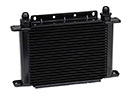 Dodge Transmission Oil Cooler
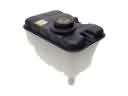 Dodge Coolant Reservoir
 Dodge Radiator Drain Plug
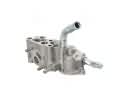 Dodge Thermostat Housing
 Dodge Cooling Fan Bracket
 Dodge Cooling Hose
 Dodge Drive Belt
 Dodge Radiator Hose
 Dodge Transmission Oil Cooler Hose
 Dodge V-Belt
 Dodge Water Hose
Browse Dodge Coolant Reservoir Hose by Models
Charger Challenger Ram 1500 Dakota Durango Viper Dart Grand Caravan Ram 2500 Journey Caravan Avenger D100 D150 Magnum Neon Nitro Stealth Caliber Ramcharger Omni Dynasty Intrepid Ram 3500 Shadow Spirit Stratus W250 600 Aries B250 B350 Charger Daytona D250 D350 Daytona Diplomat Hornet Ram 1500 Van Rampage Sprinter 2500 Sprinter 3500 W100 W150 W350 B2500 Lancer B150 B1500 B3500 Mini Ram Ram 2500 Van Ram 3500 Van