JeepParts
My Garage
My Account
Cart
OEM Dodge Grand Caravan Power Steering Hose
Power Steering Pressure Hose- Select Vehicle by Model
- Select Vehicle by VIN
Select Vehicle by Model
orMake
Model
Year
Select Vehicle by VIN
For the most accurate results, select vehicle by your VIN (Vehicle Identification Number).
29 Power Steering Hoses found
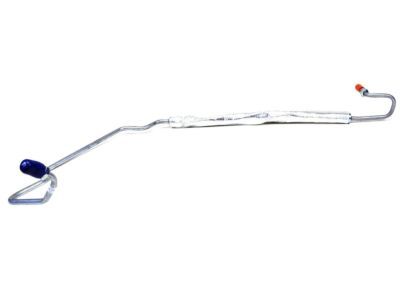
Dodge Grand Caravan Power Steering Pressure Hose Part Number: 4684322AB
$140.71 MSRP: $186.00You Save: $45.29 (25%)Ships in 1-2 Business Days
Dodge Grand Caravan Power Steering Return Hose Part Number: 4766308AD
$98.71 MSRP: $149.00You Save: $50.29 (34%)Ships in 1-2 Business Days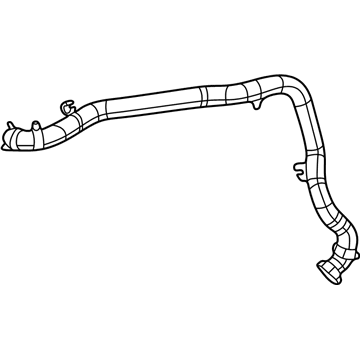
Dodge Grand Caravan Reservoir Hose Part Number: 5006616AI
$77.55 MSRP: $119.00You Save: $41.45 (35%)Ships in 1-2 Business Days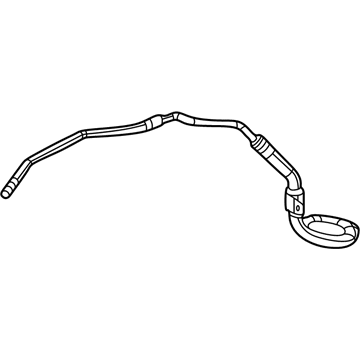
Dodge Grand Caravan Power Steering Return Hose Part Number: 5151722AF
$246.42 MSRP: $374.00You Save: $127.58 (35%)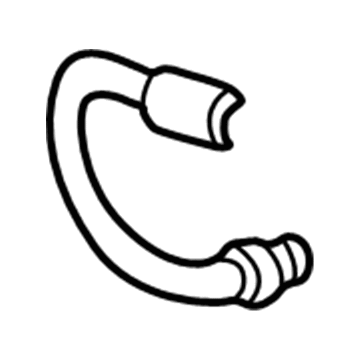
Dodge Grand Caravan Power Steering Pressure Hose Part Number: 4766033AF
$267.41 MSRP: $409.00You Save: $141.59 (35%)Ships in 1-2 Business Days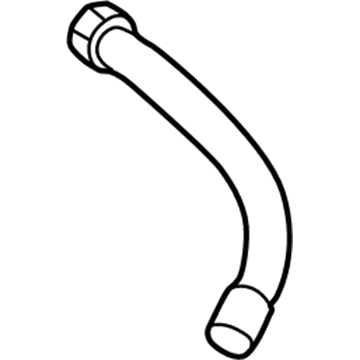
Dodge Grand Caravan Power Steering Return Hose Part Number: 4743900AB
$340.11 MSRP: $456.00You Save: $115.89 (26%)Ships in 1-2 Business DaysDodge Grand Caravan Power Steering Pressure Hose Part Number: 4766032AA
$179.78 MSRP: $237.81You Save: $58.03 (25%)Ships in 1-2 Business Days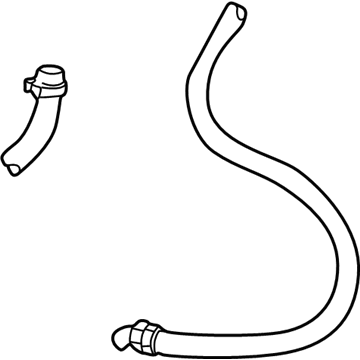
Dodge Grand Caravan Suction Hose Part Number: 4743011AC
$99.07 MSRP: $130.90You Save: $31.83 (25%)Ships in 1-2 Business Days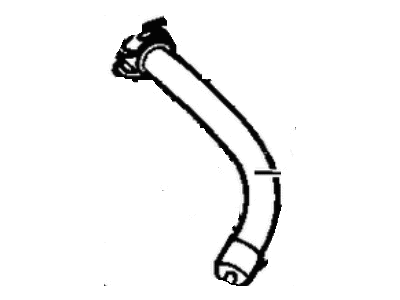
Dodge Grand Caravan Power Steering Return Hose Part Number: 4684323
$137.50 MSRP: $174.30You Save: $36.80 (22%)Ships in 1-2 Business Days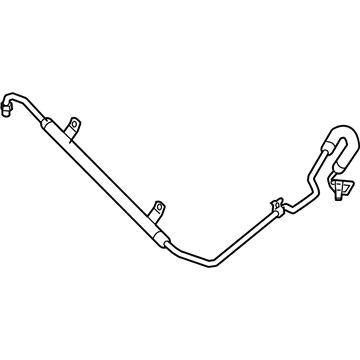
Dodge Grand Caravan Power Steering Pressure Hose Part Number: 4862304AB
$181.93 MSRP: $270.00You Save: $88.07 (33%)Ships in 1-2 Business DaysDodge Grand Caravan Power Steering Return Hose Part Number: 4743473AJ
$108.38 MSRP: $142.00You Save: $33.62 (24%)Ships in 1-2 Business DaysDodge Grand Caravan Power Steering Pressure Hose Part Number: 4684324AB
$142.01 MSRP: $180.02You Save: $38.01 (22%)Ships in 1-2 Business Days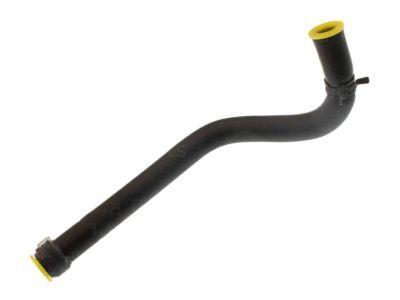
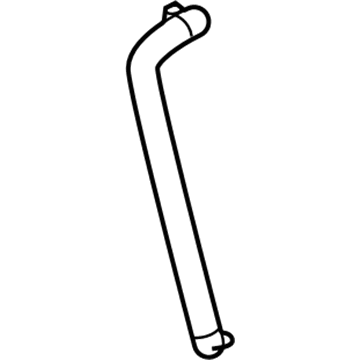
Dodge Grand Caravan Reservoir Hose Part Number: 4743678AC
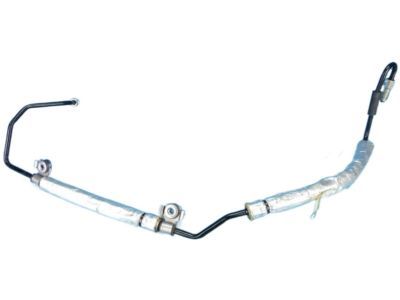
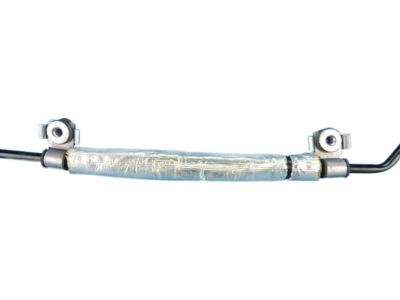
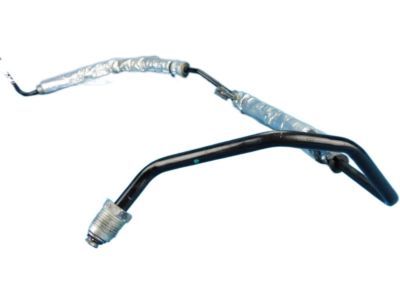
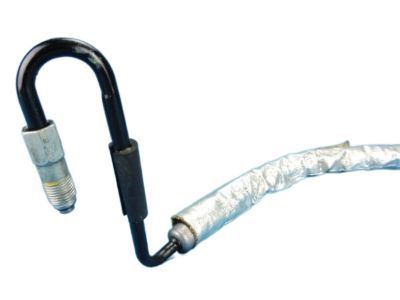
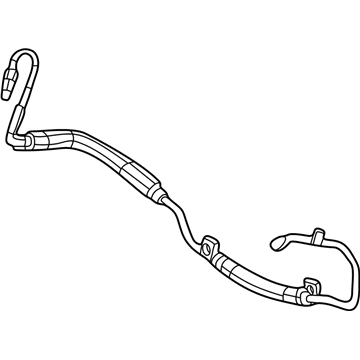
Dodge Grand Caravan Power Steering Pressure Hose Part Number: 5006617AH
$648.07 MSRP: $948.00You Save: $299.93 (32%)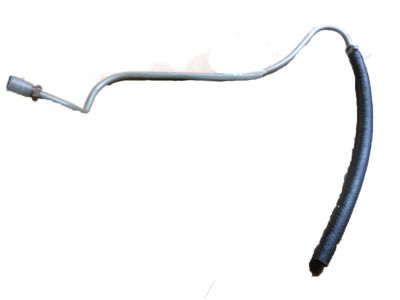
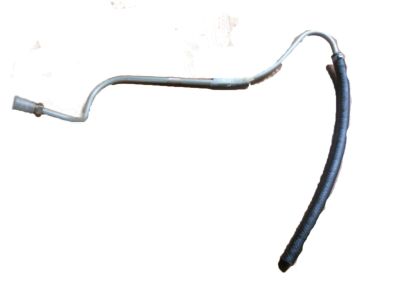
Dodge Grand Caravan Power Steering Return Hose Part Number: 4684325
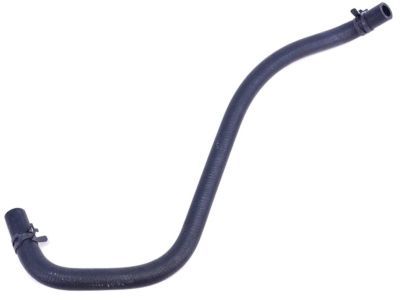
Dodge Grand Caravan Reservoir Hose Part Number: 4684146AB
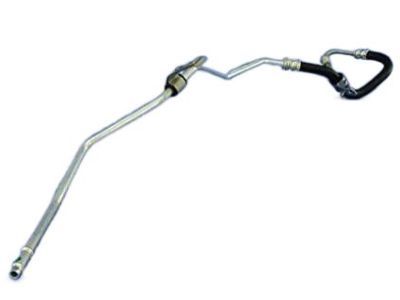
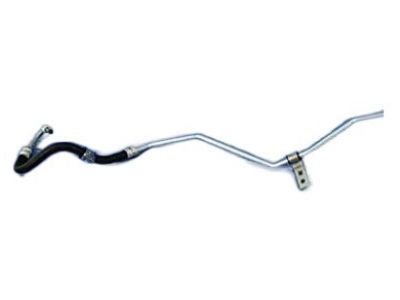
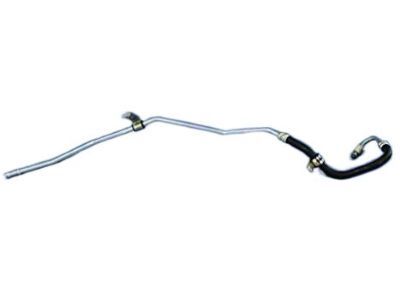
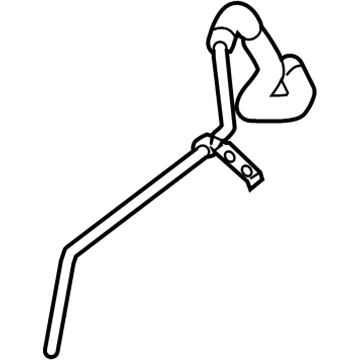
Dodge Grand Caravan Power Steering Supply Hose Part Number: 68078994AA
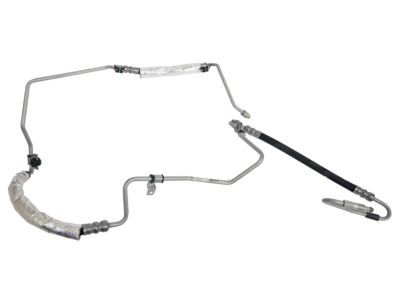
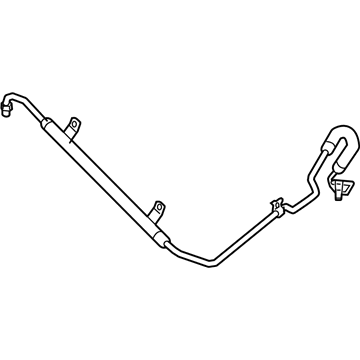
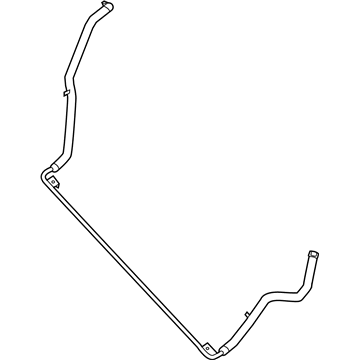
Dodge Grand Caravan Power Steering Return Hose Part Number: 5006598AG
$139.36 MSRP: $206.64You Save: $67.28 (33%)Dodge Grand Caravan Power Steering Return Hose Part Number: 4743282AC
| Page 1 of 2 |Next >
1-20 of 29 Results
Dodge Grand Caravan Power Steering Hose
Choose OEM Power Steering Hose that meet Dodge factory standards. Dodge designs and tests every component for precision and durability. Each Power Steering Hose follows strict manufacturing steps to lock in quality and fit. If your Dodge Grand Caravan matters to you, OEM parts make the smart choice. You'll get the exact look, feel, and performance you expect. Shop genuine Grand Caravan parts at the highly competitive prices online. Enjoy a manufacturer's warranty, a hassle-free return policy, and rapid delivery. No more guesswork with off brands. Get genuine parts with exact fit and true factory performance. Shop with confidence today at JeepPartsDeal.com.
Dodge Grand Caravan Power Steering Hose is one of the most crucial and valuable parts that complicated the whole steering system of the Dodge Grand Caravan to be more reliable and powerful. This hose transports the power steering fluid from the pump to the steering gear assistance for easier and smooth turning of the wheel. Made up of a stout rubber material, this Dodge Grand Caravan Power Steering Hose is able to endure common strains of heat from the engine and unfavorable roads over time. It fits all the Dodge Grand Caravan series that have been manufactured since 1984 to 2020 hence serving the owners to pursuing the efficiency and safety aspects of the Caravan. To avoid the occurrence of leaks and other steering problems it is therefore important that Power Steering Hose should undergo timely checkups and replacement. Interestingly, the structure of the Dodge Grand Caravan Power Steering Hose may incorporate bent metal tubing, which has adjustability, increasing the prominence in auto industries. This design not only plays a positive role in the function of steering as a system but also strengthens the safety of this car by giving appropriate control. The main attribute of the Dodge Grand Caravan Power Steering Hose is its reliability, which makes this spare part an essential component of the Dodge Grand Caravan, being one of the core parts of the car's design.
Dodge Grand Caravan Power Steering Hose Parts and Q&A
- Q:How to Maintain the Power Steering Hose from Cooler to Reservoir on Dodge Grand Caravan?A:Prior to threading the return hose from the cooler to the reservoir, unplug the negative battery cable and insulate it. Open the power steering reservoir, use a siphon pump to get out as much fluid as possible and replace the cap afterwards. After that, uninstall the upper bumper Grille, detach the air temp sensor connector and get rid of the margin fastener. Pull out all push pins holding the lower plastic grille to the bumper and the support frame and remove the grille from the bumper reinforcement. Undo the clamp linking the return hose to the gear and remove the hoses from one another. Lift the clamp from the hose attached to the return line inside the reservoir and pull the hose out. Clip the bracket that is connected to the cooling module on the right side away from the reservoir end of the hose loop. To take out each module's heat exchanger mount bracket, squeeze the two clip tabs on the top and bottom and pull the bracket out of the clip clamps. Initially, push in on the pat tabs on the return hose cooler mounting clips and remove the mounting brackets from the cooling module to extract the return hose assembly.
- Q:How to Install and Repair a Power Steering Hose on Dodge Grand Caravan?A:First, steer the cutout end from the pump up into the engine bay, past the front crossmember. Lift up and support the vehicle. Before you put the pressure hose on the power steering gear, clean the area and the O-ring with a clean cloth and use clean power steering fluid to grease the O-ring. Insert the pressure hose into the power steering gear port and then screw the tube nut in by hand, but do not tighten it for now. Attach the routing clamps to the back of the front suspension crossmember and tighten the screws until you reach 8 Nm (71 in. lbs.). Also, place a routing clamp on the front suspension crossmember near its right side and tighten the screw to a pressure of 8 Nm (71 in. lbs.). After that, set the tube nut on the steering gear to 31 Nm (23 ft. lbs.) and lower the vehicle. Lead the hose over the engine until it reaches the pump, use a routing clamp on the right side of the engine, then tighten the screw to a strength of 10 Nm (89 in. lbs.). Put another routing clamp in place at the Intake Manifold and tighten the stud head mounting screw to 28 Nm (21 ft. lbs.). Place the Alternator bracket onto the bolt and stud of the alternator, then tighten the screws to 28 Nm (21 ft.lbs.). Before you connect the pressure hose to the Power Steering Pump, take out the O-ring, replace it and lubricate it with clean power steering fluid. Screw the pressure hose into the pump connector, use a tube nut to hold it and then tighten the nut to a torque of 31 Nm (23 ft. lbs.). After that, reattach the air cleaner housing cover and hose to the intake manifold and link the negative battery cable to its post. Add fluid to the power steering until it bleeds and check closely for leaks.
Related Dodge Grand Caravan Parts
 Dodge Grand Caravan Power Steering Pump
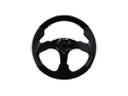 Dodge Grand Caravan Steering Wheel
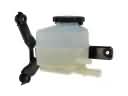 Dodge Grand Caravan Power Steering Reservoir
 Dodge Grand Caravan Rack And Pinion
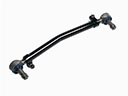 Dodge Grand Caravan Drag Link
 Dodge Grand Caravan Rack & Pinion Bushing
 Dodge Grand Caravan Steering Column Cover
 Dodge Grand Caravan Steering Column Seal
 Dodge Grand Caravan Steering Gear Box
 Dodge Grand Caravan Steering Shaft
 Dodge Grand Caravan Tie Rod
 Dodge Grand Caravan Tie Rod End